New bill proposal to make daylight saving time permanent
Dr. Karin Johnson talks with CBS News New York's Chris Wragge about the benefits and drawbacks of making daylight saving time permanent.
Watch CBS News
Dr. Karin Johnson talks with CBS News New York's Chris Wragge about the benefits and drawbacks of making daylight saving time permanent.
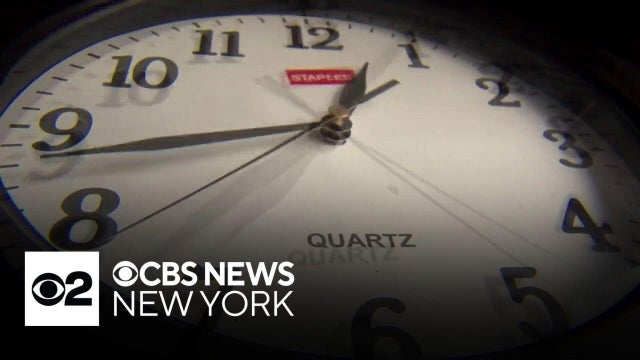
It has become an annual ritual, changing your clocks twice a year. As CBS News New York's Doug Williams reports, daylight saving time may soon become permanent.

The measure also allows states to opt out if they take action before the federal law is enacted.
Dr. Catherine Clinton talks with CBS News New York's Mary Calvi about the impact daylight saving time has on your circadian rhythm and metabolic health.
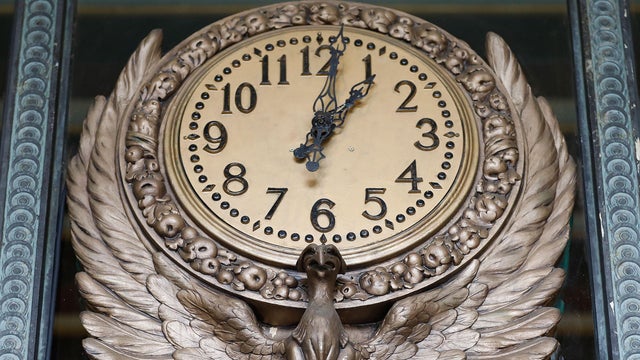
The time change known as daylight savings starts Sunday, March 8, 2026. Most Americans lose an hour of sleep when clocks "spring forward."
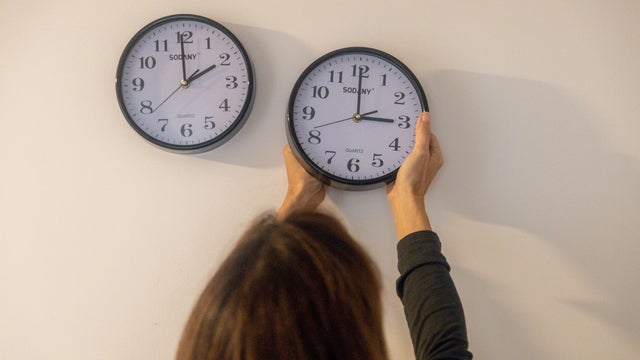
Daylight saving time ended on Sunday, Nov. 2, 2025, when the clocks fell back and we gained an hour.
This weekend brings the end of daylight saving time, when the clocks fall back.

City officials are highlighting the dangers that come with less daylight.
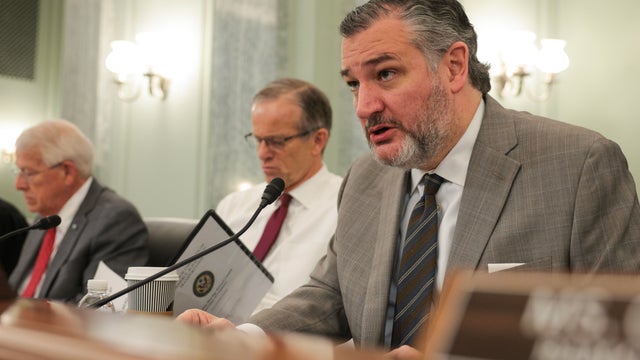
President Trump has suggested he supports eliminating daylight saving time, although he's also called it a "50/50 issue."

Daylight saving time in 2025, when clocks change by an hour, has started. Here's a look at when exactly we "spring forward."
CBS News New York's Marcia Kramer likes the extra daylight in the morning, but dreads having to change all the clocks. How many New Yorkers agree?
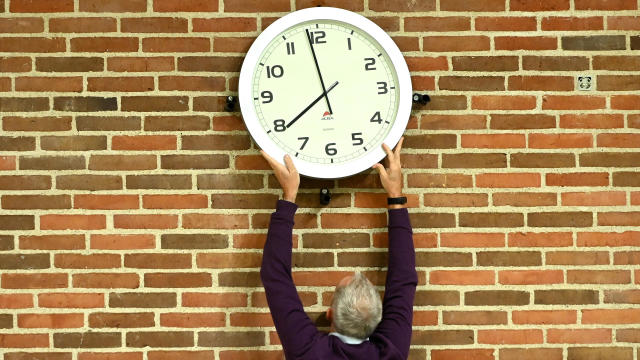
The end to daylight saving time means our clocks "fall back" early Sunday, Nov. 3, 2024. But why do we have to adjust the time twice a year?
Daylight Saving Time ends Saturday night, and that means it's time to set your clocks back an hour.
In theory, you should be able to get more rest when daylight saving time ends. But a new study suggests it's not that simple.

A less invasive breast cancer treatment that keeps away from the heart; as the clocks fall back, sleep experts say the practice needs to end; NICU babies dressed up for Halloween, and heightened concern around food safety after a series of recalls linked to harmful bacterial contaminations.

The time change often leads to less sleep, and a new study shows driving drowsy can have even more fatal consequences than previously thought.
Clocks "spring forward" when daylight saving time begins on Sunday, March 10, 2024.
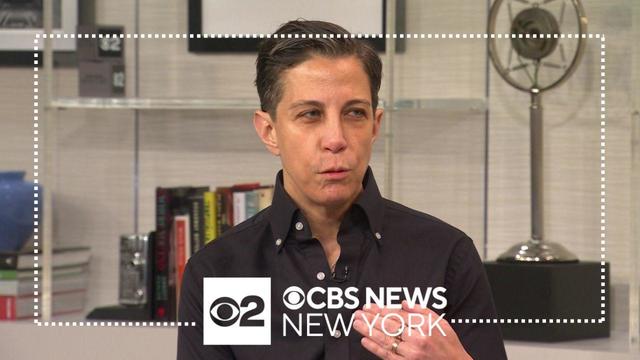
March 10 is the first day of Sleep Awareness Week. Research shows lack of sleep on a regular basis may lead to diabetes, high blood pressure, depression and obesity. Dr. Efrat Lamandre shares ways to keep a healthy sleep schedule on CBS2 News.
Daylight saving time begins this year in the early hours of Sunday, March 10, giving us longer, sunnier evenings until Nov. 3, 2024. Here's what to know about how the time change works.
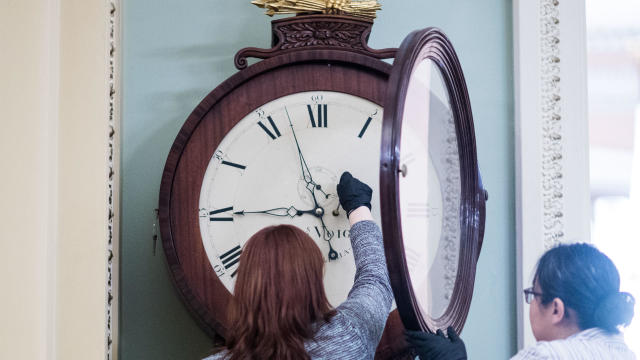
Daylight saving time is returning in March 2024 the same way the twice-a-year time change has resumed for the last 17 years, only to end as usual in November 2024.
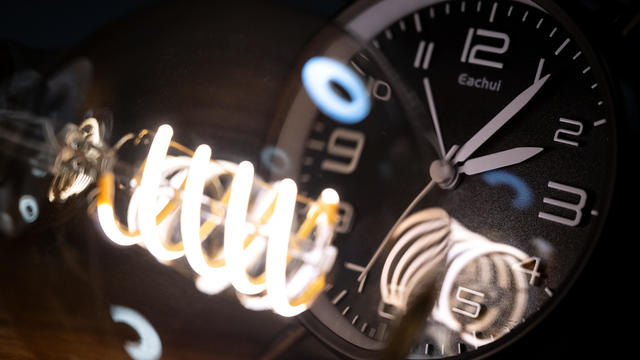
The return of daylight saving time means we spring forward this weekend, setting clocks an hour ahead and losing an hour of sleep.

Some 55% of Americans report feeling tired after the time change. Here's how to prepare. CBS New York's Tony Aiello reports.
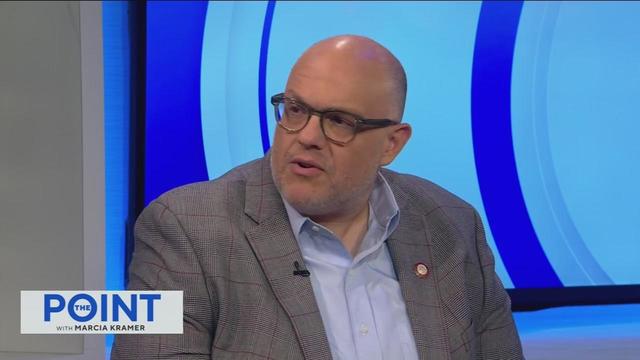
Will Mayor Eric Adams' budget cuts give new meaning to the "thin" blue line? And what more can the FDNY do to prevent costly e-bike battery fires?

Let there be light, or maybe more darkness? Here's how New Yorkers feel about daylight saving time.
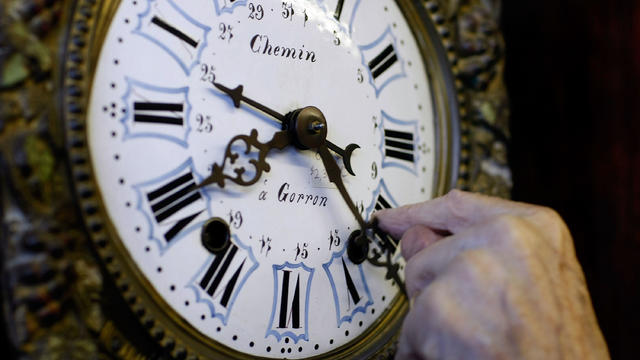
Daylight saving time for 2023 will end in early November with most Americans having to "fall back" for the biannual time change and turn their clocks back an hour.