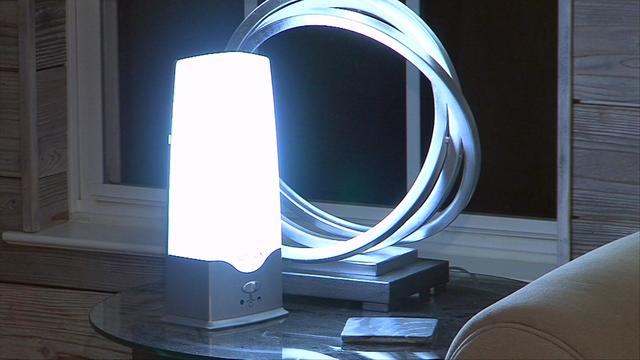
SAD may start to affect more as we "fall back," doctors say
SAD is a type of depression linked to chemical changes triggered by lack of daylight and sleep changes.
Watch CBS News
SAD is a type of depression linked to chemical changes triggered by lack of daylight and sleep changes.
While turning back the clocks means an extra hour of sleep, some people feel the change impacts their mood and health. We hear from a doctor to learn more.
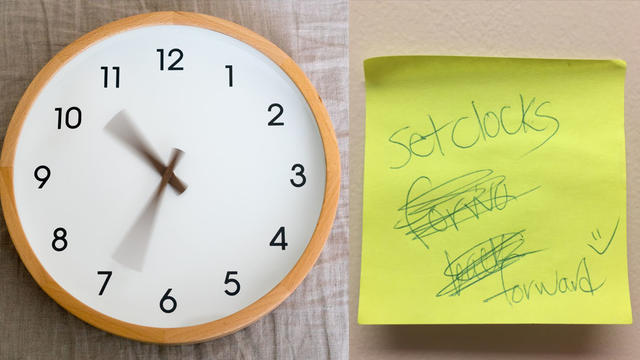
Local doctor says time changes affect our sleep, which could lead to more serious health implications.
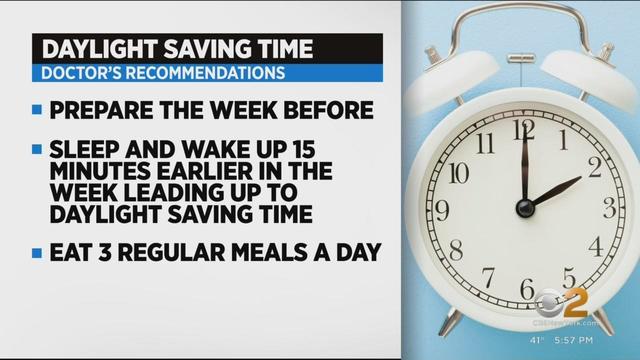
Studies have shown "springing forward" has an impact on sleep and our health. CBS2's Kristie Keleshian explains how.
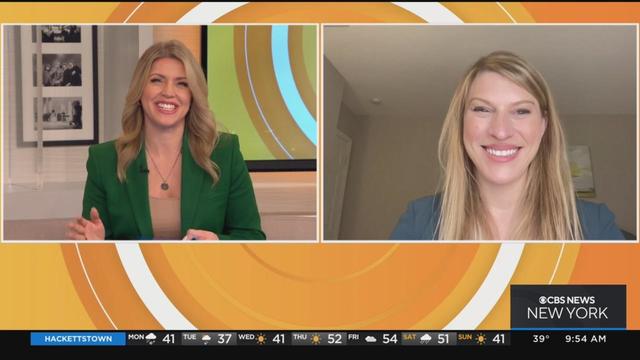
In case you're feeling a little tired after losing an hour of sleep over the weekend, here are some of the dos and don'ts for a high-quality nap.

In case you missed it, a daughter's TikTok helped save her family restaurant and the U.S. Army is resurrecting a once familiar slogan to garner recruits.
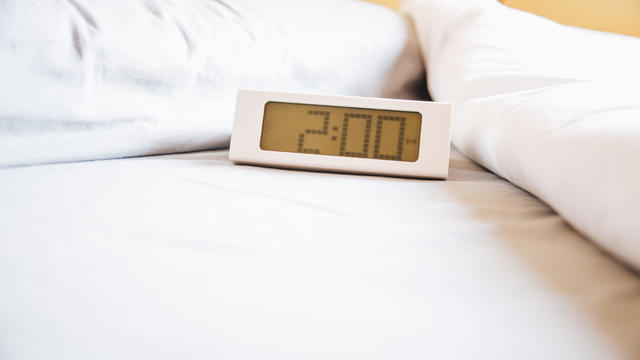
If you're feeling more tired this morning, you're not alone.
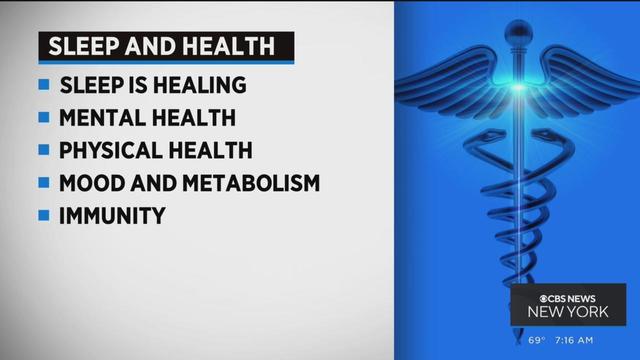
If you're feeling more tired this morning, you're not alone. Turning the clocks back to standard time can be an adjustment.
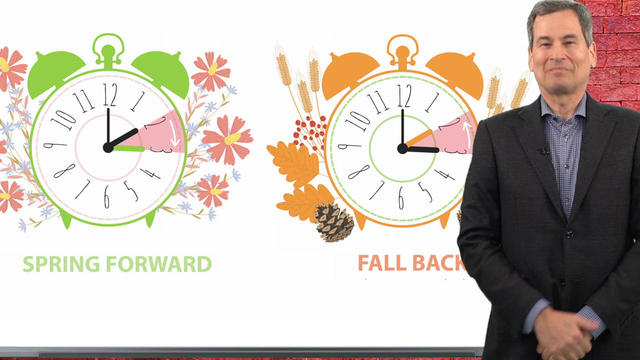
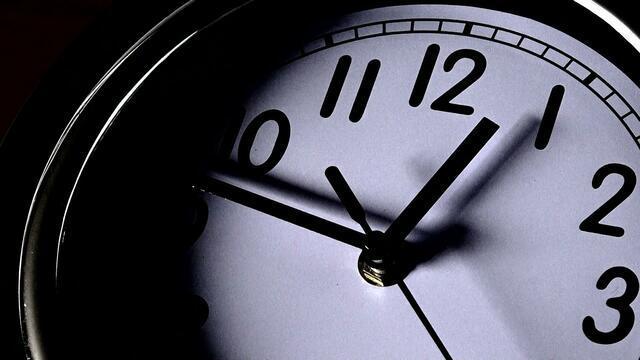
It's that time of year when we turn the clocks back an hour, and supposedly get an extra hour of sleep. There are arguments against adopting a spring-ahead/fall-behind life – or for making Daylight Saving Time permanent.
Six in 10 Americans said they preferred making daylight saving time permanent, according to a poll.

"The good news is if we can get this passed, we don't have to do this stupidity anymore," Senator Marco Rubio said on the Senate floor.