How the case against Gilgo Beach serial killer suspect Rex Heuermann unfolded
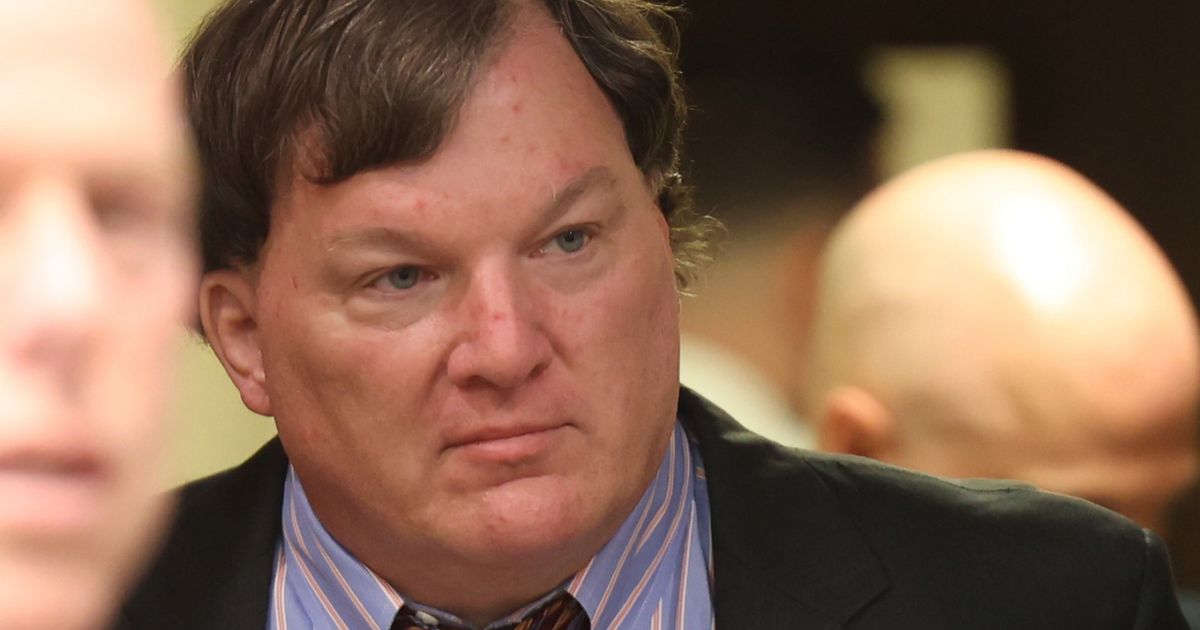
The case against Rex Heuermann, accused of killing seven women in the Gilgo Beach area of Long Island between 1993 and 2011, could all come to an abrupt end Wednesday.
For years, the high-profile serial killer case frustrated investigators. It was featured on true crime shows and podcasts, and was even the subject of a best-selling book. Then came Heuermann's arrest in 2023.
Now, after denying his guilt for years, a source tells CBS News New York's Carolyn Gusoff that Heuermann is likely to change his plea to guilty at a court appearance late Wednesday morning.
The case against Rex Heuermann
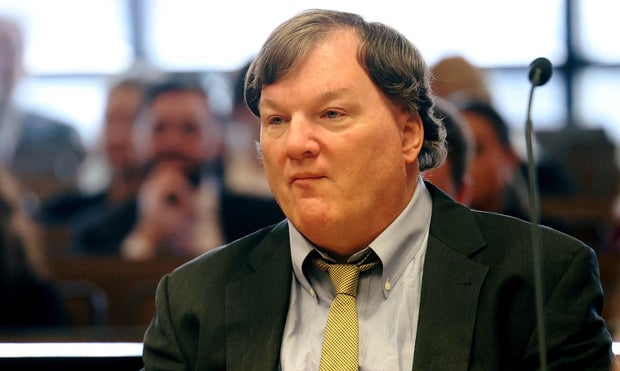
Upon his arrest in 2023, Heuermann was initially charged with the murders of three women -- Melissa Barthelemy, Megan Waterman and Amber Costello. He was later also charged with killing Maureen Brainard-Barnes, Sandra Costilla, Jessica Taylor, and Valerie Mack.
Heuermann pleaded not guilty in every case.
In September 2025 the judge ruled that all seven murder cases would be tried together. It was a blow to the defense, which wanted to split the cases, arguing the modus operandi differ and that jurors wouldn't be able to separate evidence.
The case was expected to go to trial in September 2026, with prosecutors planning to call more than 100 witnesses.
"It's a dizzying amount of information -- seven murders that span from 1993 to 2010," Suffolk County District Attorney Ray Tierney said.
The evidence in Gilgo Beach murders
In the days following his arrest, investigators searched Heuermann's home and dug up his backyard. Guns were recovered from the home, along with electronic devices.
In June of 2024, the prosecution introduced evidence that suggested Heuermann was familiar with a remote part of Suffolk County, where victims' remains were dumped.
Prosecutors alleged that investigators found "torture pornography" and a so-called "blueprint" Heuermann allegedly used to plan kills among his possessions.
Then came a battle over DNA evidence. Prosecutors said investigators recovered some of Heuermann's from a pizza crust he discarded in a Manhattan garbage can.
Prosecutors said that cutting-edge whole genome testing tied Heuermann's DNA to hair found on or near six of the victims. The defense challenged that decision, saying it was in violation of public health law since the lab involved wasn't licensed in New York. Heuermann's attorneys have criticized the process as "magic."
In September 2025 the judge ruled the DNA testing can be used at trial, marking the first time such evidence can be admitted.
Phone evidence was introduced in early March. According to a court filing, Heuermann allegedly used burner phones to contact dozens of sex workers more than 500 times in the two years before his arrest. Many of the women he's accused of killing were sex workers.
Rex Heuermann's arrest
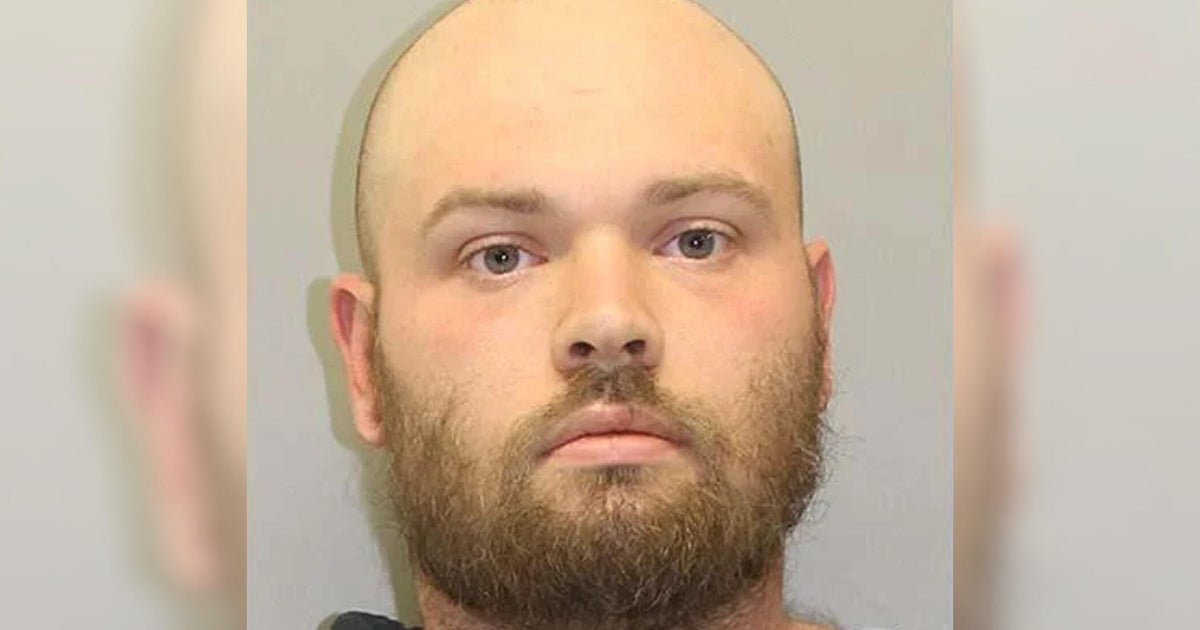
Heuermann was arrested on July 14, 2023, marking a long-awaited break in the decades-long case.
At the time of his arrest, he was an architect working in an office in New York City. He was married, but his wife, Asa Ellerup, filed for divorce just a few days after his arrest. The couple shares an adult daughter, and he is stepfather to Ellerup's adult son.
Investigators believe Heuermann committed the murders while his wife and children were out of town.
Heuermann has been held in the Suffolk County jail since his arrest.