Trump says Iran agreed to nuclear inspections, but Tehran denies claim
Iran insists there are no plans for inspections of its bombed nuclear sites, but Trump says Tehran "fully and completely" agreed to let inspectors return.
Watch CBS News
Iran insists there are no plans for inspections of its bombed nuclear sites, but Trump says Tehran "fully and completely" agreed to let inspectors return.
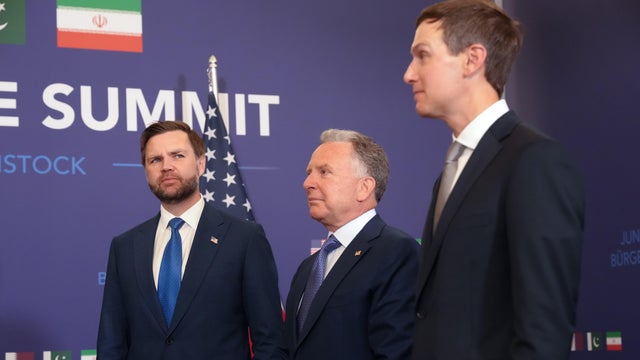
Vance says Iran agreed to let international nuclear inspectors back into the country during a "very, very good" first day of negotiations with the U.S.
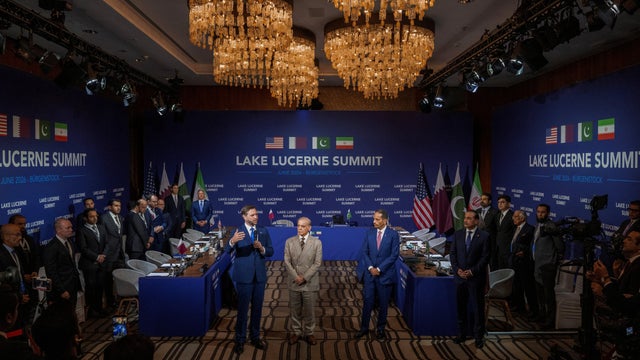
Their appearance was a rare face-to-face meeting between U.S. and Iranian officials as they launched a 60-day sprint to negotiate over the fate of Iran's nuclear program.
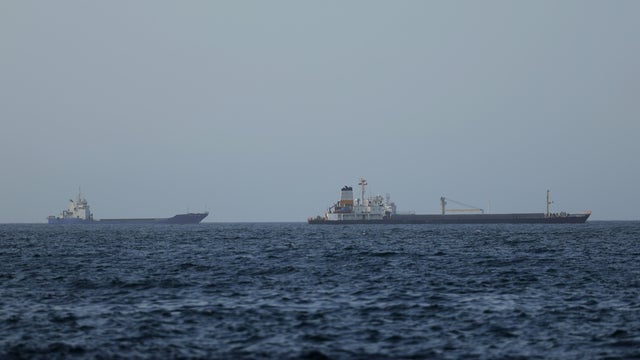
The negotiations were expected to start as soon as this weekend, but Vice President Vance's trip there was put off and Switzerland said the negotiations have been postponed.
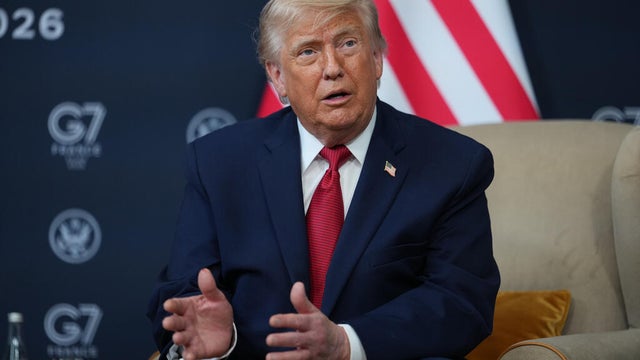
The agreement, as read by senior U.S. officials, allows Iran to immediately begin exporting oil and petroleum products.
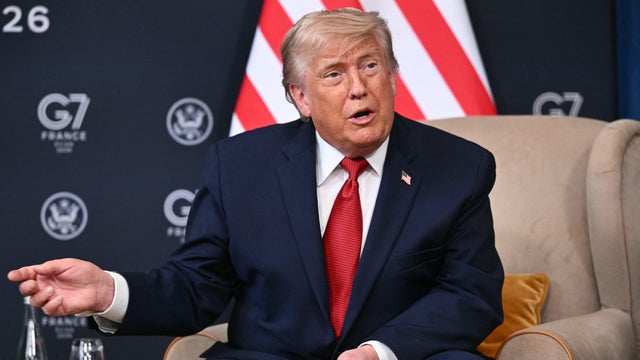
President Trump warned he could order new strikes if Iran's leaders "don't behave." The U.S. and Iran signed the memo of understanding remotely, a White House official said.
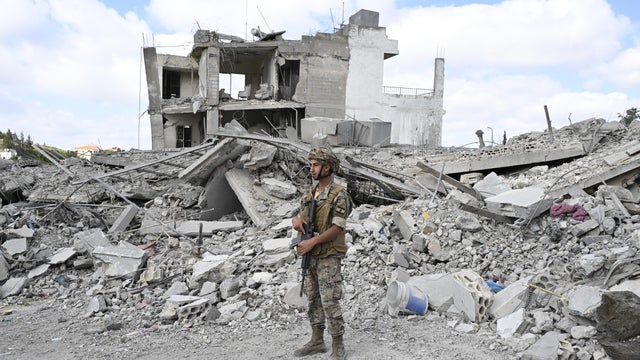
Iran's foreign minister says Israeli troops can't remain in Lebanon under the pending deal with the U.S.
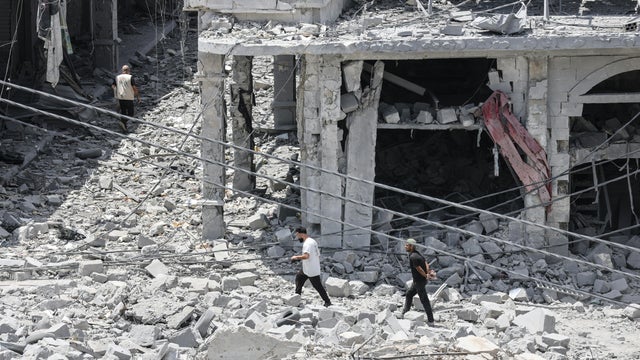
Senior U.S. officials say President Trump and Iran's top negotiator have already remotely signed a memorandum of understanding ahead of an expected signing ceremony.
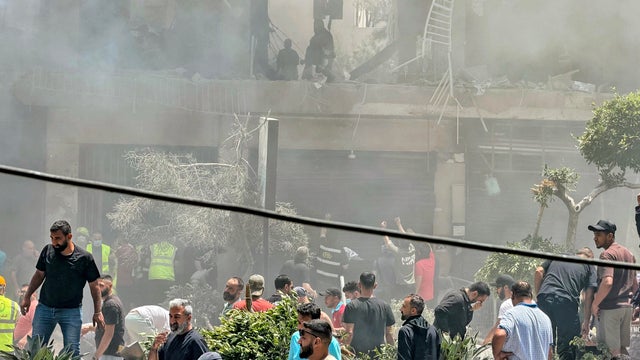
Pakistan's prime minister said Sunday the U.S. and Iran had reached a deal that includes "the immediate and permanent termination of military operations on all fronts, including in Lebanon."
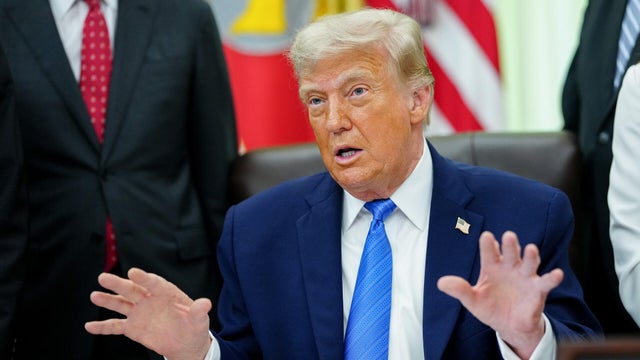
President Trump said earlier Thursday he called off new military strikes on Iran, hours after threatening to escalate the war.
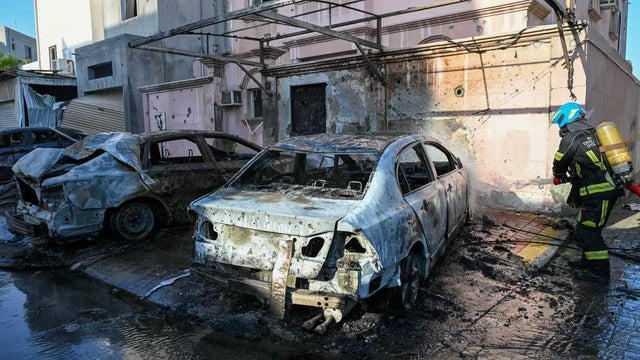
The U.S. and Iran exchanged fire again on Thursday after President Trump pledged Tehran would "pay the price" for not accepting a deal.
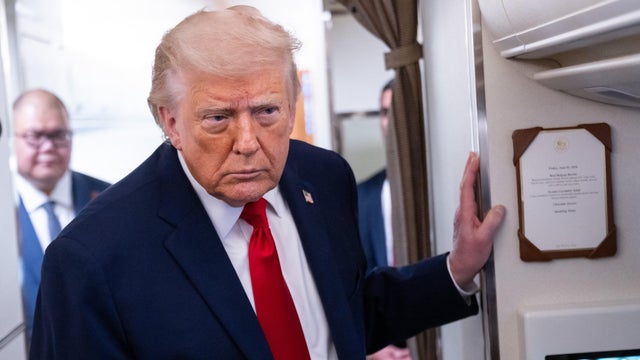
The two helicopter pilots were uninjured. After the retaliatory strikes were announced, President Trump said, "I believe the response should be very strong, very powerful."
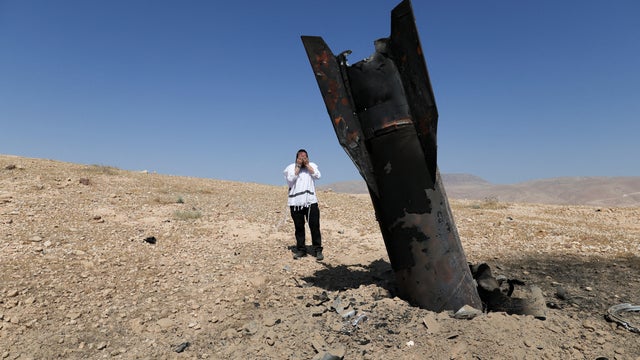
Iran and Israel declare a halt to fighting as President Trump says both are seeking an "immediate ceasefire" after a major escalation in the 101-day war.
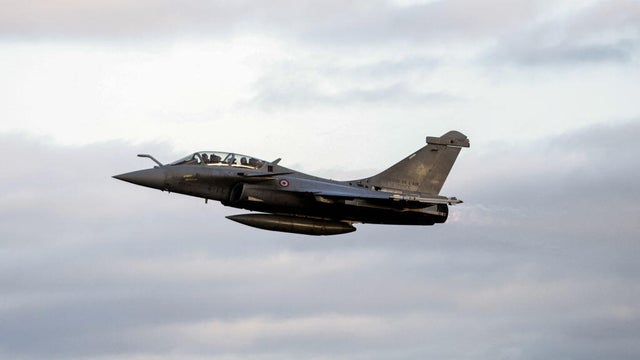
A series of drone incursions into countries neighboring Ukraine and Russia is fueling concern that their four-and-a-half year war could spread.
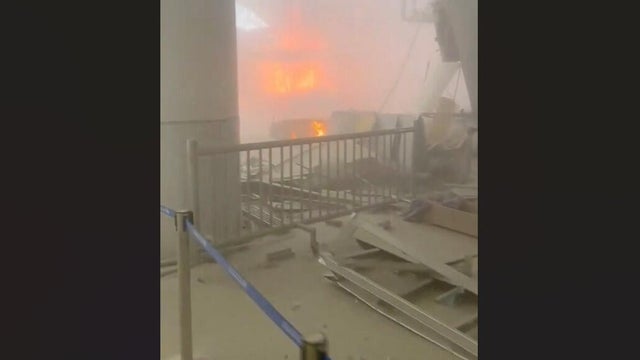
Israel and Lebanon agreed Wednesday to renew their fragile ceasefire and create a number of "pilot" security zones inside Lebanon where Hezbollah would be banned.
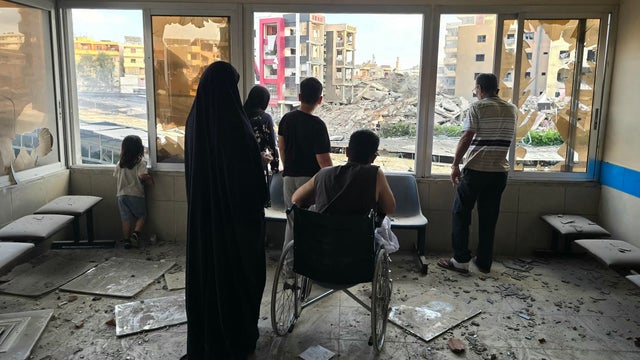
Prospects for a U.S.-Iran deal appear to be dimming as the war between Israel and Hezbollah grinds on despite Trump saying they agreed to stop fighting.
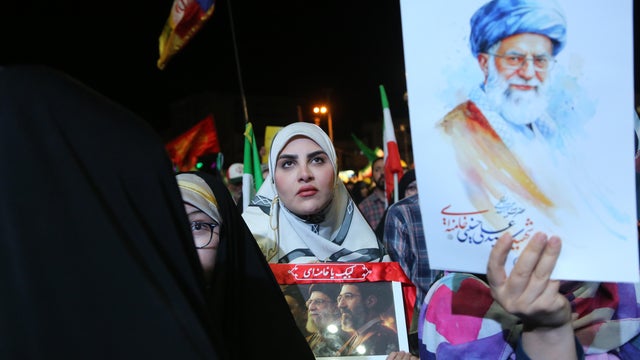
The Iranians' latest move in the war came in response to what it considers U.S. and Israeli ceasefire violations.
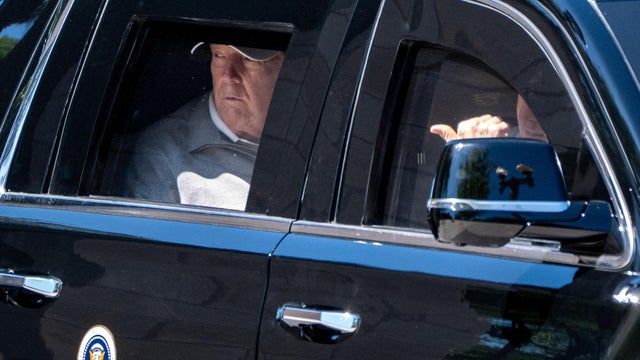
President Trump's changes included somewhat significant changes, according to a source with knowledge of the negotiations.
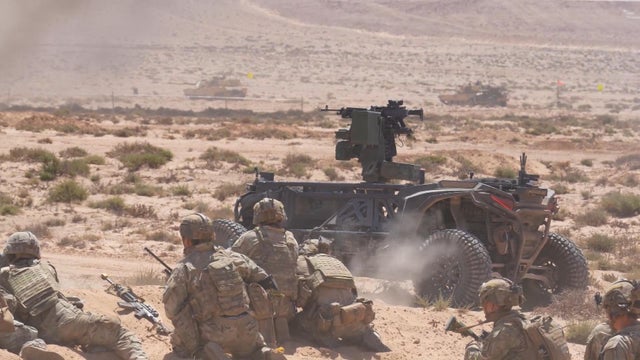
In the U.S. military's latest war games, AI took a front seat. A top commander told CBS News "it's not going to go away, and we ignore it at our own peril."
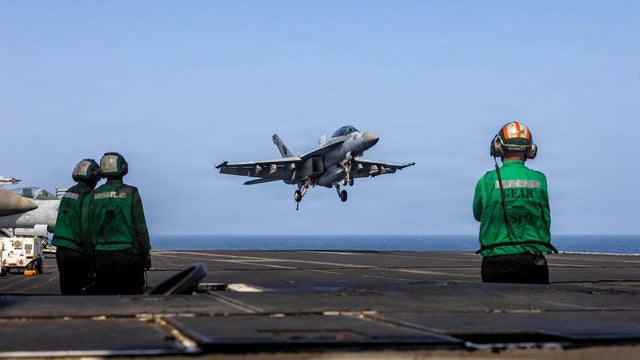
The vice president says the U.S. and Iran are "very close" to a deal, but are "not there yet." Meanwhile, the U.S. struck Iran, which retaliated against a U.S. base.
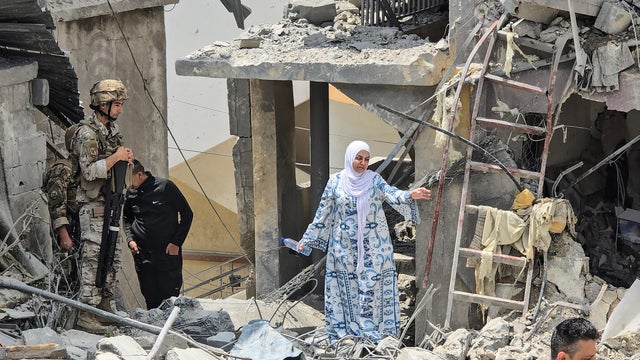
The U.S. and Iran had appeared ready to de-escalate before the U.S. military conducted what it said were defensive strikes against Iran on Wednesday.
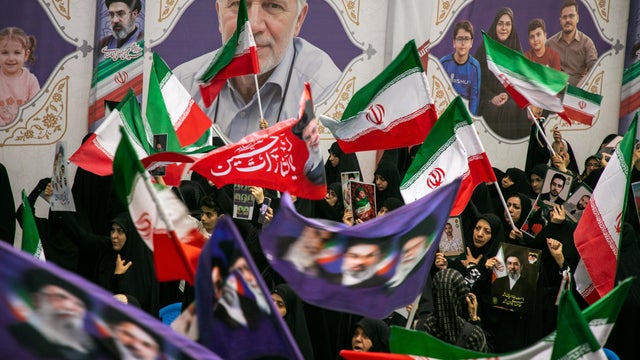
As Iran accuses the U.S. of a "grave violation" of the fragile ceasefire, Rubio says a deal is still possible despite the latest clash.
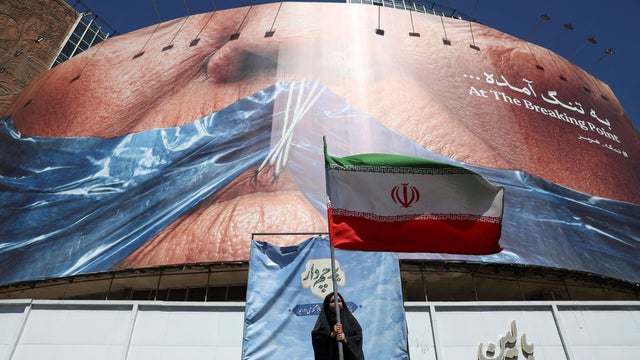
As the Trump administration signals hope for a possible deal, Iran says obstacles linger and that "frequent changes" in U.S. positions aren't helping.
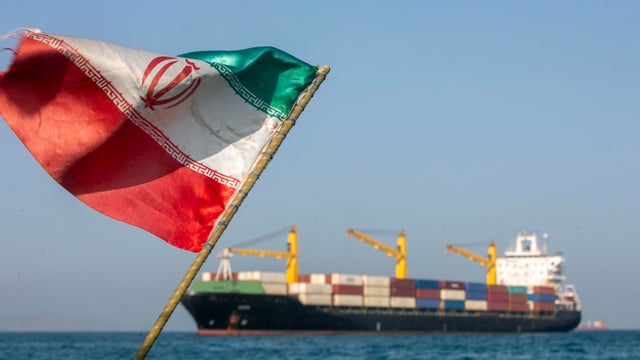
There is broad commitment on the principles of a deal, a senior Trump administration official said, and the administration feels positive about where things stand.
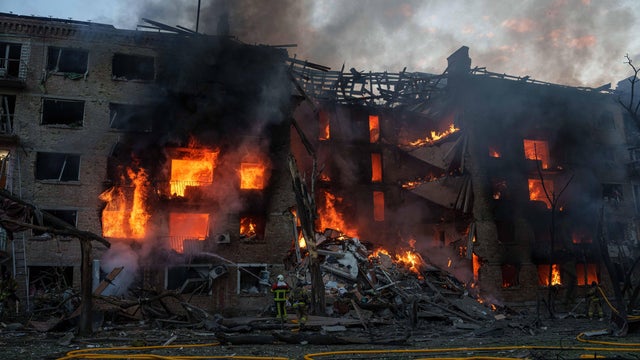
Russia used a powerful hypersonic missile that has nuclear capabilities to carry out a massive attack Sunday in Kyiv, Ukraine.