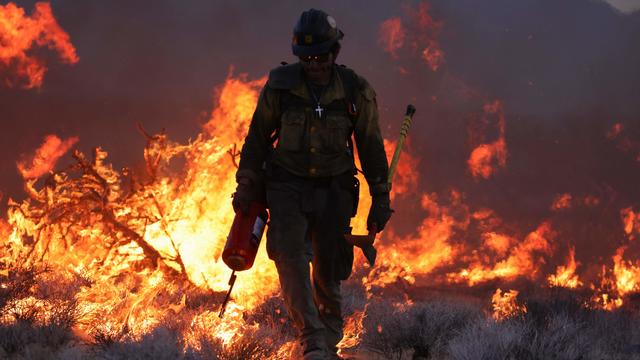
"Fire whirls" are spewing from massive wildfire raging in the West
Fire whirls are spinning columns of fire that can grow to be "several hundred feet in height."
Watch CBS News
Fire whirls are spinning columns of fire that can grow to be "several hundred feet in height."
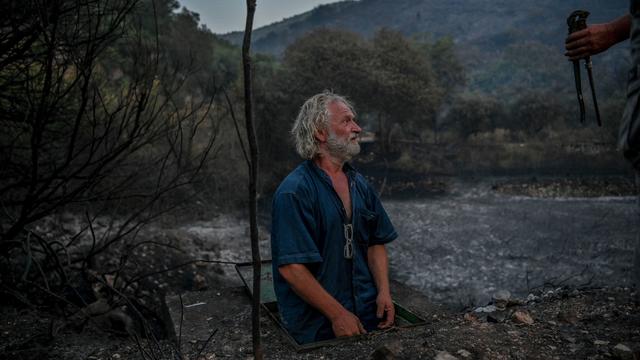
The wildfires in Greece spiked on July 17, and have since spewed more carbon than wildfires have in the country in two decades.
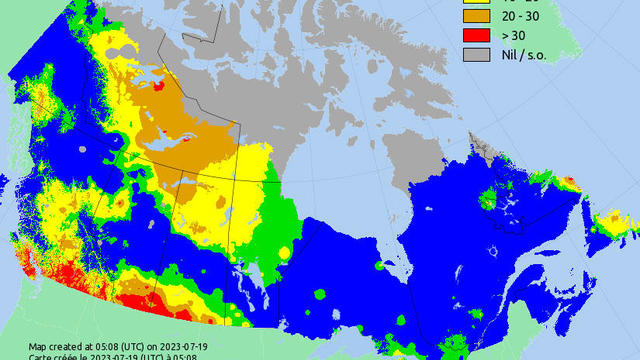
Over 27 million acres of land have burned across Canada since the start of the 2023, marking the country's worst wildfire season on record.
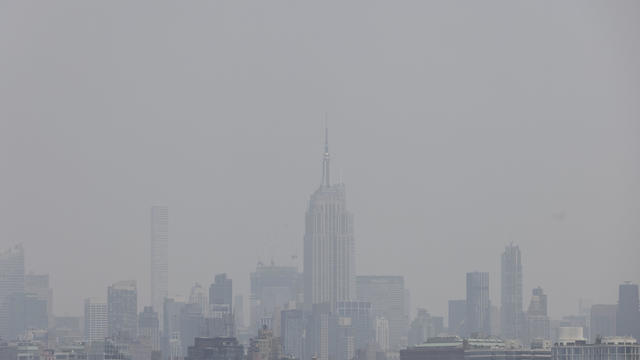
As wildfires rage in eastern Canada, strong winds are pushing thick plumes of smoke over the border and into the United States.
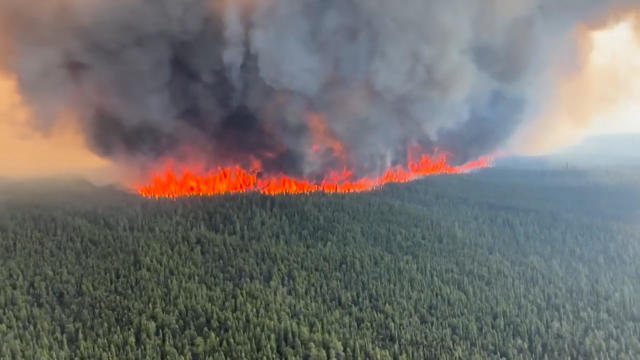
The fires, which are still burning, have brought smoke and hazardous air quality to millions of Americans.
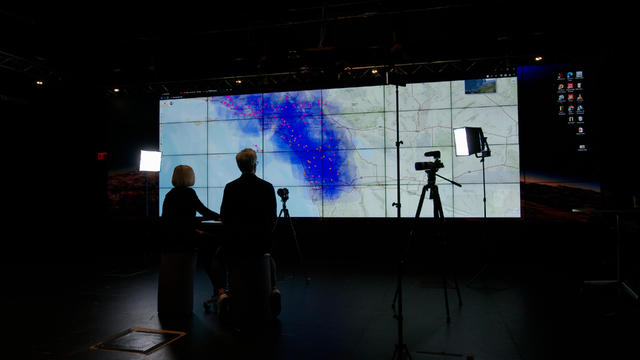
As more people across the country are seeing the impact of wildfires and smoke, scientists are turning to the promise of big data, technology and collaboration to keep big fires from spreading.
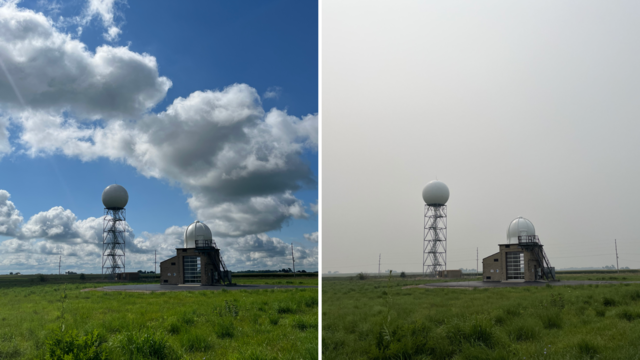
Officials have posted air quality alerts for several states stretching from Ohio to Montana because of smoke blowing in from Canadian wildfires.
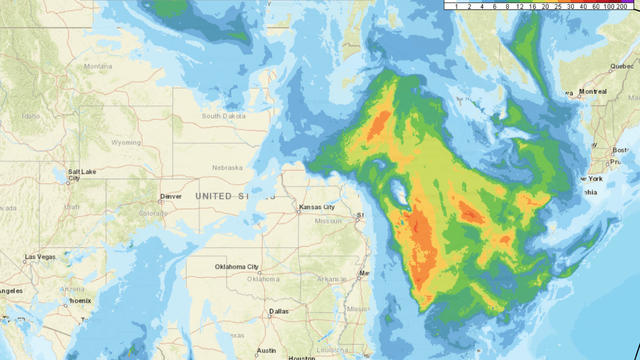
Smoke from the wildfires raging in Canada in 2023 have affected parts of the U.S. and even traveled across the Atlantic to Europe. Here is the expected forecast for the smoke.
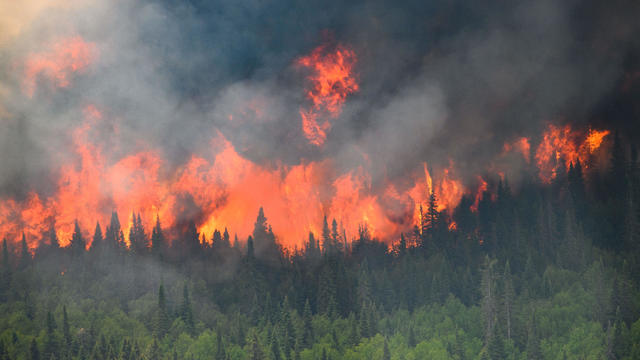
Wildfires in Canada have been raging for weeks and there are 500 fires burning in the country, the vast majority uncontrolled.
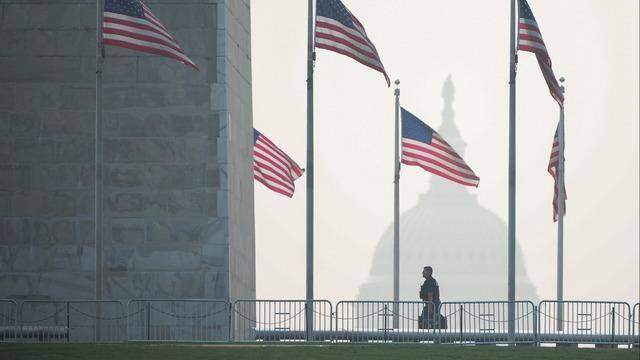
Washington, D.C. on Thursday had some of the most polluted air in the world. More than 100 million Americans are under air quality alerts as smoke from Canadian wildfires continues to grip the U.S. CBS News congressional correspondent Scott MacFarlane has the latest on the thick haze in the nation's capital.

Wildfire smoke from Canada has been drifting into parts of the U.S. this week -- affecting cities like Chicago, Pittsburgh, Detroit and Milwaukee. Recent studies cited by the American Academy of Dermatology found smoke like this is associated with an increase in visits for skin conditions like eczema and psoriasis. New York-based dermatologist Dr. Shayan Cheraghlou joins CBS News to discuss how air pollution interacts with the skin and what can people do to protect their skin from smoke.

Experts say those with compromised skin barriers should be especially vigilant.

Poor air quality due to wildfires can be dangerous for pets both indoors and outdoors. Experts are sharing safety and health tips.
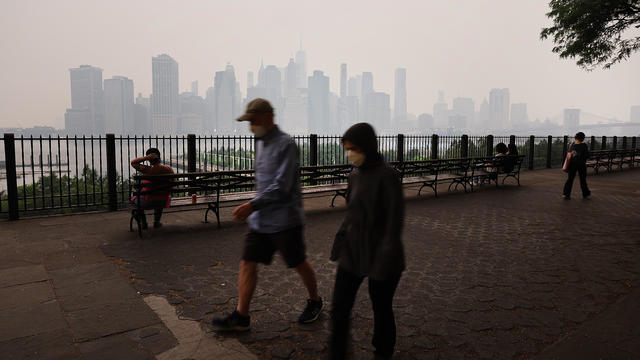
Here's what to know about the health effects of wildfire smoke as it continues to infiltrate the U.S.
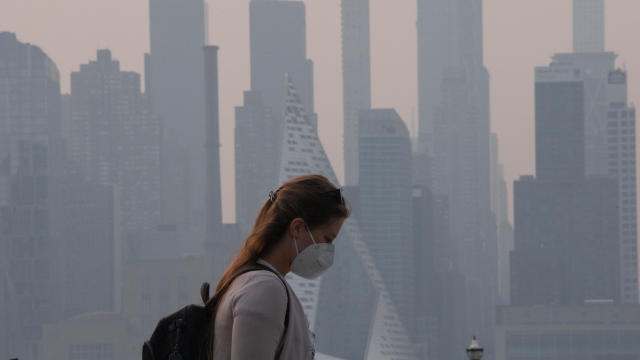
Does a mask help with air pollution? Here's how to protect yourself from wildfire smoke as Canadian wildfires cause poor air quality in parts of the U.S.
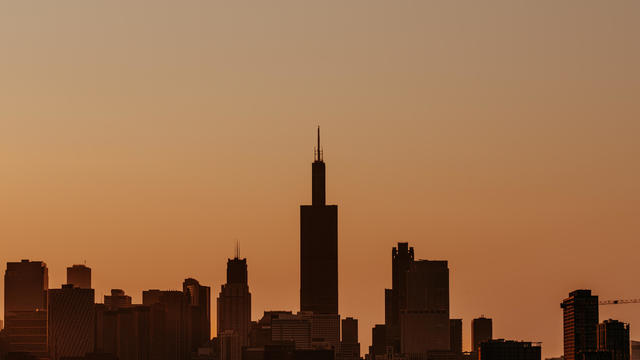
Midwestern cities struggled with air quality in the purple or "very unhealthy" zone.
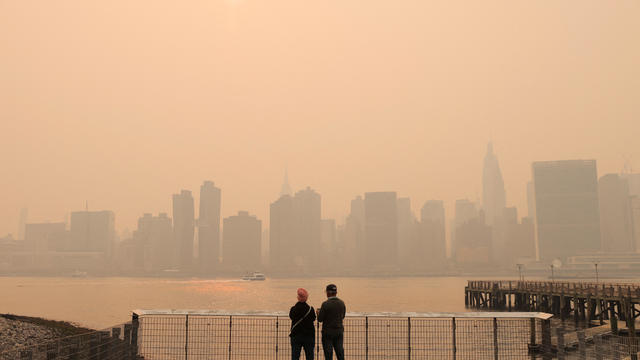
The first six weeks of Canada's 2023 wildfire season put it on track to be its most destructive in history.
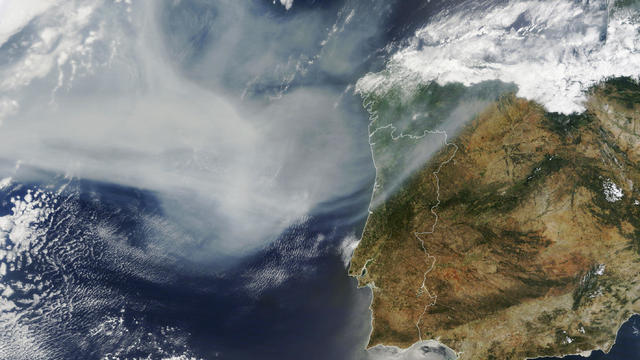
As of Monday, there were 493 active Canadian wildfires that have burned more than 19 million acres of land.
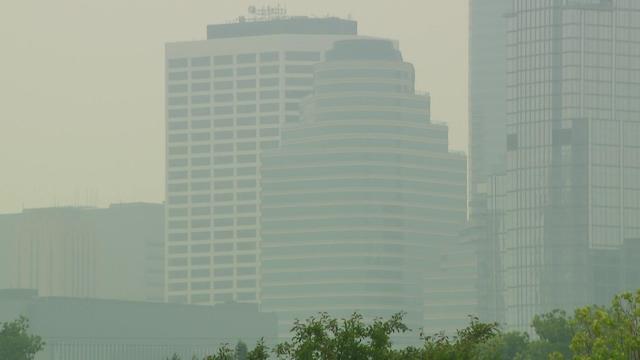
In Minnesota's Twin Cities, the AQI was the worst it had been since the state began keeping records in 1980.
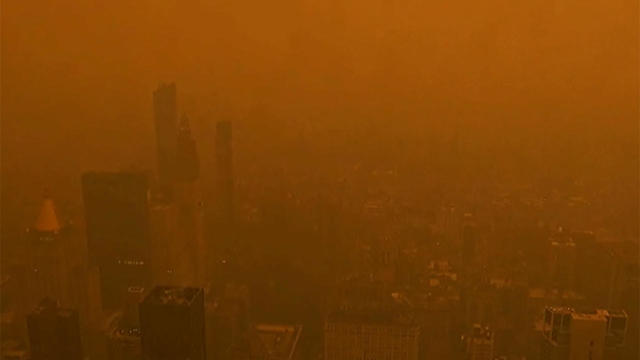
There are anomalies that help explain why smoke from 400 Canadian wildfires is causing such havoc in the United States. Climate and health scientist Vijay Limaye, of the Natural Resources Defense Council, explains why this may be a sign of things to come.
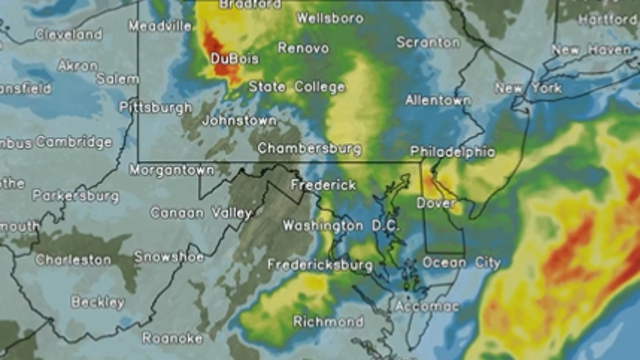
Many areas on Friday were seeing improvement from earlier in the week when they were shrouded in an orange, hazardous haze.

While the orange haze has seemingly moved out of New York City, many people are still at risk of experiencing health issues from the remaining pollution.
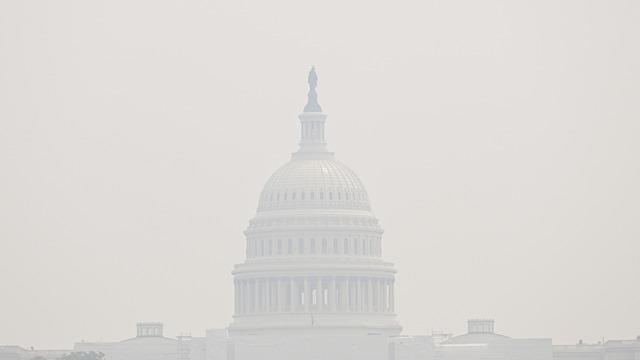
Millions of Americans spent a second day Thursday under a veil of smoke from wildfires burning in Canada. The smoke was so thick in New York City Wednesday the air quality blew well past what is considered hazardous. CBS News correspondent Christina Ruffini reports from Arlington, Virginia, where the air is now sweeping through.
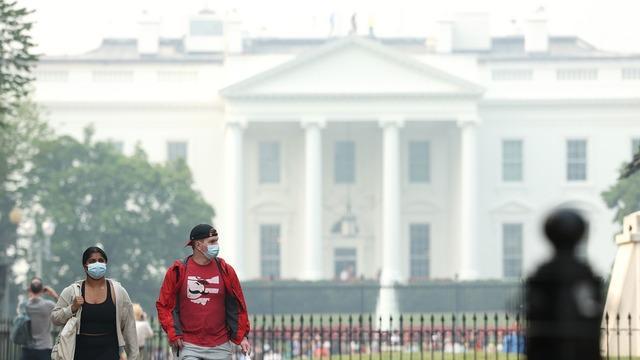
Smoke from Canadian wildfires is causing severe issues up and down the East Coast of the United States. The air quality in the nation's capital is at a very unhealthy level and it is expected to change over the course of the day. CBS News correspondent Christina Ruffini has more.
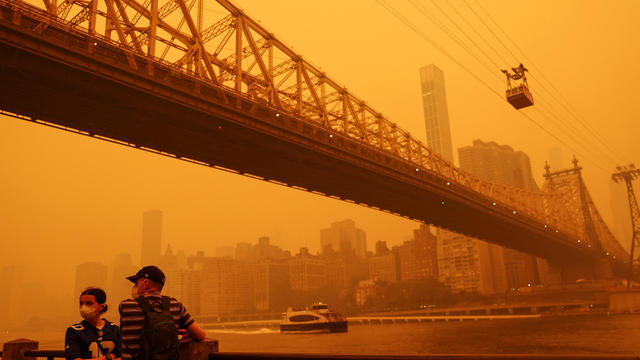
Forecasts suggest hazy skies and reduced air quality will persist across the Northeast and into the Midwest for at least a few more days.