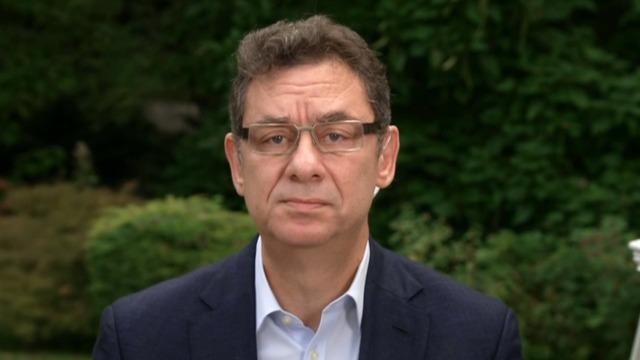
Transcript: Pfizer CEO Albert Bourla on "Face the Nation"
The following is a transcript of an interview with Pfizer CEO Dr. Albert Bourla that aired Sunday, September 13, 2020, on "Face the Nation."
Watch CBS News
The following is a transcript of an interview with Pfizer CEO Dr. Albert Bourla that aired Sunday, September 13, 2020, on "Face the Nation."
Albert Bourla says the drugmaker has manufactured hundreds of thousands of doses.
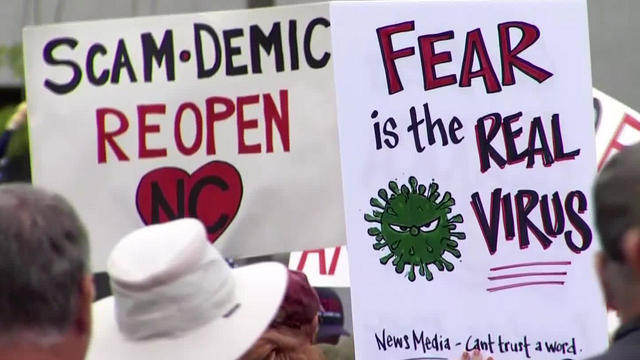
Almost since news of the pandemic first broke, politics became the lens through which many Americans, and our government, took the coronavirus seriously, or not
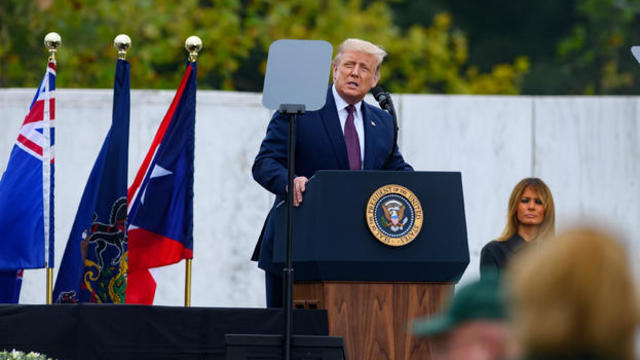
President Trump delivered a speech in Pennsylvania today honoring the victims of the September 11th terrorist attacks. CBS News White House correspondent Paula Reid joins CBSN to recap his remarks and talk about some of the latest news from Washington.
Experts say the FDA has a rigorous process for vetting any COVID-19 treatment, though there is a loophole.
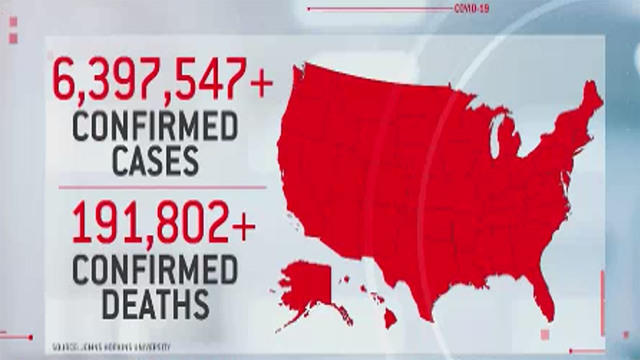
Today marks six months since the World Health Organization declared the coronavirus outbreak a global pandemic. Dr. Bob Lahita joined CBSN to walk us through what we can expect in the months ahead as the race for a vaccine intensifies with the flu season around the corner.
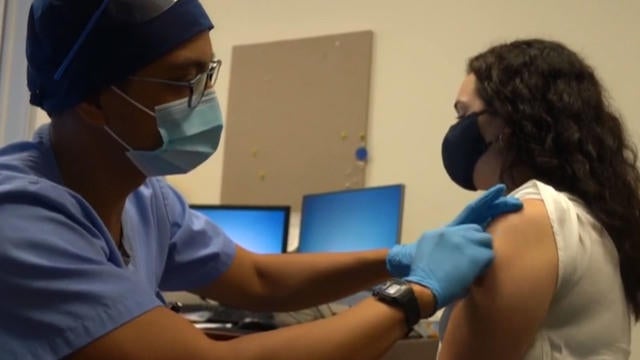
Researchers say not enough minorities are taking part in clinical trials for coronavirus vaccines, even as minority groups are affected at much higher rates. Adriana Diaz reports.
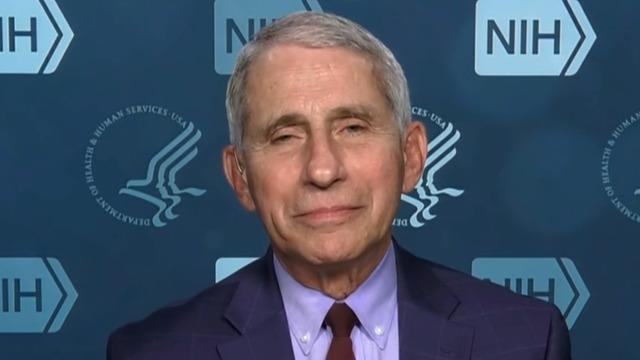
Dr. Anthony Fauci, the nation's leading infectious diseases expert, discusses new developments in the race for a COVID-19 vaccine.
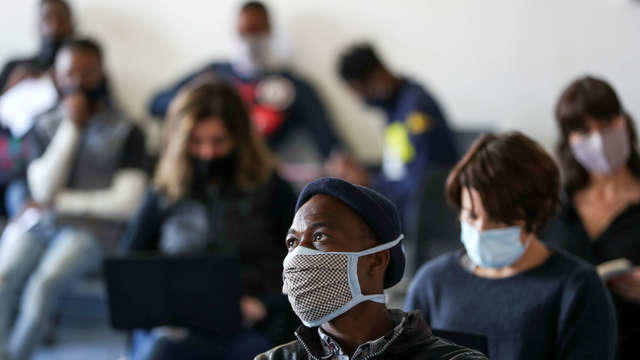
British drug company AstraZeneca says it still expects to know the efficacy of its coronavirus vaccine by the end of 2020, provided trials can resume promptly. Plus, the Trump administration reportedly considers ending some airport health screenings, and New York City allows limited indoor dining for the first time in more than six months. Internal medicine physician Dr. Shoshana Ungerleider joins CBSN to talk about the latest news on the pandemic.
AstraZeneca announced it is pausing its phase 3 trial of a possible COVID-19 vaccine after one participant came down with an unexplained illness. Dr. Matthew Heinz joins CBSN for a closer look at what this means, plus the special concerns surrounding the coming flu season and when people should get their flu shots.
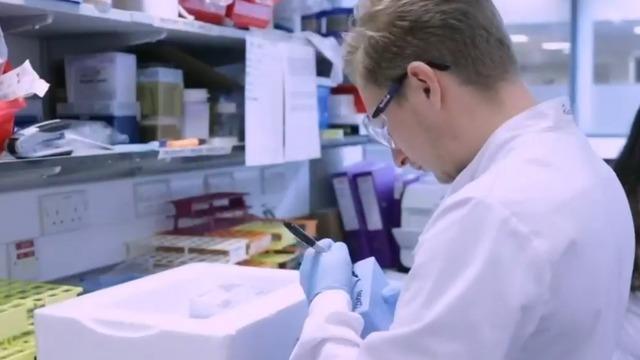
Many top scientists say a coronavirus vaccine could be ready before the end of the year, and President Trump has even said it could happen by Election Day. But it's a very challenging process CBS News' Natalie Brand reports on the latest developments, and Elaine Quijano of CBSN's "Red & Blue" discussed that deadline and how scientists conduct clinical trials with Dr. Wilbur Chen, associate professor of medicine at the University of Maryland, and chief of the Adult Clinical Studies Section within the Center for Vaccine Development and Global Health.
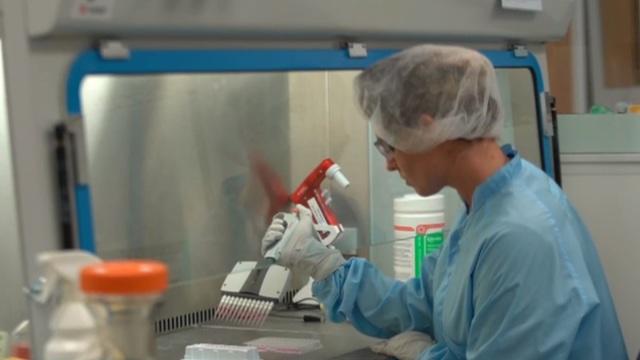
AstraZeneca abruptly halted its coronavirus vaccine trial after a participant developed neurological symptoms, but it's not yet known whether it was caused by the vaccine. Nikki Battiste reports.
Fauci stuck by his earlier projection that the safety and effectiveness of a vaccine will be known by the end of the year.
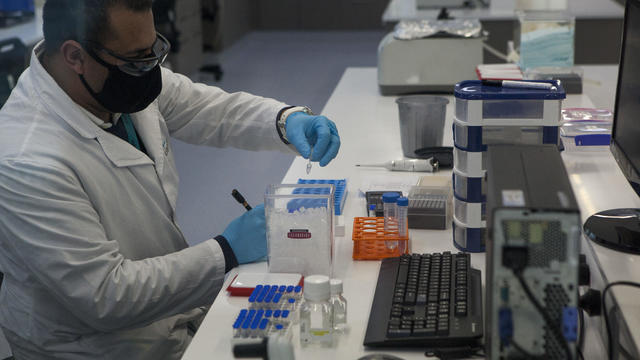
"This is a routine action which has to happen whenever there is a potentially unexplained illness in one of the trials," an AstraZeneca spokesperson said.
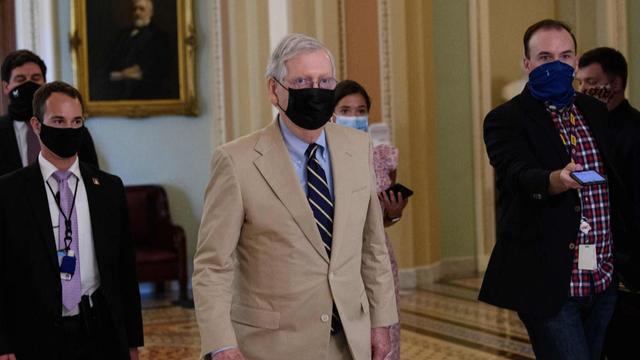
Senate returns but remains apart on relief bill; Examining child poverty during the pandemic
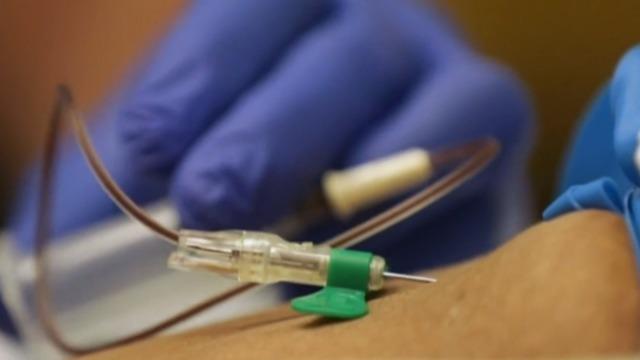
The CEOs of nine drugmakers vowed not to seek approval for coronavirus vaccines until they're proved safe and effective. Meanwhile, AstraZeneca paused its closely-watched vaccine trial after one participant developed a possible adverse reaction. Adriana Diaz has the details.
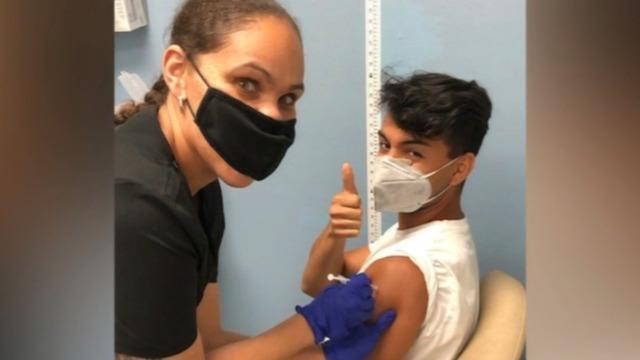
Oxford University, in partnership with AstraZeneca, started testing the first U.S. volunteers as part of its phase three COVID-19 vaccine trial. CBS News chief medical correspondent Dr. Jon LaPook joins "CBS This Morning" with an exclusive interview with an American in the Oxford-AstraZeneca vaccine trial.
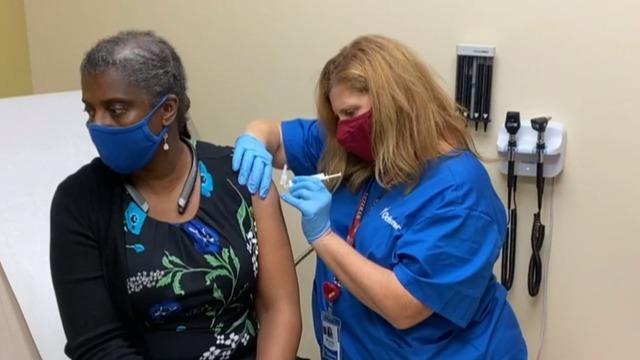
Joint pledge from nine drugmakers comes as the Trump administration is pushing for a coronavirus vaccine this fall.
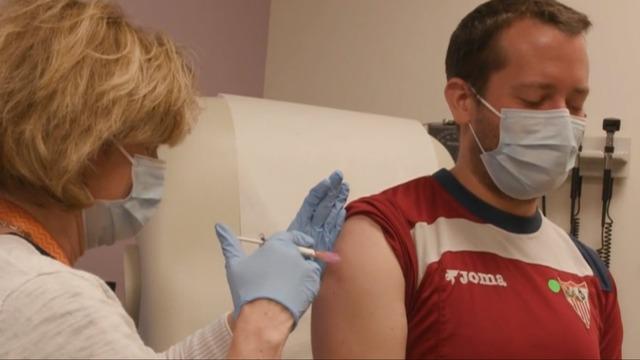
Health experts say the public needs a coronavirus vaccine as soon as possible, but it needs to be tested thoroughly enough to ensure its safety. David Begnaud reports.
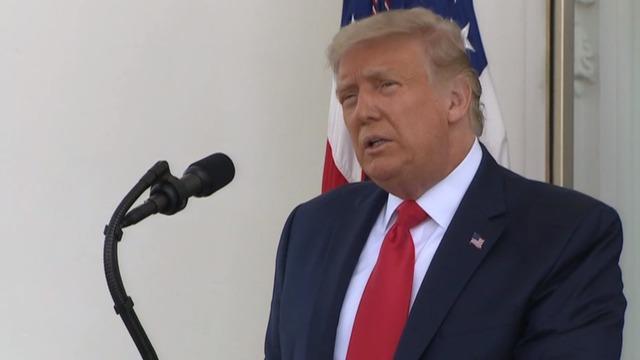
With just 56 days until Election Day, President Trump and former Vice President Joe Biden sparred over vaccines and the military. Paula Reid reports from the White House.
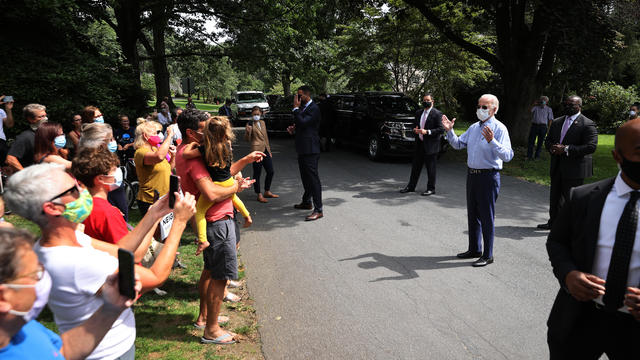
Only about a fifth of voters nationwide say they'd get a vaccine as soon as possible if one were available at no cost.
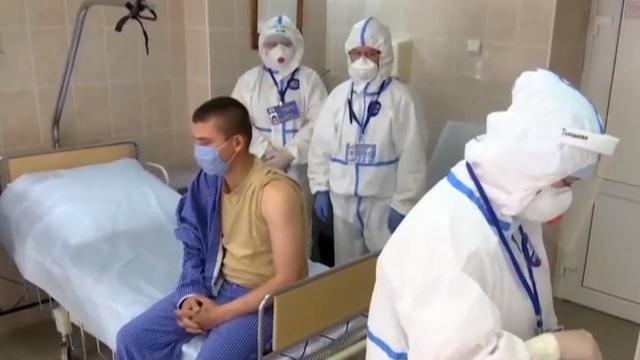
As Russia makes plans to begin testing its coronavirus vaccine on tens of thousands of volunteers, several European countries are reporting a surge of new COVID-19 cases. Charlie D'Agata has details.
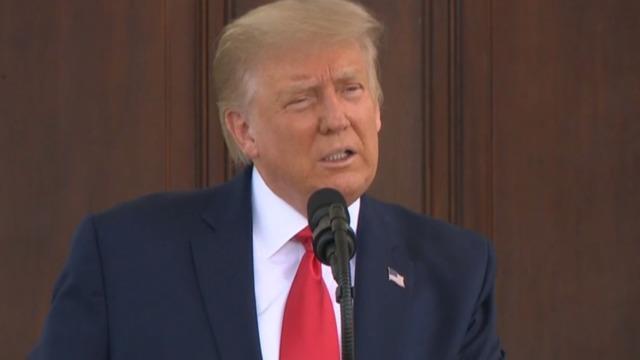
President Trump predicted a coronavirus vaccine could arrive just in time for Election Day, even though those working on the government's vaccine efforts have said that's unlikely. Ben Tracy reports.
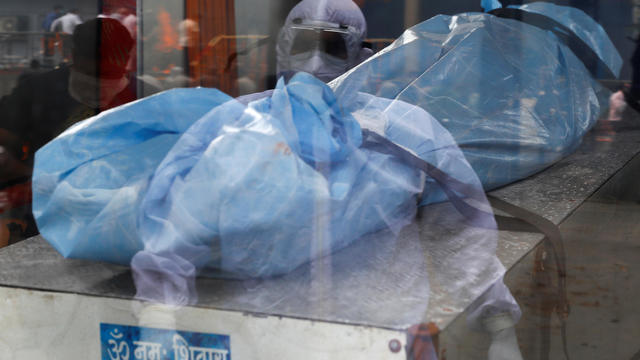
One public health expert says low testing numbers are hiding the true scale of India's epidemic, as the government prioritizes business over schooling.
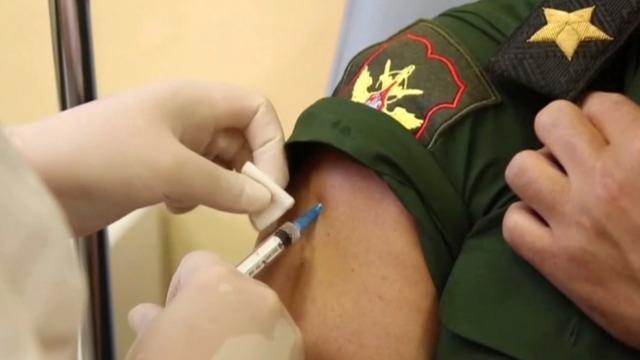
CBS News senior foreign correspondent Elizabeth Palmer reports on the overseas impact of COVID-19.