Job market disconnect raises concerns over economic recovery
Federal labor data show that millions of job vacancies are going unfilled. Analysts say that could slow the recovery.
Watch CBS News
Federal labor data show that millions of job vacancies are going unfilled. Analysts say that could slow the recovery.

Some 332,000 U.S. workers applied for unemployment last week as the Delta variant and hurricanes weighed on labor market.

New data estimates that 9.1 million Americans lost financial assistance after Congress' expansion of the federal relief program expired on Labor Day. CBS News MoneyWatch reporter Aimee Picchi joins CBSN AM with more details on that plus the stagnant minimum wage.
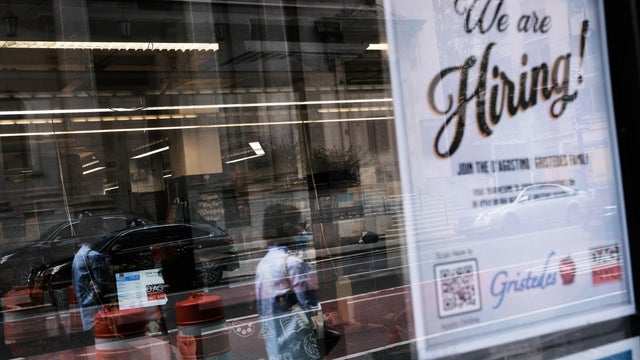
Some 310,000 people applied for first-time jobless aid last week, the lowest number since the pandemic began.
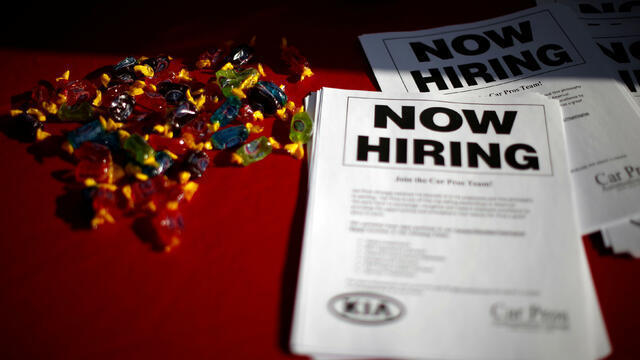
U.S. job openings hit a record high in July with nearly 11 million. Meanwhile, around 8.4 million people remain unemployed, creating a labor gap as the economy tries to get back on track. Heather Long, economics correspondent for The Washington Post, joins CBSN to discuss.
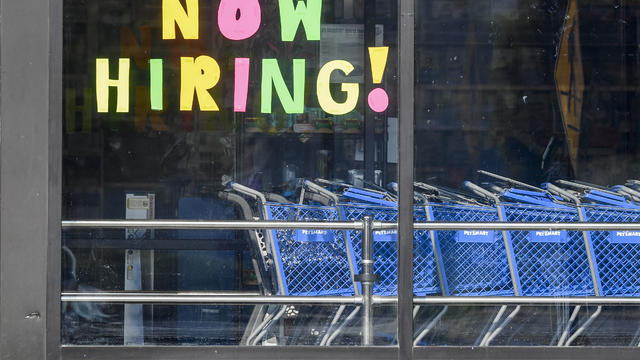
The disconnect between job openings and the ranks of the unemployed is something of a "big mystery," one economist says.
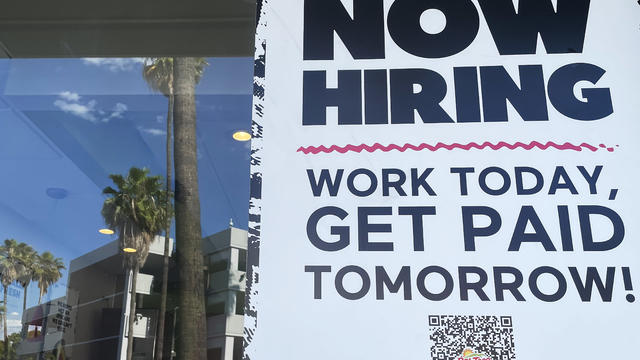
"Once that last check comes, that will be devastating," said one woman whose benefits expire on September 6.
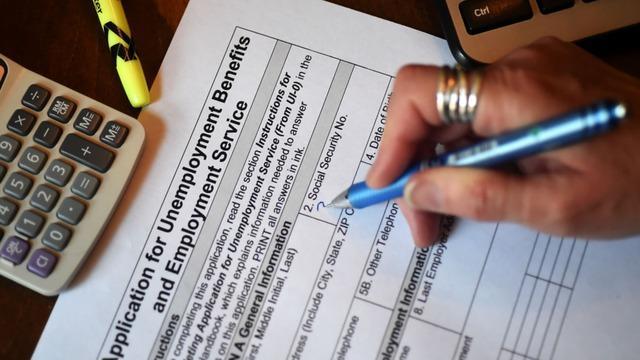
At least 7.5 million Americans are estimated to lose federal unemployment benefits as emergency programs expire. CBS News reporter Sarah Ewall-Wice, who covers economic policy, joins CBSN to discuss.
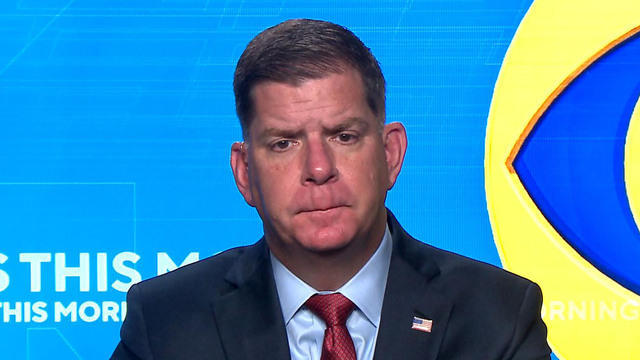
On this Labor Day, Labor Secretary Marty Walsh joins "CBS This Morning" to discuss the job market during the pandemic, and the end of federal COVID relief unemployment benefits, which have been aiding millions of jobless Americans.
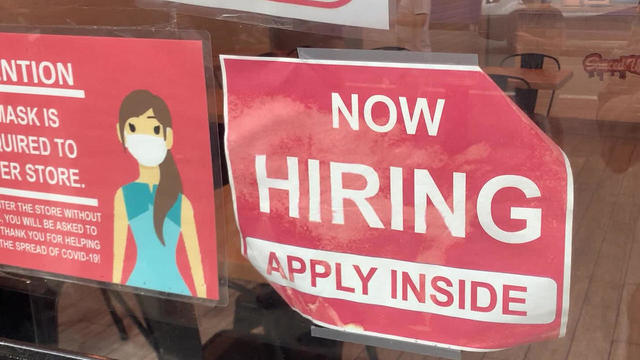
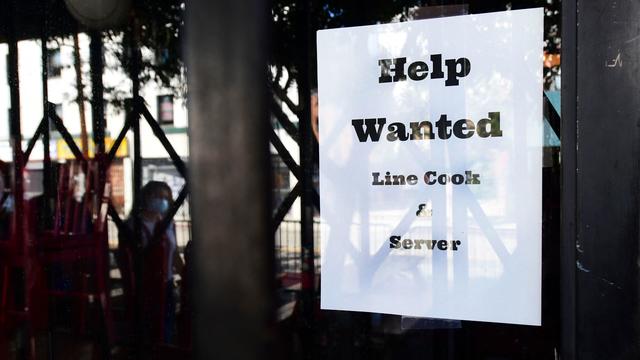
While customers are back in restaurants and other businesses around the country, many employees are not, creating job openings that few expected – and giving lower-wage workers a rare chance to pursue a new, better-paying career.
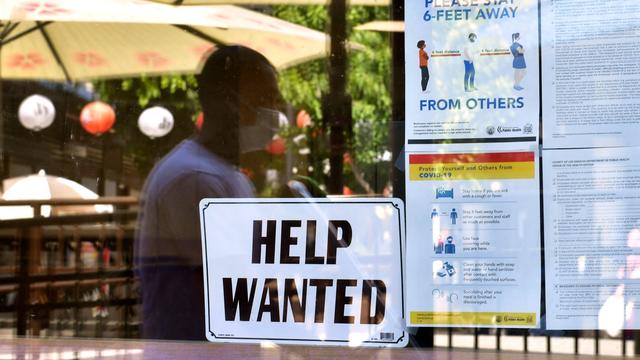
Employers added only 235,000 jobs last month, a sign the Delta variant is weighing on the labor market.
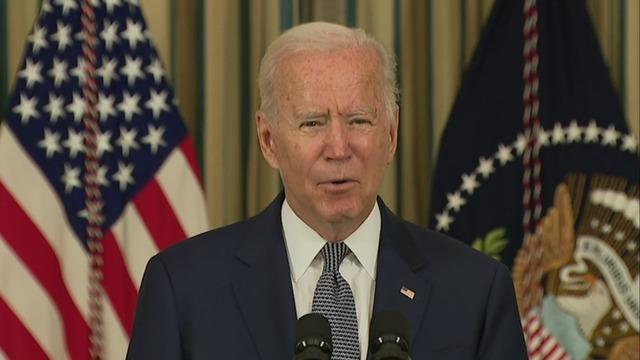
President Biden is blaming the rapid spread of the COVID-19 Delta variant for the disappointing jobs numbers in August. The release of the jobs report comes as the president taps former Delaware governor Jack Markell as his administration's new Afghan refugee resettlement czar. CBS News senior White House and political correspondent Ed O'Keefe joins CBSN with details.
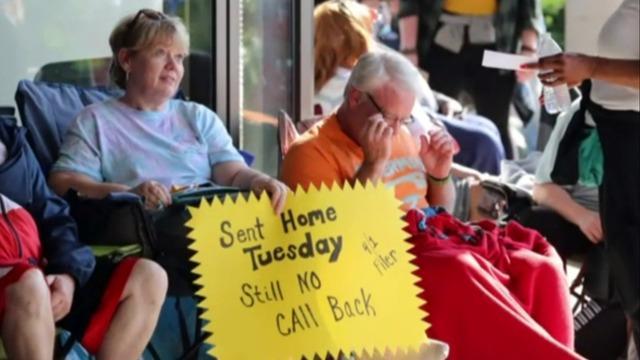
New Labor Department data shows U.S. hiring significantly slowed in August, just days before millions of Americans are set to lose pandemic unemployment aid. Sarah Ewall-Wice, who covers economic policy for CBS News, spoke to CBSN's Christina Ruffini about what's driving the change.
Federal unemployment benefits will end September 6, leaving more than 7.5 million Americans without the aid. CBS News reporter Sarah Ewall-Wice joins CBSN's "Red & Blue" host Elaine Quijano to discuss what this means for the economy and the millions of people still out of work.
Yet while layoffs are easing, economists say the latest COVID-19 surge is weighing on job growth.
CBS News Business Analyst Jill Schlesinger explains why people are still unemployed and what those searching for a job should do.
Millions of people are sitting on the sidelines as COVID-19 cases surge, while small businesses are worried.
Jobless Americans who have been relying on pandemic unemployment benefits are about to lose access to those funds. The federal aid programs are set to expire September 6. CBS News MoneyWatch reporter Aimee Picchi joins CBSN's Lana Zak to explain.
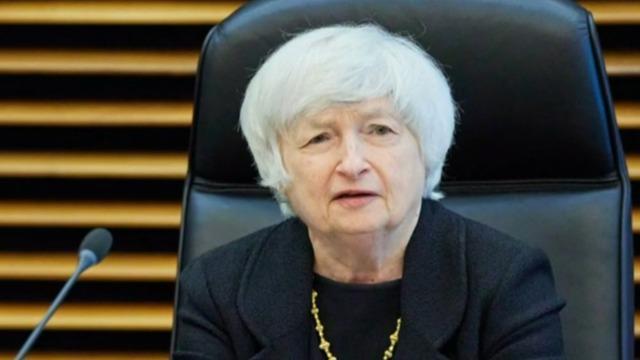
Treasury Secretary Janet Yellen and Labor Secretary Marty Walsh said in a letter that President Joe Biden wants Congress to include unemployment reform in the budget reconciliation process.
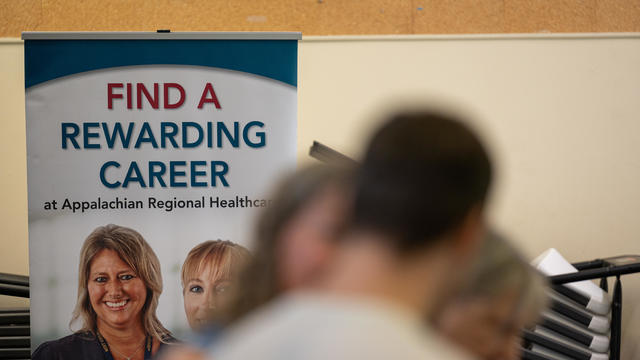
Some 348,000 people filed new claims for jobless aid last week, with economists expecting further labor market gains.
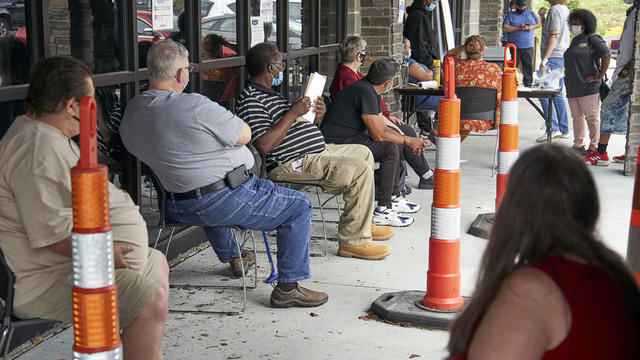
A family of six is scared they’ll be homeless after Iowa was one of several states to cut extended unemployment benefits. Last April, the husband and wife were fired from their jobs after following doctor's recommendation to quarantine due to an underlying condition. Mark Strassmann reports.
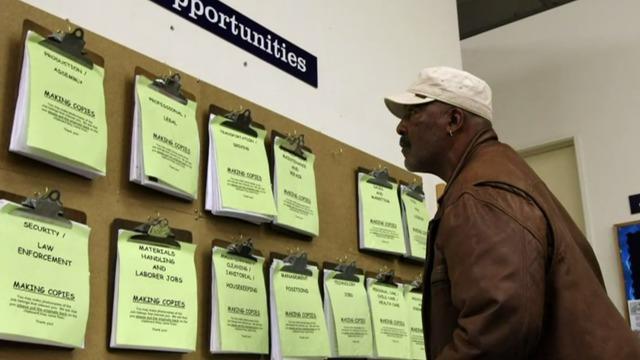
375,000 people filed first-time unemployment during the week ending August 7, a sign that the economy is strengthening. Mark Hamrick, senior economic analyst for BankRate, joins CBSN's Tanya Rivero to discuss what the numbers mean.
So far, the job market appears unaffected by the rapidly spreading Delta variant — but clouds are gathering.
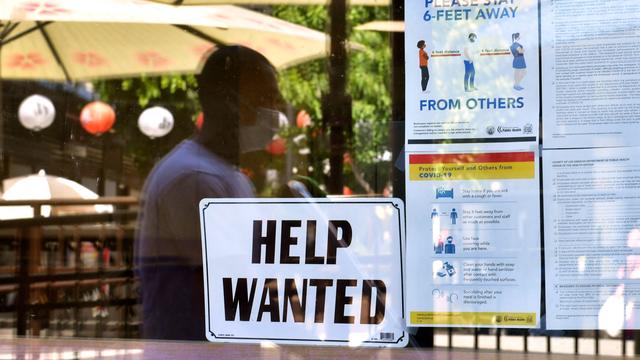
As the labor market recovers from the pandemic, workers are in the driver's set — for now, at least.
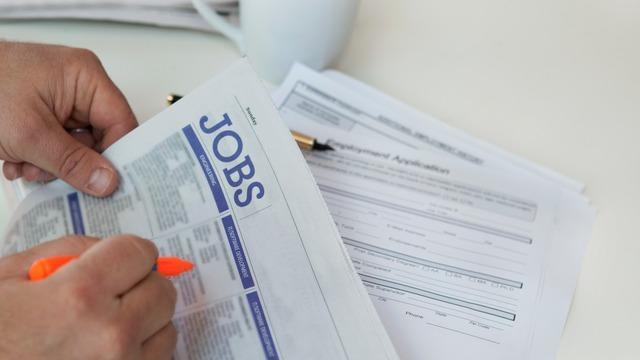
About 4.2 million gig workers receiving Pandemic Unemployment Assistance will lose their benefits after September 6, according to analysis from the Century Foundation. Gig workers are typically considered self-employed and don't usually qualify for traditional unemployment aid. CBS MoneyWatch reporter Aimee Picchi joined CBSN's Elaine Quijano to discuss.