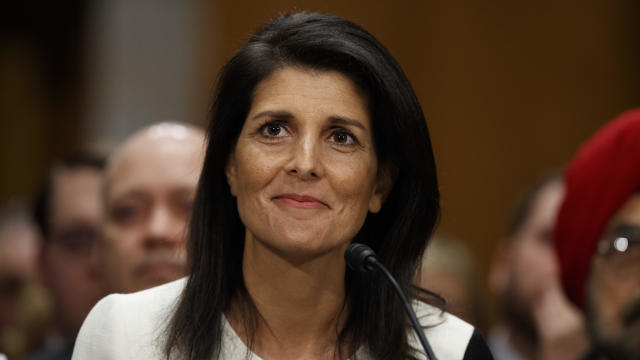
Haley says Russia sanctions over Ukraine will continue
Haley, the newly instated U.S. ambassador to the United Nations, criticized Russia at her first appearance on the U.N. Security Council
Watch CBS News
Haley, the newly instated U.S. ambassador to the United Nations, criticized Russia at her first appearance on the U.N. Security Council
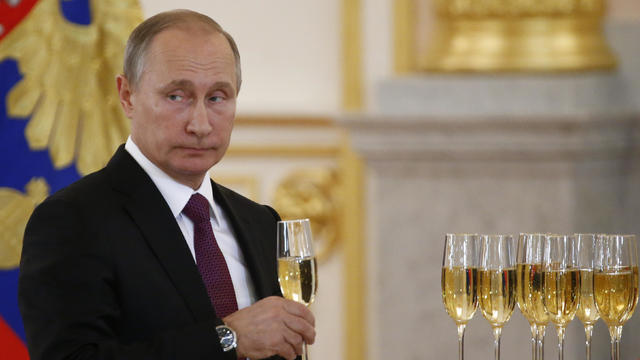
Defense Minister Michael Fallon warns Russian leader bent on dragging U.S. and Europe into "post-truth age"
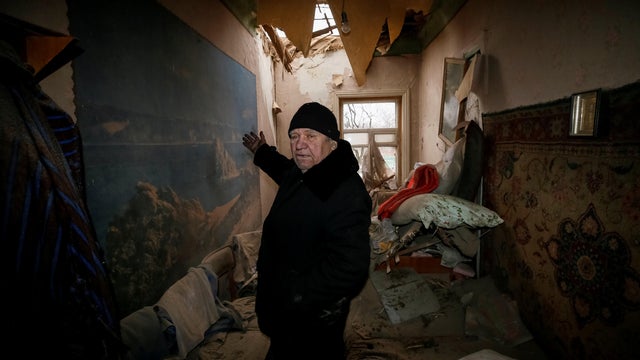
Shelling appeared to intensify after nightfall on Thursday and both sides reported civilian deaths
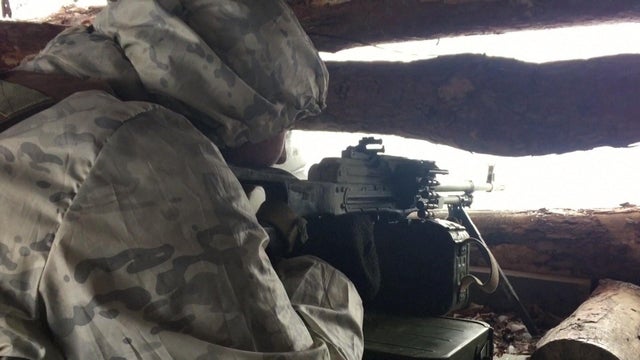
On Ukraine’s frozen battlefield, government forces and separatists are fighting once again
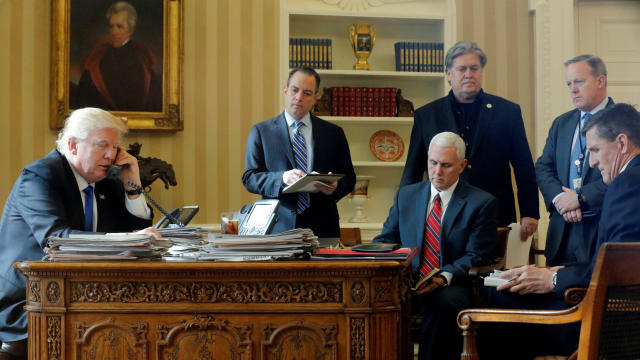
This comes a few days after Trump spoke to Vladimir Putin by phone
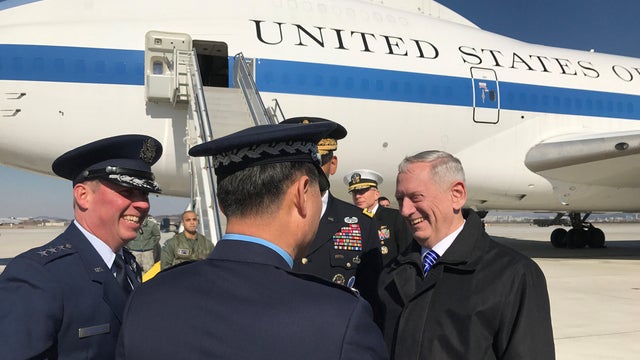
The new Pentagon chief says his Seoul meetings will include discussion of deploying the U.S. missile defense system known as THAAD
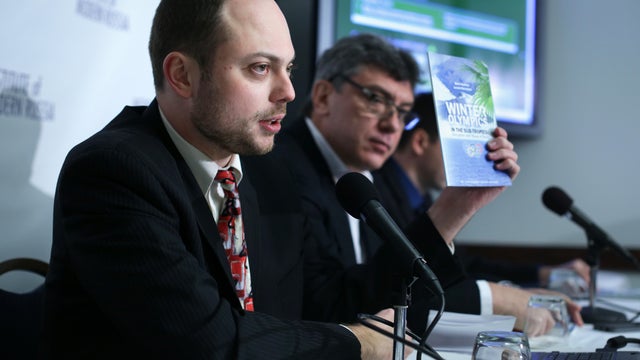
After fatal poisoning of defector and opposition figures' mysterious deaths, there are fears journalist has been poisoned a 2nd time

At least 10 killed this week in fighting between Russian-backed rebels, Ukrainian forces, as both sides wait for U.S. reaction
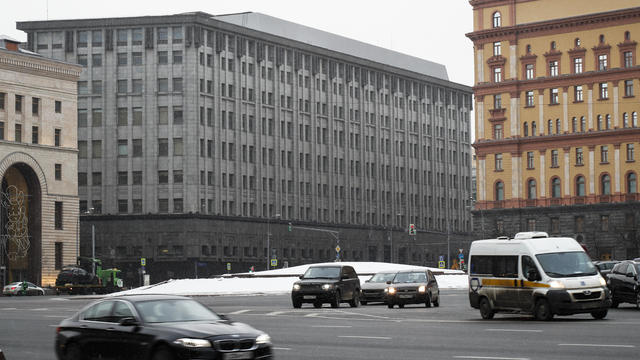
3 from Federal Security Service and exec. of major cybersecurity company accused of handing state secrets over to U.S.
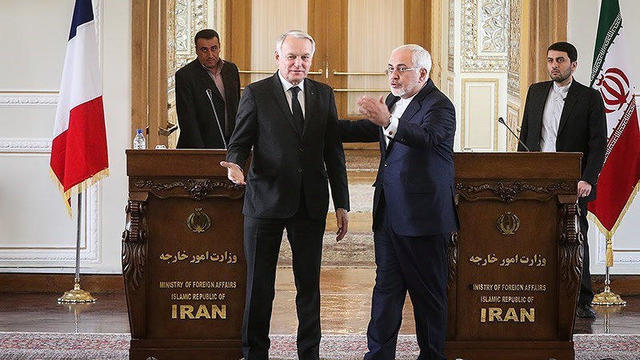
Russia also won't say Tehran tested a ballistic missile, as claimed by U.S., but Moscow also thinks it wouldn't be a problem
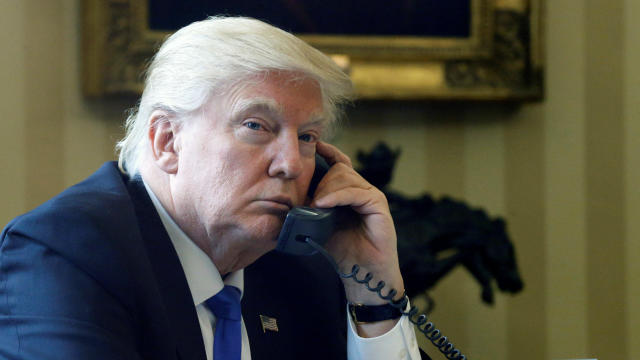
President speaks with Germany's Angela Merkel, Japan's Shinzo Abe in series of diplomatic phone calls
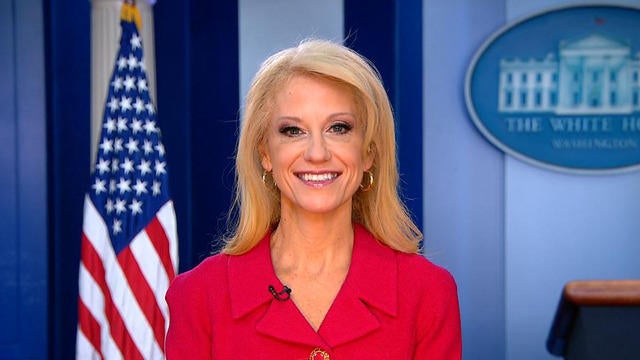
Kellyanne Conway discusses Mr. Trump's plan to have Mexico pay for a border wall, his upcoming call with Putin, and potential Supreme Court picks
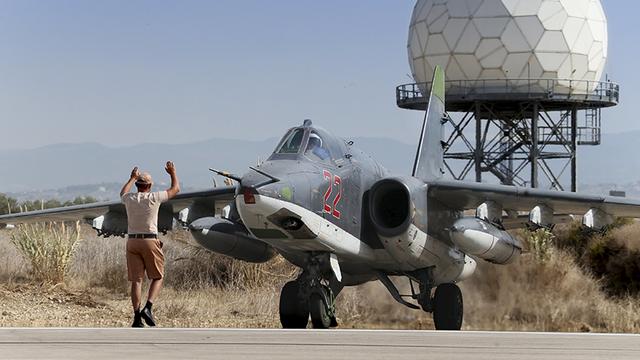
As Mr. Trump orders a plan for "safe zones" in war-torn country, Moscow says it must "calculate all possible consequences"
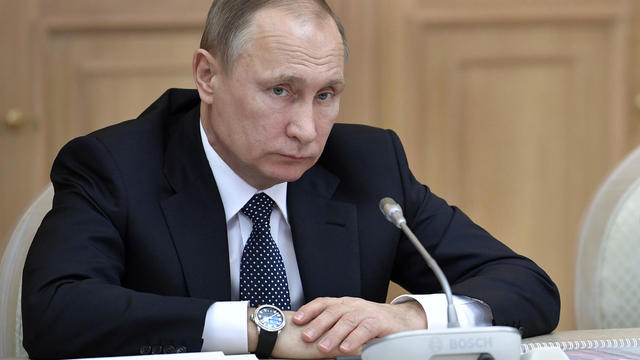
"We know that Trump is considered a master of the deal but Vladimir Putin knows how to make deals, too," advises Moscow
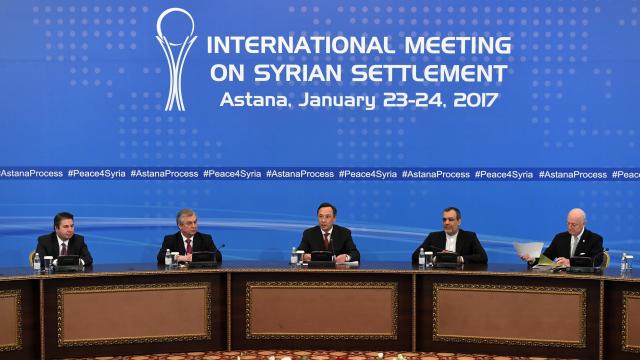
Russia, Turkey and Iran commit to use "their influence over the parties" to keep ceasefire alive so peace talks can continue next month
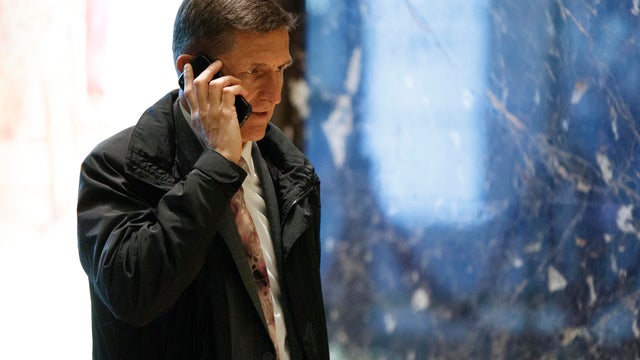
National Security Adviser Michael Flynn scrutinized for his contact with Russia and the scope of the investigation seems to be expanding
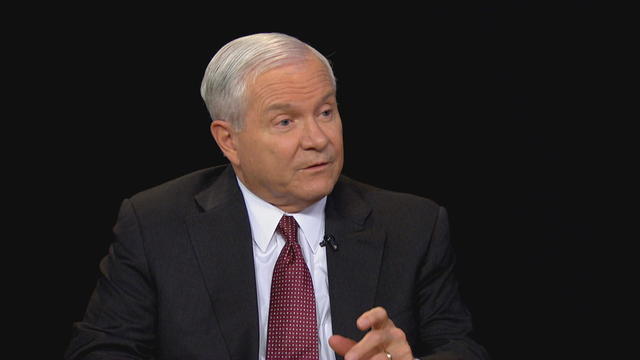
The former CIA director and defense secretary was highly critical of the president during the campaign
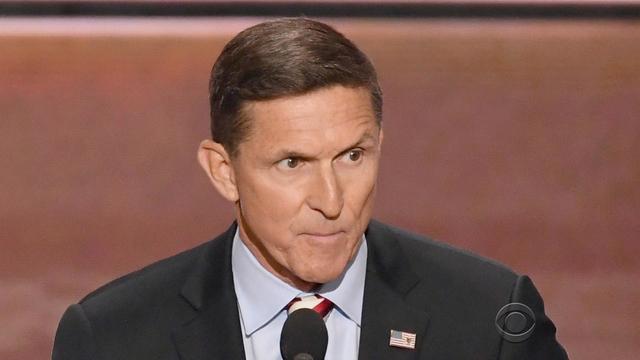
U.S. investigators have been looking into at least one phone call between retired Gen. Michael Flynn and Sergey Kislyak
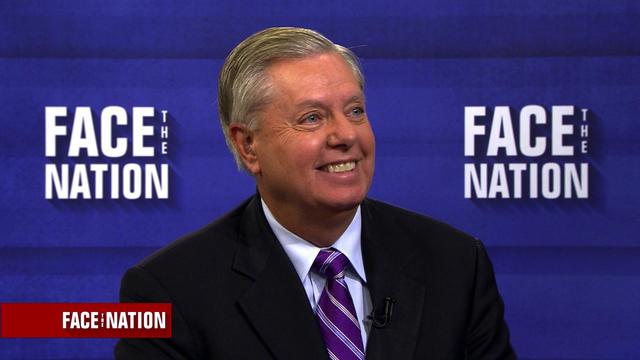
The GOP senator also delivered a message to the new president on "Face the Nation": "don't be weak" when it comes to Russia
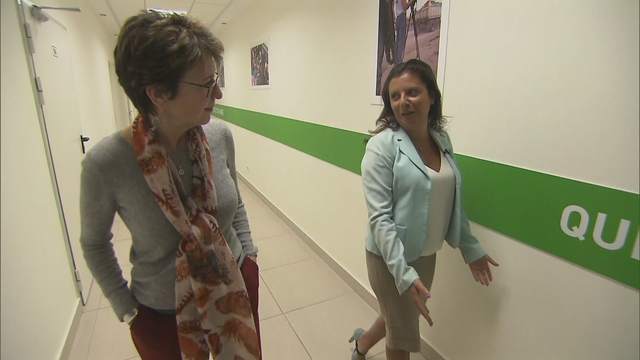
CBS News' Elizabeth Palmer sat down with the editor-in-chief of the Kremlin-funded news network
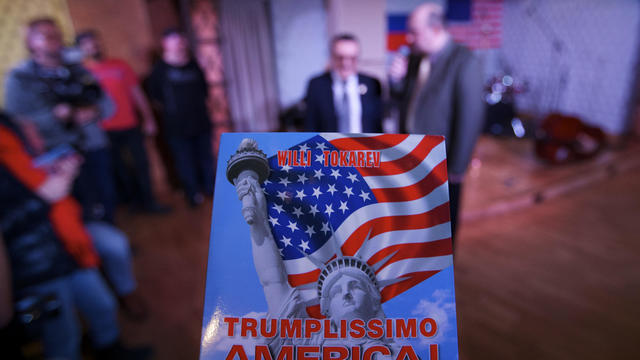
“It’s weird, but it’s great, and for the first time ever Russians are applauding the victory of a U.S. presidential candidate,” one analyst said
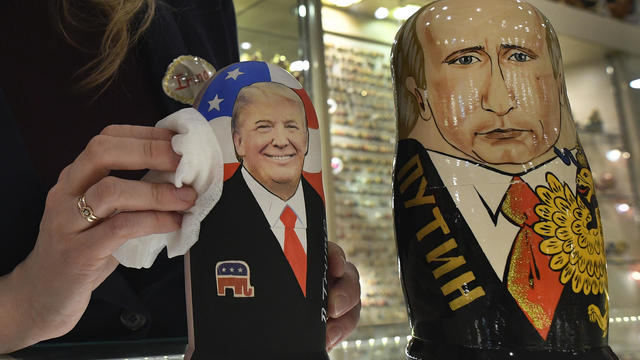
Russians express "hope that Trump and Putin will speak the same language, even though their positions may differ"
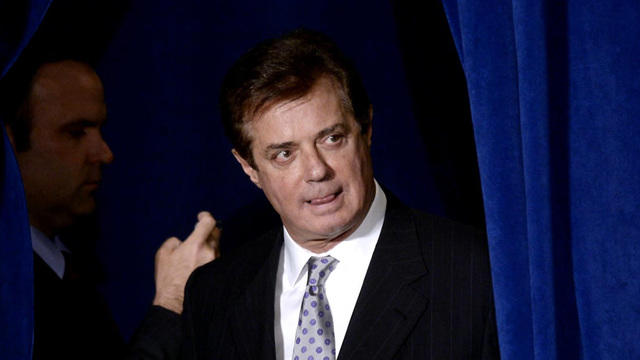
Trump former campaign chairman Paul Manafort is one of the associates included in the investigation
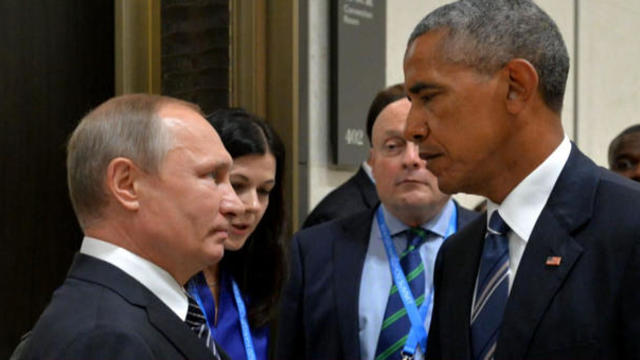
Cybersecurity expert Stuart McClure tells CBS News that who did the hacking is a less important question than how to stop the hacking
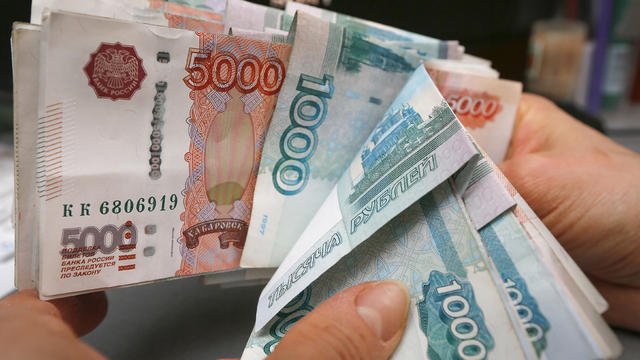
They’re hoping he'll ease economic sanctions and encourage more American investment in their country