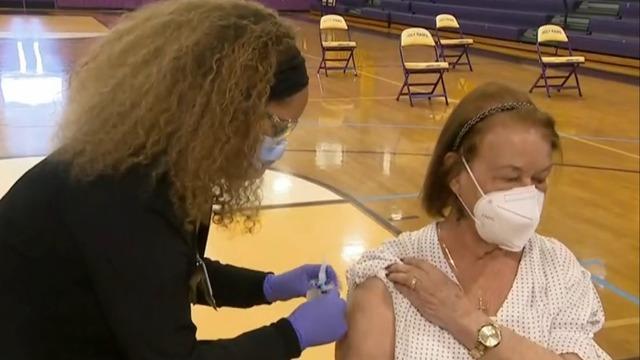
U.S. braces for arrival of Omicron variant
Researchers are racing to analyze the new Omicron variant and the strength of the arsenal to fight it as cases spread across the world. Errol Barnett has the details.
Watch CBS News
Researchers are racing to analyze the new Omicron variant and the strength of the arsenal to fight it as cases spread across the world. Errol Barnett has the details.
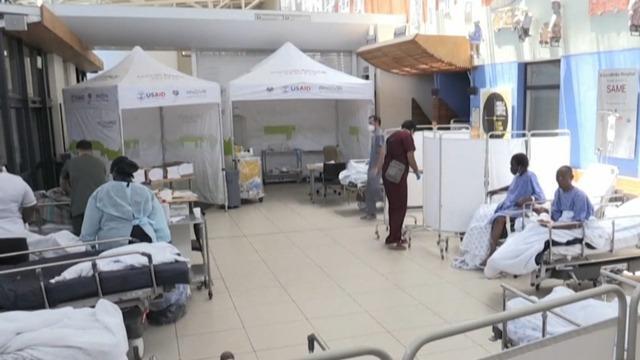
The Omicron variant of COVID-19 has been found in 20 countries so far. CBS news correspondent Errol Barnett reports on how U.S. officials are already preparing for the arrival of the new strain. Then, Dr. Marie-Elizabeth Ramas, a family medicine physician, joins CBSN to discuss protective measures against the variant and more.
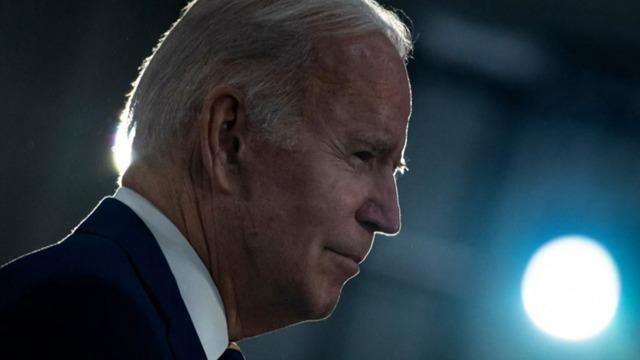
President Biden traveled to Minnesota Tuesday to highlight aspects of his $1 trillion infrastructure plan. Mr. Biden's trip comes as concerns over the new COVID-19 variant, rising inflation and issues within the nation's supply chain threaten to derail his overall economic agenda. CBS News senior White House correspondent Weijia Jiang joins CBSN's Ed O'Keefe to discuss.
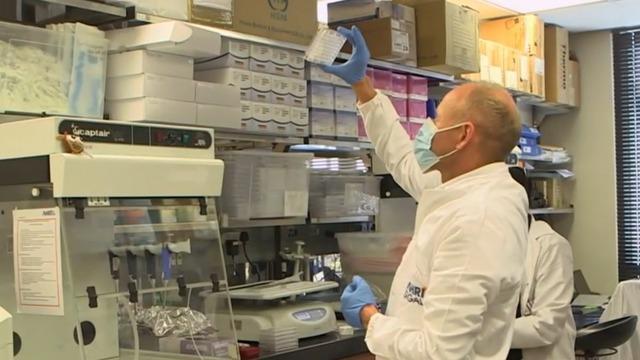
CBS News foreign correspondent Deborah Patta reports on the researchers racing to learn more about the Omicron variant first reported by South Africa, which has now spread to 19 countries and territories. Dr. Dyan Hes, the founder of Gramercy Pediatrics in New York City, joins CBSN to discuss the latest concerns over the variant and vaccine efforts.
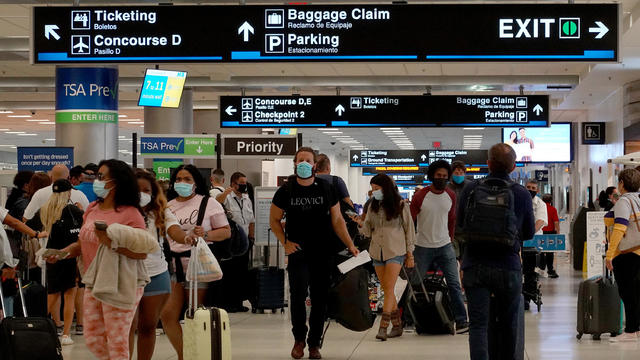
WHO named Omicron a variant of concern on Friday, and 56 countries issued travel restrictions in the following days.
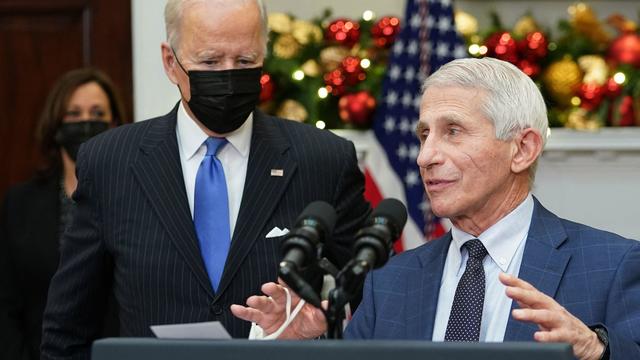
"There's every reason to believe, as we talk about boosters, when you get a level high enough, that you are going to get at least some degree of cross protection."
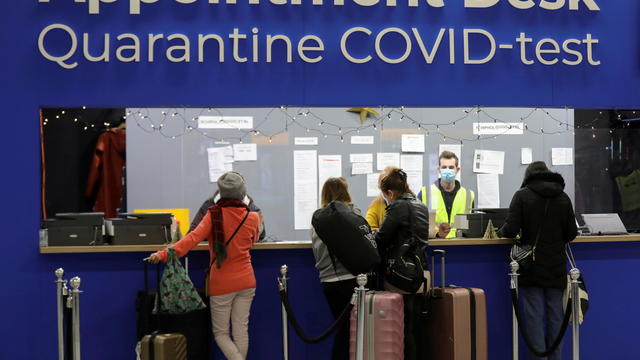
Authorities in the Netherlands say testing has confirmed that COVID cases identified on November 19 and 23 were the new strain — days before researchers identified it.
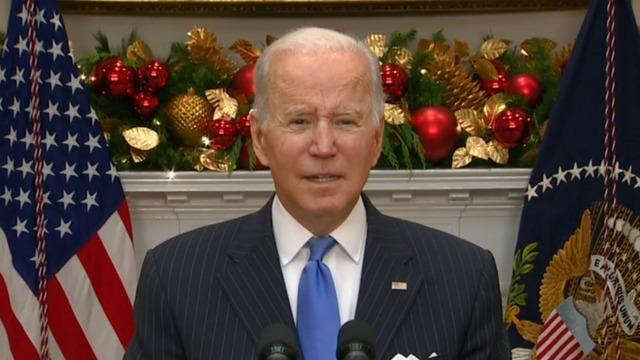
President Joe Biden urged caution, but stressed this is not the time to panic during his remarks from the White House yesterday on the Omicron variant. CBS News chief White House correspondent Nancy Cordes joined CBSN with more on what the administration is doing in light of the new coronavirus strain.
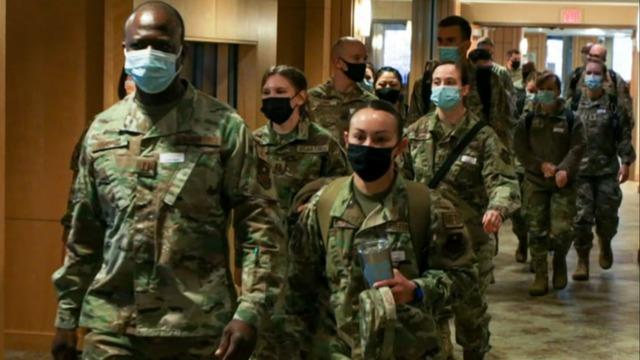
The federal government is deploying dozens of additional U.S. military medical personnel to Michigan and New Mexico to support civilian health care workers on the front lines of the coronavirus pandemic. David Claeys, president of Beaumont Hospital in Dearborn, Michigan, joins CBSN's Tanya Rivero to discuss what the addition of 22 medical professionals from the Department of Defense will mean for his team.
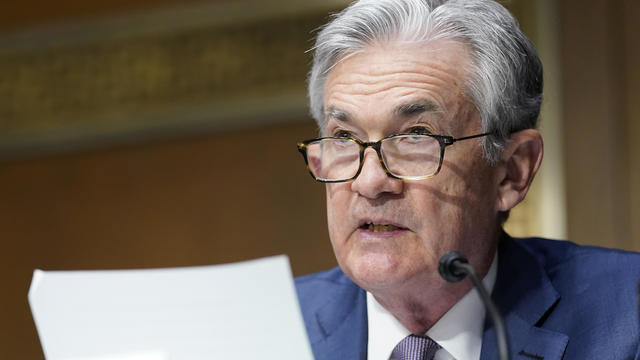
He tells Senate panel that the new COVID-19 variant could have an impact on economic activity and inflation.
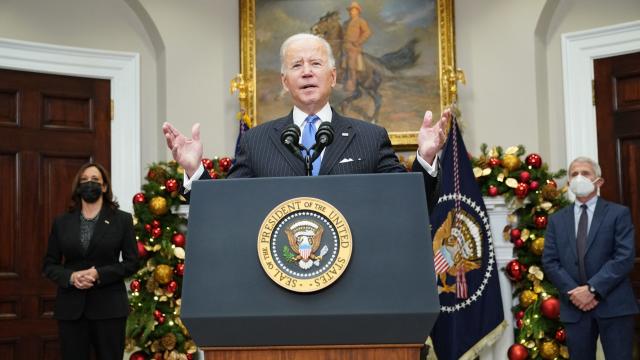
"Sooner or later, we're going to see cases of this new variant here in the United States," the president said.
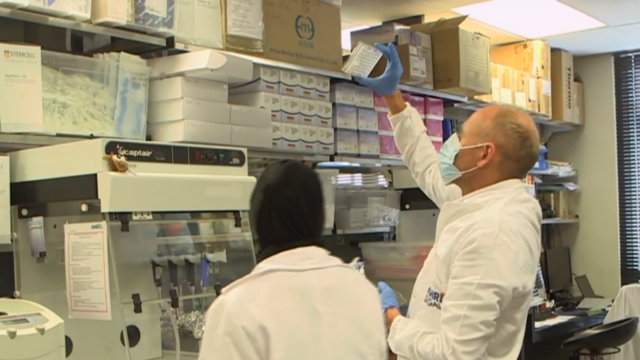
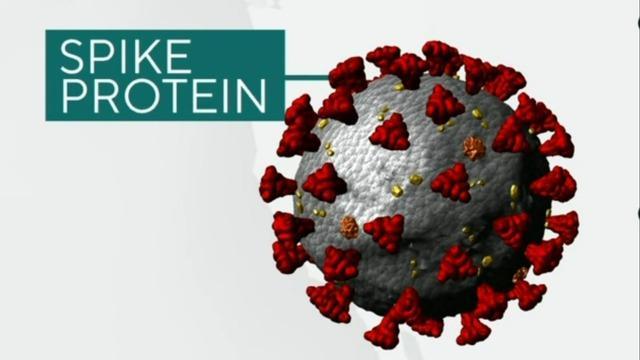
The Omicron variant has more than 50 mutations, enhancing the virus' ability to infect the body.

President Biden urged Americans to stay calm in response to the new COVID variant Omicron, saying it's "cause for concern, not a cause for panic." It's not yet clear whether the variant spreads more easily or causes more severe infections. Errol Barnett reports.
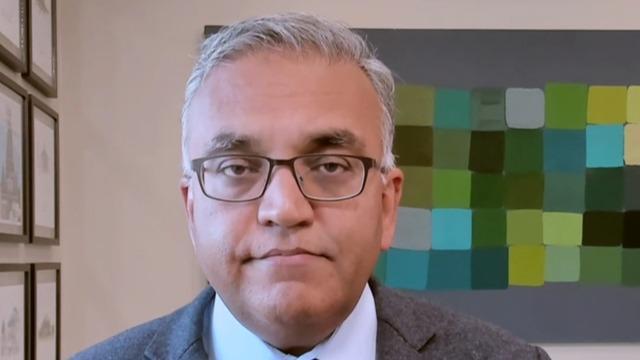
Dr. Ashish Jha, the dean of the Brown University School of Public Health, says "it's a little alarmist" to call the Omicron variant the Frankenstein of all COVID variants. Norah O'Donnell sits down with Jha to discuss more.
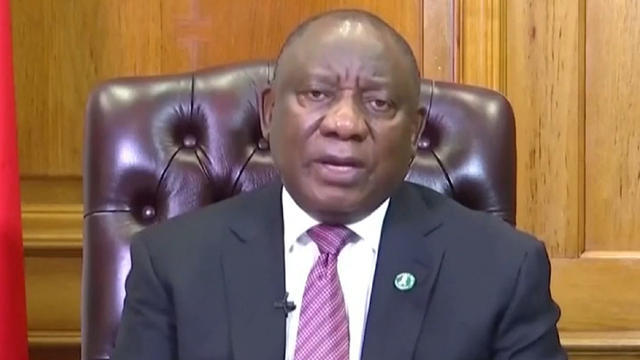
President of South Africa Cyril Ramaphosa is urging Western nations to lift travel restrictions against his country and others in the region. CBS News foreign correspondent Debora Patta dives into why these bans were enforced in relation to experts' current knowledge of the Omicron variant.

President Biden says while the Omicron variant is a cause for concern, it's not cause for panic. Speaking at the White House on Monday, Mr. Biden once again urged Americans to get vaccinated and to get their booster shots. CBS News senior White House and political correspondent Ed O'Keefe joins CBSN's Bradley Blackburn to discuss the Biden administration's response to the new variant and more.
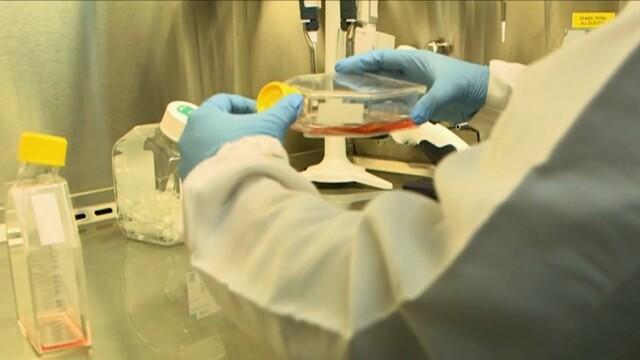
CBS News has an exclusive look inside a lab in South Africa where the Omicron variant was first discovered. Debora Patta shares more.

The U.S. is barring travelers from several African countries in a bid to slow the spread of the Omicron coronavirus variant first identified in South Africa. CBS News foreign correspondent Debora Patta reports from South Africa and Alonzo Plough chief science officer and vice president of research, evaluation and learning at the Robert Wood Johnson Foundation, joins CBSN to discuss the variant.
U.S. officials are imposing travel restrictions for non-U.S. citizens from South Africa and seven other nations to slow the spread of the Omicron variant. CBS News' Natalie Brand reports on why these officials believe the measures are necessary. Dr. W. Ian Lipkin, a professor of epidemiology and director of the Center for Infection and Immunity at Columbia University, and CBSN's Tanya Rivero discuss the threat posed by the variant and U.S. officials' response to its spread.
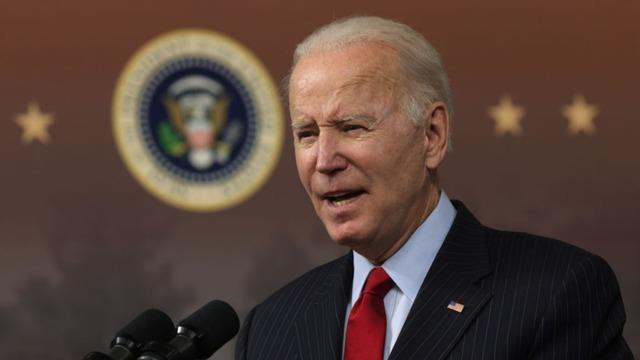
President Biden is hoping to pass his Build Back Better social spending plan as a government shutdown and debt ceiling crisis loom. CBS News chief White House correspondent Nancy Cordes joins CBSN AM from the White House with more.
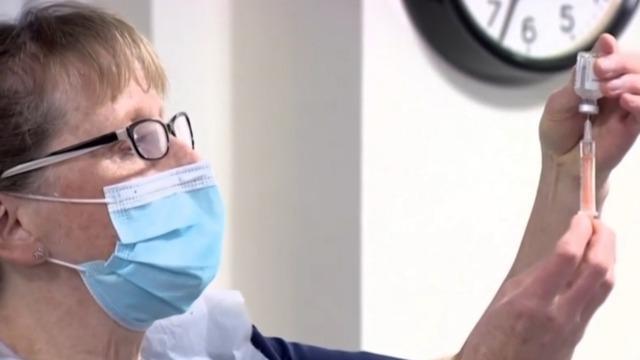
Travel restrictions take effect today as the coronavirus Omicron variant spreads globally. Dr. Andy Pekosz, a virologist with the Johns Hopkins Bloomberg School of Public Health, joins CBSN AM to discuss the variant and what we know about contagious it is.
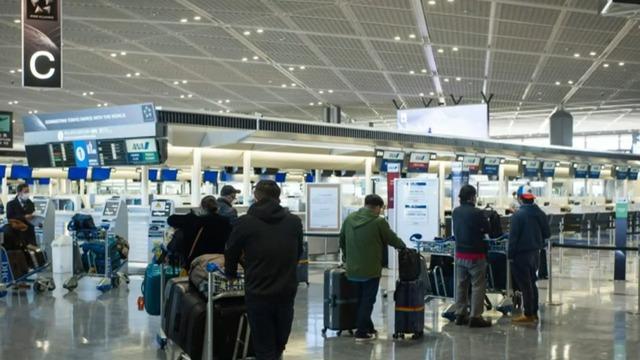
Japan announced it will ban all foreign visitors, one of an increasing number of countries tightening their borders as an emergency precaution as the Omicron coronavirus variant spreads. Lucy Craft reports from Tokyo for CBSN AM on the global pandemic and other international headlines.
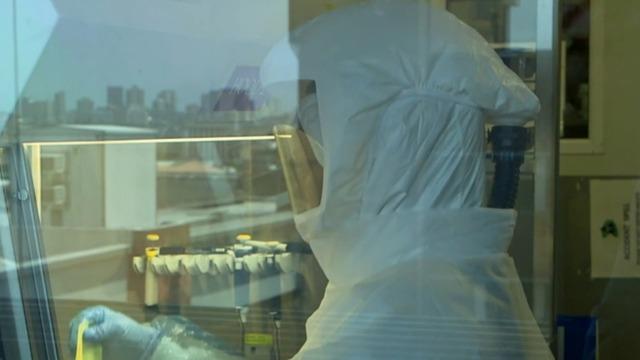
Researchers are trying to learn more about the Omicron COVID-19 variant and whether or not it is resistant to existing vaccines or more deadly than other variants. CBS news foreign correspondent Debora Patta takes us inside one of the labs in South Africa where the new strain was first discovered. Then, Dr. Stanley Perlman, a professor of microbiology, immunology and pediatrics at the University of Iowa, joins CBSN to discuss the latest.

Residents are encouraged to wear masks in public and indoor settings where risk of spread is higher.
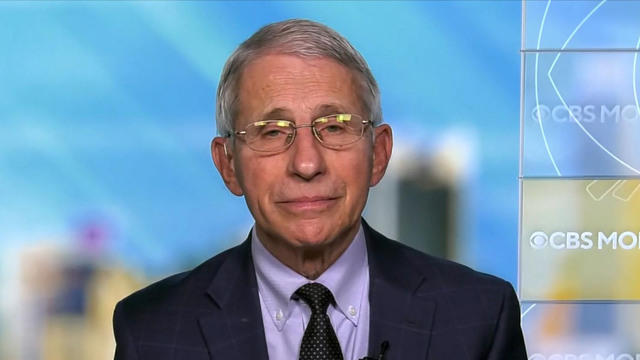
Dr. Anthony Fauci said it's going to take some time — perhaps a couple of weeks — to "get a good handle" on the newly discovered strain.