"Good reason to be worried" as Omicron COVID variant spreads fast
But South Africa, after quickly detecting and reporting the strain, feels punished for its sound science as other nations slam the door shut.
Watch CBS News
But South Africa, after quickly detecting and reporting the strain, feels punished for its sound science as other nations slam the door shut.
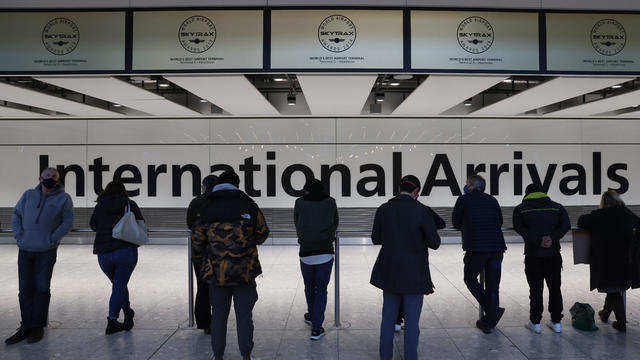
While investigations continue into the Omicron variant, WHO recommends that all countries "take a risk-based and scientific approach and put in place measures which can limit its possible spread."
CBS News national correspondent Mark Strassmann discusses growing concerns over the Omnicron variant of the coronavirus. These concerns are coinciding with a rising number of cases in the U.S. and soaring travel numbers over the holiday season. Also, John Moore, a professor of microbiology and immunology at Weill Cornell Medical College in New York, sits down with CBSN's Lana Zak to answer pressing questions about this variant and how it could impact life in the U.S.
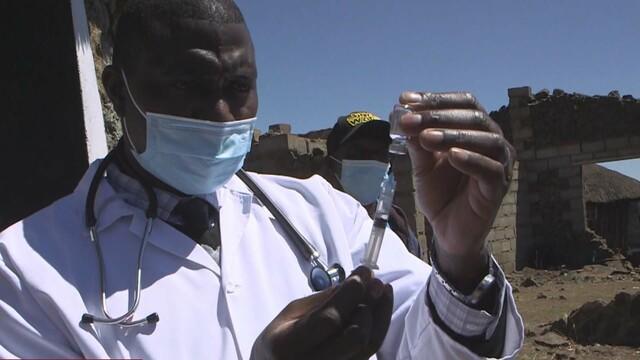
CBS News foreign correspondent Debora Patta reports from Johannesburg, South Africa, on the new variant.

Dr. Anthony Fauci says the U.S. could face a resurgence of virus cases without more intensive vaccination and booster efforts.
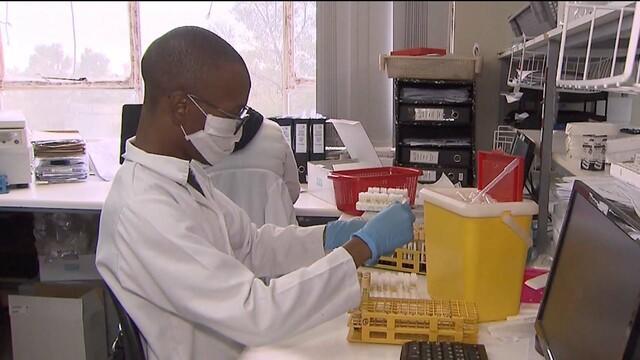
CBS News senior national correspondent Mark Strassmann reports on the ongoing impacts of the coronavirus pandemic in the United States.
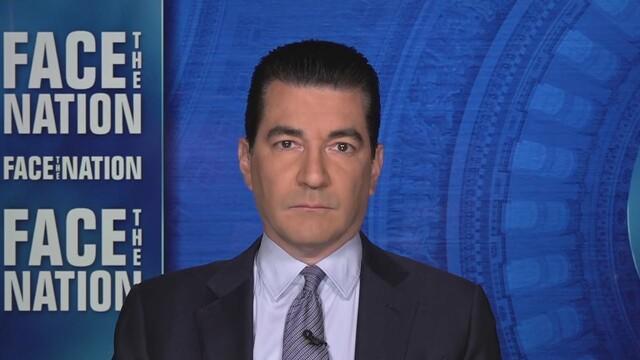
"We're in a much better place now than we were a year ago" with detecting cases of the Omicron variant, Gottlieb said.
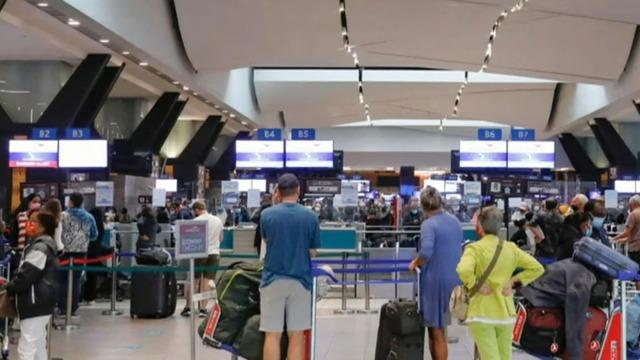
Global leaders are racing to contain a potentially more dangerous new coronavirus strain that was first discovered in South Africa. On Friday, the World Health Organization officially declared the Omicron strain a "variant of concern." CBS News foreign correspondent Debra Patta has more from Johannesburg on the increased precautionary measures some countries are taking to slow the spread of the virus, then Lana Zak speaks with Dr. Sujan Gogu, a physician who is part of the founding circle of Doctors in Politics, about the dangers of the Omicron variant.
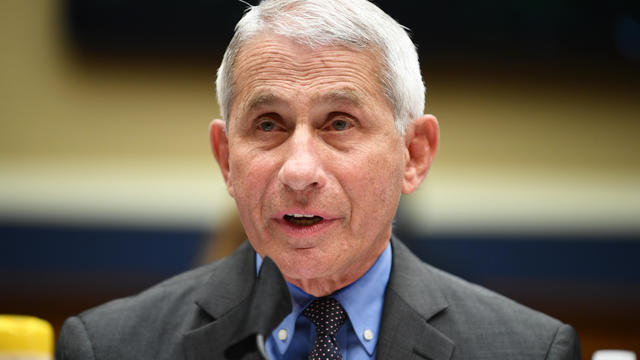
"When you have a virus like this, it almost invariably is ultimately going to go essentially all over," Fauci said.

The health secretary said the two people are self-isolating alongside their households while contact tracing and targeted testing takes place.
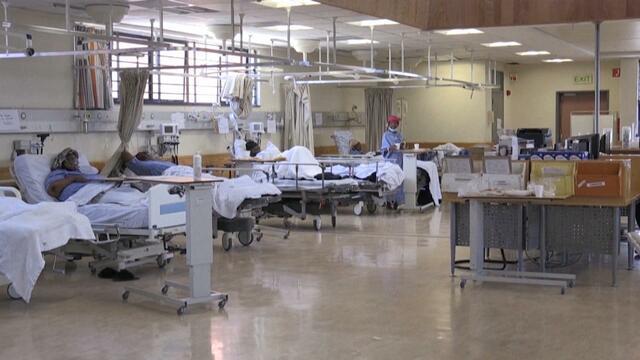
The world is racing to contain and understand a fast-spreading and potentially more dangerous variant of the coronavirus. On Friday, a World Health Organization panel named the variant Omicron, after it was first detected in South Africa. It has already been found in Belgium, Israel and Hong Kong. The news prompted a wave of new international travel restrictions, including in the United States. Debora Patta reports.
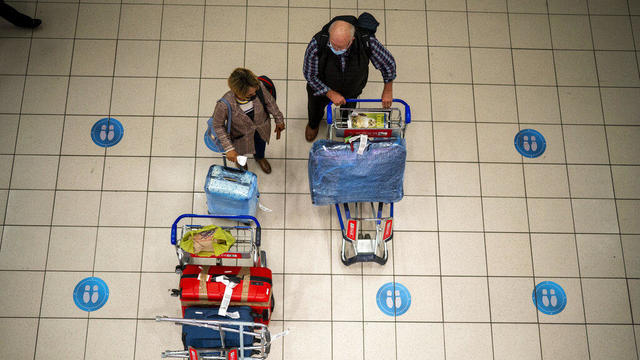
A host of countries are imposing restrictions on southern African countries in response to warnings over the transmissibility of the new variant.