U.S.-Iran negotiations set to begin Monday, Trump says after calling off strikes
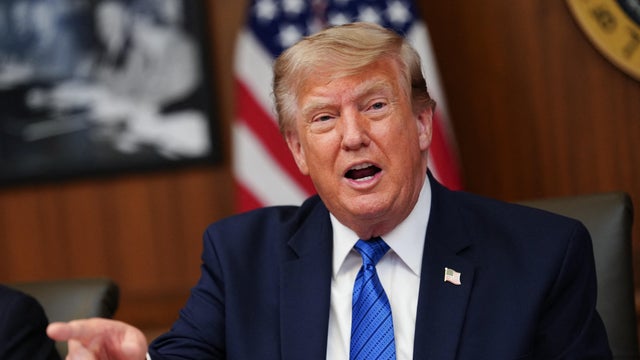
President Trump said negotiations with Iran are set to begin Monday after announcing Saturday night that he canceled a pending attack on Iran.
Watch CBS News
President Trump said negotiations with Iran are set to begin Monday after announcing Saturday night that he canceled a pending attack on Iran.
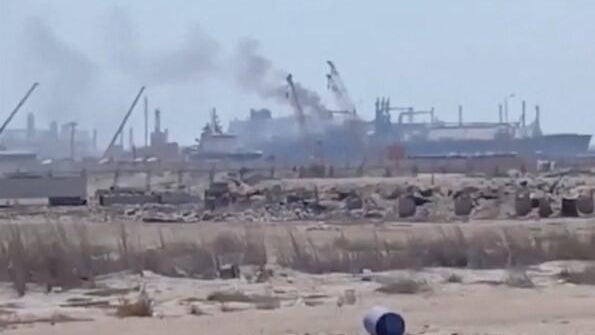
A vote in the Senate to limit President Trump's war powers has narrowly failed again. Three Republicans voted in favor of it.

U.S. households will spend roughly $4,000 per student on school supplies and lunches this year, a new analysis found.

Oil prices fell on Monday as President Trump's decision to pause strikes on Iran fueled hopes for diplomacy. Meanwhile, top tech stocks including Amazon and Meta are preparing for the release of their new earnings reports. Yahoo Finance reporter Brooke DiPalma joins CBS News to discuss.
Crude prices dropped as the U.S. Ambassador to the UN said suspension of attacks is aimed at finding a diplomatic solution.
Global oil prices are hovering around $90 per barrel as the U.S.-Iran conflict remains volatile. Meanwhile, the Federal Reserve is set to make an interest rate decision on Wednesday. Madison Mills, a senior AI reporter for Axios, joins with more.
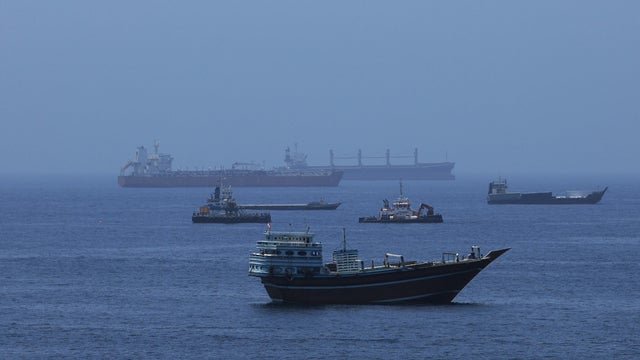
Talks between Oman and Iran on reopening the Strait of Hormuz and their respective territorial waterways have made progress, two sources told CBS News.

The escalating war with Iran is threatening even higher energy costs for Americans as many are already struggling with affordability. Olivia Gazis reports.
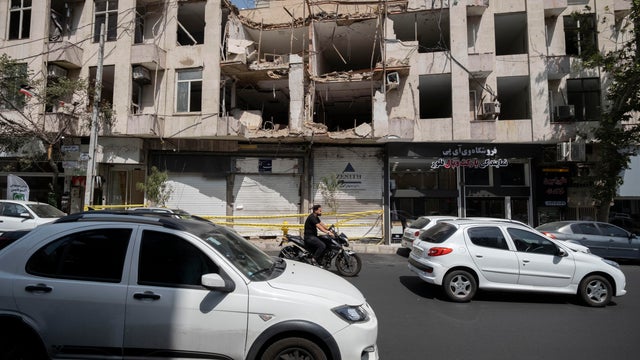
The U.S. moves more refueling planes to the Mideast and adds medics at a major military hospital as the war with Iran spreads to another key waterway.
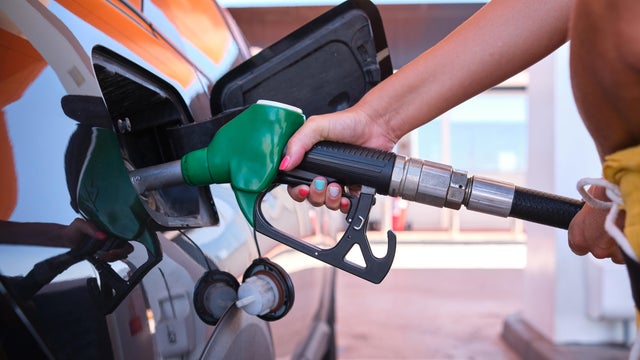
The last time global oil prices settled above $100 was on May 22, data from FactSet shows.
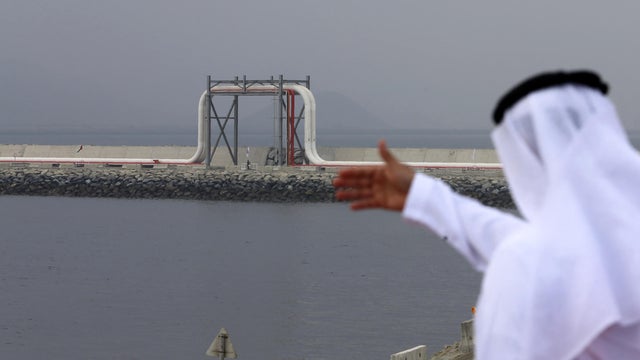
As Iran's attacks keep ship traffic through the Strait of Hormuz to a trickle and oil prices surge, Gulf states are planning to invest billions in pipeline alternatives.
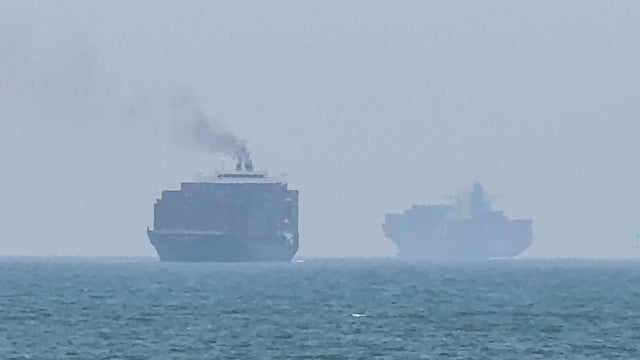
Despite U.S. assertions, the CEO of a maritime risk firm says "there is no guarantee of safe passage" through the Strait of Hormuz.

The Federal Reserve is set to meet next week amid economic strains from the renewed and ongoing conflict with Iran, including higher oil prices. Ann Berry, the CEO of Threadneedle, joins with more on what to expect.
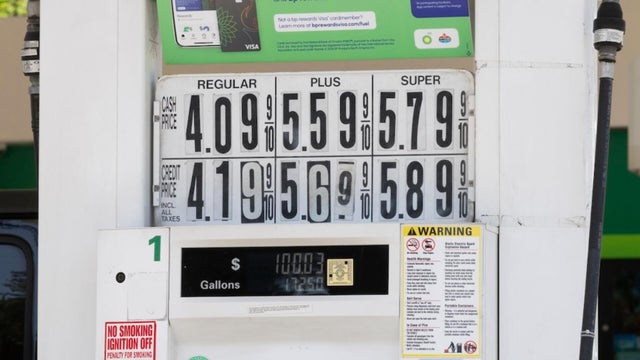
The national average for a gallon of gas is just over $4, which is up about 17 cents from only a week ago and 91 cents higher compared to this time last year, according to AAA. It comes as tensions escalate between the U.S. and Iran. Cristian Benavides reports.

The national average for a gallon of gas reached $4.003 on Monday, the first time in over a month it has crossed that threshold, AAA data shows.

Crude oil prices surged once again after the U.S.-Iran ceasefire collapsed. CBS News contributor Javier David has more details.
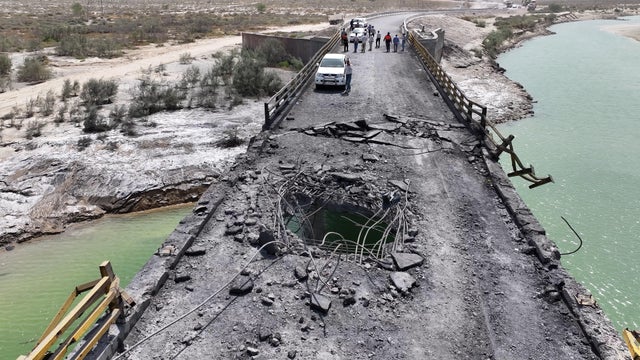
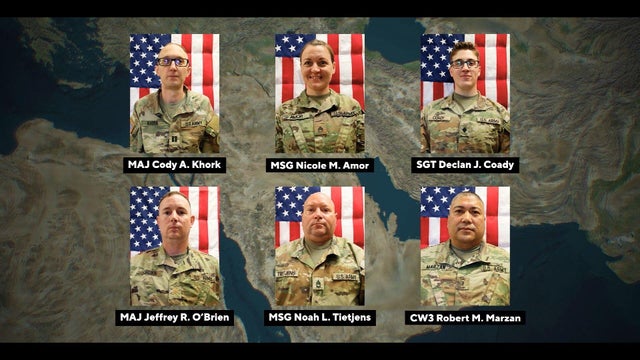
Two U.S. service members were killed earlier in Jordan and a third was missing in action, the U.S. Central Command said.
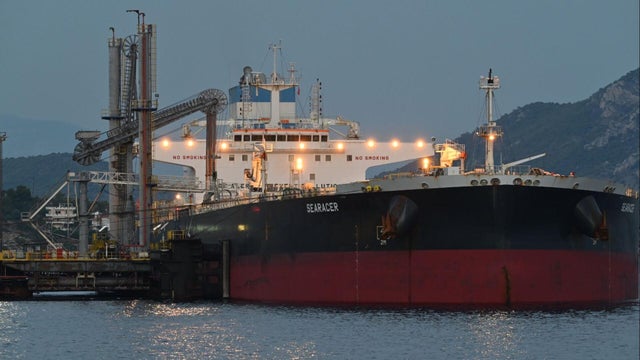
Gas prices have increased again as tensions rise between the U.S. and Iran. Axios reporter Madison Mills explains how oil markets have reacted to the war.
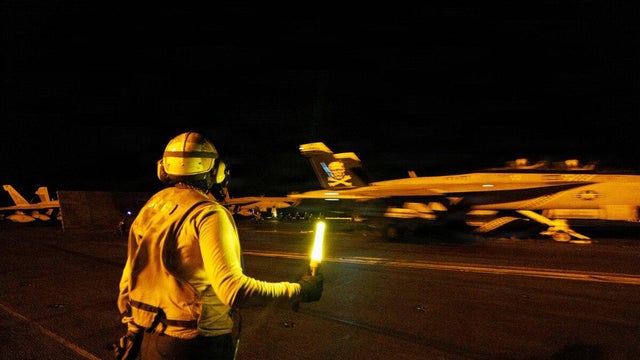
Iran said it would attack "all infrastructure in the region" if President Trump follows through on his threats to attack Iranian civilian infrastructure.
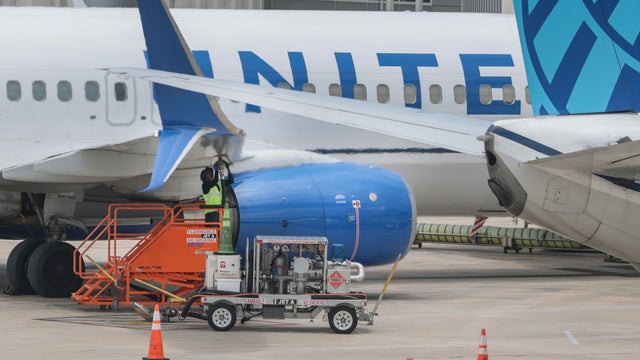
U.S. airlines say higher jet fuel prices are costing them billions more than they anticipated at the beginning of the year.
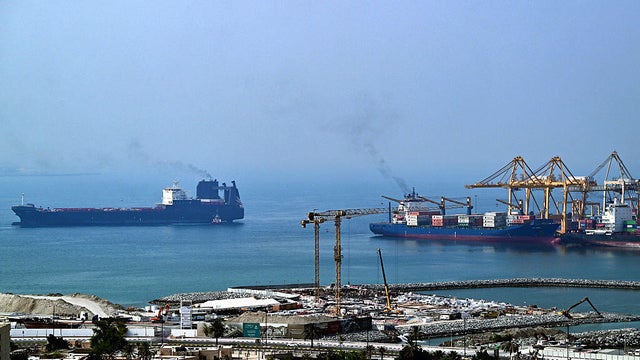
As the U.S. restarts its Iran blockade and carries out more strikes, President Trump has called off a planned 20% fee on shipping through the Strait of Hormuz.
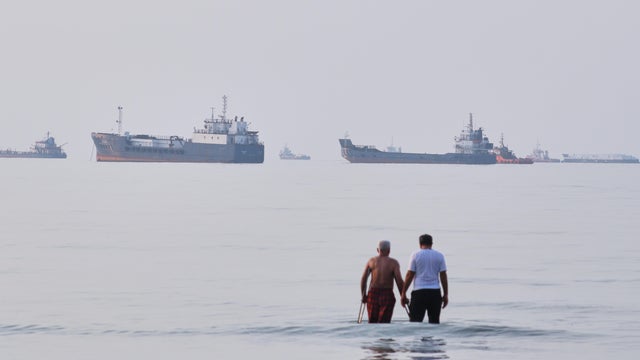
Industry insiders say "there is no legal basis" for Trump to impose a 20% fee on cargo transiting the Strait of Hormuz, something he now says he's decided not to do.
Oil prices rose on Monday as the conflict between the U.S. and Iran intensified days after President Trump declared the countries' ceasefire agreement to be over. Iran claimed the Strait of Hormuz was closed as both sides exchanged more strikes over the weekend. Kristin Myers, ETF editor-in-chief at ASSET TV, joins CBS News to share her predictions.
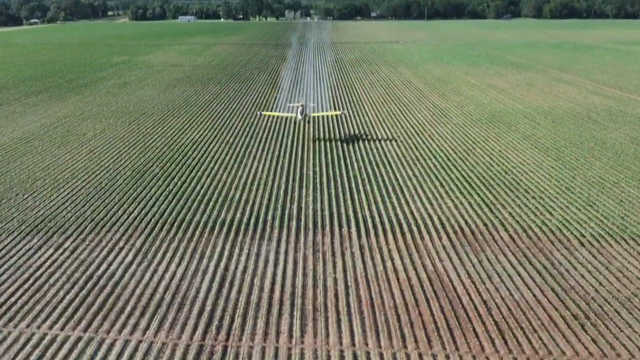
As the agriculture industry in Louisiana contends with major energy cost hikes brought on by the Iran war, some farmers are unsure if their businesses will survive.

The ripples of the Iran conflict are starting to appear in unexpected ways. High energy costs are putting new pressure on America's farmers. Mark Strassmann has more.