Stocks rally, oil dips below $100 as investors signal hope about Iran war
Despite start of military operations to intercept ships region, investors still expect U.S. and Iran to find an off-ramp.
Watch CBS News
Despite start of military operations to intercept ships region, investors still expect U.S. and Iran to find an off-ramp.

Tensions between the U.S. and Iran remain strained as President Trump said the U.S. military would blockade the Strait of Hormuz. CBS News contributor Elliot Ackerman, a former CIA officer and Marine Corps veteran, joins with more.

President Trump says the U.S. military will blockade Iranian ports in the Strait of Hormuz on Monday. CBS News' Elizabeth Palmer has more.

Gas prices put pressure on pocketbooks — and President Trump's ratings — as Iran war continues.

Amid talks and a ceasefire, the Iran war looks like unfinished business to many Americans. CBS News elections and surveys director Anthony Salvanto has more.
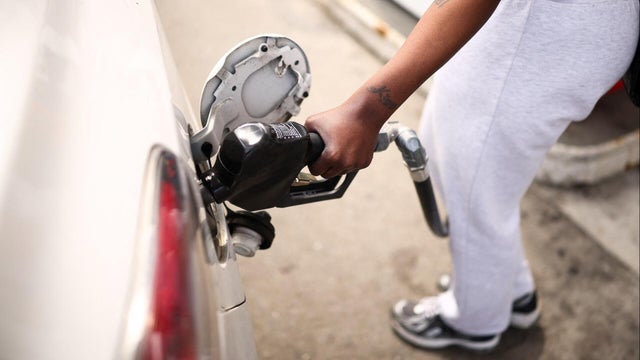
U.S. inflation surged in March, with the Consumer Price Index rising at a 3.3% annual rate due to the Iran war's impact on global energy costs.

The latest inflation numbers are out, and they show prices jumped last month, due to the war with Iran. CBS News senior business and tech correspondent Jo Ling Kent has more.
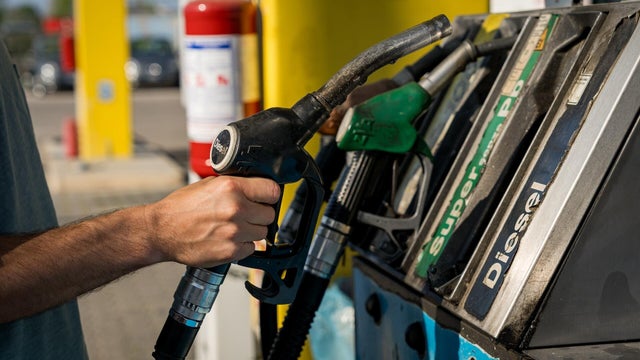
Farmers across America are grappling with soaring fuel prices as the war in Iran impacts energy costs. CBS News' Lana Zak reports.

Energy industry experts warn that allowing Iran to charge ships to ensure safe passage through the strait would raise energy costs.
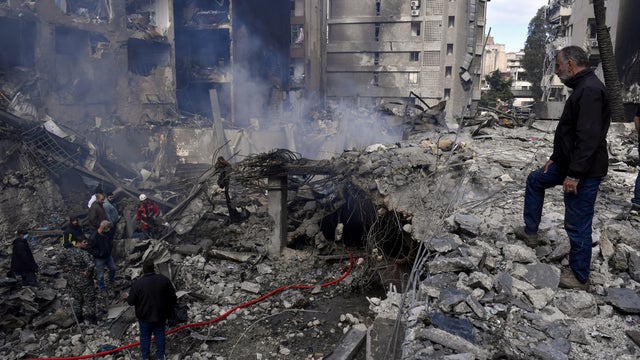
Only about a dozen ships passed through the Strait of Hormuz in the first two days of the ceasefire, far below normal traffic levels before the war, data shows.

Gas prices in the U.S. continued to edge up on Wednesday even as oil prices fell. Here's how long it could take for fuel costs to recede.
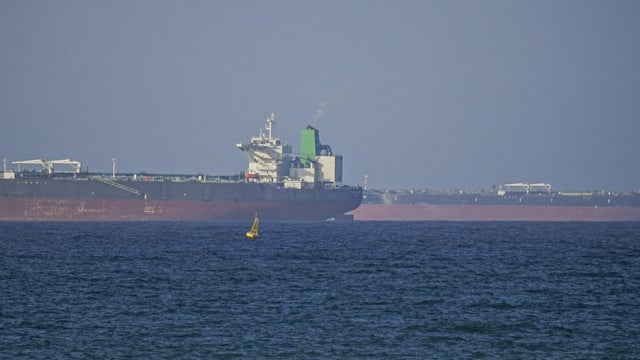
Few ships passed through the waterway Wednesday and Thursday despite a ceasefire agreement that was supposed to open the waterway key to transiting oil across the globe.

Gas prices remain above $4 amid lingering questions about the status of the Strait of Hormuz. Patrick De Haan, the head of petroleum analysis at GasBuddy, joins "The Daily Report" to discuss.

Kelly O'Grady breaks down why the prices Americans pay in the U.S. often depend on what is happening in the Middle East.
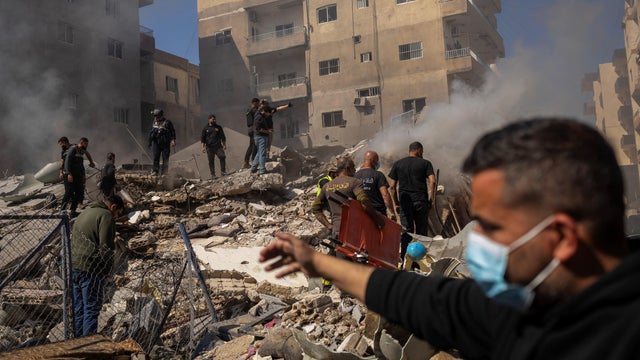
Iran says Israel is violating the ceasefire deal President Trump announced, and Tehran appears to still have control over shipping in the Strait of Hormuz.

Stocks jumped and oil prices fell on Wednesday following President Trump's announcement of a two-week ceasefire in the war with Iran. CBS News senior business and tech correspondent Jo Ling Kent has more.

Oil prices plunged on Wednesday after President Trump announced a 2-week ceasefire between the U.S. and Iran. CBS News business analyst Jill Schlesinger has more.

Investors are reacting to news of a ceasefire between the U.S. and Iran. CBS News contributor Javier David has more.
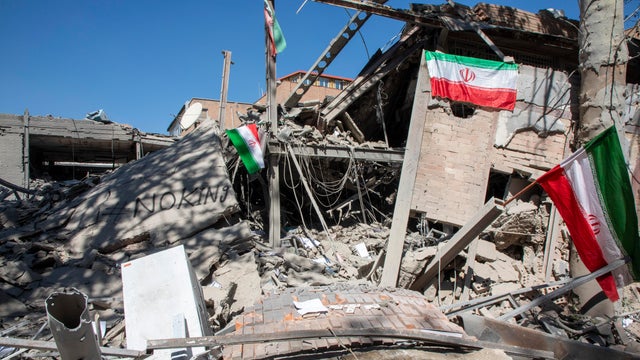
President Trump announced that the U.S. and Iran had agreed to a two-week ceasefire that was contingent on the reopening of the Strait of Hormuz.

CBS News business contributor Javier David breaks down the latest movement in the stock market and what the two-week ceasefire with Iran means for oil prices.

"This is a potentially huge market event like no other. It's a known unknown with a clock," one investment adviser said.

Gas prices in the U.S. could near a record high later this month if the Strait of Hormuz remains sealed, energy industry experts warn.

Shipping companies would take at least two months to resume operations in the Persian Gulf following a ceasefire in the region, according to the Eurasia Group.
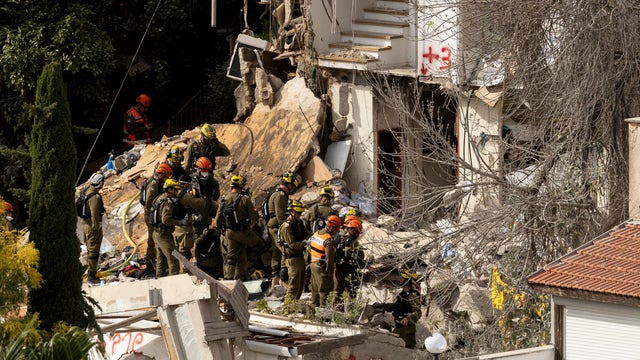
President Trump's deadline for Iran to reach a deal to end the war or face punishing strikes on its bridges and power plants is less than 24 hours away.
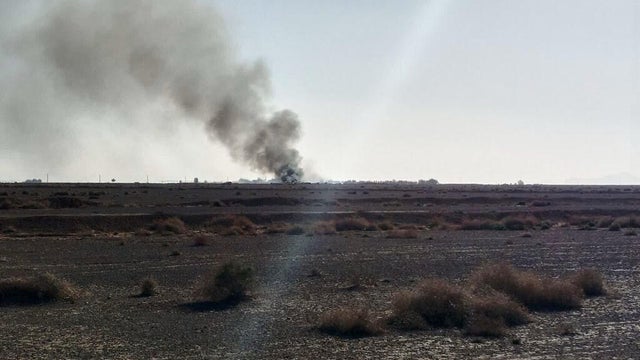
President Trump hailed the rescue of a U.S. airman who was missing almost two days inside Iran — and threatened to hit power plants if Iran doesn't reopen the Strait of Hormuz.