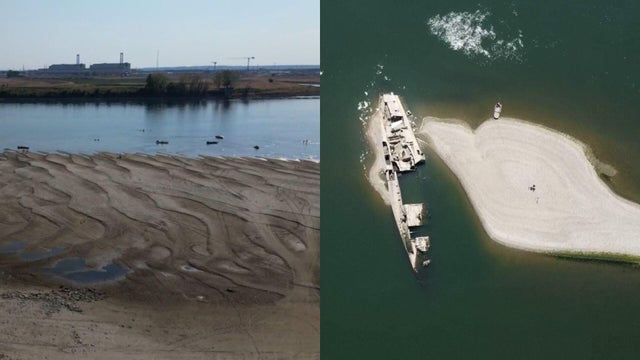
Danube River drying up
Hungary's only nuclear plant, which relies on water from the Danube River, could be forced to close amid a drought. CBS News' Ramy Inocencio reports.
Watch CBS News
Hungary's only nuclear plant, which relies on water from the Danube River, could be forced to close amid a drought. CBS News' Ramy Inocencio reports.
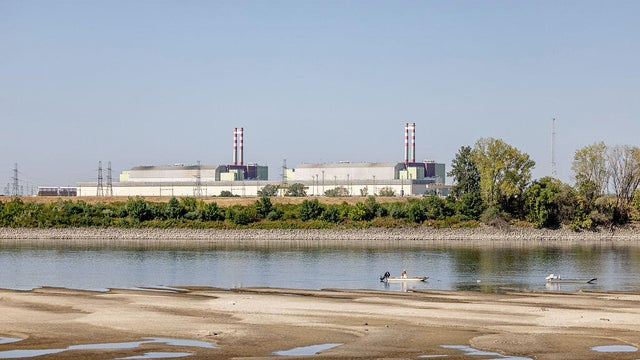
Three of four units of Hungary's Paks nuclear power plant were not in operation and the fourth was operating at about 50%, as of Wednesday morning.
In a new Wall Street Journal op-ed, former Defense Department official Matthew Kroenig warns of the potential consequences of President Trump's nuclear agreement with Saudi Arabia. Kroenig joins "The Takeout" to discuss further.
President Trump told reporters on Friday that although the U.S. is speaking with Iran after nearly two weeks of strikes, he doesn't think Tehran is yet prepared to reach an agreement. CBS News' Nikole Killion and Samantha Vinograd have the latest.

President Trump took questions from reporters the day after he seemed to upend a nuclear agreement with Saudi Arabia by adding a new condition: that the country join the Abraham Accords. CBS News White House reporter Olivia Rinaldi has the details.
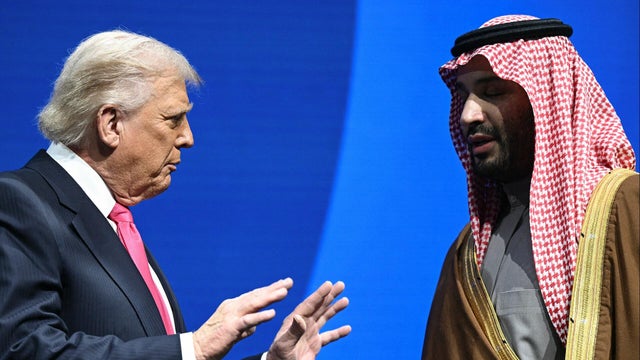
After signing a nuclear accord with Saudi Arabia, President Trump says that the agreement hinges on the Saudis establishing diplomatic relations with Israel, which they have refused to do. CBS News chief foreign affairs correspondent and "Face the Nation" moderator Margaret Brennan has the latest. Then, former CIA Deputy Assistant Director for Counterterrorism Joe Zacks joins with analysis.
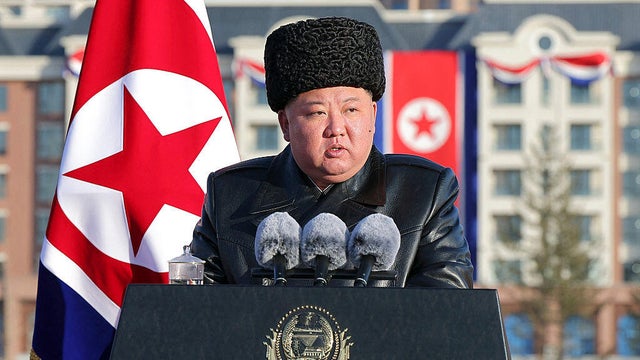
State media photos showed what appeared to be a large centrifuge hall, indicating the plant is likely used to enrich weapons-grade uranium.
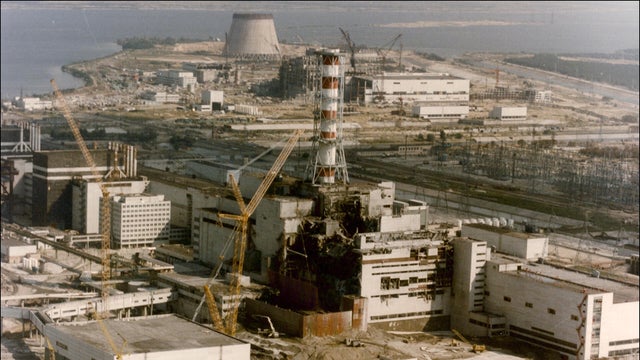
On April 28, 1986, Swedish scientists detected high levels of radiation, bringing to light the reactor explosion that occurred two days earlier at the Chernobyl Nuclear Power Plant in Soviet Ukraine. Watch CBS News' coverage from that day.
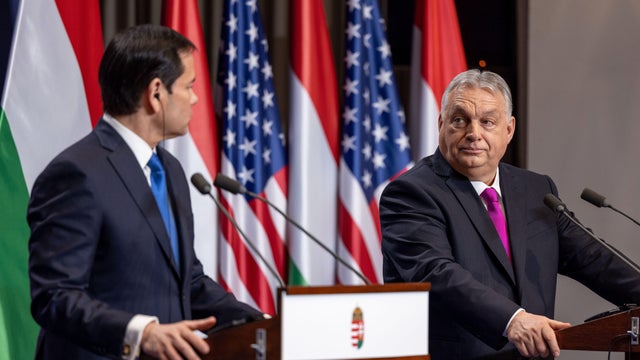
Many of Hungary's neighbors say Prime Minister Viktor Orbán is eroding democracy, but President Trump is forging closer relations with the Putin ally.
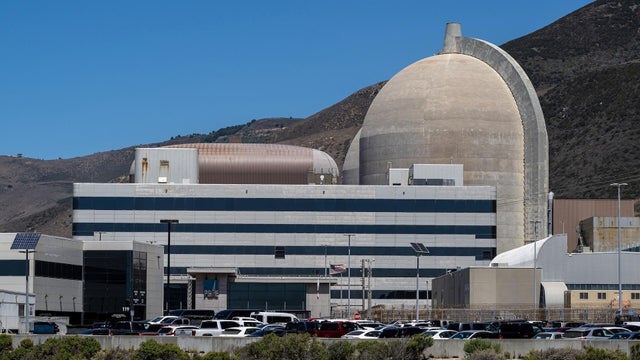
Mashable tech editor Tim Werth joins CBS News to discuss nuclear power for artificial intelligence and new concerns about face scans.
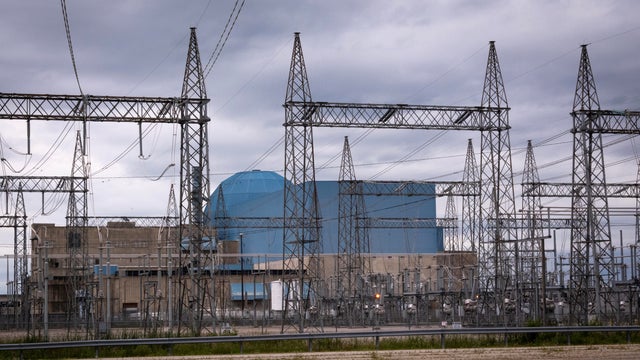
Facebook parent Meta has reached nuclear power deals with three companies as it continues to look for electricity sources for its artificial intelligence data centers.
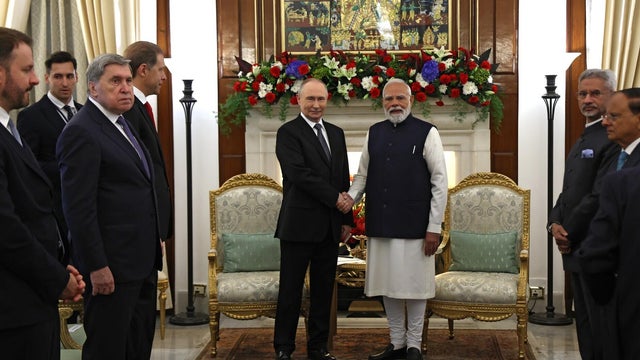
As the White House tries to curb Moscow's energy income, Vladimir Putin enjoys a warm welcome in India, and promises an "uninterrupted supply" of Russian fuel.
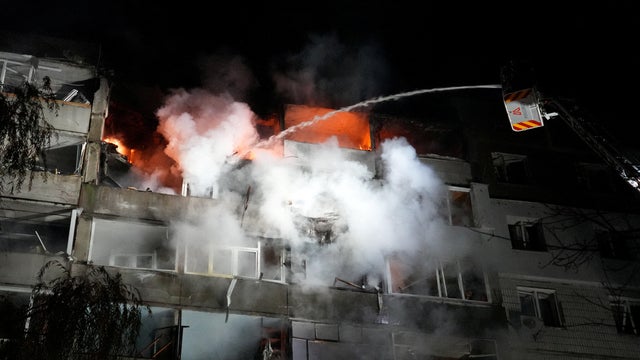
Ukraine accuses Russia of "systematic energy terror" as the global atomic energy watchdog warns Moscow's latest strikes jeopardize nuclear plants' safety.
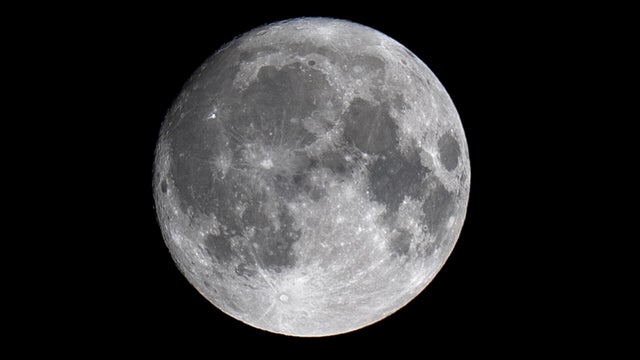
Transportation Secretary Sean Duffy, who is also the interim head of NASA, announced expedited plans this week to build a nuclear reactor on the moon as part of a new space race. Derrick Pitts, chief astronomer and planetarium director for the Franklin Institute, joins "The Takeout" to explain how the project could come together.
President Trump announced that the U.S. struck three Iranian nuclear sites on Saturday evening. He wrote on Truth Social that the "very successful attack" included the "Fordow, Natanz, and Esfahan" nuclear sites. CBS News Middle East reporter Courtney Kealy has the latest.
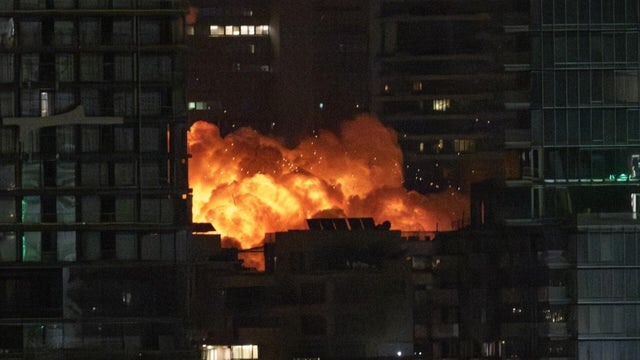
Fighting between Iran and Israel continued on Friday as the two nations traded air strikes. "The Daily Report" breaks down how the world got here and CBS News national security contributor Sam Vinograd has more.
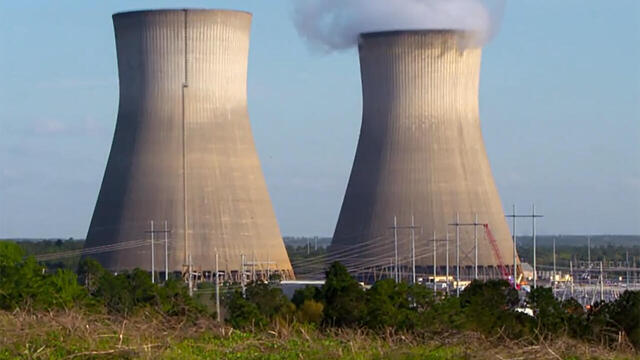
Faced with the need to cut carbon emissions, and an increasing energy demand to power AI, companies like Microsoft, Google and Amazon are investing in nuclear, from restarting Three Mile Island, to creating "small modular reactors."

The nuclear agreement is a potential national security win for the United States, one expert said.

Weeks before Trump's inauguration, Iran is preparing for potential threats to its nuclear facilities – and for the possible domestic reaction.

Google announced a deal with energy startup Kairos Power to supply its data centers with electricity from seven small modular nuclear reactors, which still need to be built. A recent study found that by 2026, data centers will consume more than 1,000 terawatt hours of electricity, about the same as the entire nation of Japan. Hank Jenkins-Smith, University of Oklahoma professor of public policy, joins CBS News to explain.
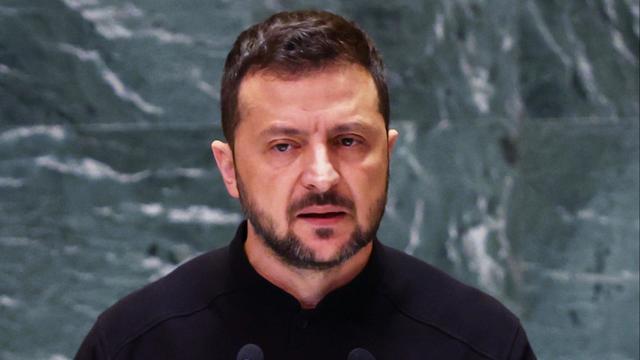
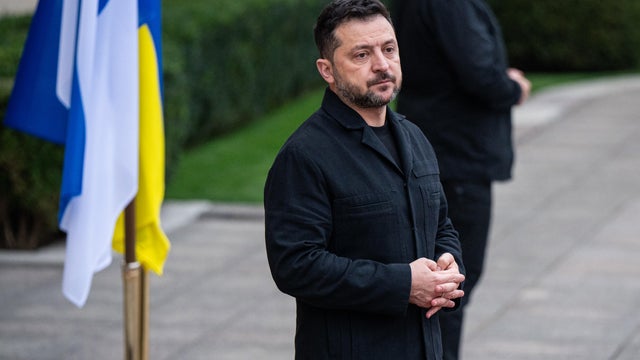
Ukrainian President Volodymyr Zelenskyy addressed the United Nations General Assembly on Wednesday, warning that Russia is planning to attack his country's nuclear power plants. Zelenskyy called on member nations to stand together and also criticized Russia's veto power on the U.N. Security Council. William Taylor, former U.S. ambassador to Ukraine, joins CBS News with analysis.
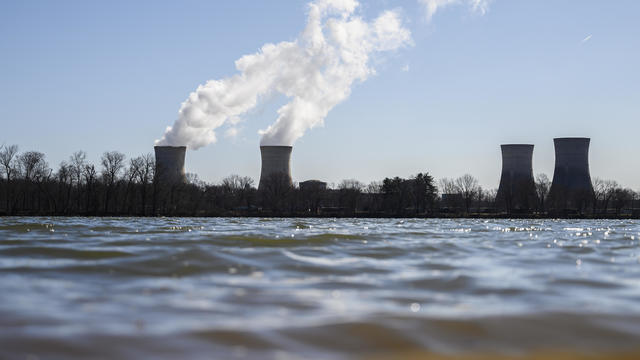
Constellation Energy announced a 20-year deal involving the restart of the plant's Unit 1 reactor, which was shut down half a decade ago.
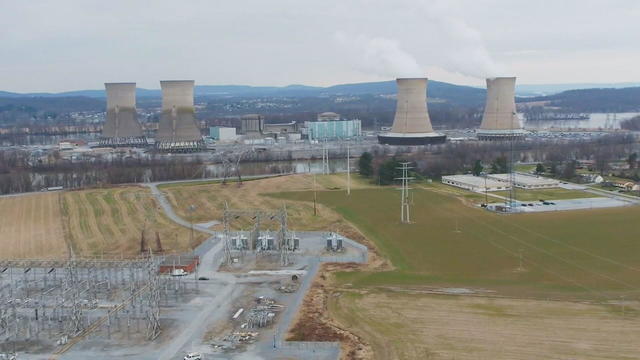
The owner of Pennsylvania's Three Mile Island nuclear plant, the site of the worst commercial nuclear disaster in U.S. history, announced this week that it plans to spend $1.6 billion to restart its remaining functional reactor as part of a 20-year deal to provide power to Microsoft data centers. Michael George has more.

London luxury hotspot Harrods says it proudly sells "the most exquisite products from around the world" - including some pricey peaches from Fukushima.
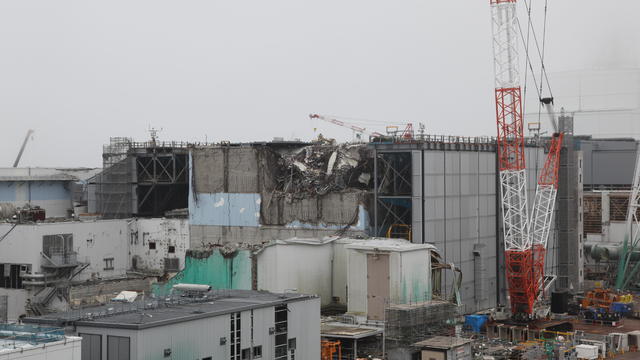
Japanese officials launch a complex mission to retrieve a sample of melted fuel debris from a damaged reactor at the Fukushima nuclear plant.