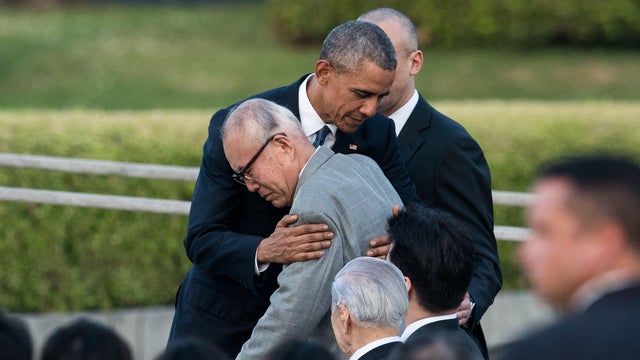
Hiroshima atomic bomb survivor embraced by Obama dies at 88
Shigeaki Mori was 8 years old when he survived the Aug. 6, 1945 U.S. attack, only one and a half miles away from the blast.
Watch CBS News
Shigeaki Mori was 8 years old when he survived the Aug. 6, 1945 U.S. attack, only one and a half miles away from the blast.
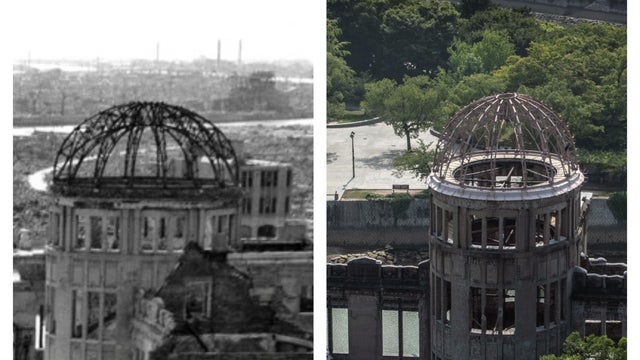
On Aug. 6, 1945, the U.S. dropped an atomic bomb on Hiroshima and three days later, dropped another one on Nagasaki.
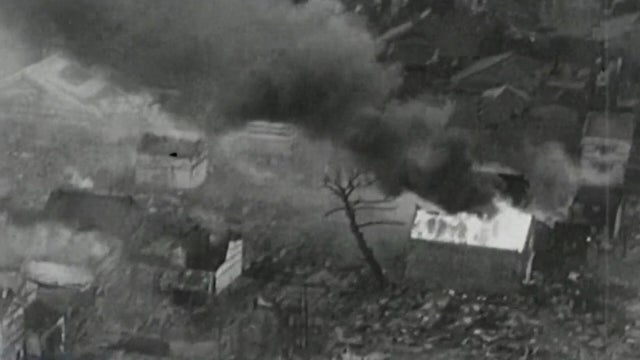
Hiroshima, Japan, is marking 80 years since the U.S. dropped an atomic bomb on the city during World War II. Anna Coren has more.
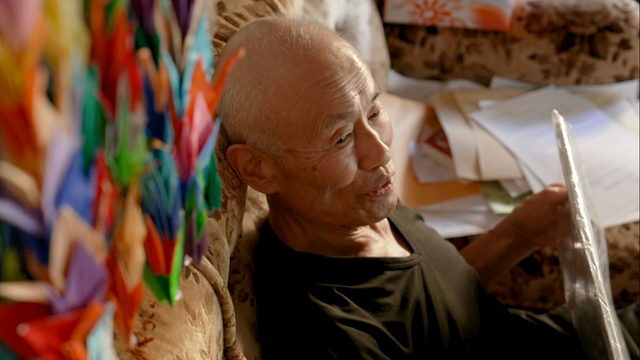
Wednesday marks 80 years since the United States dropped an atomic bomb on the Japanese city of Hiroshima, killing tens of thousands of people. A memorial service to remember the victims was held in Japan. CBS News' Anna Coren has more.
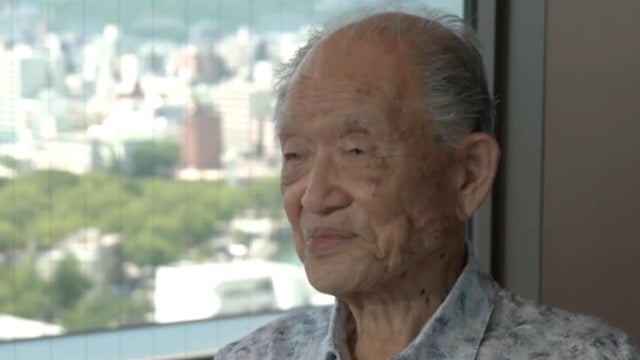
As Japan reflects on 80 years since the U.S. dropped an atomic bomb on the city of Hiroshima, survivor stories have become a focal point. CBS News foreign correspondent Anna Coren has more details.
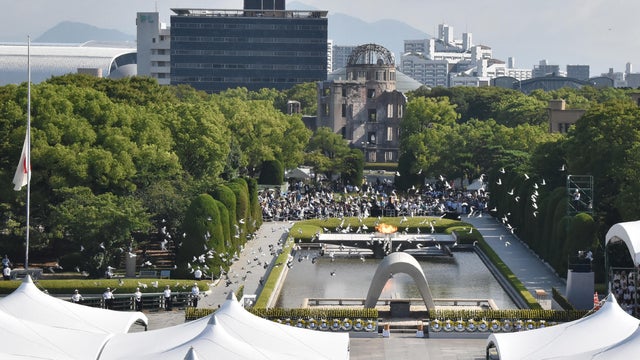
The United States dropped the world's first atomic bomb on Hiroshima, Japan, on Aug. 6, 1945, during World War II.
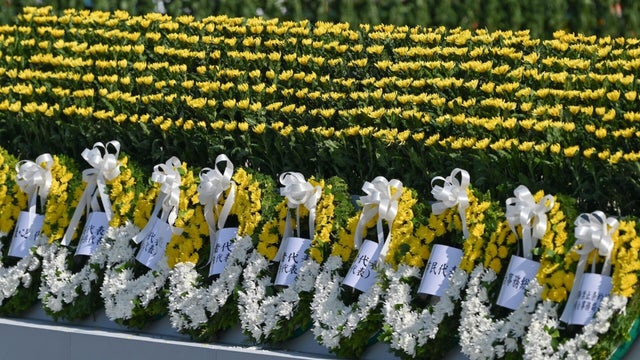
Japan is marking 80 years since the U.S. dropped an atomic bomb on the city of Hiroshima on August 6, 1945, during World War II. CBS News foreign correspondent Anna Coren has more details.
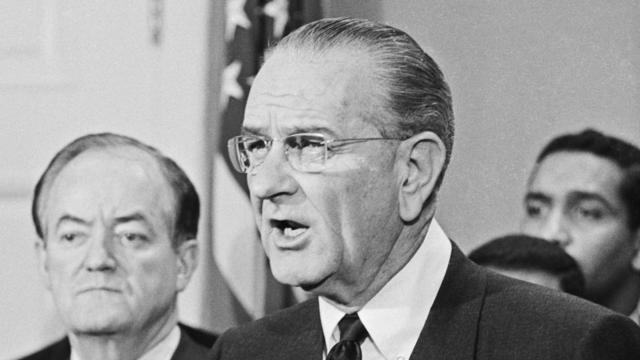
In the past two weeks, former President Donald Trump survived an assassination attempt and President Biden ended his reelection campaign. Has there ever been two weeks in American history like this? The answer: Yes and no. CBS News chief Washington correspondent Major Garrett explains.

Volodymyr Zelenskyy's trip to Japan comes just hours after the U.S. agreed to allow Ukrainian troops to train on American-made fighter jets.

President Joe Biden is expected to announce a $375 million aid package to Ukraine while attending the G7 Summit in Hiroshima, Japan. He is also expected to have multiple meetings with Ukrainian president Volodymyr Zelenskyy. Elizabeth Palmer is in Japan with the latest.
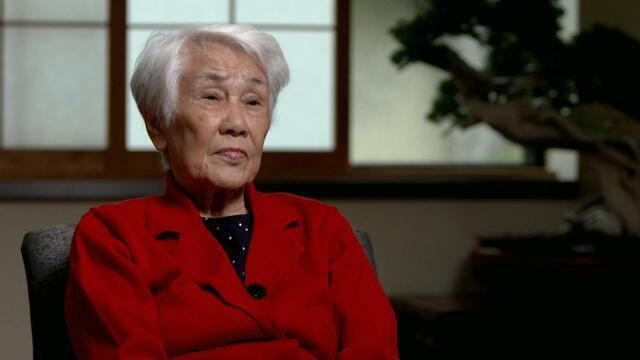
As world leaders converge on Hiroshima, Japan, for the G7 world leaders meeting, we hear the incredible story of survival of one woman who was living in Hiroshima when the U.S. dropped an atomic bomb nearly 80 years ago.
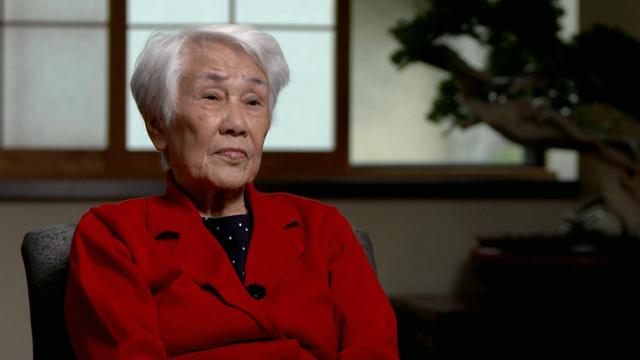
Tayeko Shitama was 22 when the United States dropped an atomic bomb on her city. But she wasn't there that day.
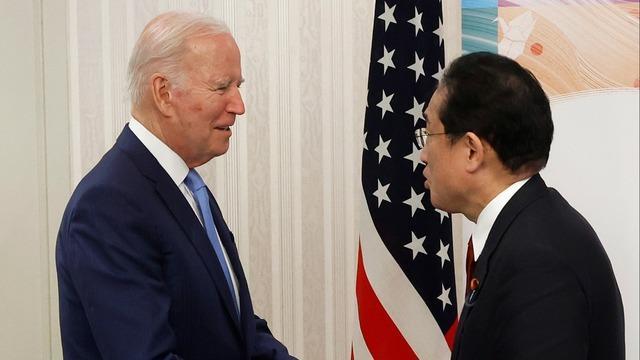
President Biden will attend the 49th G7 summit beginning Friday in Hiroshima. CBS News senior foreign correspondent Elizabeth Palmer joins us from Japan with a preview of the issues world leaders will prioritize.
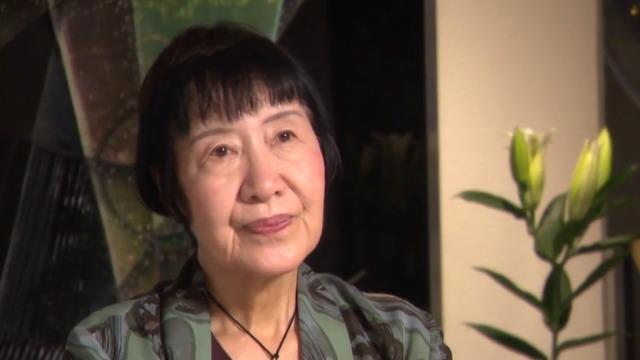
75 years ago Sunday, the United States dropped the second of two atomic bombs on Japan in an effort to hasten the end of World War II, with what was the most powerful weapon ever employed in human history. The target was the port city of Nagasaki, after the first bomb was dropped on Hiroshima August 6. The two bombings killed more than 200,000 people. Ramy Inocenio spoke to a survivor of the Hiroshima blast.
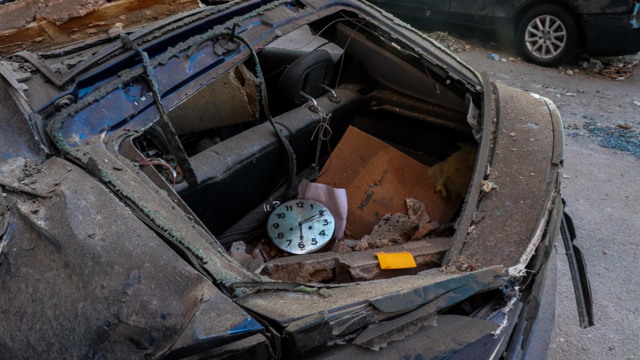
"It stopped short, never to go again, when Beirut died," the photographer said.
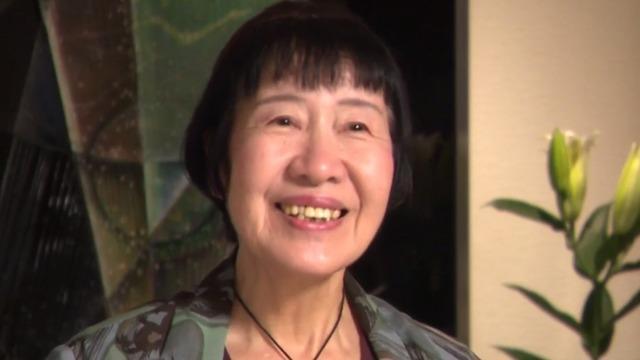
The U.S. dropped the world's first atomic bomb on Hiroshima, Japan 75 years ago. A few days later, a second nuclear bomb was dropped on Nagasaki, forcing the Japanese to surrender and bringing an end to WWII. Ramy Inocencio met a survivor of the attack, who has spent three-quarters of a century on a quest to rid the world of nuclear weapons.
Toshiko Tanaka was just 6 years old when the mushroom cloud rose menacingly over Hiroshima.
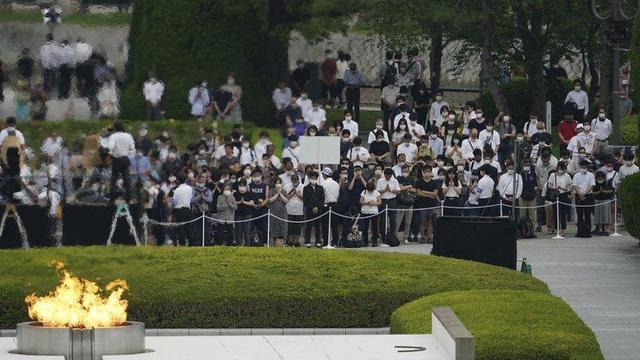
"Could you please respond to our request to sign the Nuclear Weapons Prohibition Treaty?" Tomoyuki Mimaki, a member of a major survivors' group, Hidankyo, implored Japanese Prime Minister Shinzo Abe.
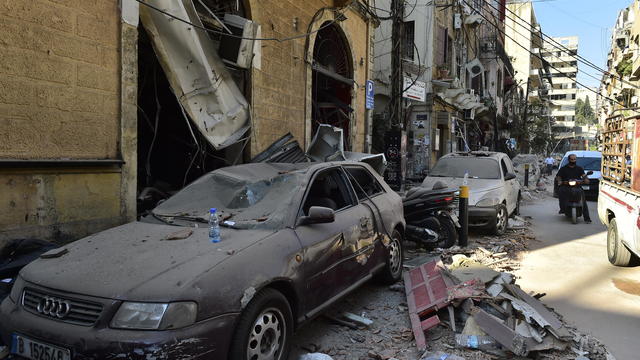
At least 137 people were killed and over 5,000 were injured in the explosions.
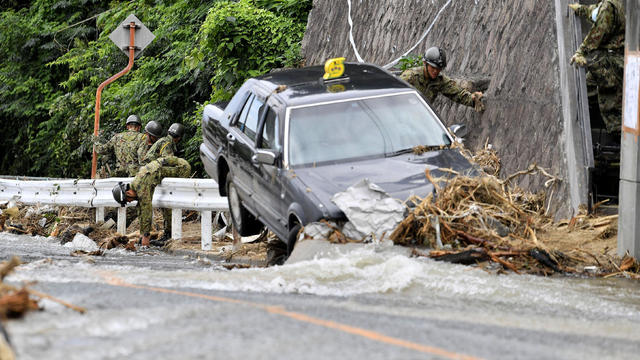
Power, water outages rampant, damage to roads and railways disrupting deliveries of relief supplies
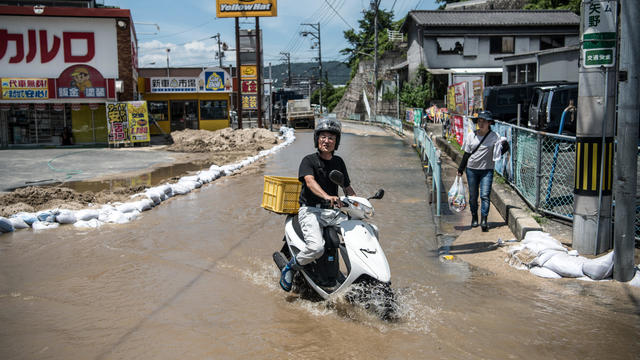
More than 50 people were unaccounted for as of Tuesday evening, many in the hardest-hit Hiroshima area
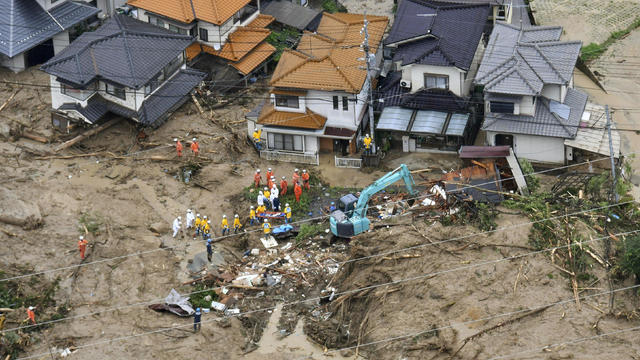
Two million people have been ordered to evacuate, and Prime Minister Shinzo Abe said rescuers are "working against time"
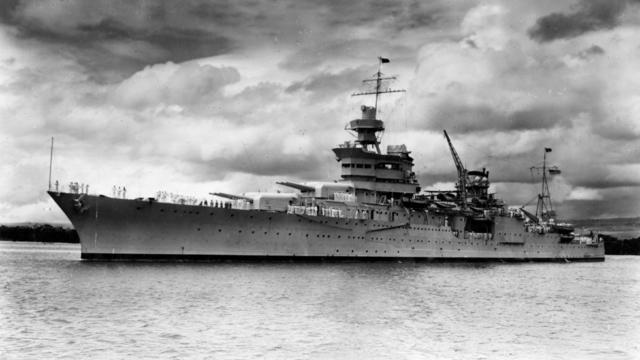
The heavy cruiser played a critical role in the bombing of Hiroshima before being struck by Japanese torpedoes
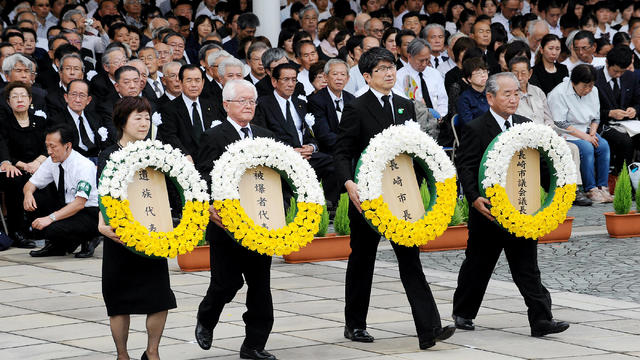
"Anxiety is spreading across the globe that in the not too distant future these weapons could actually be used again"
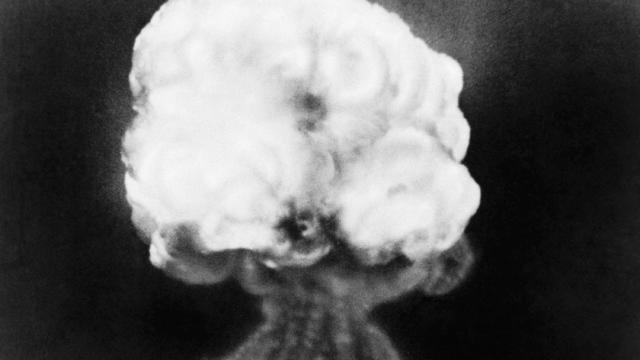
An advocacy group documented generations of southern New Mexico families suffering from cancer and economic hardship