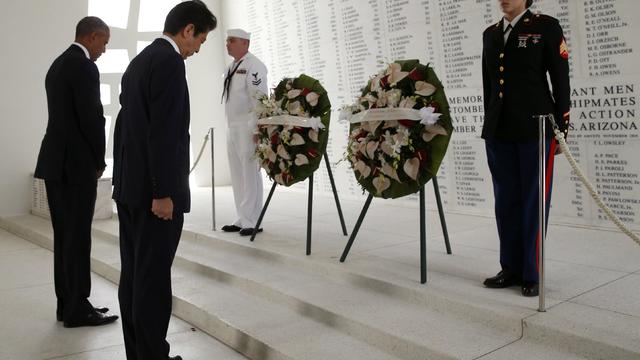
Obama, Japan's PM make historic visit to Pearl Harbor
Shinzo Abe is the first Japanese leader to visit memorial above sunken warship, and stressed the "spirit of tolerance" between the U.S. and Japan
Watch CBS News
Shinzo Abe is the first Japanese leader to visit memorial above sunken warship, and stressed the "spirit of tolerance" between the U.S. and Japan
The most compelling images from the week's news, May 21-27, 2016
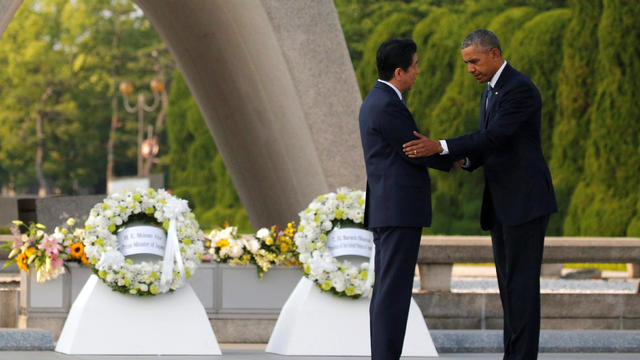
He is first sitting U.S. president ever to visit site of the 1945 atomic bombing, where he says the memory of the attack "must never fade"
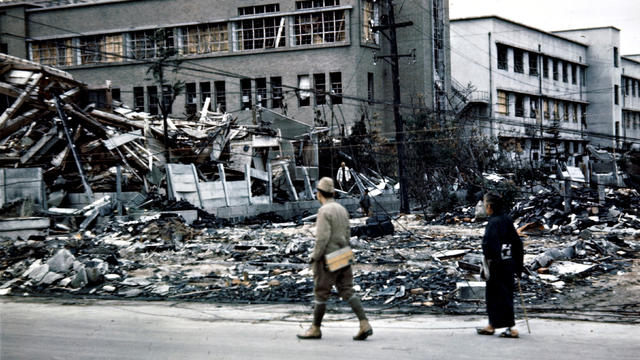
President Obama will become the first sitting president to visit Hiroshima, the city where the first atomic bomb was dropped
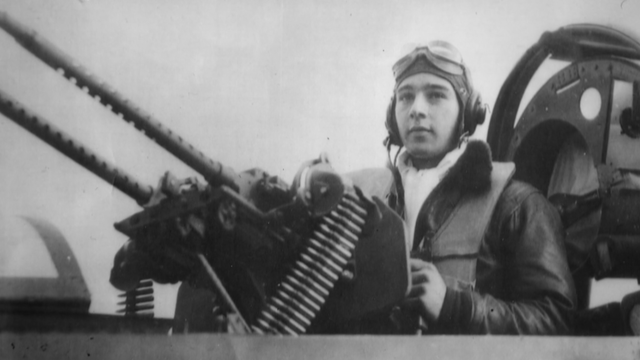
Twelve POWs were being held captive inside a police station in Hiroshima, Japan when America detonated the first atomic bomb
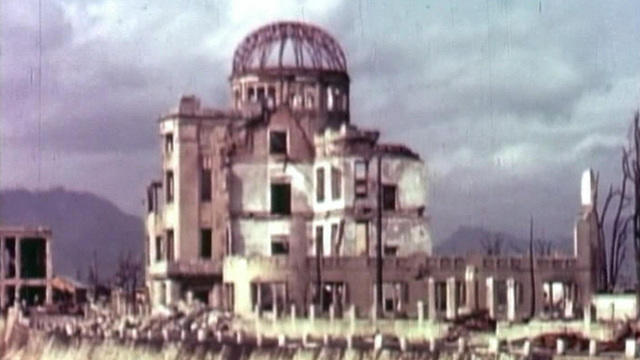
On eve of Obama's history-making visit to Hiroshima, a look at video shot by the U.S. military in 1945 shows what it was like after it was hit with an atomic bomb
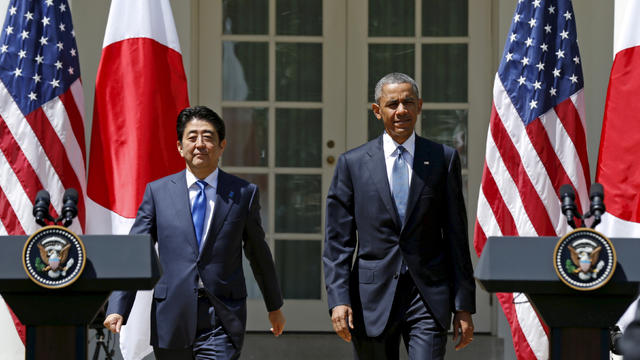
President won Nobel for pledge to work toward nuclear disarmament, so why so little progress in 7 years?
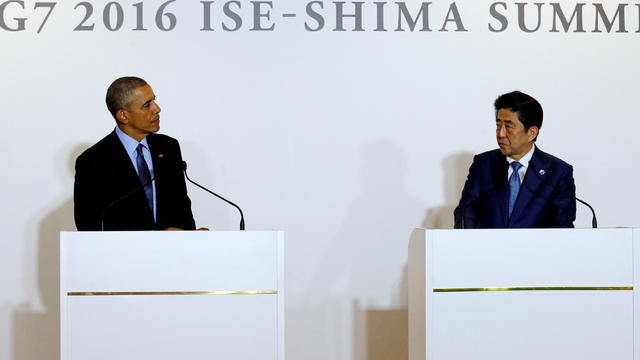
Abe told reporters he had lodged a protest with Obama over the murder, which has been linked to an American worker on the U.S. military base in Okinawa
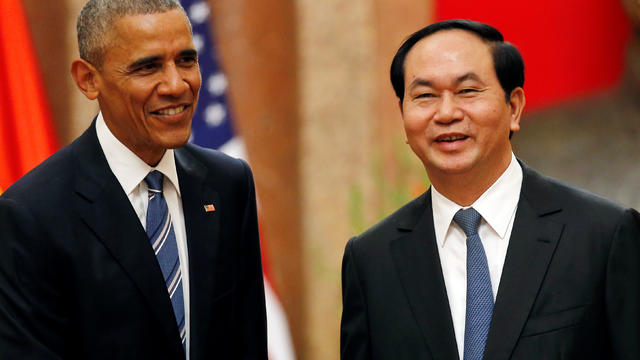
Seeking to strengthen ties with Hanoi while pressing for better human rights record; will visit Hiroshima as he confronts legacies of Vietnam War and WW II
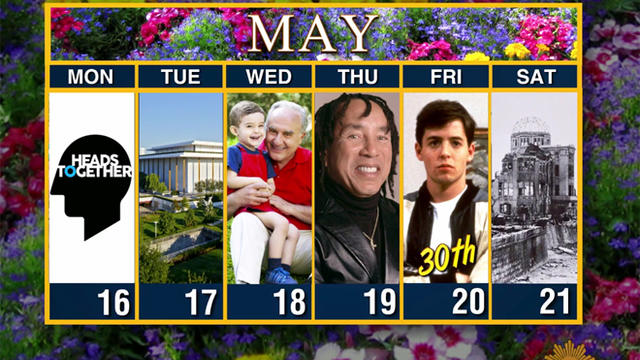
With celebrations of Irish culture and "Ferris Bueller's Day Off," "Sunday Morning" takes a look at some notable events of the week ahead
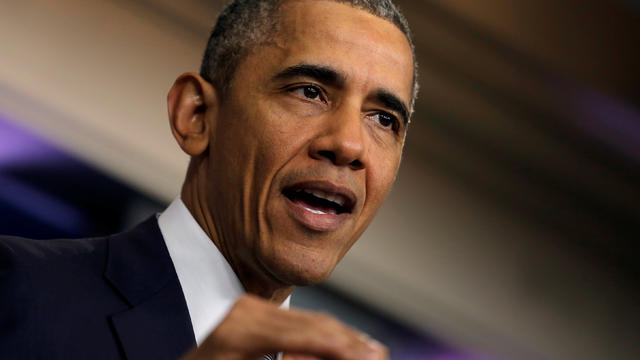
A senior White House aide said the president won't apologize for the U.S. decision to drop a nuclear bomb on the city in 1945
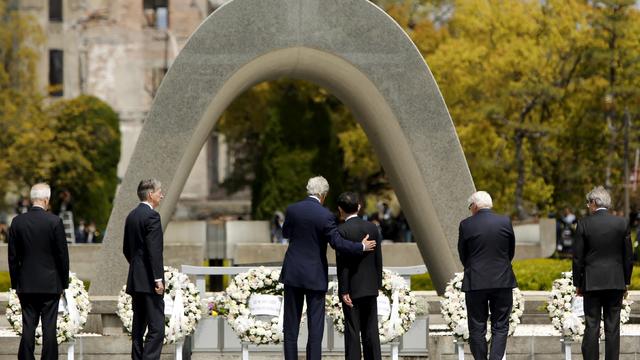
U.S. Secretary of State visited the revered memorial to Hiroshima's atomic bombing, delivering message of peace and hope for a nuclear-free world
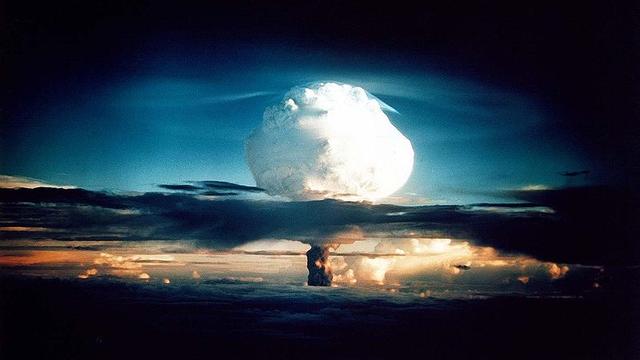
North Korea's claim it carried out a hydrogen bomb test focuses attention on the differences between nuclear and thermonuclear bombs
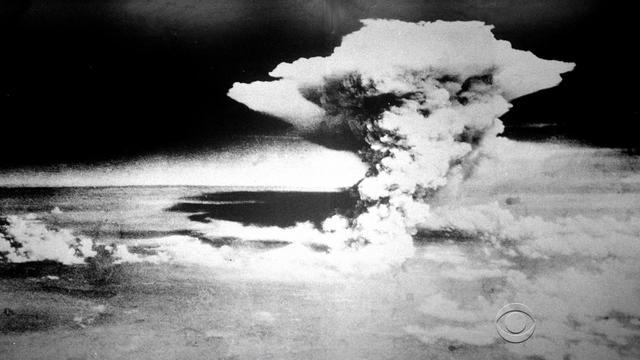
On Sept. 2, 1945, after two atomic bombs were dropped by the United States, representatives from Japan surrendered their country
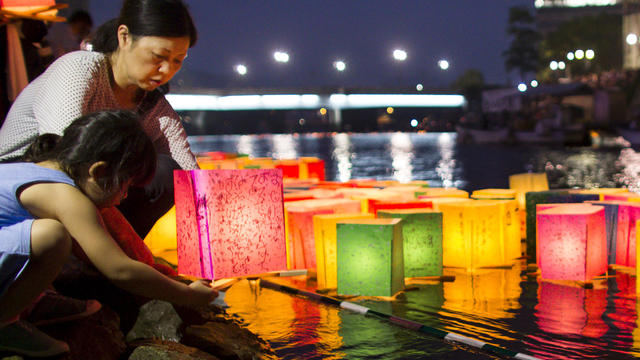
A survivor of the 1945 bombing says she tells the story with the hope that history will never be repeated
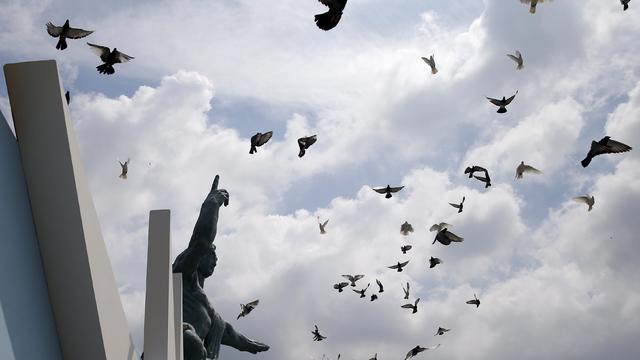
Atomic bomb blast on August 9, 1945, killed more than 70,000 people, days after bombing of Hiroshima left 140,000 dead
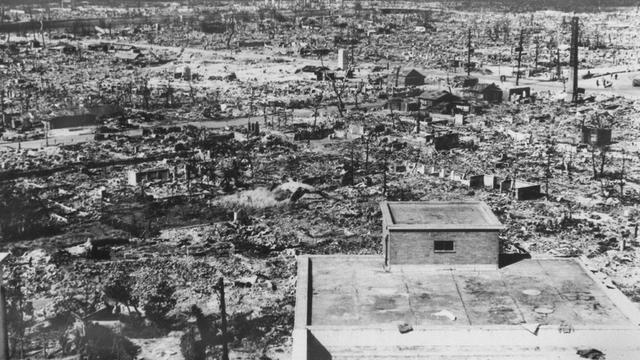
The atomic bomb shortened World War II by forcing the Japanese to surrender; but 140,000 people were killed in a city that still feels the loss
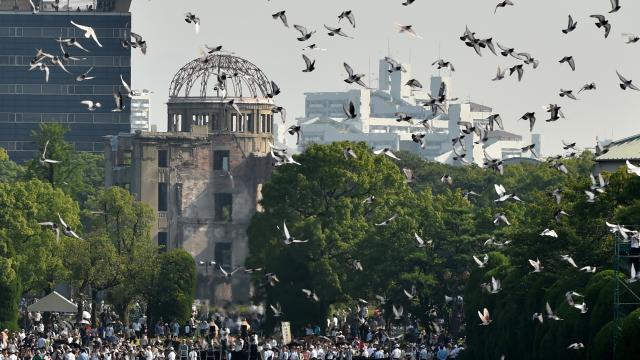
Mayor says nuclear weapons are "absolute evil and ultimate inhumanity" and encourages leaders to "encounter the reality of the atomic bombings"
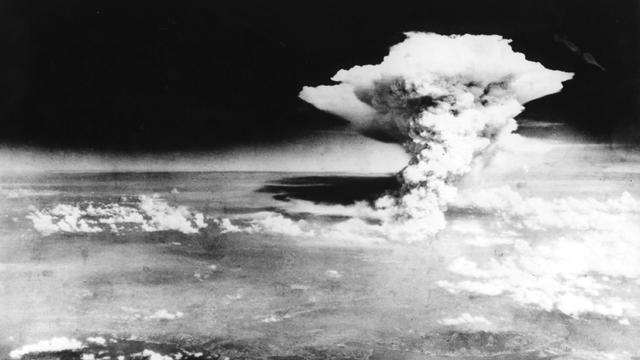
On two days in August 1945, U.S. planes dropped two atomic bombs, one on Hiroshima, another on Nagasaki, leading to the unconditional surrender of Japan and the end of World War II