Full transcript of "Face the Nation" on May 31, 2020
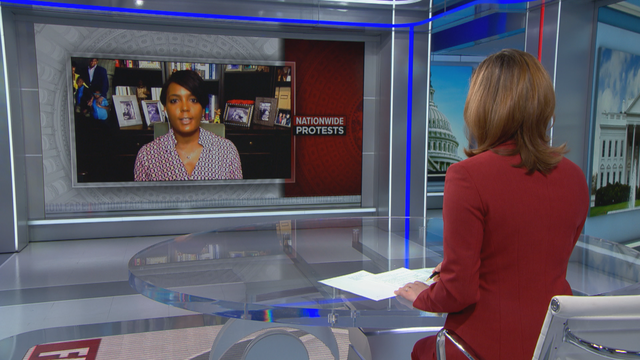
On this "Face the Nation" broadcast, we sat down with Floyd family attorney Benjamin Crump, Atlanta Mayor Keisha Lance Bottoms and Scott Gottlieb
Watch CBS News
On this "Face the Nation" broadcast, we sat down with Floyd family attorney Benjamin Crump, Atlanta Mayor Keisha Lance Bottoms and Scott Gottlieb
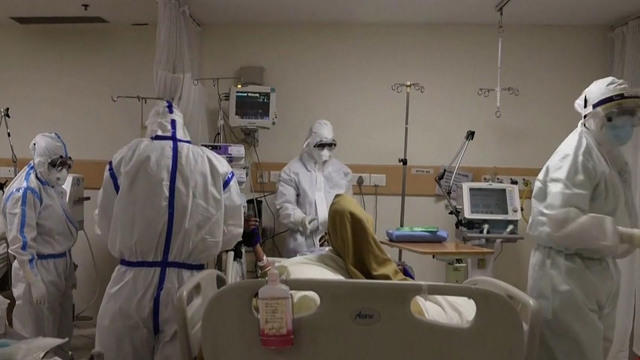
CBS News senior foreign correspondent Elizabeth Palmer on COVID's latest impact on the global community.
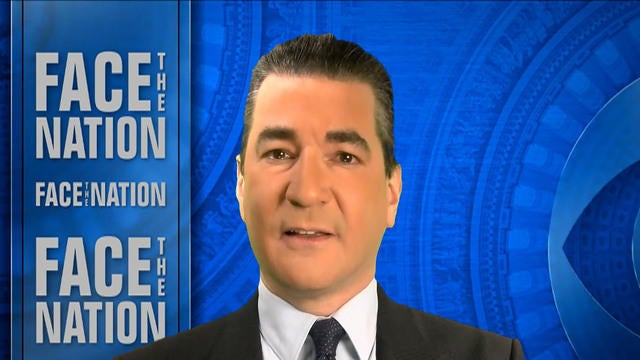
Former FDA Commissioner Scott Gottlieb cautioned against the potential spread of coronavirus as thousands of people take to the streets to demonstrate.
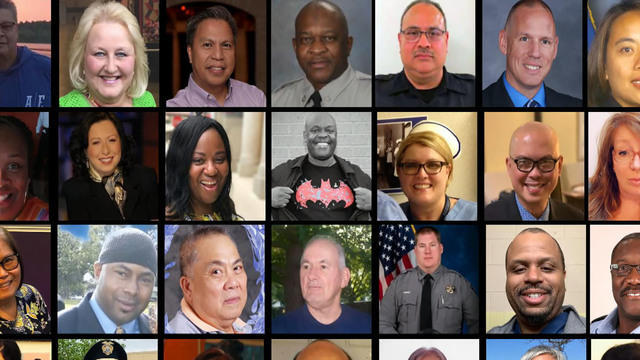
"Face the Nation" moderator Margaret Brennan on the stunning death toll COVID-19 has created across the world.
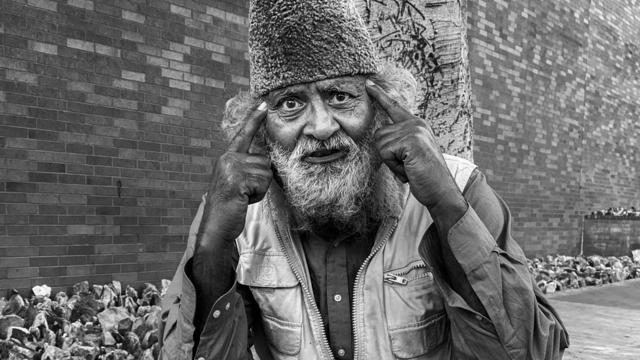
Haunting black-and-white images capture some of the most vulnerable citizens of Los Angeles, taken by photographer Michael Christopher Brown from National Geographic
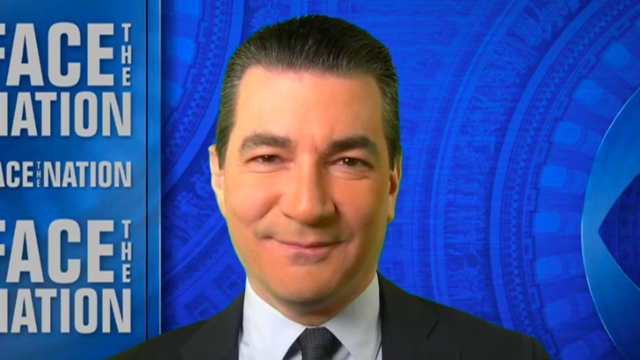
The following is a transcript of an interview with former FDA Commissioner Scott Gottlieb that aired Sunday, May 31, 2020, on "Face the Nation."
Today on "Face the Nation," pain and anger following the death of George Floyd explodes into violence across a bitter and divided nation already reeling from the impact of the coronavirus.
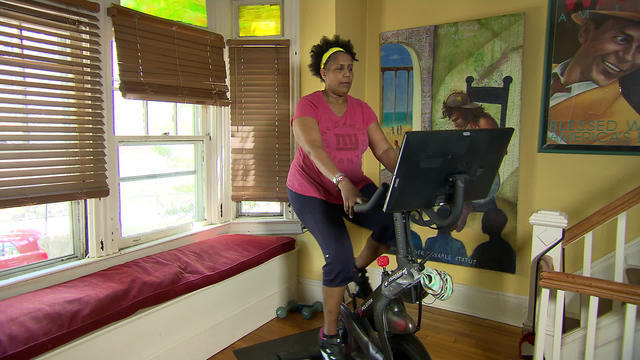
At-home fitness is now more in demand, which has benefited Peloton, the exercise bike and treadmill maker that’s seen a surge in business as the COVID-19 pandemic has closed gyms. Stuck at home, correspondent Nancy Giles reports on the company the best way she can – by pedaling.
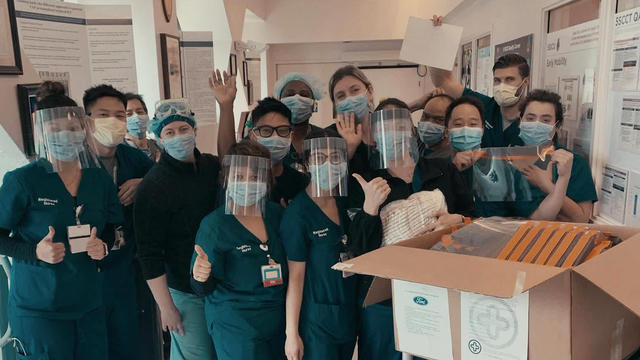
Companies have been pivoting to a new style of advertisement ever since the outbreak of COVID-19 altered our world and upended consumers' shopping habits. Correspondent Anna Werner talks with advertising and marketing experts about what new messaging is being broadcast during the pandemic; and with actor Matthew McConaughey, who has created a series of public-service ads aimed at increasing awareness about social distancing.
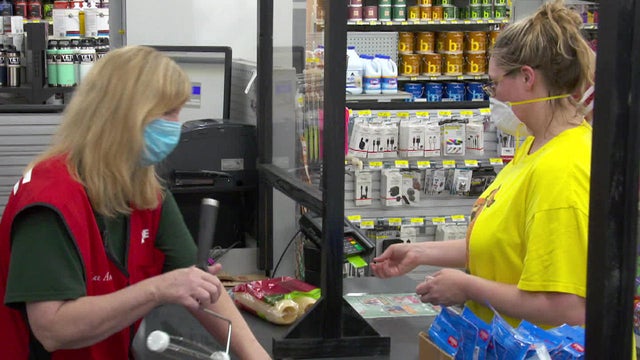
With plexiglass dividers becoming just one sign of the way Americans' lives have changed because of coronavirus, Mo Rocca examines how new social behaviors and policies may, or may not, stick
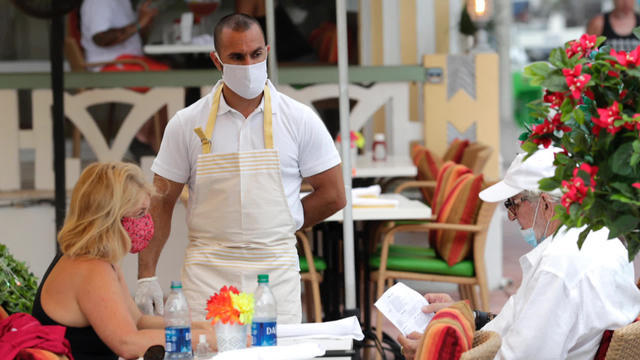
Social distancing, plexiglass dividers and facemasks are just some signs of the ways Americans' lives have changed because of coronavirus. But are all these changes for good? Correspondent Mo Rocca talks with restaurateur Lidia Bastianich, New York University psychology professor Adam Alter, and plastics manufacturer Russ Miller about whether we’ll return to the “old normal.”

Earlier Saturday, Angela Merkel said she "cannot confirm" she would be attending amid the coronavirus pandemic.
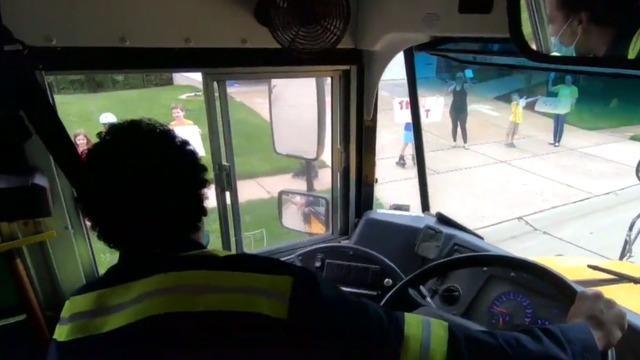
With schools closed prematurely due to the coronavirus pandemic, bus drivers haven't seen their usual riders since March. But some bus drivers took it upon themselves to hit their routes one last time to wave goodbye to students and parents before summer break. Steve Harris reports.

When restaurants and schools closed at the beginning of the coronavirus pandemic, dairy farmers had to dump tens of thousands of gallons of surplus milk as demand plummeted. Now, they are donating that surplus to food banks instead. Carter Evans reports.
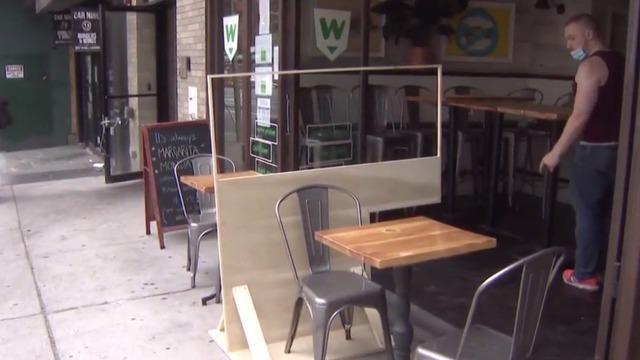
New York City, the epicenter of the coronavirus pandemic in the U.S., is on track to slowly reopen. However, other states throughout the country are still experiencing increases in coronavirus cases. Tom Hanson reports.
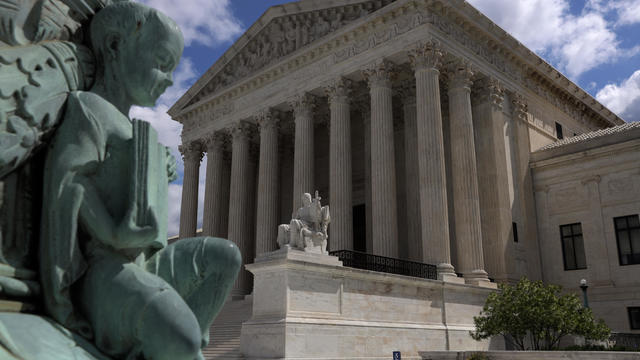
Chief Justice John Roberts joined the four liberals in allowing the restrictions.
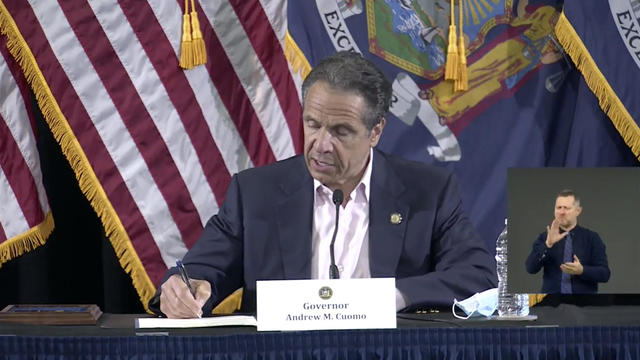
"You gave your lives for us, we will be there for your families going forward," Cuomo said as he signed the legislation at his daily briefing on the virus.
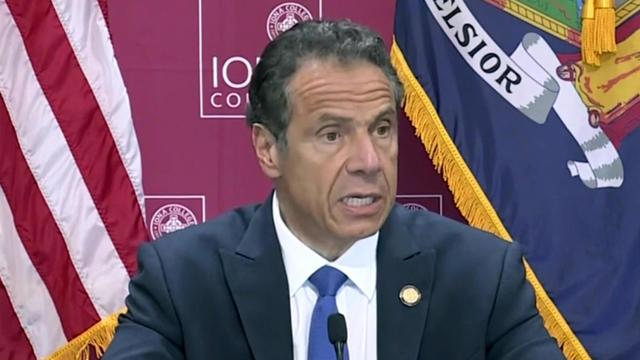
Violent clashes between police and civilians took place during protests in Brooklyn on Friday.

The U.S. is currently the largest funder of the WHO, and the organization is expected to be weakened by its departure.

An East London pub that was forced to shut during the coronavirus pandemic found a way to get its beer to customers, while customers can't get to the bar. Peter Brown, the U.S.-born owner of the Forest Road Brewery, has set up the "Tactical Beer Response Unit," helping locals get through the pandemic one pint at a time. Imtiaz Tyab speaks to Brown about his efforts.

Founded during the AIDS crisis, God's Love We Deliver is a charity committed to feeding homebound New Yorkers afflicted with disease. Decades later with another pandemic affecting the country, the charity is working nonstop to meet the spike in demand amid the coronavirus crisis. Anthony Mason speaks to God's Love CEO Karen Pearl.
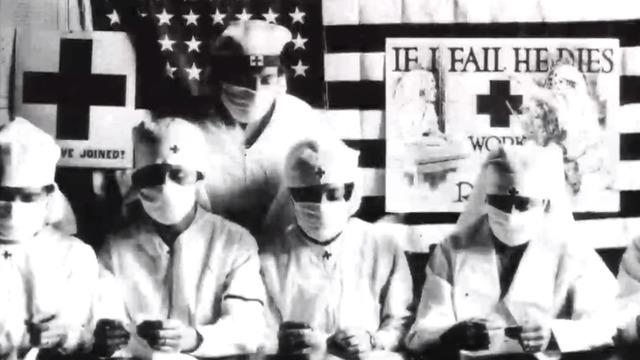
A distant chapter in U.S. history has acquired new interest this year, as the coronavirus outbreak forces the country to look back at the Spanish flu pandemic, just over a century ago. Elizabeth Palmer looks at what's done differently today, and the many things that have stayed the same.
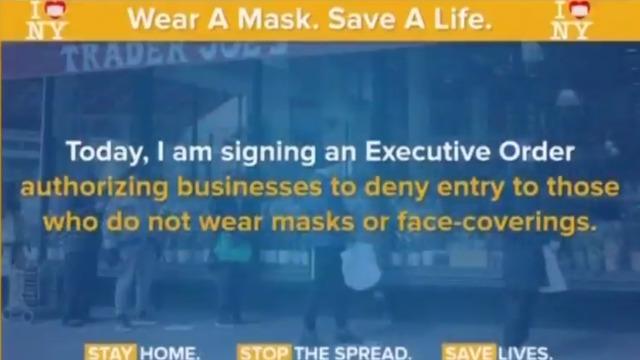
A new study says more than two million New York residents may have been infected with the coronavirus by the end of March, far more than previously reported. New York City, which has been the epicenter of the virus, is expected to start the first phase of reopening next week. Tom Hanson reports on what New York's reopening is expected to look like, as well as reopenings around the country.
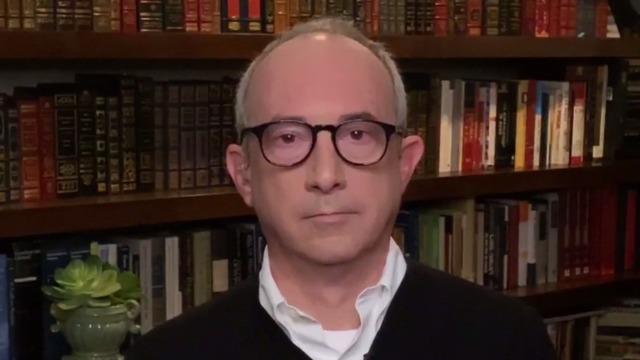
With the country starting to open for business, CBS News medical contributor Dr. David Agus takes a look at prevention, vaccines and the recent stop in funding to the World Health Organization.
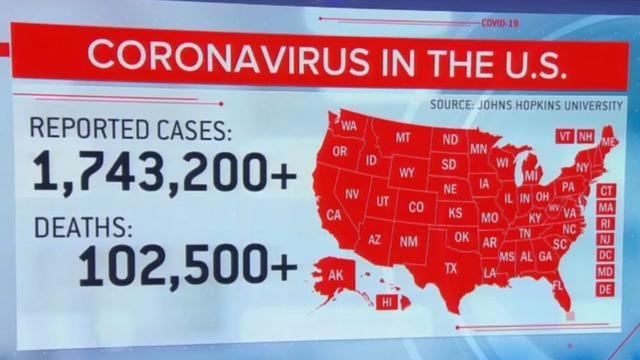
The CDC is suggesting the coronavirus likely started spreading in the U.S. much earlier than it was detected. The U.S. death toll surpassed 102,000 on Friday, as many states began re-opening businesses. Mola Lenghi reports.