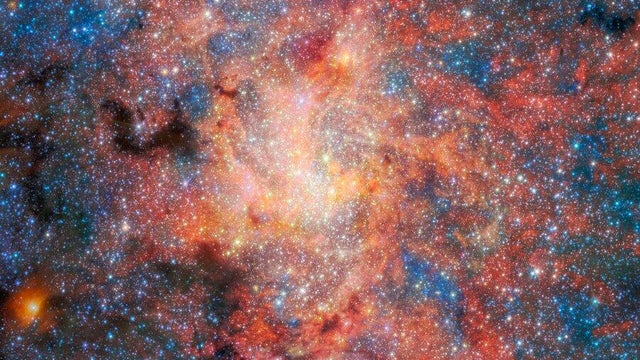
New space object called "black hole star" discovered by astronomers
The newly discovered object looks like a star the size of our solar system, but produces 100 billion times more energy than any star.
Watch CBS News
The newly discovered object looks like a star the size of our solar system, but produces 100 billion times more energy than any star.
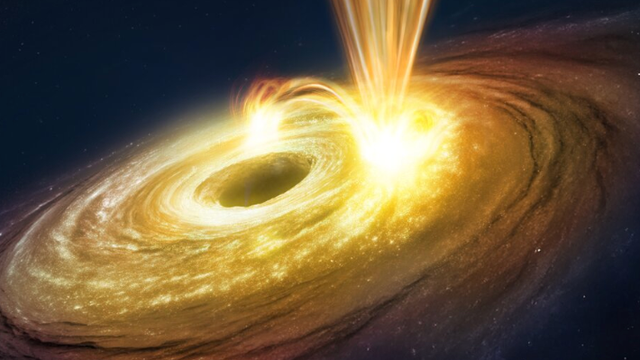
The European Space Agency said that the black hole inside the spiral galaxy NGC 3783 has the mass of 30 million suns.
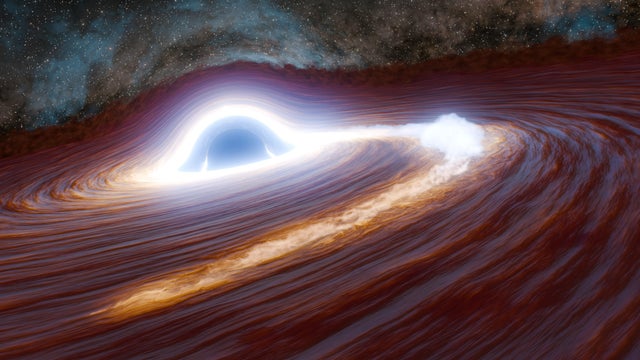
Researcher Matthew Graham said scientists didn't initially "believe the numbers about the energy" emitting from the cosmic display.
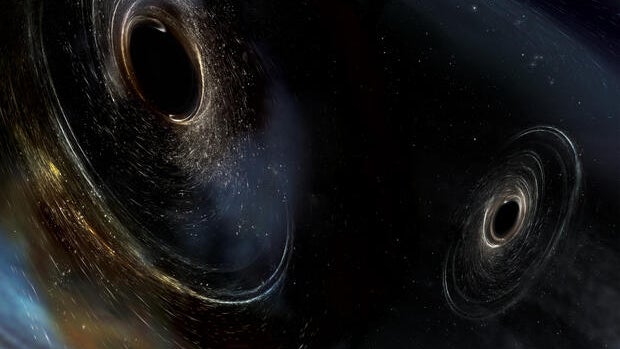
Two black holes merged into one massive one, scientists from an international collaborative group said.
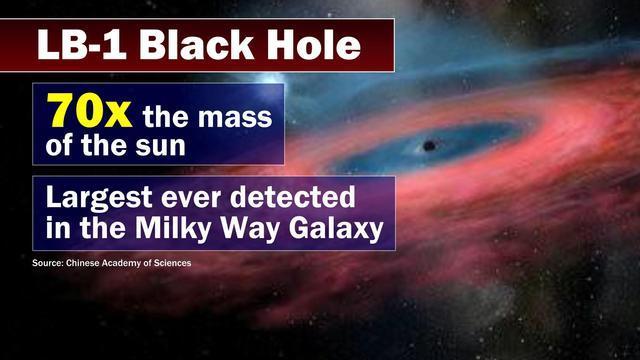
Astronomers in China made a surprising discovery: a massive black hole in our galaxy. Called LB-1, this one is about 70 times the mass of the sun. It's the first time a black hole of this size has been detected in the Milky Way.
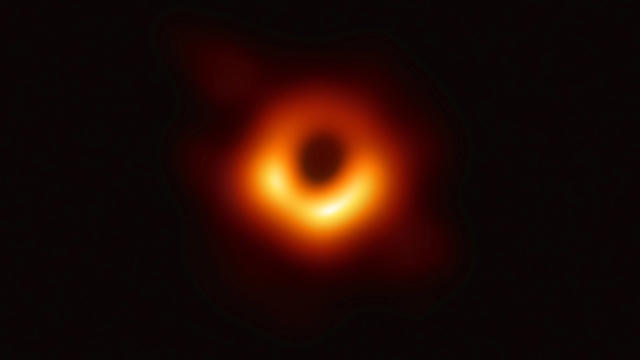
Secretary of the Smithsonian Institution Lonnie G. Bunch III explains to CBS News national correspondent Chip Reid the personal connection that one of the most prized artifacts in the Smithsonian's collection, the very first image taken of a massive black hole, holds for him.
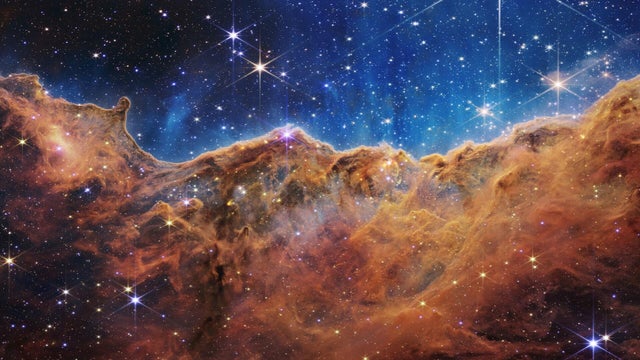
The universe is poised to die much faster than previously thought, according to new research by Dutch scientists.
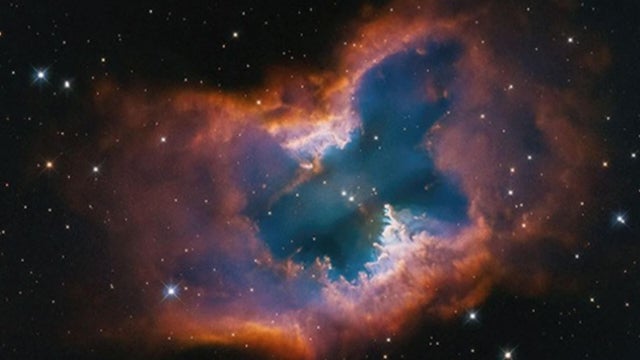
The Hubble Space Telescope "opened a new window to the universe" when it launched into space. Now, 35 years later, NASA is releasing some stunning images to celebrate.
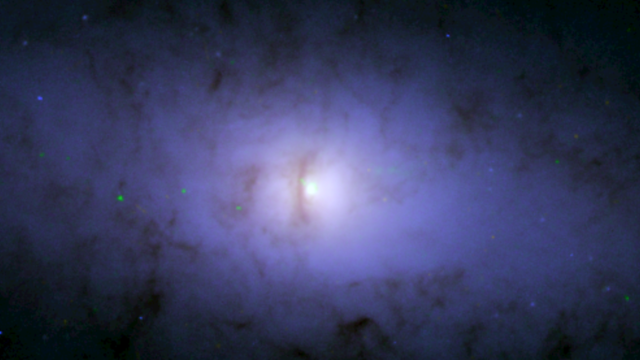
New analysis techniques and decades-old research helped NASA scientists identify an unusual black hole in a distant galaxy.
The visualization, produced on a NASA supercomputer, allows users to experience flight towards a supermassive black hole.
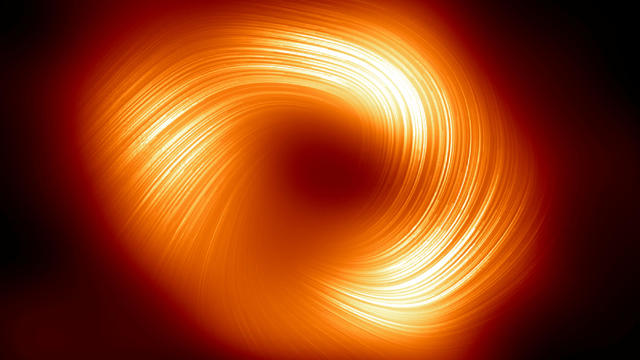
Supermassive black holes are believed to have emerged very early in the universe but their creation remains a mystery.
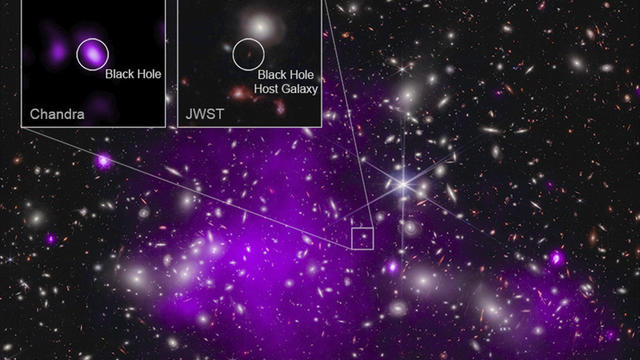
"It's astounding how this thing actually is sitting in place already with its galaxy so early on in the universe," said one of the study's authors.
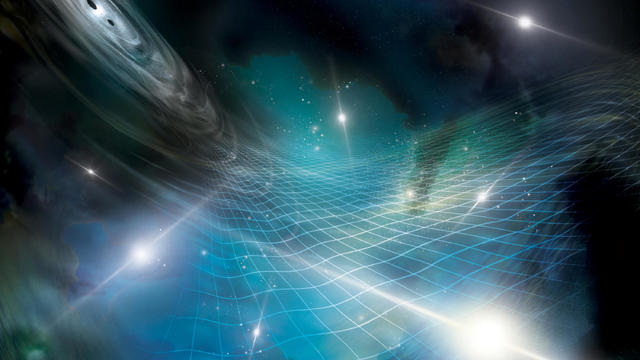
"We're starting to open up this new window on the universe," one astrophysicist said.
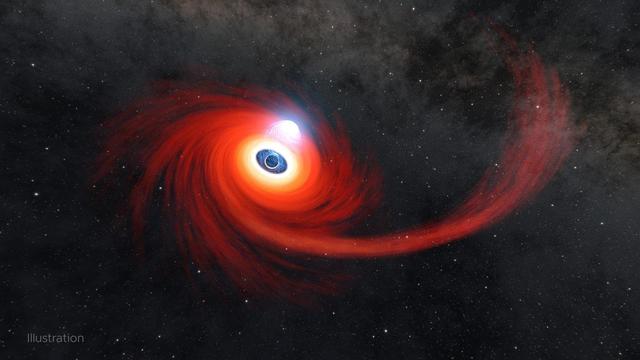
The tidal disruption event provided astronomers with an "unprecedented view" of how a corona is formed and evolves.
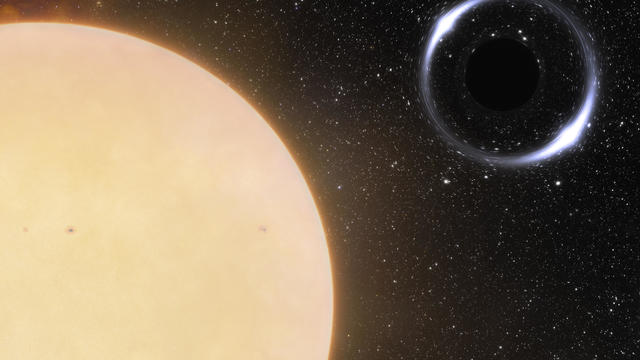
Scientists said the black hole is 10 times more massive than the sun.
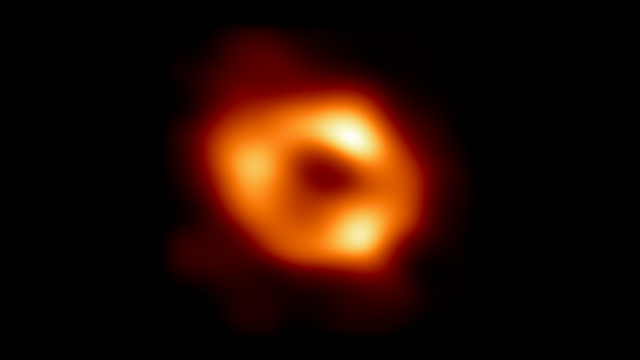
The ALMA radio telescope in Chile's Andes mountains picked up something "really puzzling" in the Sagittarius A* data, scientists said.

Republican Rand Paul of Kentucky is stalling Senate approval of an additional $40 billion in U.S. aid to Ukraine. He insists that an inspector general be appointed to oversee spending on Ukraine. The FAA has stripped two daredevil pilots of their licenses after they tried to switch planes in mid-air over the Arizona desert. One crashed. And we’re getting the first image ever of the black hole at the center of the Milky Way. Eight telescopes worldwide helped capture it.
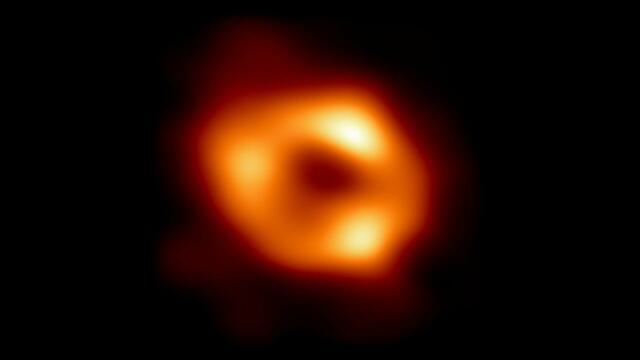
Astronomers have managed to get the first images of the black hole located at the core of the Milky Way. Scientists across seven countries released the first ever image of the black hole called Sagittarius A*. Jeff Glor has more.
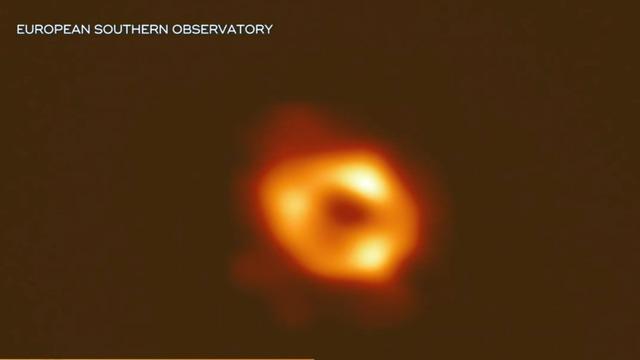
Astronomers have released a colorized image of the black hole at the center of our Milky Way Galaxy, captured by the Event Horizon Telescope collaboration. "CBS News Mornings" takes a look.
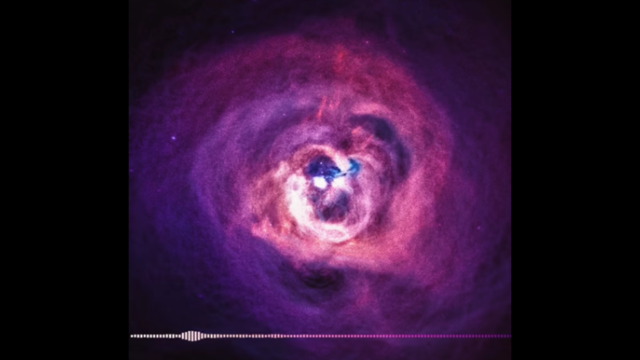
NASA said "this sonification is unlike any other done before."
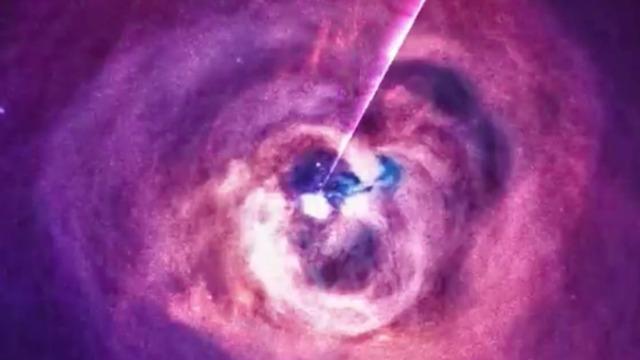
NASA released new audio approximating the sound of a black hole at the center of the Perseus galaxy cluster, which experts discovered had a pitch over a “million billion times deeper” than the limits of human hearing, making it too deep to be heard.
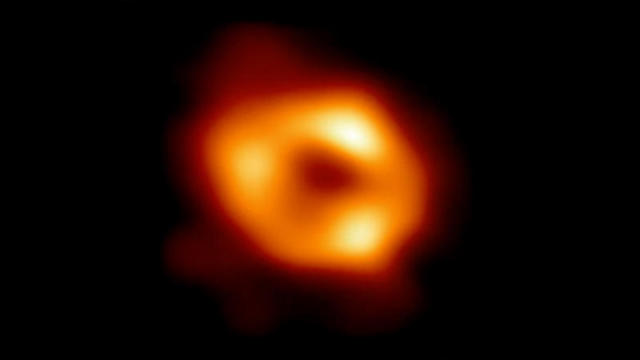
Three years after capturing the first image of a supermassive black hole in a galaxy 55 million light years away, astronomers have managed to "photograph" one closer to home.

Messier 87, a supermassive black hole some 55 million light-years from Earth, is terrifyingly 6.5 billion times the mass of the sun – but it creates surprisingly soothing sounds that might make you drift off to sleep. Listen to M87's latest song, released by NASA.
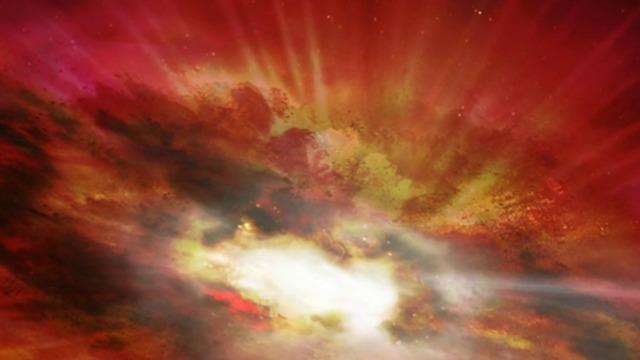
NASA has identified a rapidly growing black hole that was long considered a critical "missing link" to the early universe. Dr. Jennifer Wiseman, a senior astrophysicist at the NASA Goddard Space Flight Center, joins CBS News' Lana Zak to discuss the latest discovery.
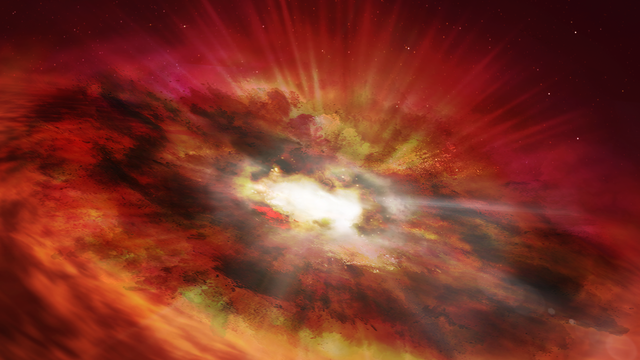
Scientists say a "missing link" that helps to explain the mysteries of the birth of the universe has been hiding in plain sight.