Supermassive black hole found wandering through space
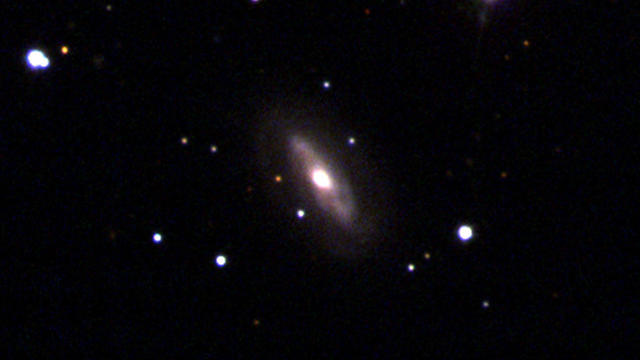
In a galaxy far, far away, there's a supermassive black hole on the move — and scientists aren't sure why.
Watch CBS News
In a galaxy far, far away, there's a supermassive black hole on the move — and scientists aren't sure why.

The supermassive black hole at the center of one of the universe's brightest objects is 1.6 billion times more massive than the sun.
But scientists say not to worry.
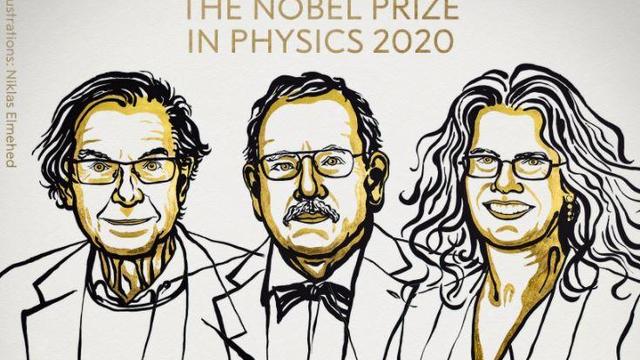
American Andrea Ghez and German Reinhard Genzel will share half the prize money, while Britain's Roger Penrose gets the rest.
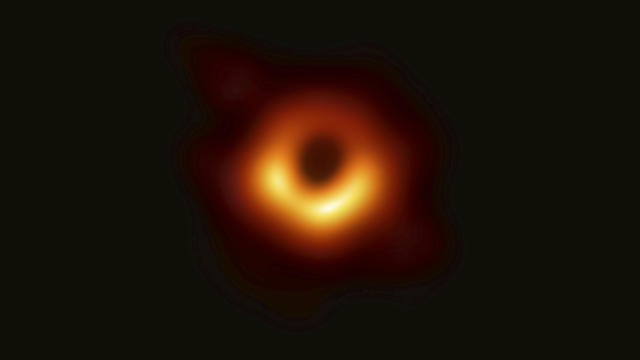
Scientists were surprised to find the ring of gas surrounding the supermassive black hole appears to have moved significantly.
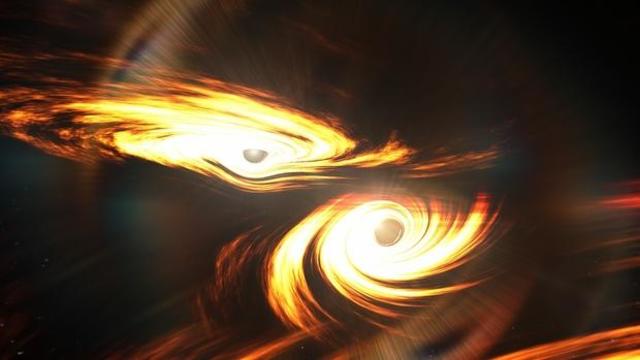
The rare black hole is the result of the most powerful, most massive, most distant merger of two black holes ever recorded in the history of the universe.
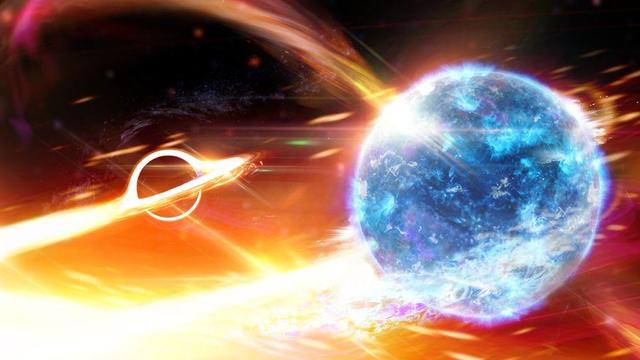
The object seems to be some sort of "Goldilocks star" that doesn't fit our current understanding.
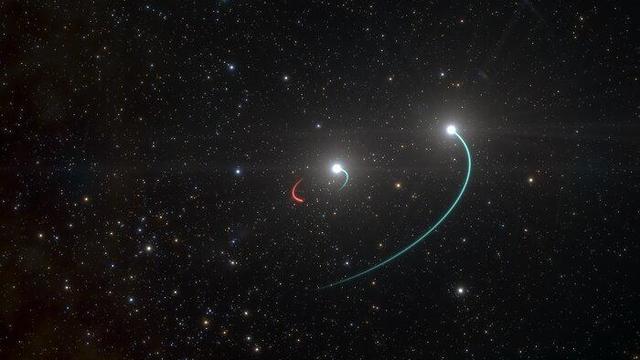
The black hole is so close to us that, on a clear night in the Southern Hemisphere, skywatchers can spot stars dancing around it with the naked eye.
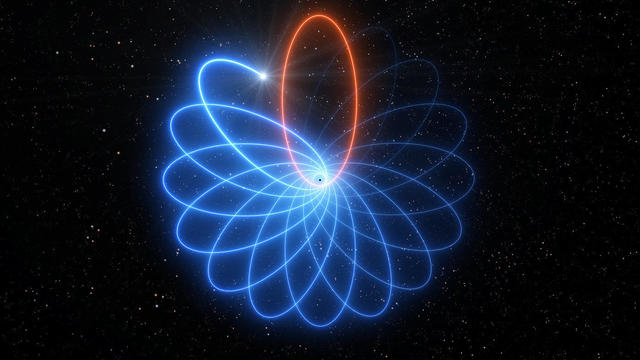
After studying the star for nearly 30 years, astronomers have once again proven Albert Einstein's theory of relativity.
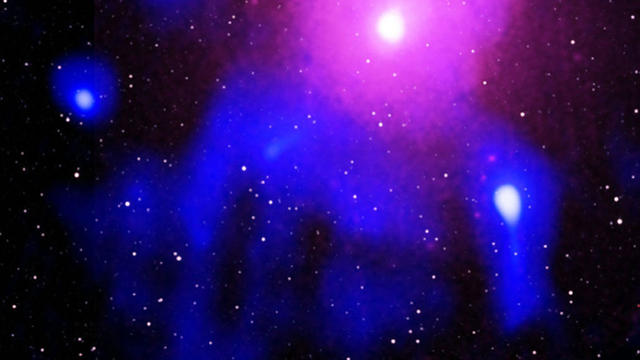
The eruption was so intense it punched a crater the size of fifteen Milky Way galaxies into a part of space hundreds of millions of light-years away.
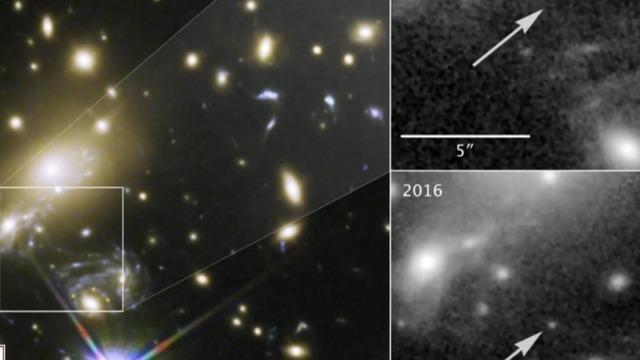
A mysterious object in a galaxy 500 million light-years away is sending out signals — but astronomers have no idea why.
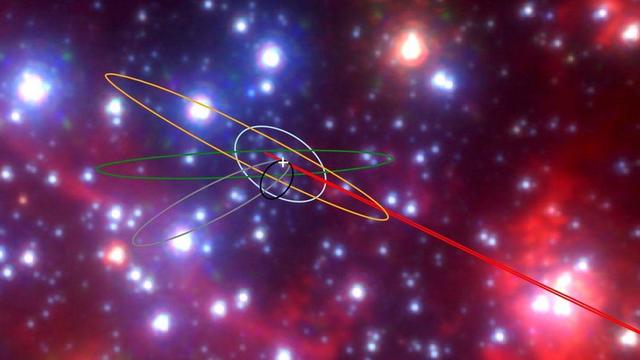
Are they just gas, or are they stars? Astronomers now believe the unusual objects may be a hybrid of both.
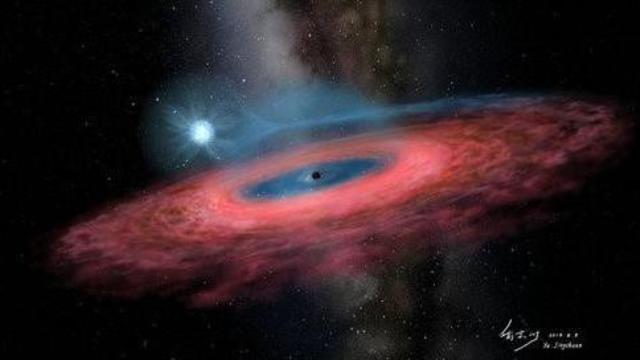
A black hole with a mass of about 70 times that of the sun is lurking across our galaxy.
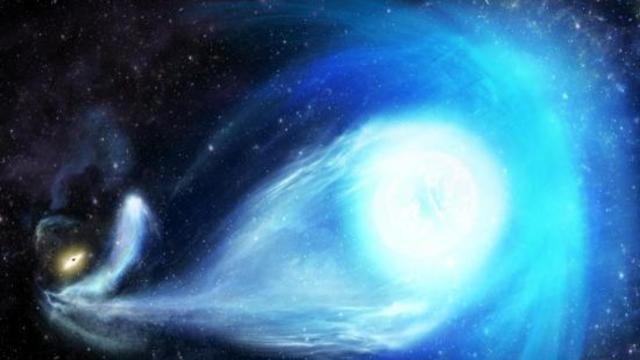
Astronomers spotted the star just 29,000 light-years away from Earth — "practically next door by astronomical standards"
Fans of Fortnite, which raked in more than $2 billion last year, are confused and angry
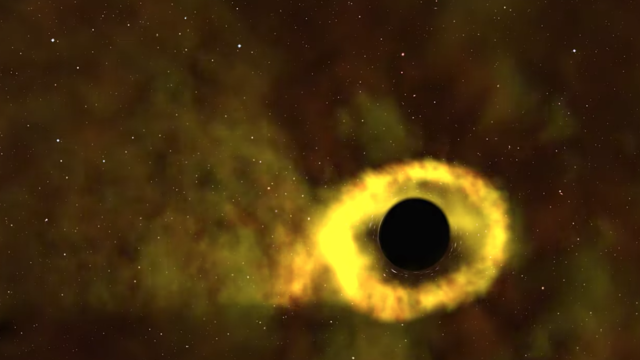
Astronomers say this type of cosmic event happens once every 10,000 to 100,000 years in a galaxy the size of the Milky Way
The cosmic collision could be the first example of a black hole colliding with a neutron star — possibly offering new insights into the expansion of the universe
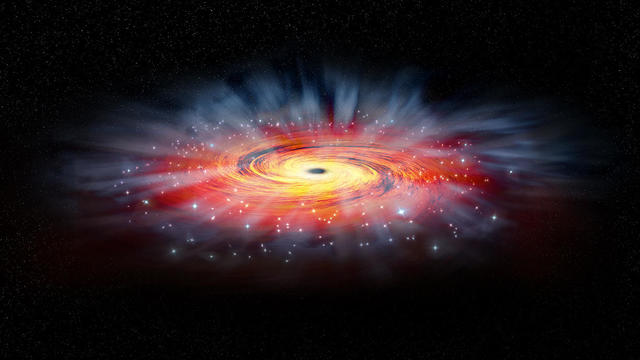
Scientists called the flashes "unprecedented"
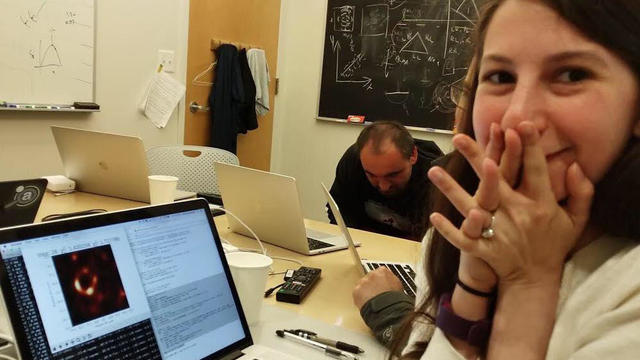
Dr. Katie Bouman led the creation of a new algorithm to produce the first-ever image of a black hole
Black holes are the universe's most powerful vacuum, inhaling everything
In an historic observation, a globe-spanning virtual telescope has directly imaged a black hole's shadow
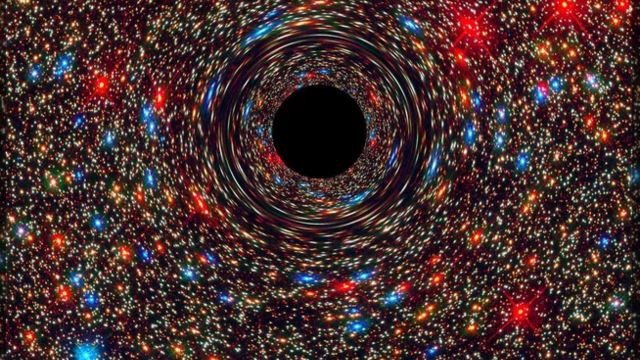
The Event Horizon Telescope team is poised to announce its findings regarding black hole observation
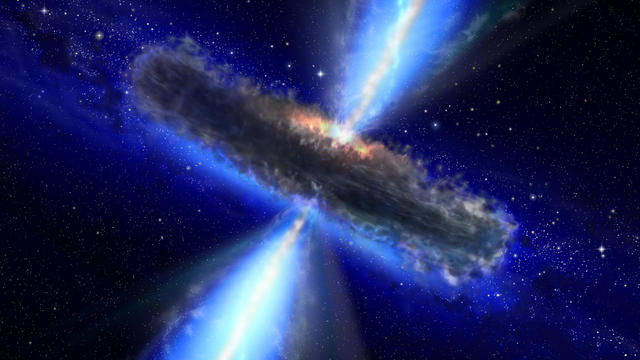
Detector buried under more than a mile of ice in Antarctica detects high-energy neutrino, traces it to black hole more than a billion times more massive than the sun
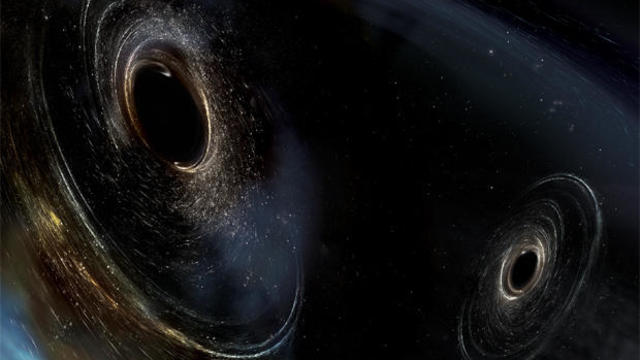
Scientists have detected gravitational waves from two colliding black holes some 3 billion light years away
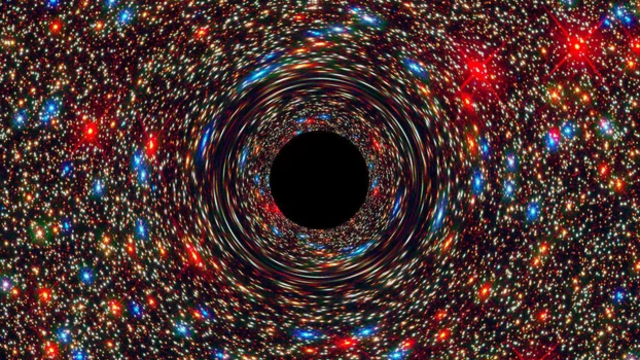
A peak inside astronomers' plans to capture the first-ever image of a black hole