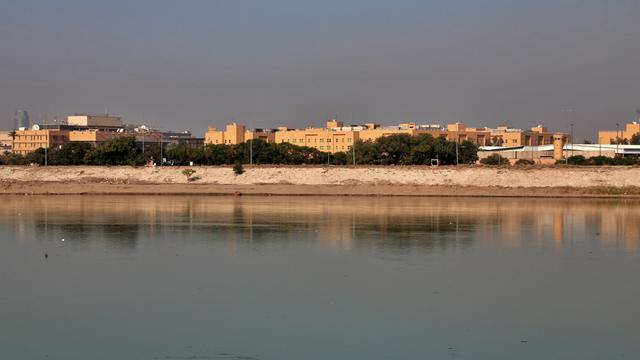
Trump administration threatens to close U.S. embassy in Iraq
The embassy is one of the largest and most expensive American diplomatic missions in the world, and its closure would concern U.S. allies.
Watch CBS News
The embassy is one of the largest and most expensive American diplomatic missions in the world, and its closure would concern U.S. allies.
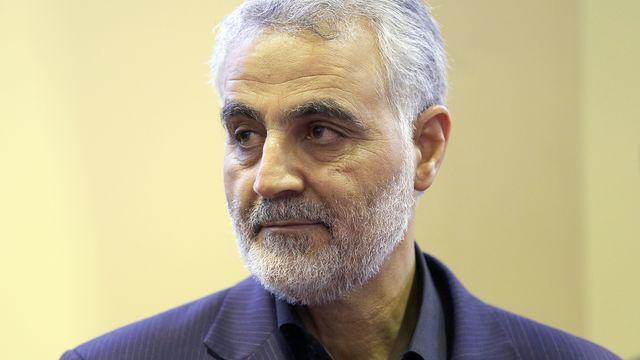
Congressional Democrats agree with President Trump and Republicans that Iranian General Qassem Soleimani was an enemy of the U.S., but Democrats also have grave concerns that the U.S. airstrike that killed Soleimani happened without congressional authorization. CBS News political correspondent Ed O'Keefe joined "CBSN AM" from Capitol Hill to discuss.
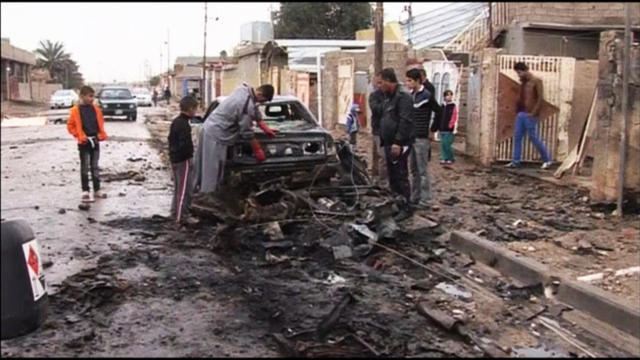
CBS News foreign correspondent Elizabeth Palmer covered Iraq for more than a decade during the U.S. occupation and reports that many Iraqis feel the despair of broken promises and the onslaught of another war.
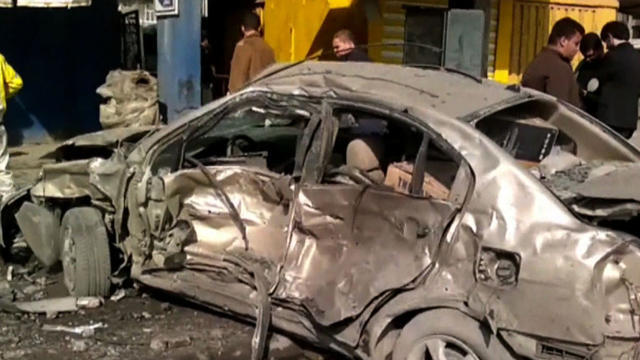
A wave of bombings in Iraq have killed more than 40 people. CBS News correspondent Elizabeth Palmer reports from Baghdad on the security concerns in the country.
White House spokesman Jay Carney says President Obama is "very engaged" in helping to defuse the violence and terrorism escalating in Iraq.
A suicide bomber killed at least a dozen people in Iraq trying to sign up to join a police force. CBS News correspondent Elizabeth Palmer reports.
House Speaker John Boehner, R-Ohio, pushes President Obama to do more to defuse the escalating spiral of violence and terrorism in Iraq.
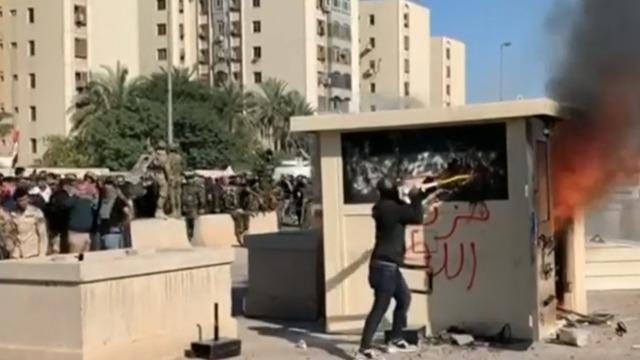
Protesters have attacked the U.S. embassy in Baghdad after U.S. airstrikes on Iranian-backed forces in the country. Behnam Ben Taleblu, a senior fellow at the Foundation for Defense of Democracies, joined CBSN to talk about the context of the attack.
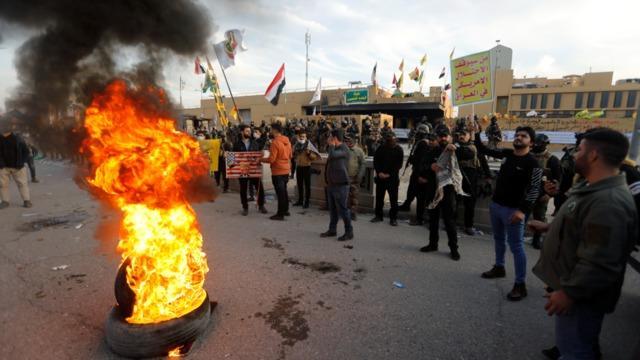
The crisis at the U.S. Embassy in Iraq has calmed down as demonstrators left the area. Violence erupted earlier this week after supporters of Iranian-backed militias attacked the facility. The turmoil has highlighted escalating tensions between the U.S. and Iran, with Iraq stuck in the middle. Matthew Kroenig, an associate professor at Georgetown University's School of Foreign Service, joins CBSN to break down the latest developments.
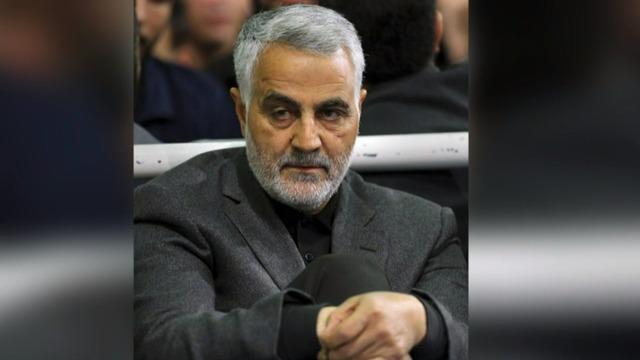
According to officials, the attack on the U.S. embassy in Baghdad this week, while highly visible, was not what instigated the plan to kill Qassem Soleimani, CBS News national security correspondent David Martin reports. The operation against him was set in motion after an American defense contractor was killed last week in Kirkuk in a rocket attack on an Iraqi military base, Martin reported.

The streets of Baghdad were choked Friday with thousands of protesters, answering the call of a powerful Shiite cleric to show their anger at the U.S. over the airstrike that killed an Iranian commander in Baghdad. CBS News' Charlie D'Agata reports from the Iraqi capital.

Rockets targeted base housing coalition forces north of Baghdad. At least a dozen others were wounded.
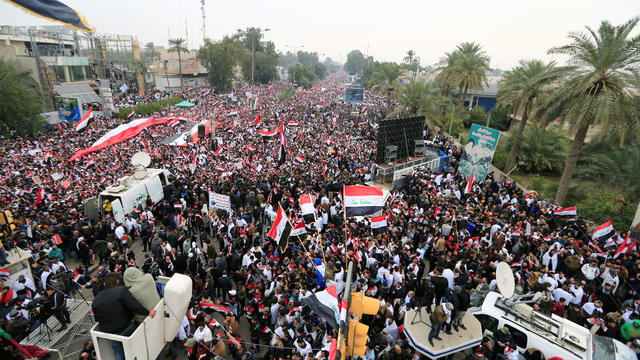
The massive rally is the latest manifestation of rage against Trump's decision to blow up an Iranian general in Baghdad.
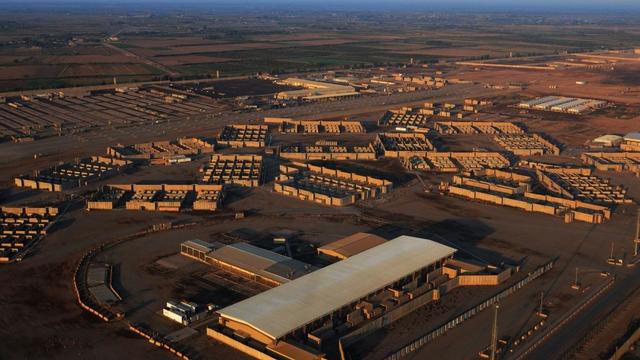
Officials say Sunday's incident wounded an Iraqi Air Force officer and three enlisted men; no group has claimed responsibility.
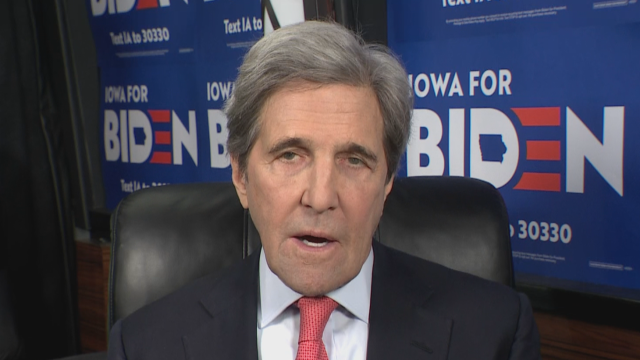
The former secretary of state told "Face the Nation" accused Sanders of "distorting" Biden's record on the war in Iraq.
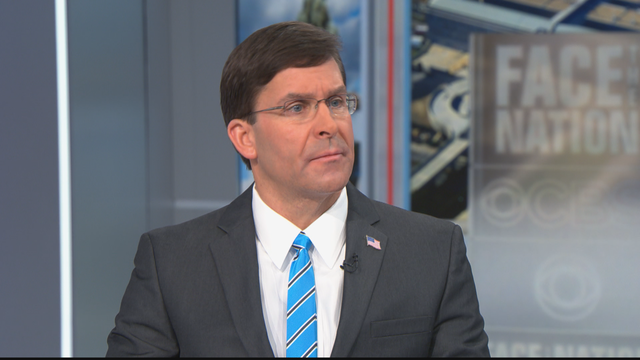
The defense secretary told "Face the Nation" he "didn't see" specific evidence showing four embassies were going to be attacked.
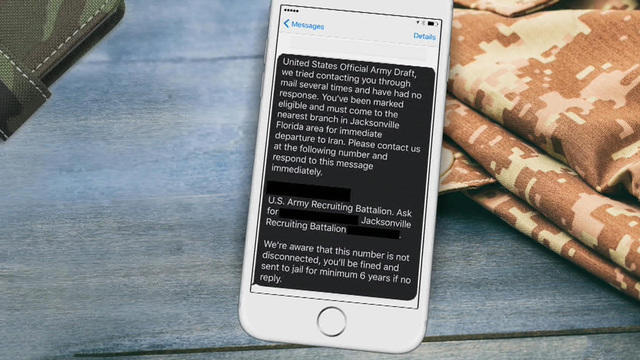
People across the country have received fraudulent text messages ordering them to report for military duty.

Petraeus called the death of Soleimani more significant than the deaths of Osama bin Laden and Abu Bakr al-Baghdadi.
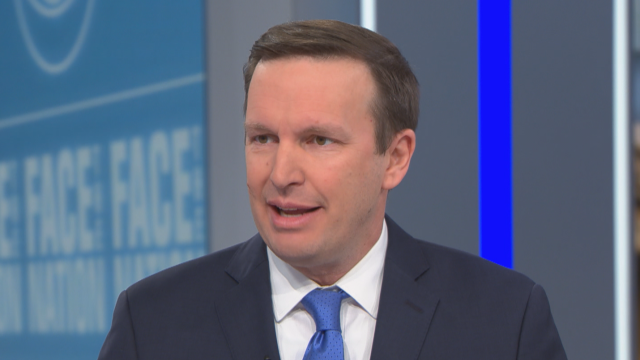
The Connecticut Democrat said the strike against the Iranian general could open a "Pandora's box" that puts the lives of U.S. officials at risk.
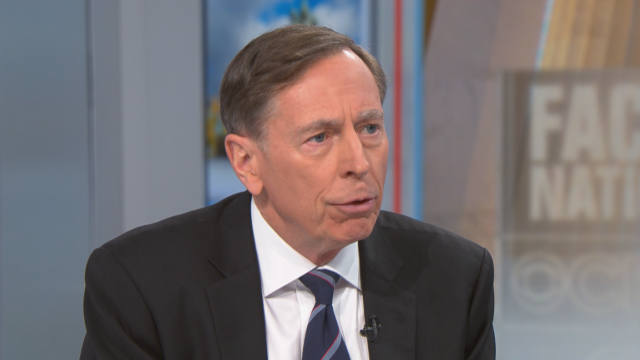
The following is a transcript of an interview with David Petraeus on "Face the Nation" that aired Sunday, January 5, 2020.
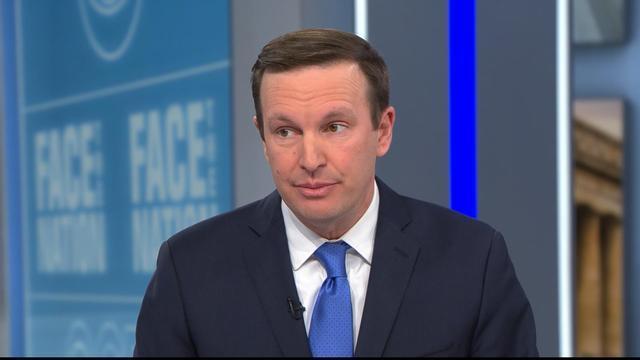
The following is a transcript of Senator Chris Murphy on "Face the Nation" that aired Sunday, January 5, 2020.

The secretary of state told "Face the Nation" the president was justified in ordering the killing of an Iranian military leader.
The following is a transcript of an interview with Secretary of State Mike Pompeo that aired Sunday, January 5, 2020.
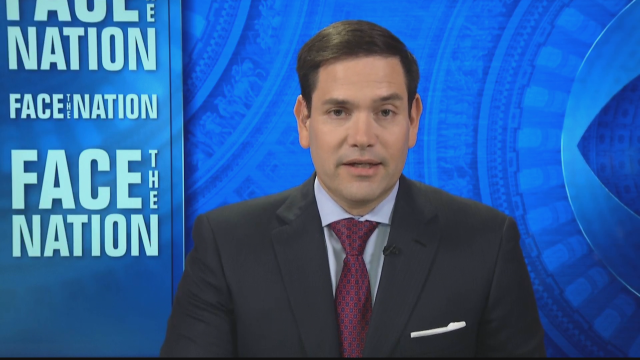
The following is a transcript of an interview with Senator Marco Rubio that aired Sunday, January 5, 2020.
Rubio told "Face the Nation" that the strike that killed Qassem Soleimani was necessary to protect American lives.