Artemis II moon rocket hauled off launch pad for repairs
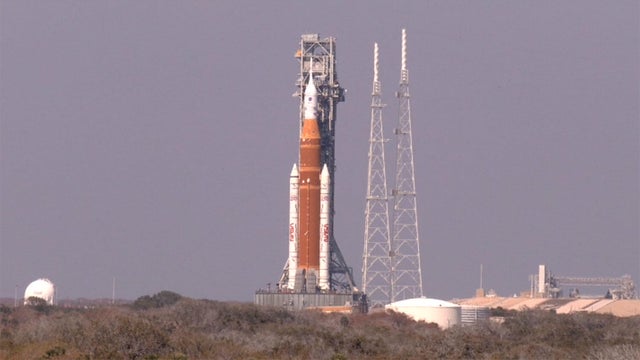
Fixing the Space Launch System rocket's helium pressurization problem has pushed the Artemis II launch to at least April 1.
Watch CBS News
Fixing the Space Launch System rocket's helium pressurization problem has pushed the Artemis II launch to at least April 1.
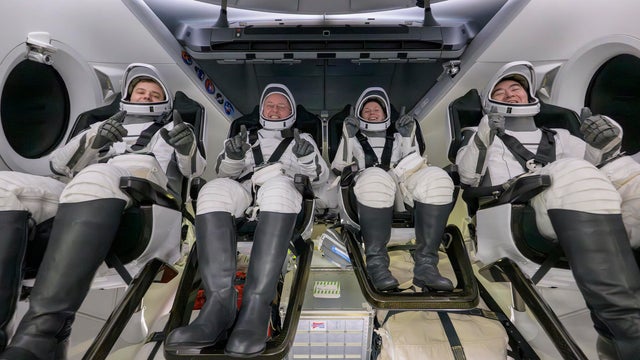
NASA astronaut Mike Fincke said he was the crew member whose medical issue required a group of space station fliers to return to Earth earlier than planned last month.
The Pentagon's release of files might help scientists shed light on unexplained phenomena and government secrets, experts said.
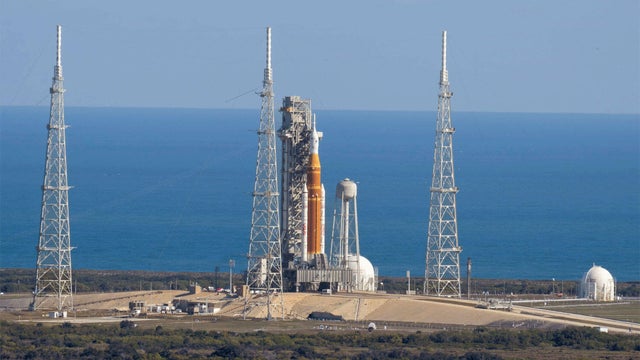
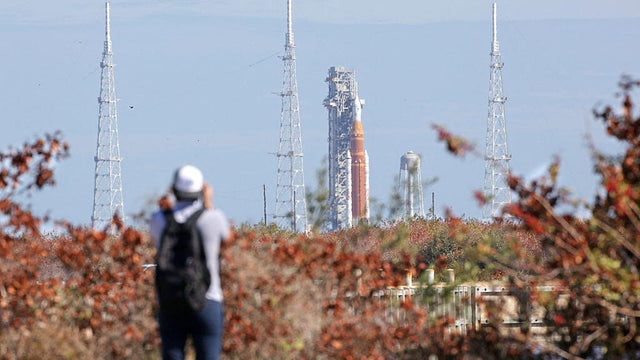
The space agency said Sunday it's targeting Tuesday for the slow, four-mile trek across Kennedy Space Center, weather permitting.
The Artemis II mission aims to send four astronauts — Reid Wiseman, Victor Glover, Christina Koch and Canadian astronaut Jeremy Hansen — on a flight around the far side of the moon and back.
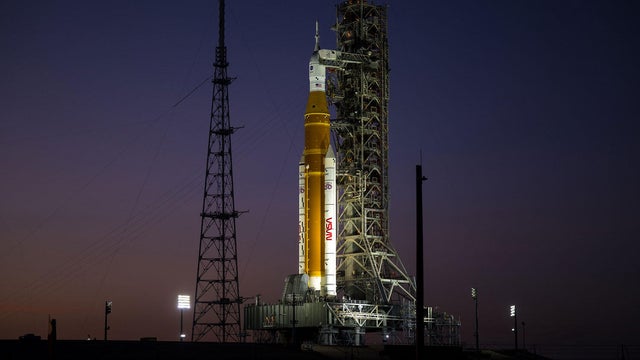
A successful fueling test prompts NASA to press ahead toward a March 6 moonshot.
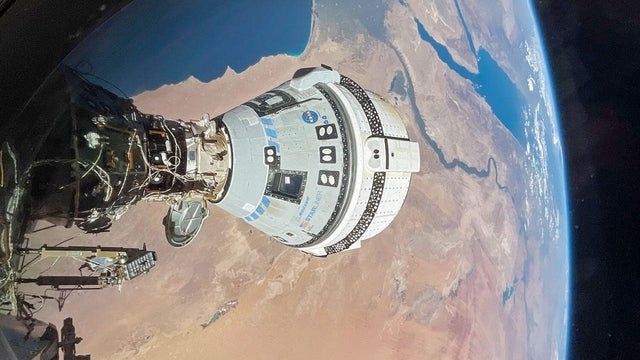
Astronauts Barry "Butch" Wilmore and Sunita Williams were expecting to spend eight to 10 days in space. They ended up remaining in orbit for 286 days.
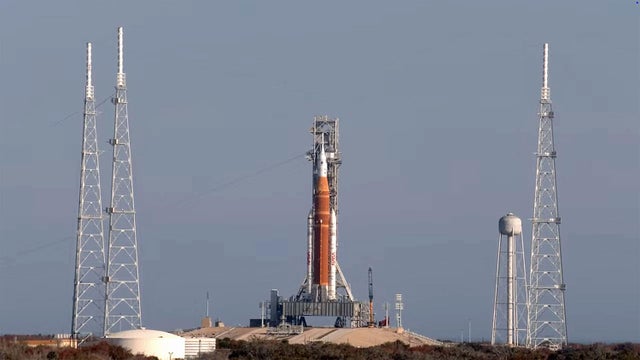
Engineers were able to fully fuel NASA's Artemis II moon rocket without any signs of leaks like the ones that derailed an earlier dress rehearsal.
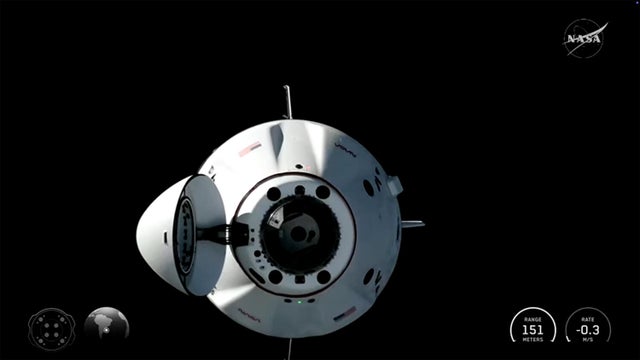
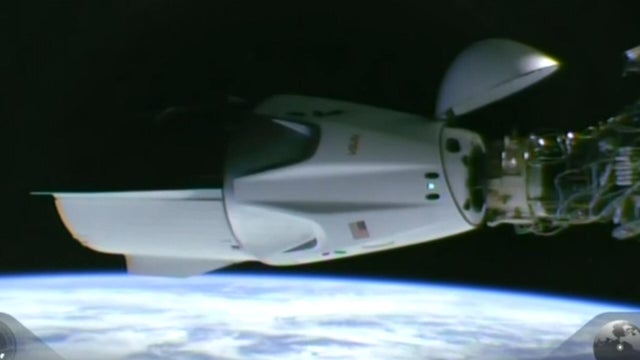
The Crew 12 docking came one month after a previous crew had to return to Earth early due to a medical issue.
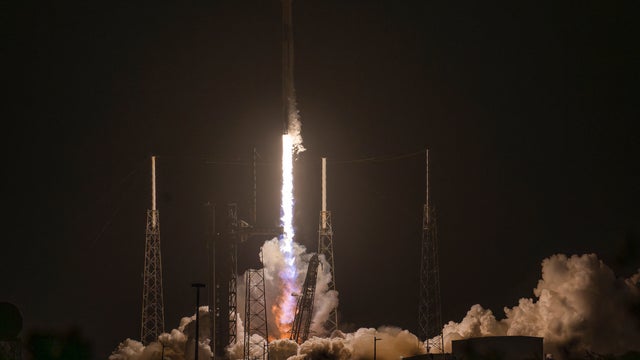
The two-woman, two-man crew is replacing four other station fliers who came home early last month due to a medical issue one was having.
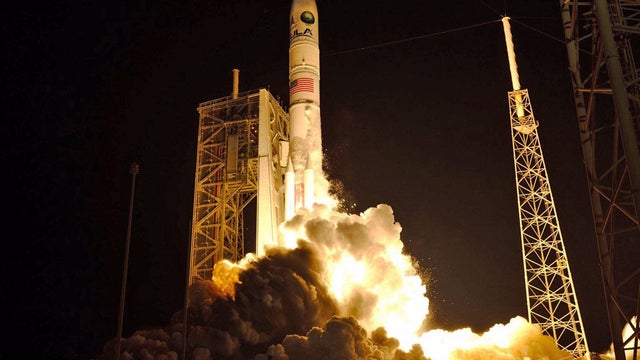
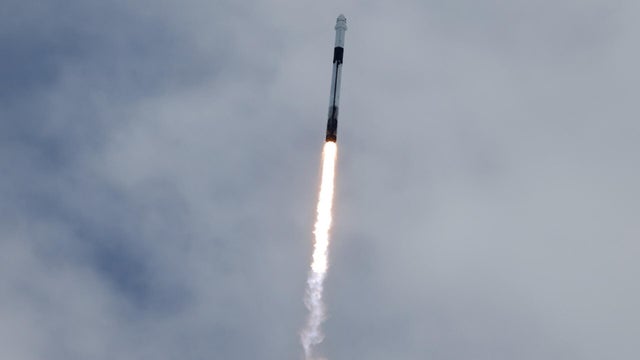
A United Launch Alliance Vulcan rocket carrying classified Space Force payloads suffered a booster problem but apparently made an otherwise "nominal" ascent to space, the company said.
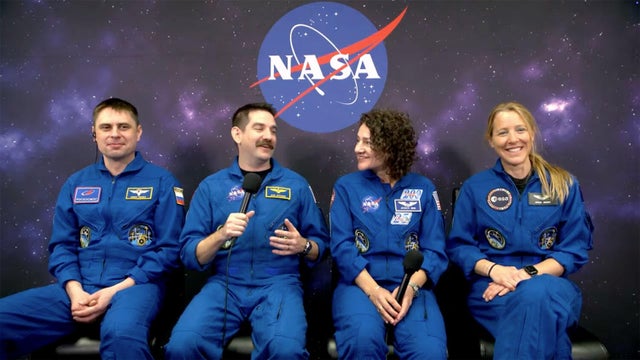
The new crew will replace four station fliers who returned to Earth ahead of schedule last month due to a medical issue.
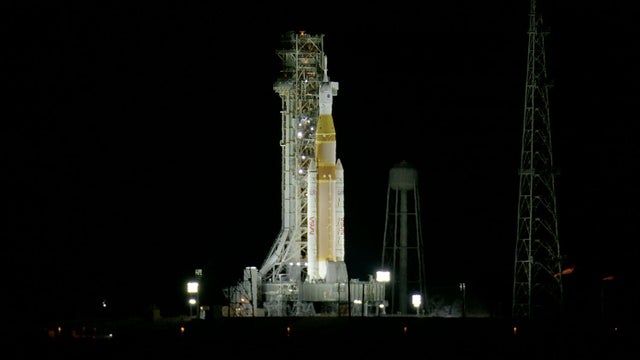
NASA plans to test the planned leak repair with a second dress rehearsal fueling test later this month.
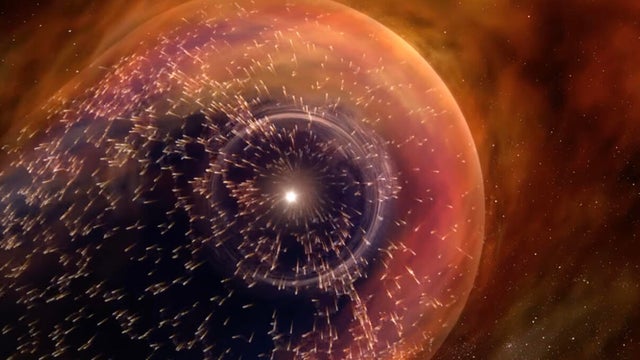
A NASA mission is underway to map the heliosphere, which is a huge protective bubble around the solar system that was created by the sun.
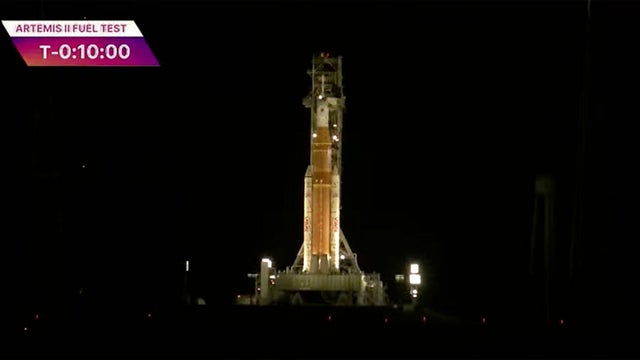
NASA says it can't try until March at the earliest to send a crewed spacecraft on a flight around the moon and back, due to hydrogen leaks during testing of the Artemis II rocket.