Bipartisan House bill would ban use of federal money for DOJ's "anti-weaponization" fund
Washington — Republican Rep. Brian Fitzpatrick of Pennsylvania and Democratic Rep. Tom Suozzi of New York introduced a bill Thursday to ban the use of federal money for paying out claims from the Justice Department's new "anti-weaponization" fund.
The bill, titled the Bipartisan Transparency for American Taxpayers Act, comes as Republicans fight over the nearly $1.8 billion fund that was established to compensate people who claim they were improperly targeted or investigated by the government. Allies and supporters of the president, including some of those involved in the Jan. 6 attack on the Capitol, have said they plan to submit claims for payouts.
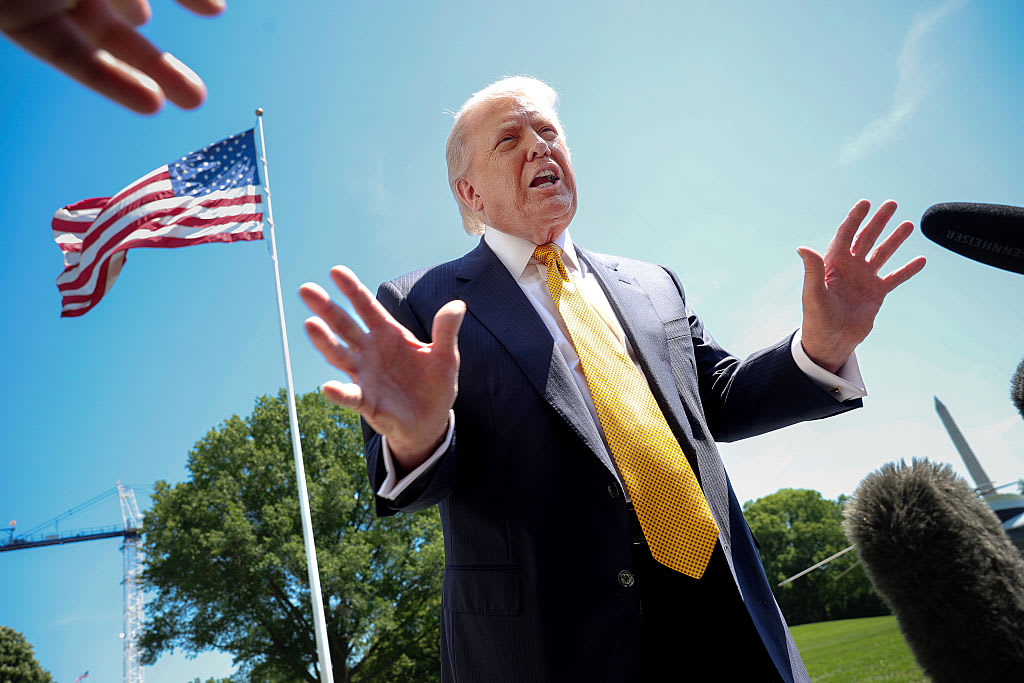
The fund was created as part of a settlement of a suit by President Trump against the IRS over a leak of his tax returns, a highly unusual arrangement that has elicited strong criticism from Democrats and a growing number of Republicans on Capitol Hill.
Fitzpatrick and Suozzi's two-page bill says "no federal funds … may be used for the payment of any claim submitted to the Anti-Weaponization Fund, established by the Department of Justice on May 18, 2026."
"Congress has a constitutional responsibility to protect taxpayer dollars and oversee federal spending," Fitzpatrick said in a statement. "Taxpayer dollars will not become a discretionary payout fund. Transparency is not optional. Accountability is not negotiable."
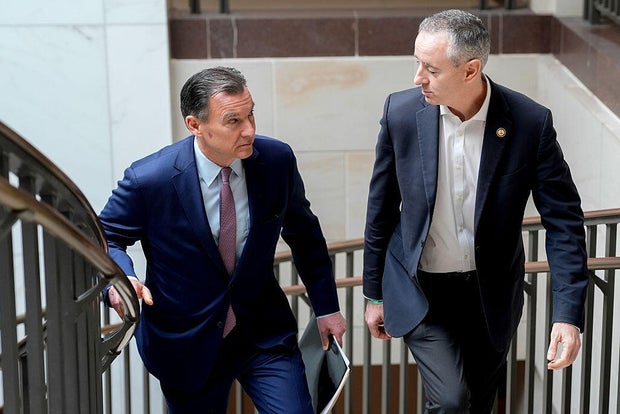
Suozzi said the "slush fund" would set a "dangerous precedent."
In a letter to acting Attorney General Todd Blanche on Wednesday, Fitzpatrick expressed "urgent concern" about the fund, which was established "with no oversight or approval from Congress." He asked that Blanche respond to him by June 1 about where the money is coming from, who would be eligible to receive it and under what authority the fund was created.
On Thursday, opposition to the DOJ fund derailed hopes for passage of Republicans' reconciliation package to provide money for Immigration and Customs Enforcement and Border Patrol for three years, which GOP leaders were hoping to get through both chambers by the end of the week to meet Mr. Trump's June 1 deadline.