Inside NASA's Artemis II mission
Artemis II echoes the Apollo-era missions that paved the way for the first moon landing — and sets the stage for what comes next.
Watch CBS News
Artemis II echoes the Apollo-era missions that paved the way for the first moon landing — and sets the stage for what comes next.
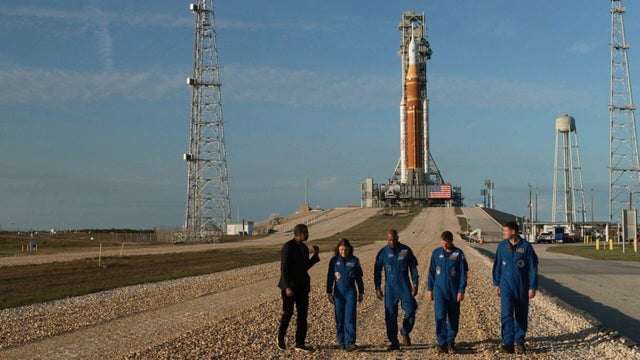
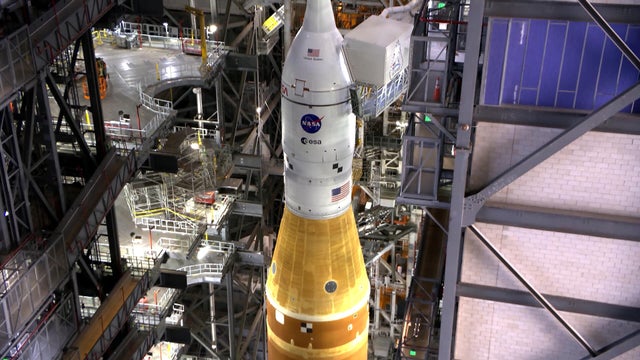
More than 50 years after NASA's last human mission to the moon, four astronauts, three Americans and a Canadian, are set for the 10-day Artemis II mission to the far side of the moon.
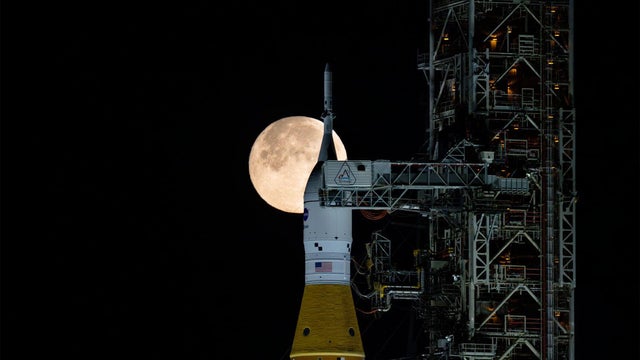
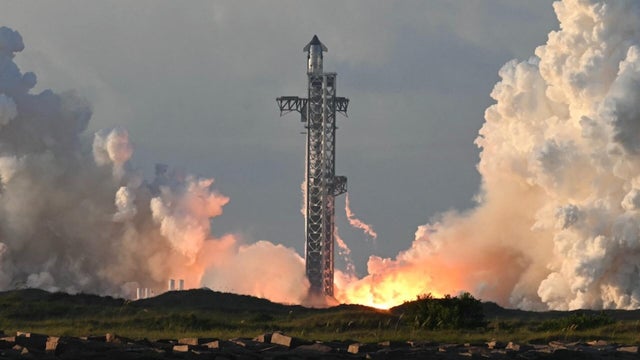
If the countdown and fueling test go well, four astronauts will set their sights on a Super Bowl Sunday launch to the moon.
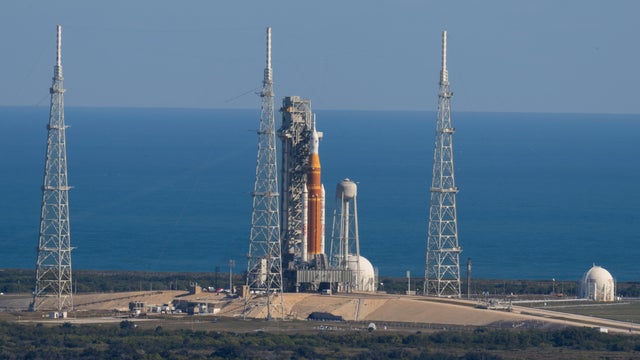
The first Artemis moonshot with a crew is now targeted for no earlier than Feb. 8, two days later than planned.
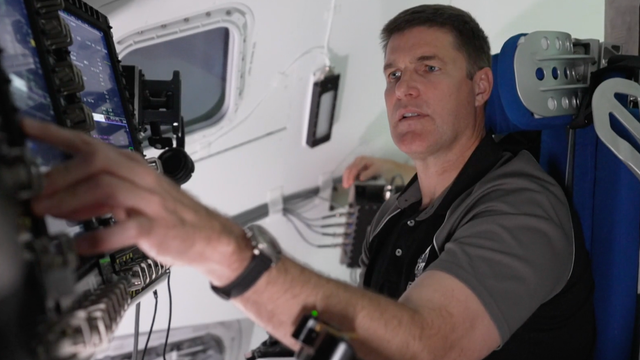
For months, the Artemis II crew and flight controllers have been simulating malfunctions to prepare for their upcoming trip around the moon.
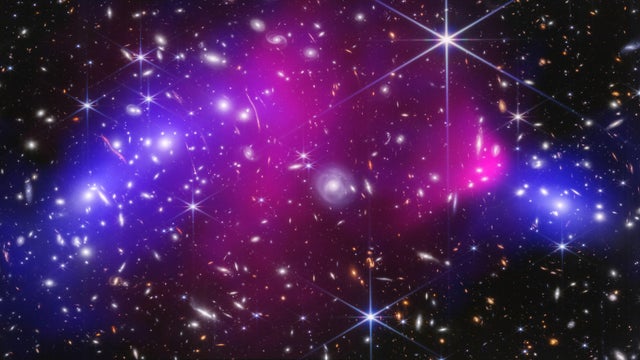
Dark matter doesn't absorb or give off light so scientists can't study it directly. But they can observe how its gravity warps and bends the star stuff around it.

Four Artemis II astronauts plan to fly around the moon and back next month, traveling farther from Earth than any humans before them.
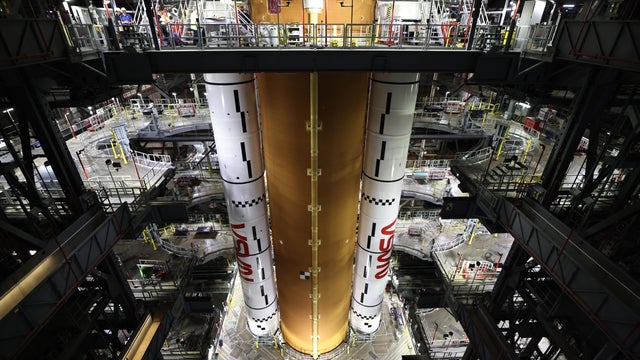
Depending on the timing, NASA could launch a fresh crew to the space station while four other astronauts are flying around the moon.
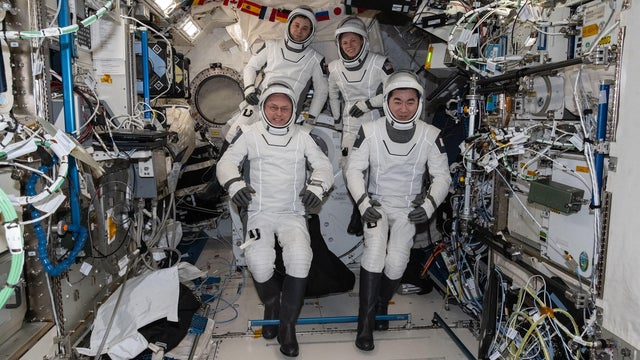
Four space station Crew 11 fliers splashed down off the Southern California coast at 3:41 a.m. ET, closing out a 167-day stay in space cut short by a medical issue.
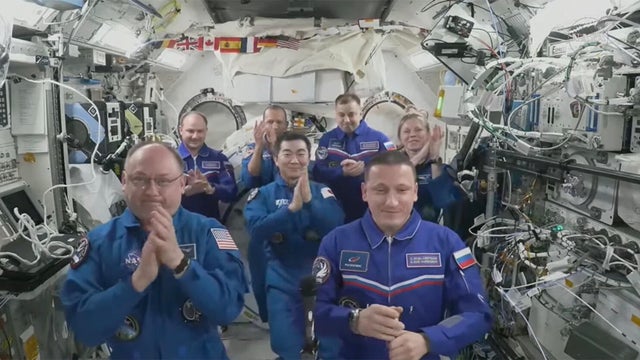
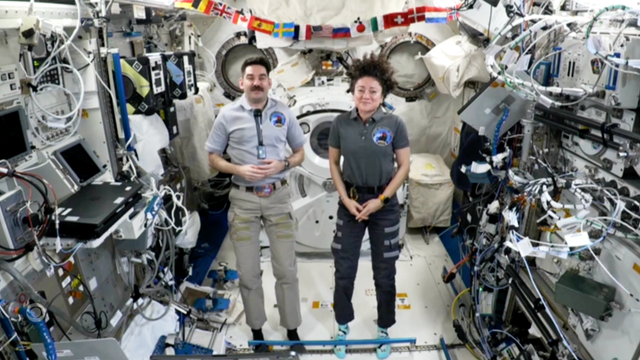
Outgoing space station commander Mike Fincke, a member of the returning Crew 11, turned the station over to cosmonaut Sergey Kud-Sverchkov, saying the combined crew had developed deep friendships.

Mike Fincke thanked NASA for making crew health the agency's top priority.
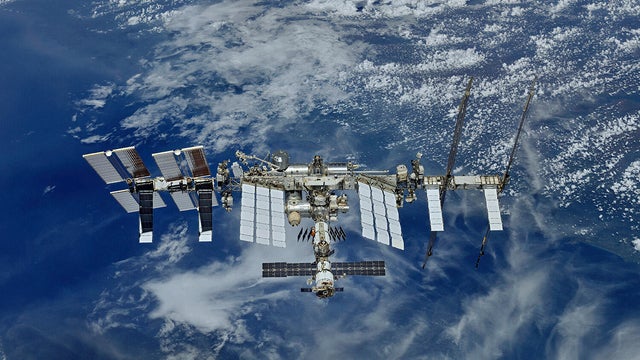
NASA officials reported Thursday that an unidentified member of Crew 11 was dealing with "a medical situation" that would require the crew to return to Earth sooner than anticipated.
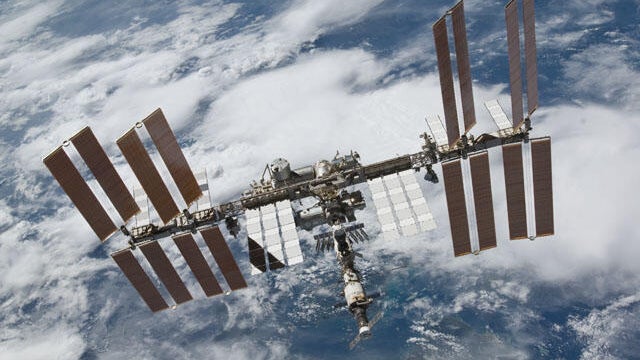
A planned spacewalk outside the International Space Station was scrapped because of what NASA called a "medical concern" with an unidentified crew member.
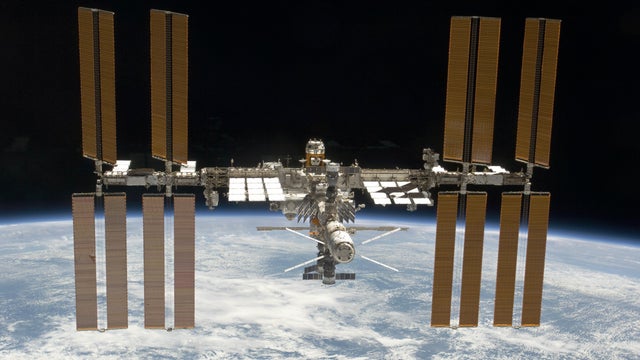
NASA said the unidentified astronaut is "stable," but the agency is considering all options, including a possible early return to Earth for Crew 11
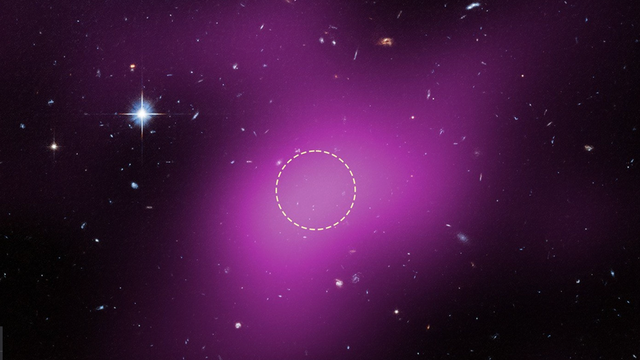
The hydrogen cloud is a remnant of the universe's early formation, NASA said in a news release.