Despite the clouds in Philly, the solar eclipse brought people together to share a moment of wonder
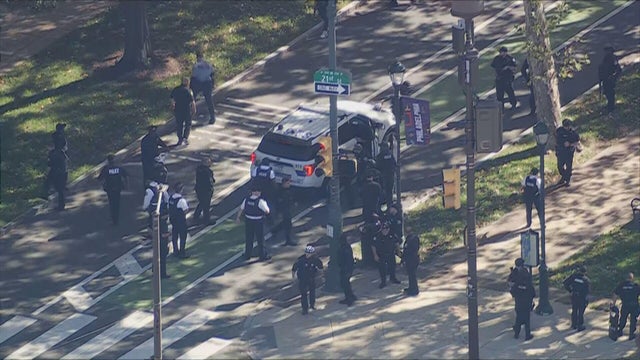
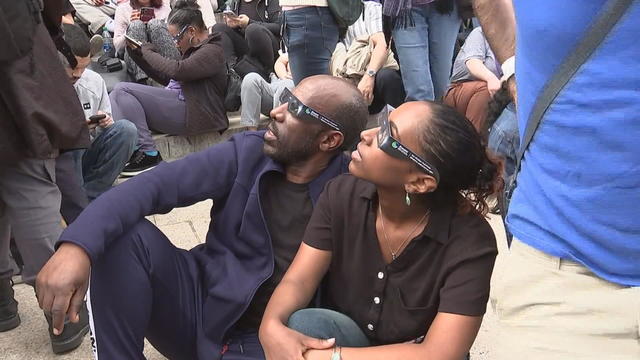
Philadelphians gathered all over the city to look up at the sky together during the eclipse.
Watch CBS News
Philadelphians gathered all over the city to look up at the sky together during the eclipse.
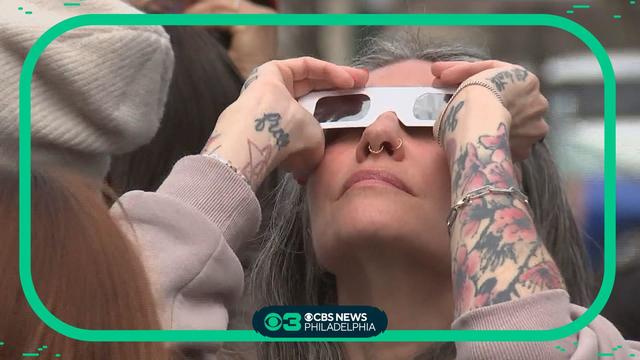
When Philadelphians look back on the 2024 eclipse, they’ll likely remember the moment of cosmic wonder — and where they were and who they shared it with.
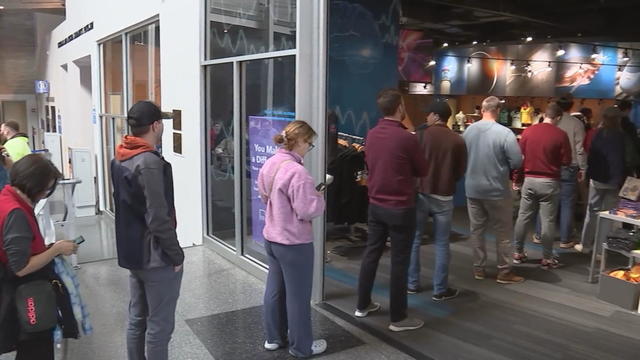
People gathered at universities, museums and parks all over the Delaware Valley to watch Monday's solar eclipse.
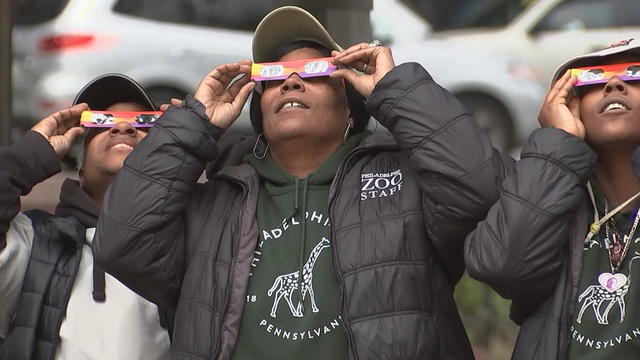
Visitors to the Philadelphia Zoo on Monday had the opportunity to help gather data about how animals reacted to the solar eclipse.
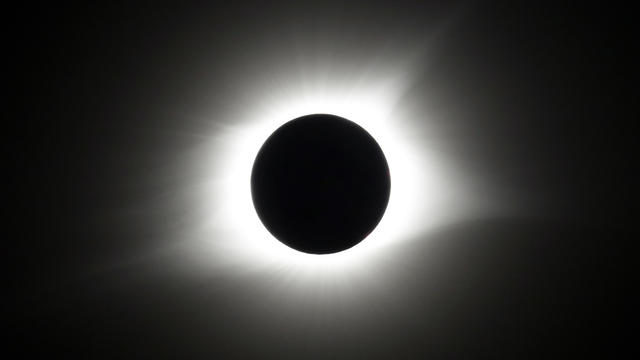
About 31.6 million people live in the path of today's total solar eclipse across the U.S., and millions more will see a partial eclipse. Here's how and where to see it.
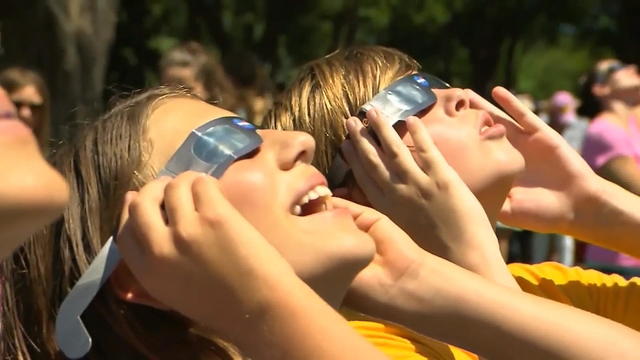
Everyone from the Philadelphia Zoo and the Franklin Institute to local schools are preparing for Monday's eclipse.
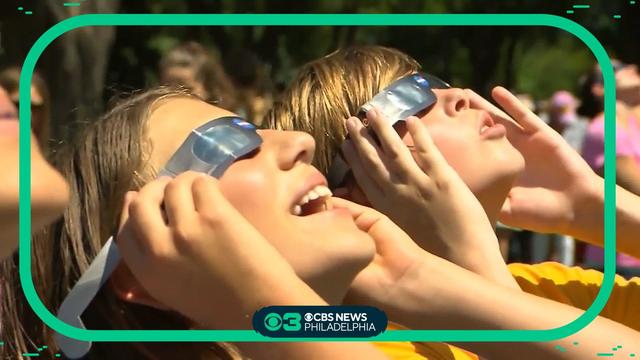
Organizations including the Philadelphia Zoo and the Franklin Institute are getting ready for Monday's solar eclipse and are helping members of the community learn about the celestial event.
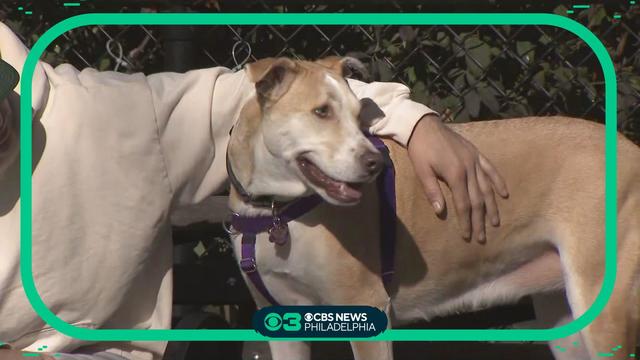
Scientists are studying how animals react during solar eclipses.
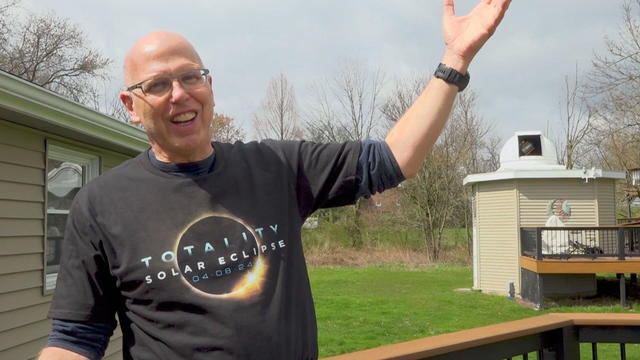
A Berks County astronomy professor shares tips for watching the eclipse Monday afternoon.
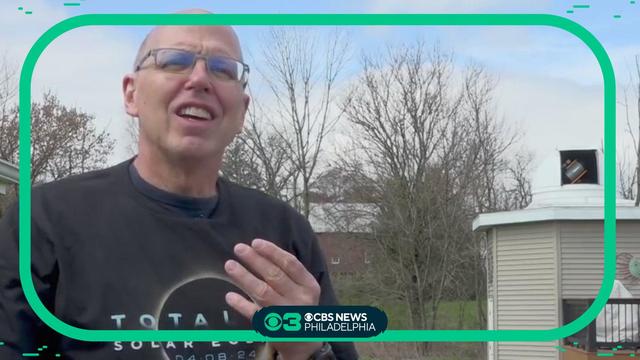
Peter Detterline, an astronomy professor in Berks County, explains what's so exciting about Monday's eclipse for viewers in the United States.
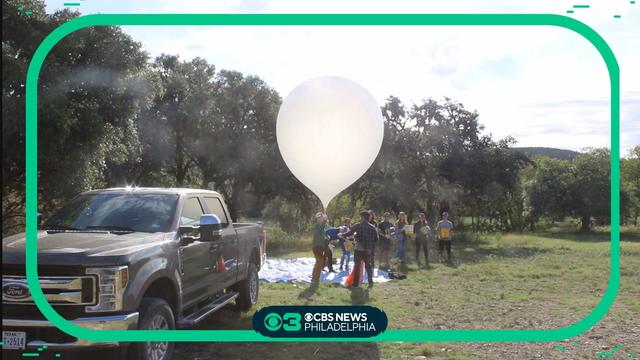
High school students at Springside Chestnut Hill Academy in Philadelphia are working with students from Drexel University to send a weather balloon tens of thousands of feet into the air to take measurements during the April 2024 solar eclipse. The project even has NASA backing. Wakisha Bailey talks with the students involved in the project ahead of the solar eclipse on April 8.
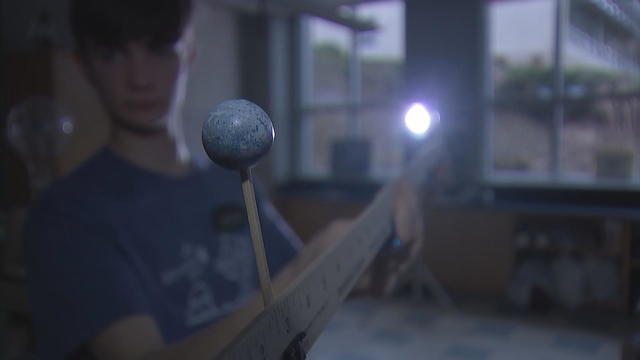
A Friends' Central School teacher is taking 28 students to Vermont to experience the full effects of a total solar eclipse and also educate local elementary school students on the science behind it.
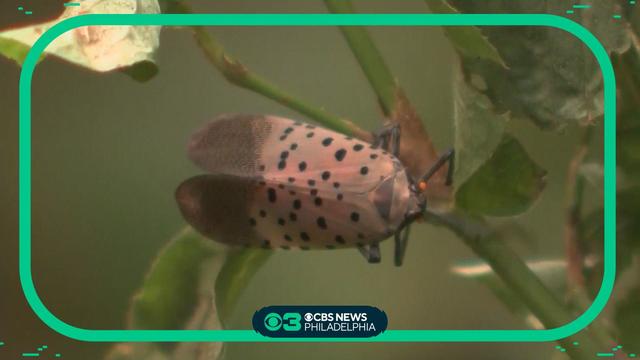
It's almost lanternfly season, and the government still says to smash the pests. But experts say lanternflies are not as damaging to the environment as originally thought.
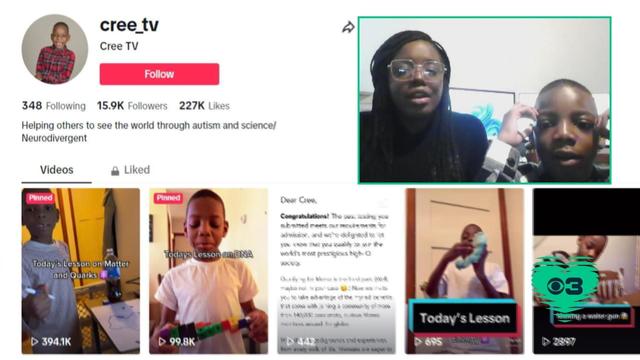
Meet Cree Carroll, a North Philadelphia 7-year-old who's one of the newest members of Mensa and teaching science on TikTok.
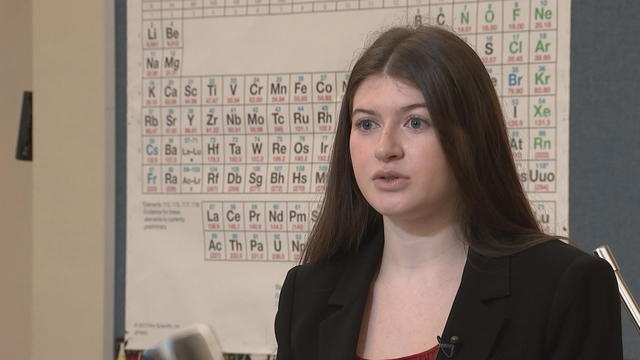
On this week's Focusing on the Future and the first day of Women's History Month, CBS Philadelphia talked with one high school senior who is making history.
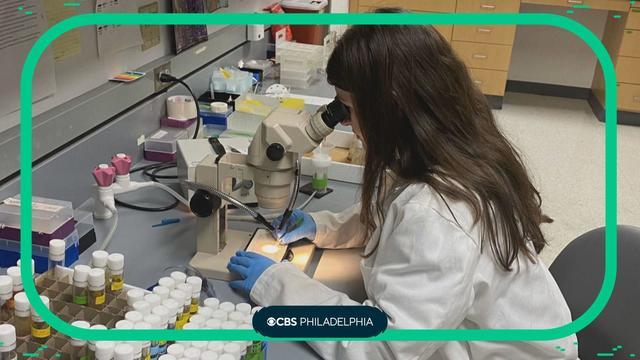
A young Philadelphia scientist is looking to help people deal with anxiety in one of the most prestigious science competitions in the country. Wakisha Bailey reports.
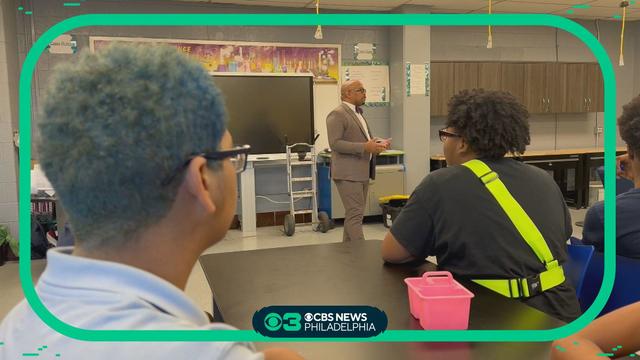
An initiative to get more Black students interested in science, technology, engineering and math is underway at The Stearne School in North Philadelphia.
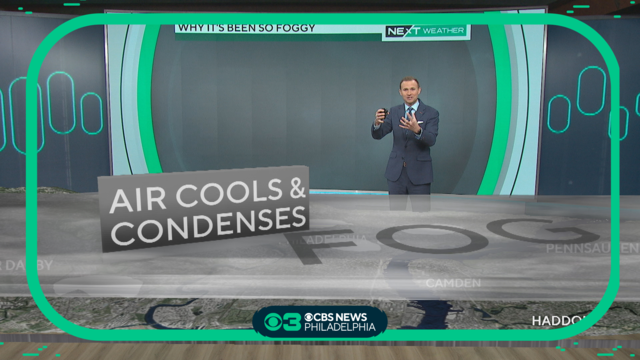
How does fog form? NEXT Weather Meteorologist Grant Gilmore shows you the science behind the low visibility in the Philly region today.
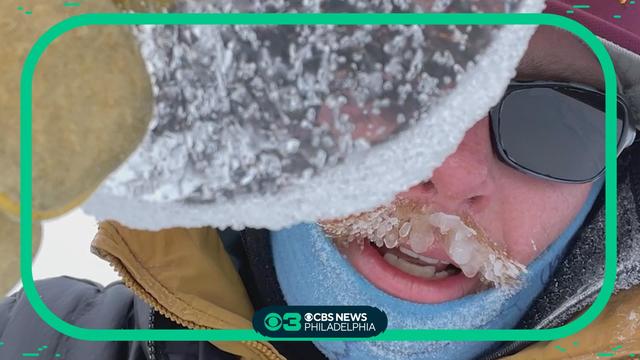
A group of American scientists in Antarctica are searching for the world's oldest piece of ice. The goal is to find an ancient sample that will help us understand the changing climate.
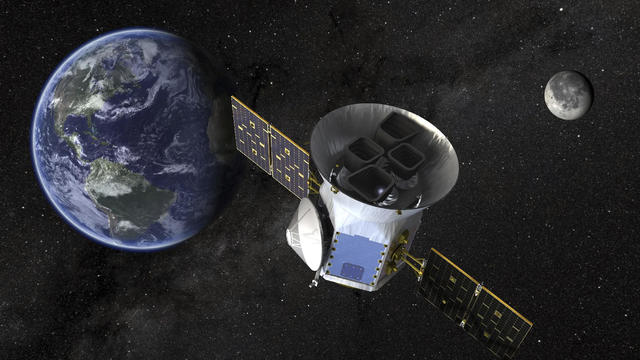
Astronomers have discovered six planets orbiting a bright, nearby star in perfect synchrony like a grand cosmic orchestra.
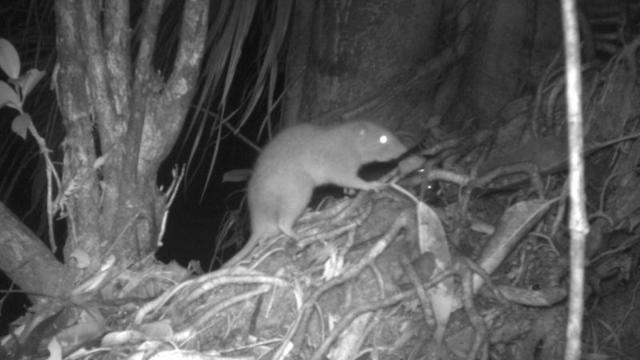
Researchers were able to attract "one of the world's rarest rodents" in their endangered habitat using glass oil lamps filled with sesame oil.
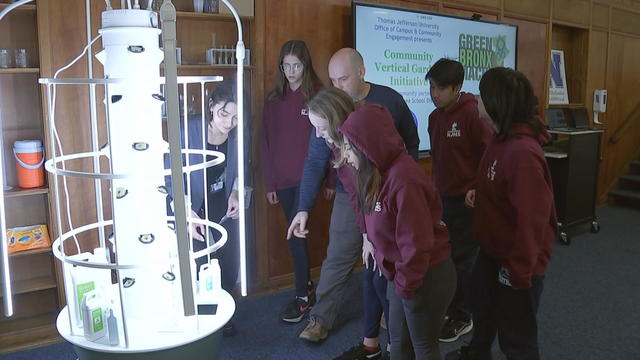
A Norristown school is helping fight local food insecurity with Green Bronx Machine hydroponic garden.
A new research project from Philadelphia's Monell Center shows artificial intelligence can be as good as -- or better -- than humans at identifying scents.

Dinosaurs have come to town with the newly-arrived Jurassic Quest at the Greater Philadelphia Expo Center in Oaks.
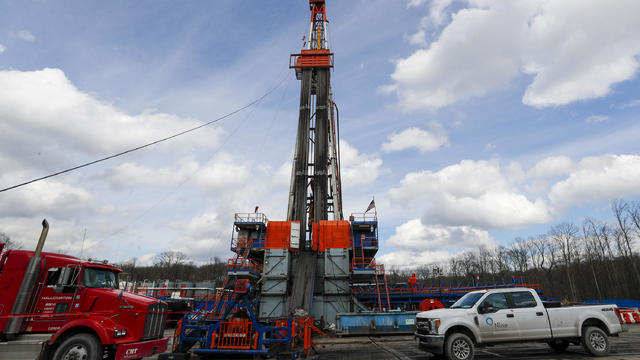
Researchers in heavily drilled Pennsylvania are adding to a body of evidence suggesting links between the natural gas industry and certain health problems.