Iranian vessel in Hormuz hit, while Houthis expand control of shipping lane
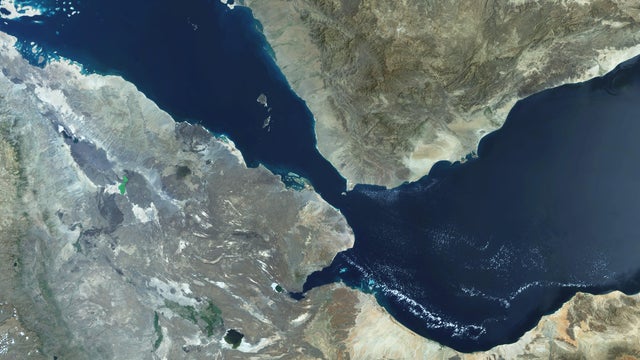
The Iran-backed Houthis expanded their control over the strategy Bab-el-Mandeb strait, as strikes continued in the Strait of Hormuz.
Watch CBS News
The Iran-backed Houthis expanded their control over the strategy Bab-el-Mandeb strait, as strikes continued in the Strait of Hormuz.
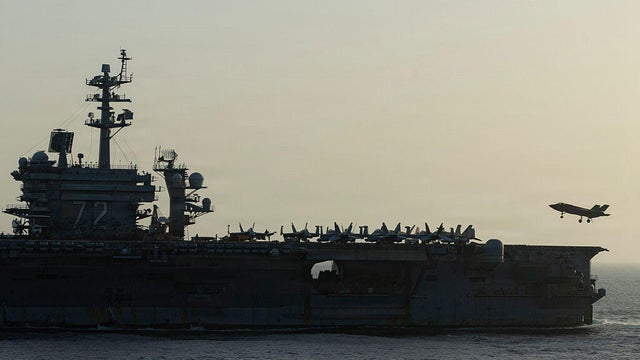
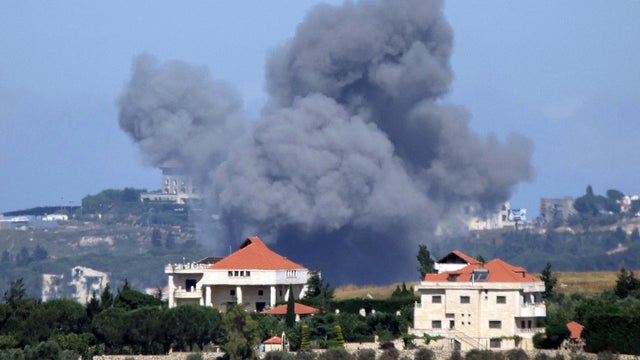
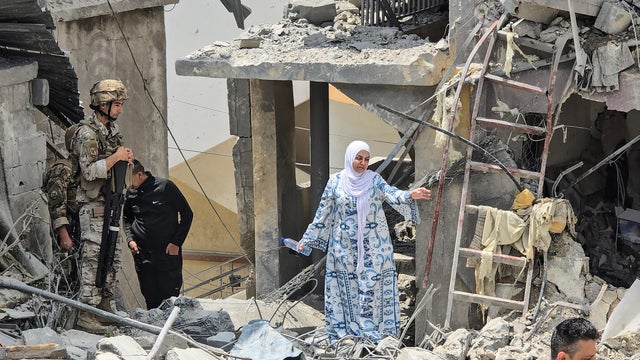
Meanwhile, Israel is being condemned by Lebanese leaders for strikes in the south that killed at least 11 people, including children.
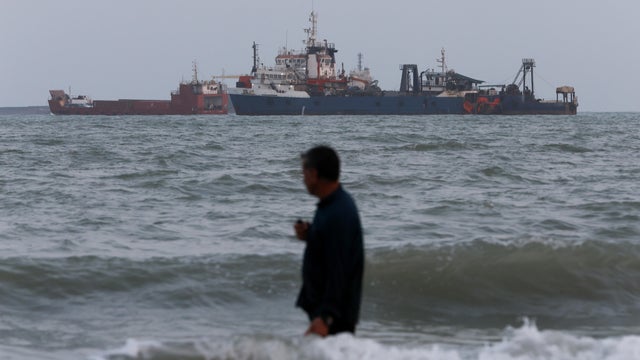
Tehran has asserted that the Strait of Hormuz is "under Iran's control and management" after President Trump said the U.S. might "keep it."
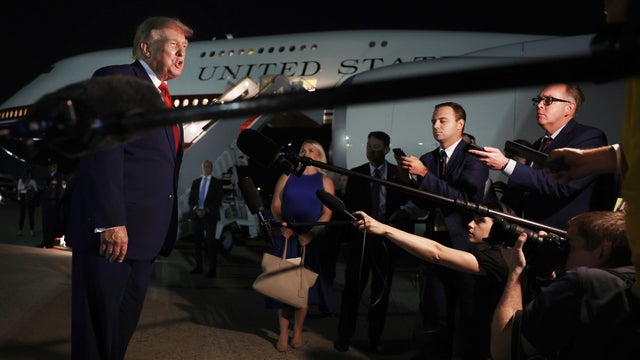
President Trump said Wednesday that the U.S. has "total control" over the Strait of Hormuz, writing on social media: "I THINK WE WILL KEEP IT."
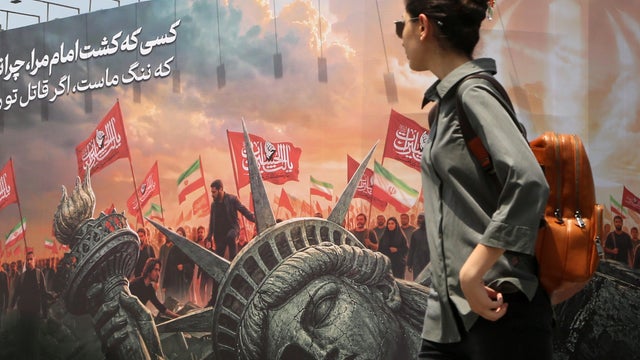
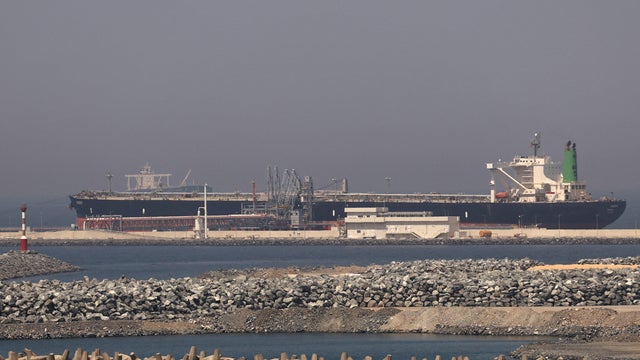
The United Arab Emirates' Abu Dhabi National Oil Company said one of its ships was targeted while transiting the strait.
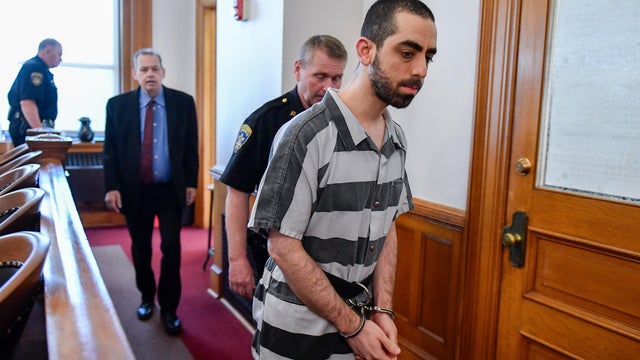
A man has been convicted of federal terrorism charges in the 2022 stabbing that severely injured author Salman Rushdie.
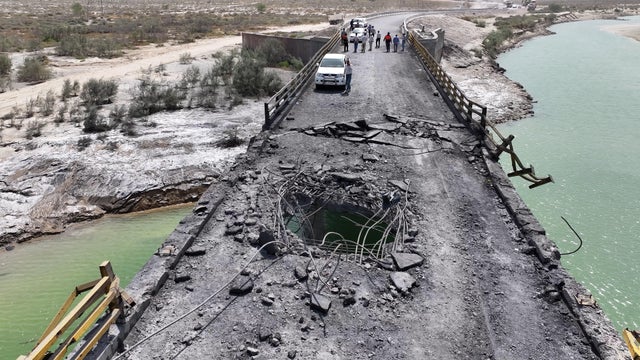
Two U.S. service members were killed earlier in Jordan and a third was missing in action, the U.S. Central Command said.
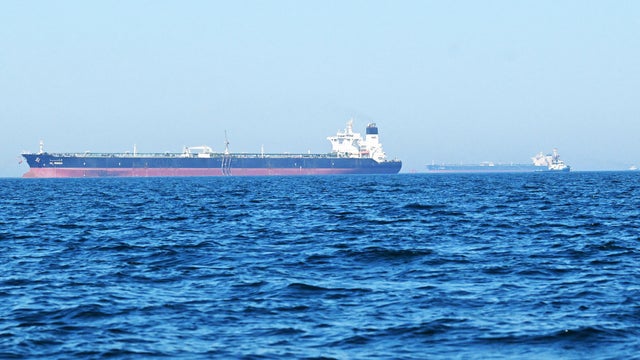
Iran launched drone and missile attacks targeting Kuwait and Bahrain on Sunday after the U.S. and Iran traded attacks earlier over the weekend.
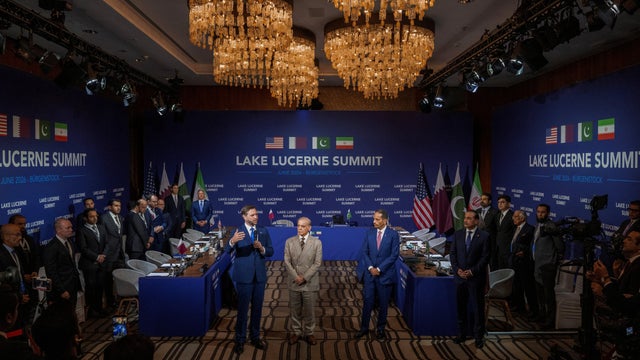
Their appearance was a rare face-to-face meeting between U.S. and Iranian officials as they launched a 60-day sprint to negotiate over the fate of Iran's nuclear program.
U.S.-Iran nuclear talks remain on hold after a flare-up in fighting in Lebanon triggered the setback, but as Nana-Sentuo Bonsu reports, Israel and Hezbollah have now agreed to a ceasefire.
Israel and Iran were firing missiles at each other Monday, endangering the shaky truce that's been in place as well as talks on a deal to end the fighting.
The U.S. and Iran had appeared ready to de-escalate before the U.S. military conducted what it said were defensive strikes against Iran on Wednesday.
As President Trump again voiced optimism that Iran will "make a deal" to end the war, Tehran declared itself the regulator of Strait of Hormuz shipping.
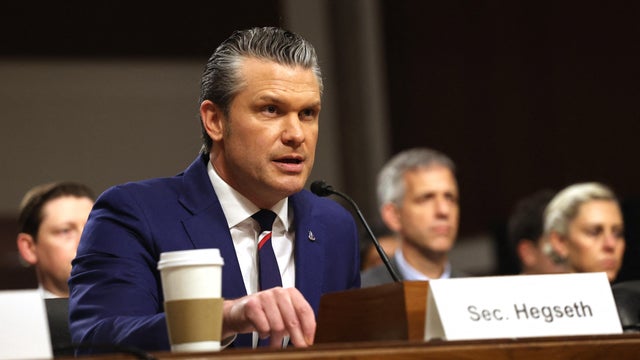
Oil prices hit a 4-year high as Axios reports Trump will hear new options to try to break the Strait of Hormuz standoff with Iran with a new wave of attacks.
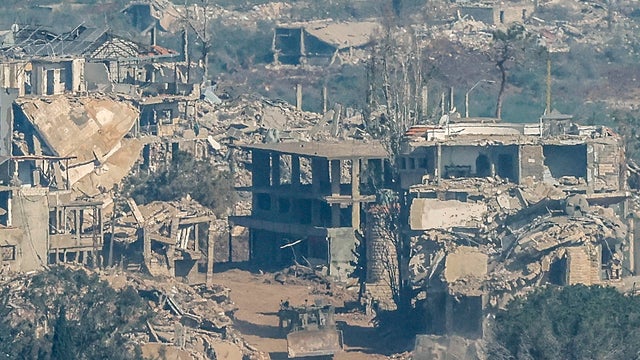
Energy prices keep rising with no sign of progress toward a deal to end the U.S.-Iran standoff and Hezbollah rejecting the Lebanon ceasefire.
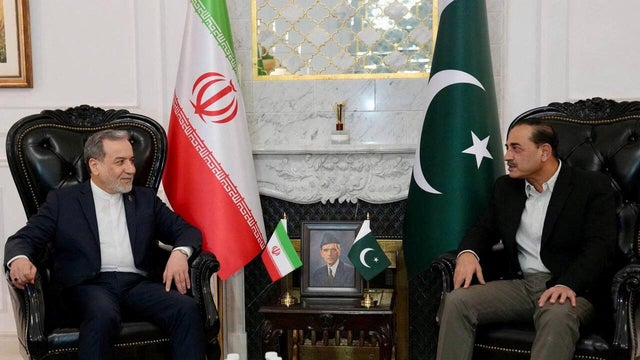
Iranian Foreign Minister Abbas Araghchi returned to Islamabad on Sunday, where he participated in talks focused on ending the war with the U.S., Iranian state media reported.
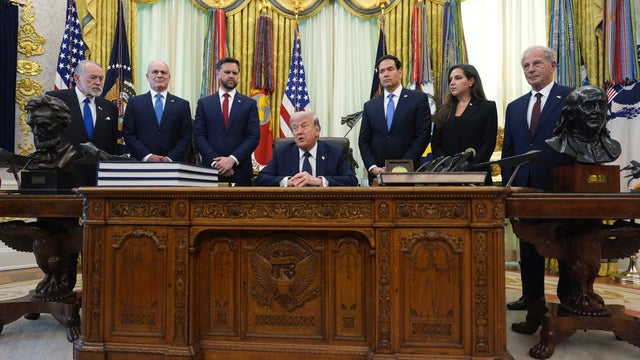
Following a second round of peace talks in Washington, President Trump announced that the Israel-Lebanon ceasefire had been extended by three weeks.
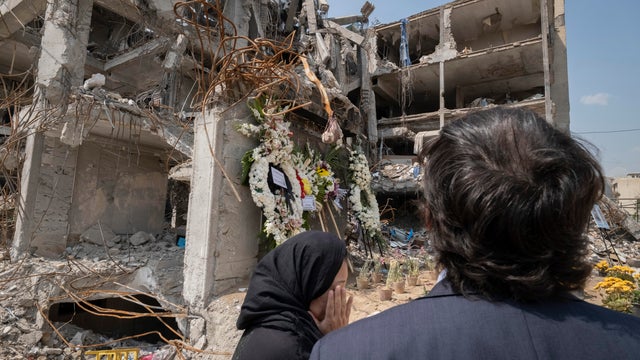
Iran balked at President Trump's demands for a peace deal amid a standoff over the Strait of Hormuz, as fear the war could reignite hits oil and energy markets.
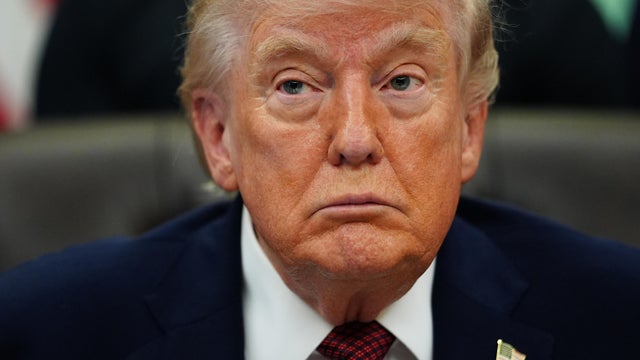
President Trump says he sent a U.S. delegation to Pakistan for another round of peace talks with Iran Monday but Tehran says it doesn't plan to participate.
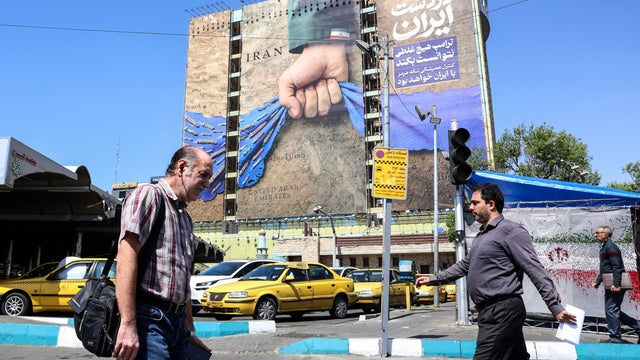
With the Iran war paused halfway through a 2-week ceasefire, President Trump is again voicing optimism over the potential for a deal to end it for good.
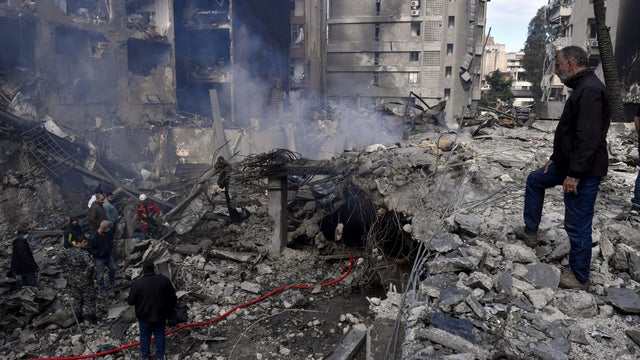
Only about a dozen ships passed through the Strait of Hormuz in the first two days of the ceasefire, far below normal traffic levels before the war, data shows.
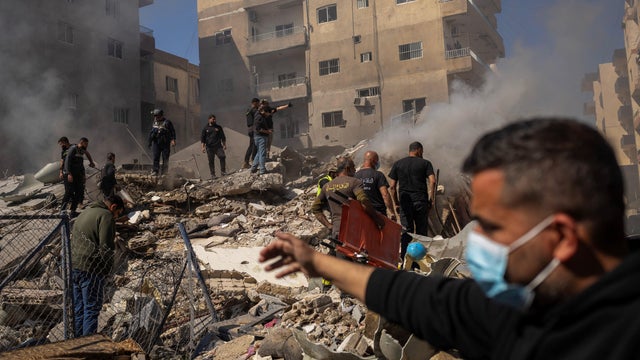
Iran says Israel is violating the ceasefire deal President Trump announced, and Tehran appears to still have control over shipping in the Strait of Hormuz.
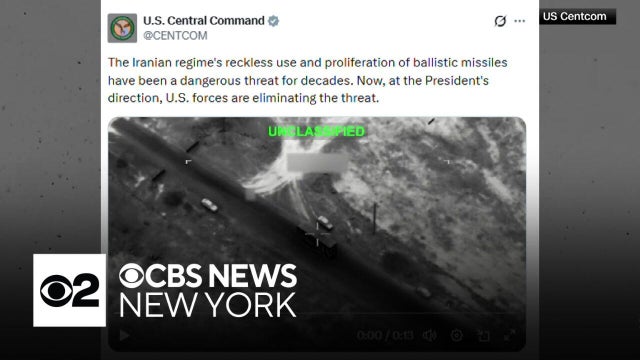
Hezbollah claimed a strike on Israel and Israel struck back, hitting the Lebanese capital of Beirut. Meanwhile, police have increased security at religious sites in New York City. CBS News New York's Lisa Rozner has the story.
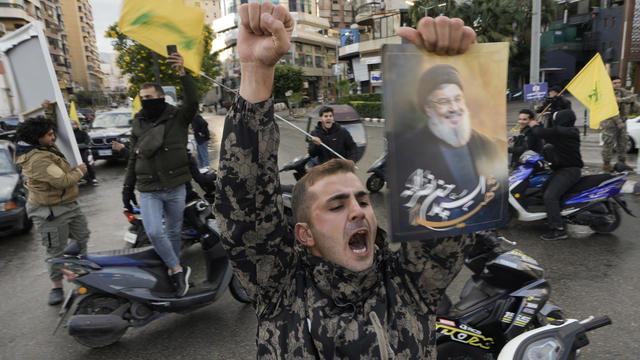
A ceasefire in Lebanon between Israel and the Iran-backed militant group Hezbollah appeared to be holding several hours after it began.
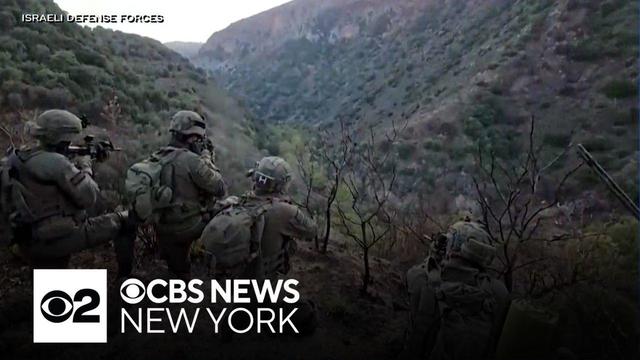
Israel has approved a United States-brokered ceasefire agreement with Hezbollah in Lebanon, setting the stage for an end to nearly 14 months of fighting. CBS News New York's Dick Brennan has the latest on the agreement.