Trump says Iran is making up strikes on ships to drive up oil prices
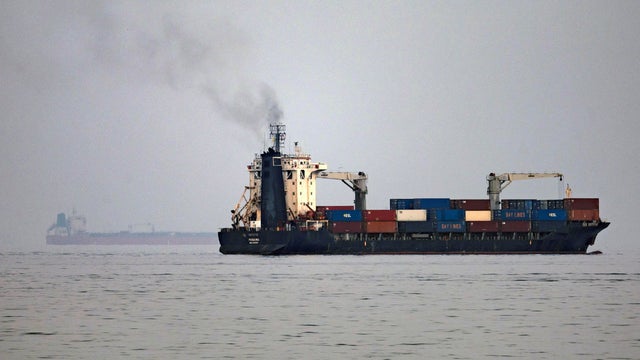
President Trump said Iran was trying to drive up oil prices before the midterms by lying about ships hitting mines or being struck by projectiles in the Strait of Hormuz.
Watch CBS News
President Trump said Iran was trying to drive up oil prices before the midterms by lying about ships hitting mines or being struck by projectiles in the Strait of Hormuz.
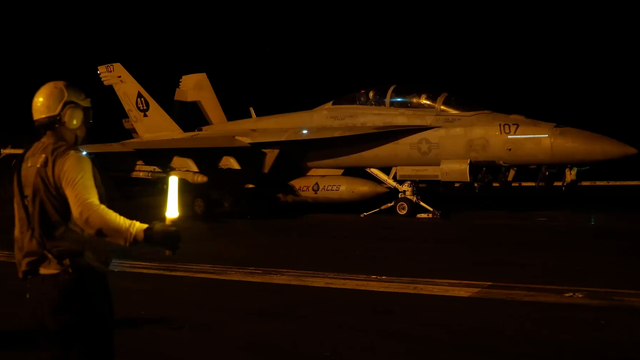
U.S. forces conducted more rounds of strikes on Iran this week, one of which was in retaliation for an attack on a commercial ship in the Strait of Hormuz, the Pentagon said.
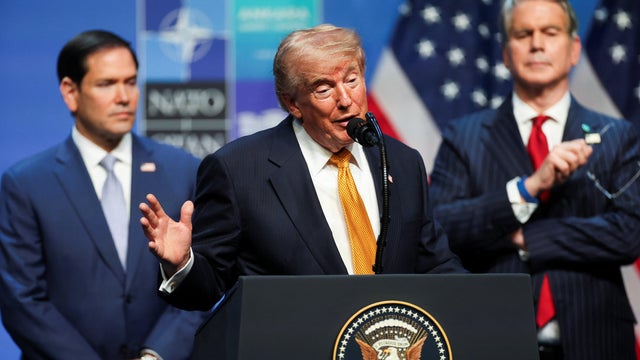
The U.S. began a second night of strikes Wednesday and Iran responded in kind after President Trump declared earlier in the day that the ceasefire was "over."
President Trump's changes included somewhat significant changes, according to a source with knowledge of the negotiations.
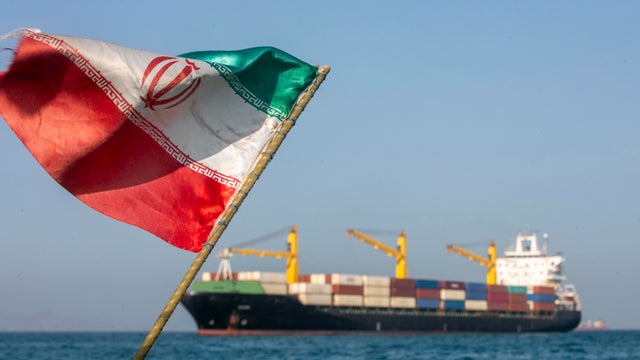
There is broad commitment on the principles of a deal, a senior Trump administration official said, and the administration feels positive about where things stand.

President Trump didn't provide details on the issues he had with the response or what would come next.
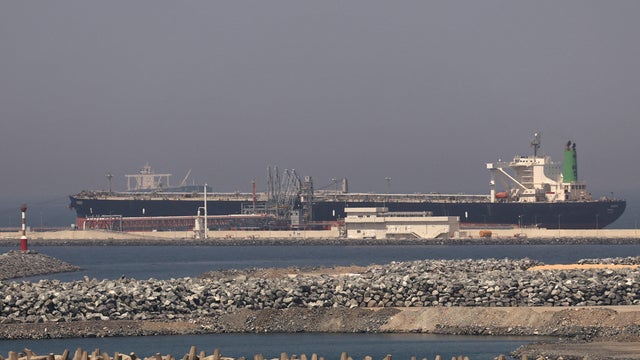
As President Trump again voiced optimism that Iran will "make a deal" to end the war, Tehran declared itself the regulator of Strait of Hormuz shipping.
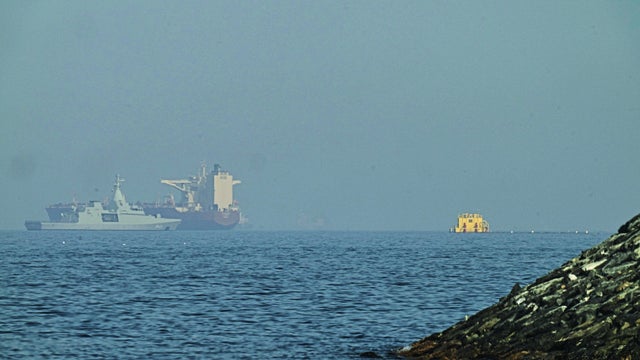
President Trump announced the U.S. would "guide" ships not involved in the war with Iran out of the Strait of Hormuz. A U.S.-led task force says it has started the operation.
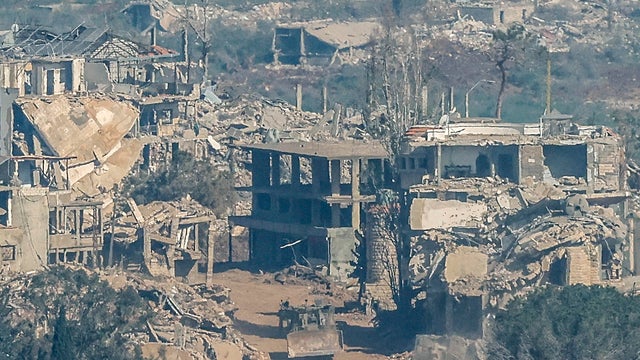
Energy prices keep rising with no sign of progress toward a deal to end the U.S.-Iran standoff and Hezbollah rejecting the Lebanon ceasefire.
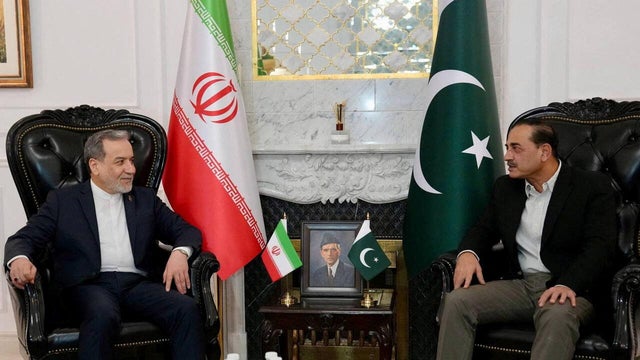
Iranian Foreign Minister Abbas Araghchi returned to Islamabad on Sunday, where he participated in talks focused on ending the war with the U.S., Iranian state media reported.
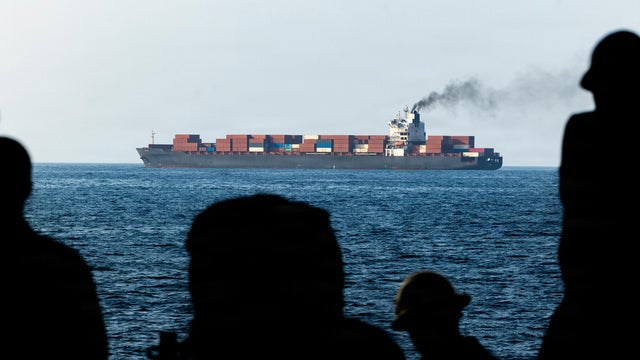
Iran renews attacks in the Strait of Hormuz after Trump says he's extending a ceasefire indefinitely, as thousands more U.S. forces head for the region.
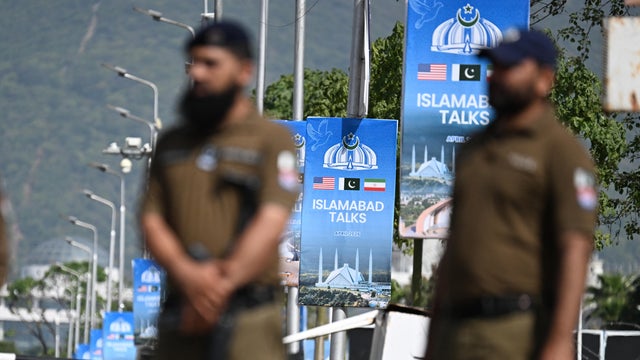
With a two-week ceasefire set to expire and Iran balking at the resumption of peace talks, President Trump said he would be extending the deadline to allow for Iran to "come up with a unified proposal."
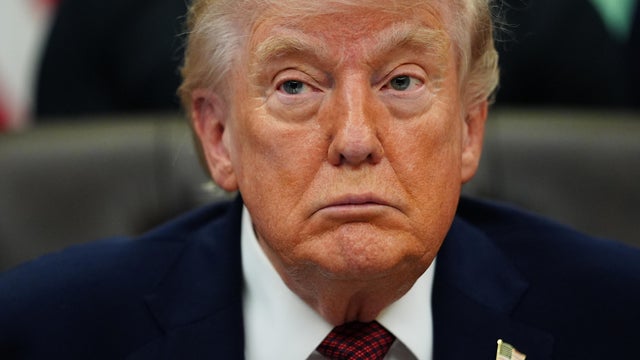
President Trump says he sent a U.S. delegation to Pakistan for another round of peace talks with Iran Monday but Tehran says it doesn't plan to participate.
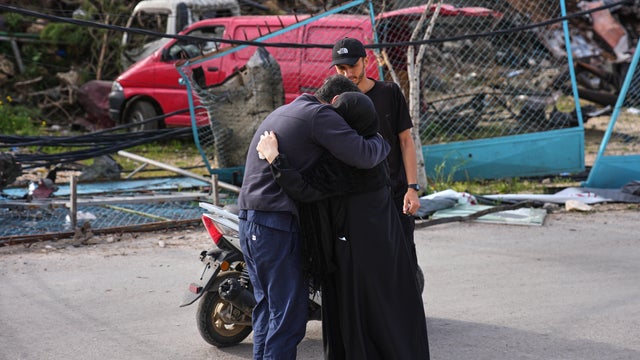
The leaders of Lebanon and Israel agreed to start a 10-day truce at 5 p.m. Eastern Time Thursday.
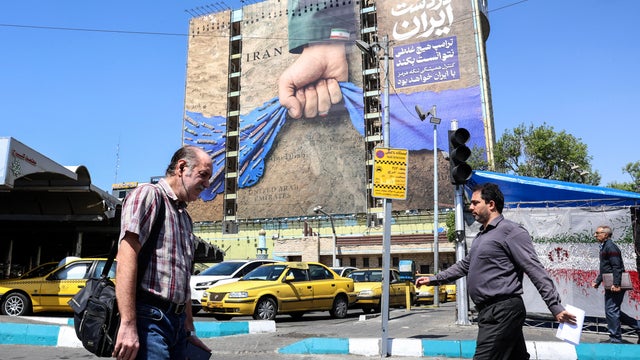
With the Iran war paused halfway through a 2-week ceasefire, President Trump is again voicing optimism over the potential for a deal to end it for good.
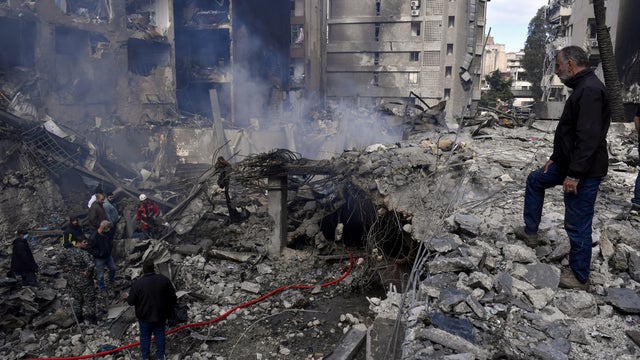
Only about a dozen ships passed through the Strait of Hormuz in the first two days of the ceasefire, far below normal traffic levels before the war, data shows.
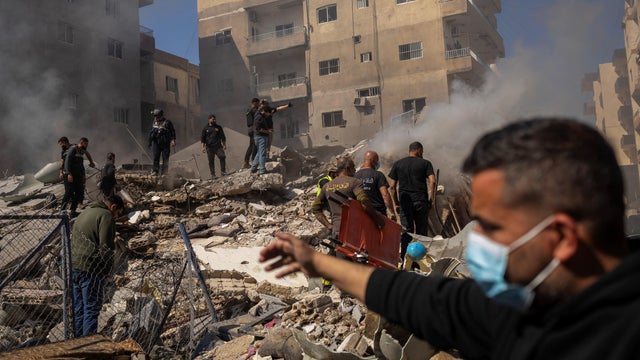
Iran says Israel is violating the ceasefire deal President Trump announced, and Tehran appears to still have control over shipping in the Strait of Hormuz.
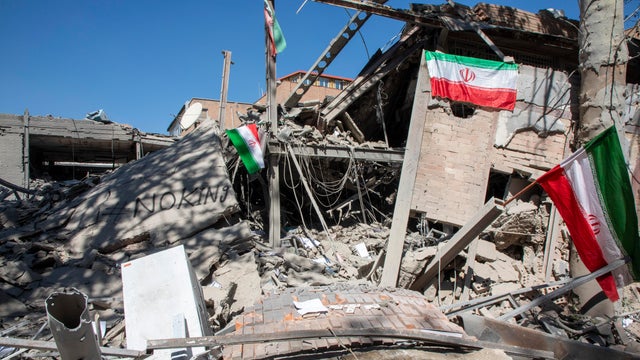
President Trump announced that the U.S. and Iran had agreed to a two-week ceasefire that was contingent on the reopening of the Strait of Hormuz.
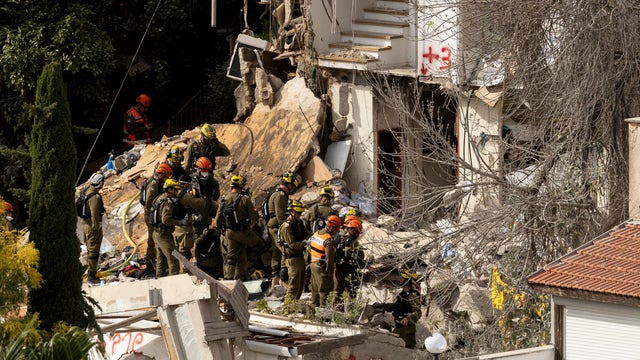
President Trump's deadline for Iran to reach a deal to end the war or face punishing strikes on its bridges and power plants is less than 24 hours away.
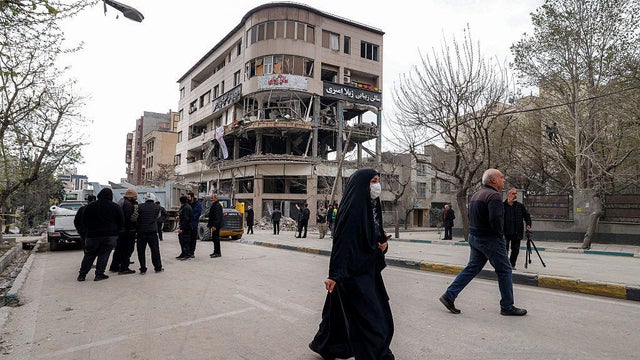
It's unclear if the talks would be direct or indirect, and Washington and Tehran aren't commenting. This, as Iran warns the U.S. not to start ground operations.

Hamas called Saturday's strikes "a renewed flagrant violation" and urged the United States and other mediating countries to push Israel to stop the strikes.

So far the Gaza ceasefire is holding, but calls are getting louder for Hamas to hand over more hostages' remains, and for Israel to allow in more aid.

While leaders must still address the big issues of disarming Hamas and governance of Gaza, President Trump has outlined his vision of immediate next steps.

The president says it's a new chance for the Middle East as the remaining Israeli hostages in Gaza have been released, along with more than 1,900 Palestinian prisoners held by Israel. CBS News New York's Christina Fan has the latest.

The president is celebrating the return of the Israeli hostages and telling Arab leaders that negotiations over the second phase of the ceasefire are underway. CBS News New York's Jessica Moore reports.