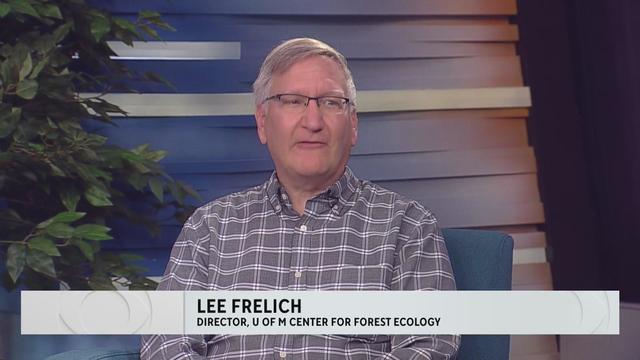
U of M forest expert talks Maui, Minnesota wildfires
Adjunct professor Lee Frelich from the University of Minnesota's Center for Forest Ecology talks about the recent wildfires.
Watch CBS News
Adjunct professor Lee Frelich from the University of Minnesota's Center for Forest Ecology talks about the recent wildfires.

Mourning continues in Maui following the devastating wildfires.
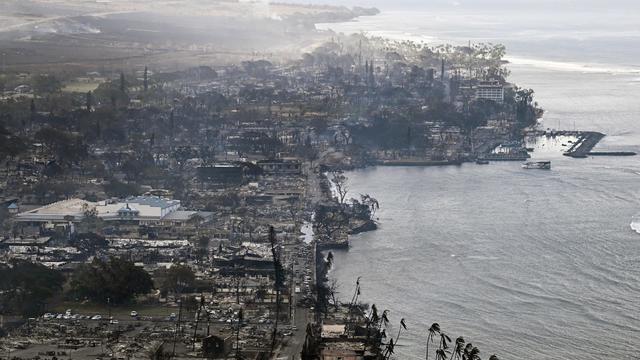
Dozens of people were killed in the Maui fires, and many are still missing, authorities said.
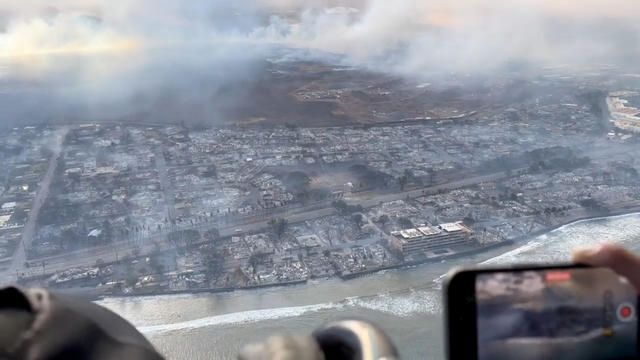
At least 55 people have lost their lives and the toll is expected to climb. The historic town of Lahaina has been devastated.
As Canadian wildfires continue to proliferate and rage this summer, investigative reporter Jonah Kaplan and photojournalist Mike Durenberger traveled to Manitoba – the source of the wildfire smoke – to give you a first-hand look at the problem.

Officials on the island of Maui confirm at least 36 people are dead and thousands displaced after wildfires quickly burned through the Hawaiian island.
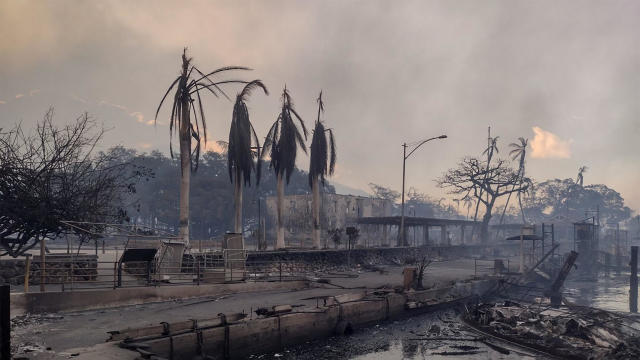
The wind-whipped wildfires even led some to jump into a harbor and the Coast Guard said it rescued 14.
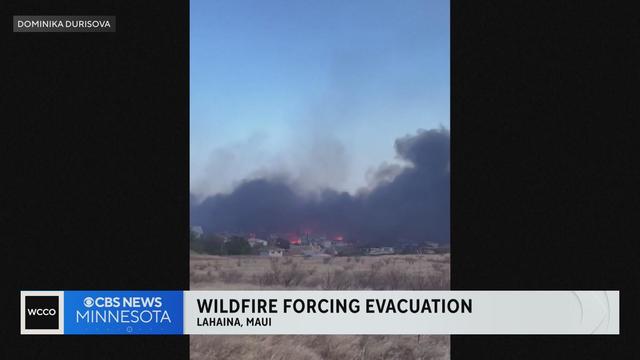
Wind-fueled wildfires on the Hawaiian island of Maui that drove people to jump into the ocean to escape flames and smoke forced people to evacuate Wednesday, authorities said.
The devastating fires in Canada have been creating hazy skies in Minnesota and Wisconsin. We've had several air quality alerts issued this summer. Our skylines, thick with pollution, have been slow to clear.
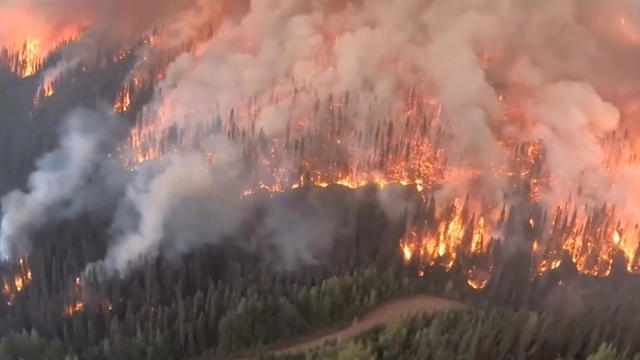
WCCO's Jonah Kaplan reports from his experience traveling to Canada and talking to the people on the frontlines of the country's wildfire defense.

Dozens of Minnesotans are heading to Canada to help contain the historic wildfire season, which of course is also affecting Minnesotans.

Dozens of Minnesotans are heading to Canada to help contain the historic wildfire season, which of course is also affecting Minnesotans.

There are new discoveries about the impact of Canadian wildfire smoke that's polluting our skies and threatening our health. Investigative reporter Jonah Kaplan and photojournalist Mike Durenberger traveled to Canada for a closer look at this North American crisis.

There are new discoveries about the impact of Canadian wildfire smoke that's polluting our skies and threatening our health.

Investigative reporter Jonah Kaplan shows us how meteorologists in Canada are testing new ways to predict the next alert.

What the smoke is doing, where it's going and how long it will be there is the new focus for this team of meteorologists at Winnipeg's National Storm Prediction Center, one of seven such offices across Canada.
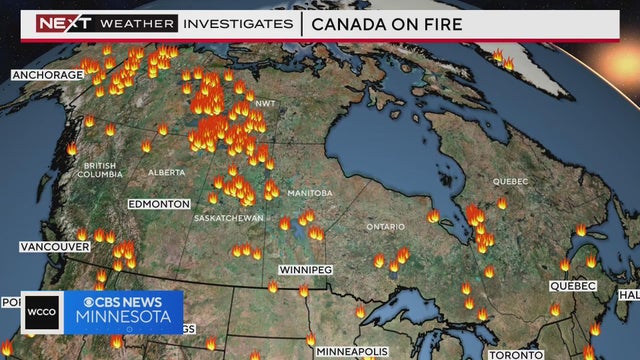
Canada is home to nearly 10% of the world's forests. Those same forests, however, are now the fuel to what is perhaps the most intense wildfire season in the nation's history, if not the most significant wildfire crisis around the globe.
More than 5,000 fires have raged since May across Canada, tearing through at least 29 million acres of land – and counting.

Another air quality alert is in place for northern Minnesota until Tuesday afternoon. Once again, the cause is wildfires burning in Canada. Investigative reporter Jonah Kaplan has a preview of our special series airing all this week on WCCO News.
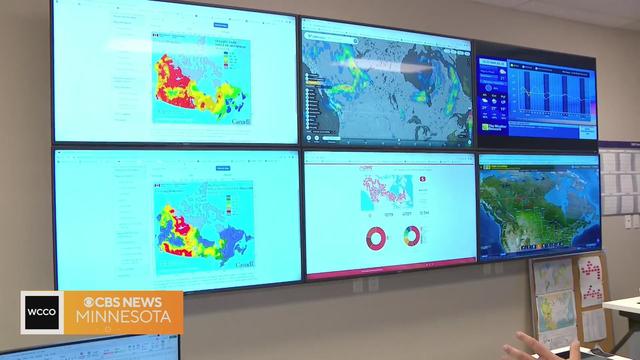
WCCO's Jonah Kaplan reports from the Canadian Interagency Forest Fire Centre in Winnipeg, the hub of all wildfire operations.
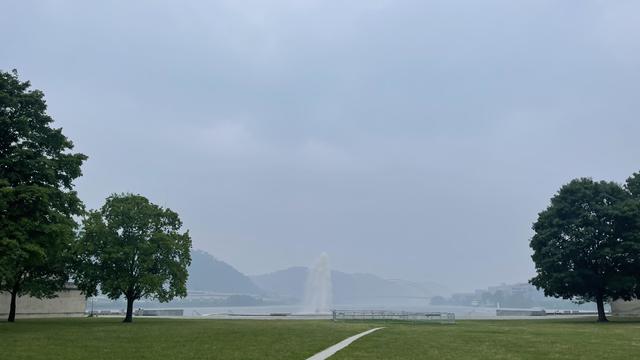
The Minnesota Pollution Control Agency has issued an air quality alert for central and northern Minnesota due to wildfire smoke.
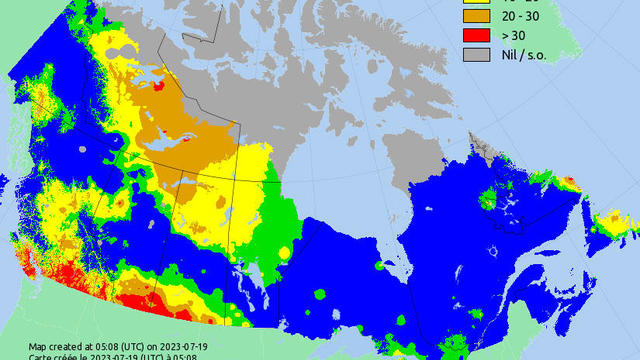
Over 27 million acres of land have burned across Canada since the start of the 2023, marking the country's worst wildfire season on record.
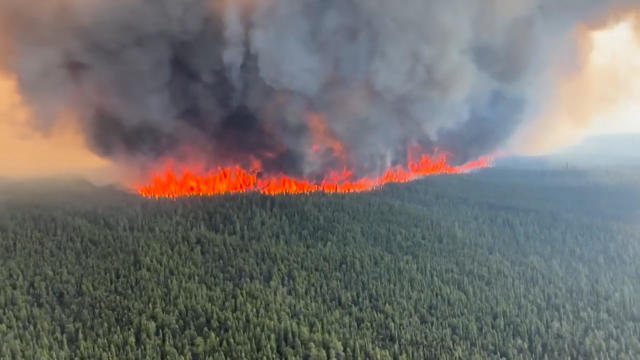
The fires, which are still burning, have brought smoke and hazardous air quality to millions of Americans.
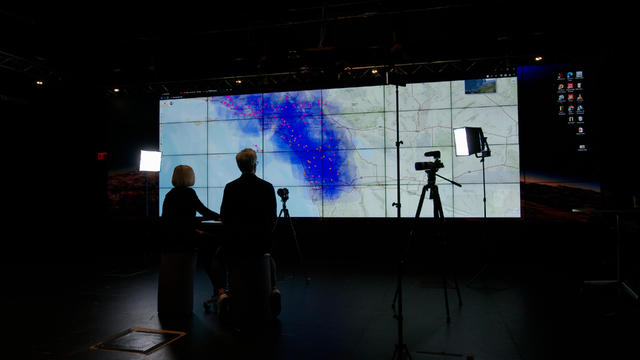
As more people across the country are seeing the impact of wildfires and smoke, scientists are turning to the promise of big data, technology and collaboration to keep big fires from spreading.
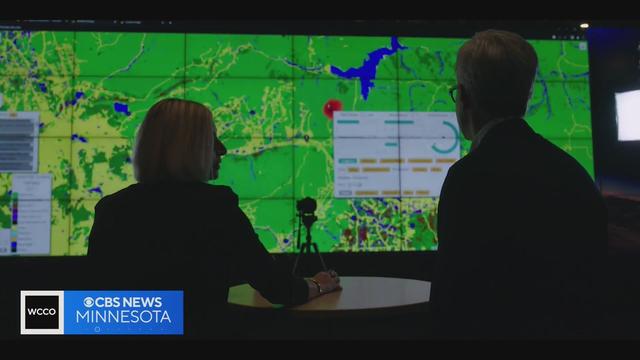
Researchers at UC San Diego are working to develop artificial intelligence tools they hope can help with challenges we’re facing now because of climate change.