
Will daylight saving time become permanent after House passes bill?
Lawmakers are one step closer to making daylight saving time permanent after the House passed a bill with overwhelming support.
Watch CBS News
Lawmakers are one step closer to making daylight saving time permanent after the House passed a bill with overwhelming support.

The measure also allows states to opt out if they take action before the federal law is enacted.
The time change known as daylight savings starts Sunday, March 8, 2026. Most Americans lose an hour of sleep when clocks "spring forward."
Longer and lighter days were supposed to save energy, reduce traffic accidents and help people become more active. Governments thought daylight saving time would save money.
Two states don't do daylight saving time and won't "spring forward" as the clocks change for 2026.
Daylight saving time ended on Sunday, Nov. 2, 2025, when the clocks fell back and we gained an hour.

After a chilly start to the morning with temperatures in the low 60s, the sun will warm up the region to the upper 70s and low 80s. The early morning cool temperatures will stretch through next week.
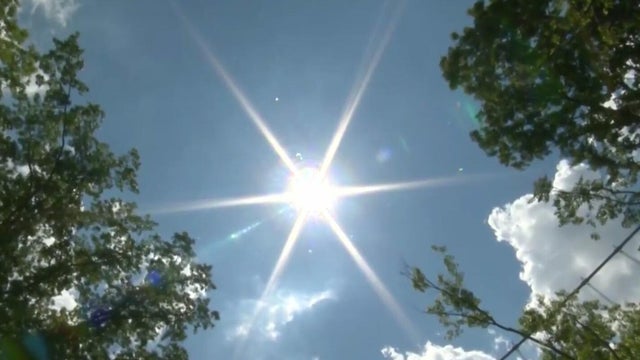
Daylight Saving Time and time change could impact your health, experts say.

President Trump has suggested he supports eliminating daylight saving time, although he's also called it a "50/50 issue."

Daylight saving time in 2025, when clocks change by an hour, has started. Here's a look at when exactly we "spring forward."

Researchers are discovering that "springing ahead" each March for daylight saving time is connected with serious negative health effects.

Dressing in layers is key since South Florida will warm up in the afternoon as highs climb to the upper 70s with pleasant sunshine.
A similar bill has been proposed multiple times in Congress but has always faced challenges.

President-elect Donald Trump said Republicans will try to end the decades-long ritual of changing the clocks twice a year.
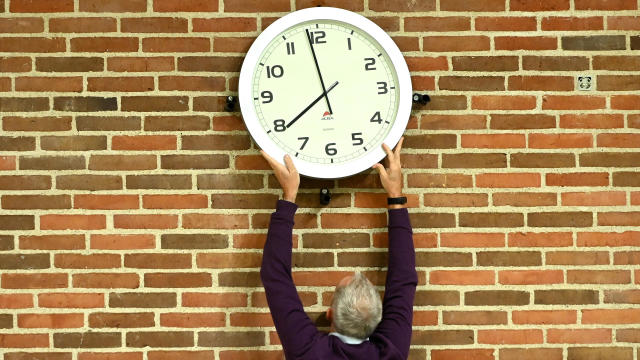
The end to daylight saving time means our clocks "fall back" early Sunday, Nov. 3, 2024. But why do we have to adjust the time twice a year?
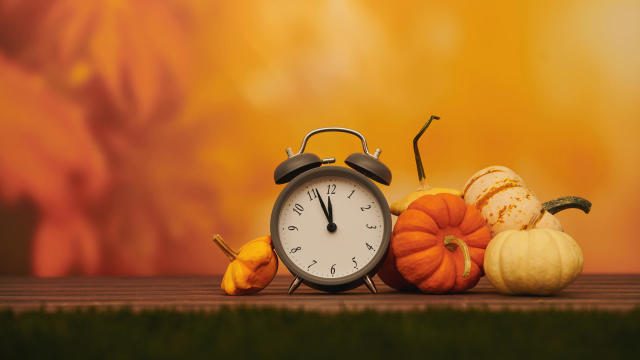
Gaining an extra hour of sleep as daylight saving time ends might sound like a win, but experts say "falling back" can have some health consequences. Here's some advice to help you cope.

Daylight saving time for 2024 is here, which means we lost an hour of sleep as we "spring forward." Here's how to deal with the time change, according to experts.
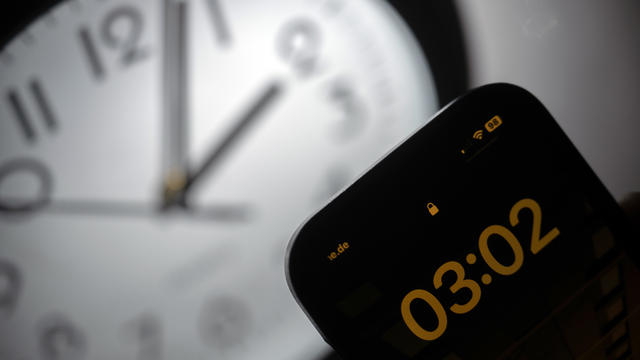
Clocks "spring forward" when daylight saving time begins on Sunday, March 10, 2024.
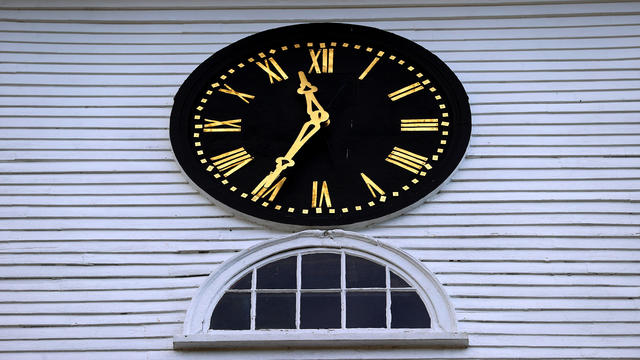
Daylight saving time begins this year in the early hours of Sunday, March 10, giving us longer, sunnier evenings until Nov. 3, 2024. Here's what to know about how the time change works.
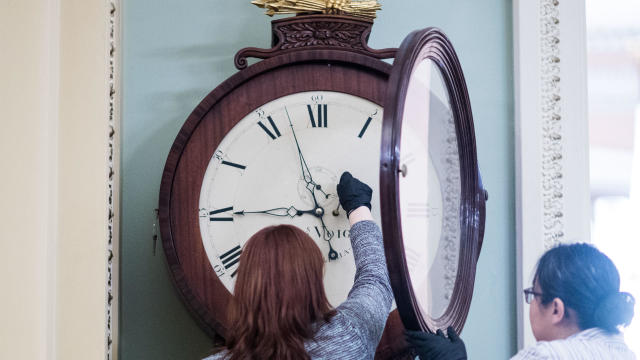
Daylight saving time is returning in March 2024 the same way the twice-a-year time change has resumed for the last 17 years, only to end as usual in November 2024.
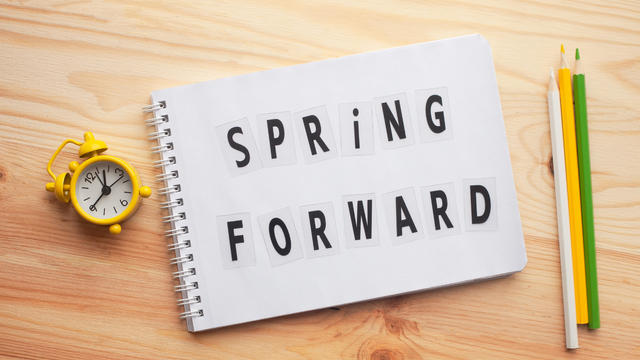
They cite research that suggests that the seasonal change can have dangerous health effects

This Sunday we spring forward for Daylight Saving Time
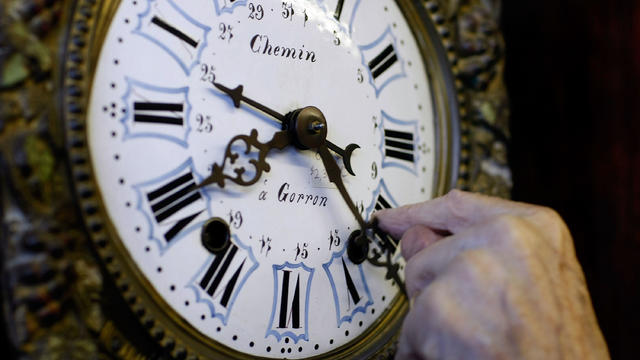
Daylight saving time for 2023 will end in early November with most Americans having to "fall back" for the biannual time change and turn their clocks back an hour.
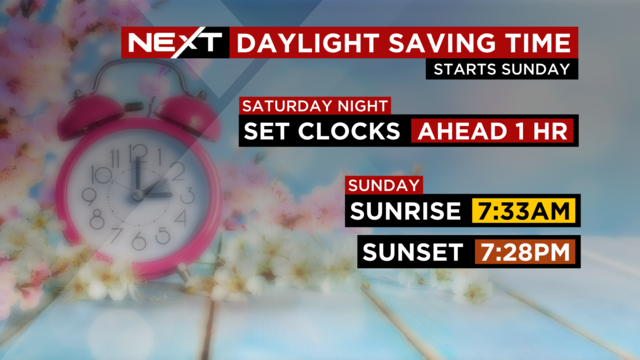
It was put into practice in Europe and the United States to save fuel and power during World War I
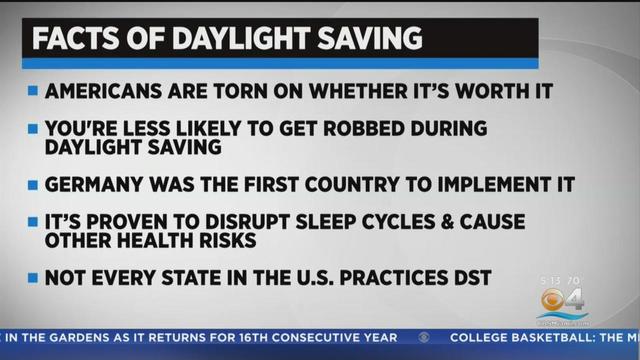
Nicole Lauren reports on the second Sunday of March, at 2 a.m., clocks in most of the United States and many other countries move forward one hour and stay there for nearly eight months.