Voices of the civil rights movement
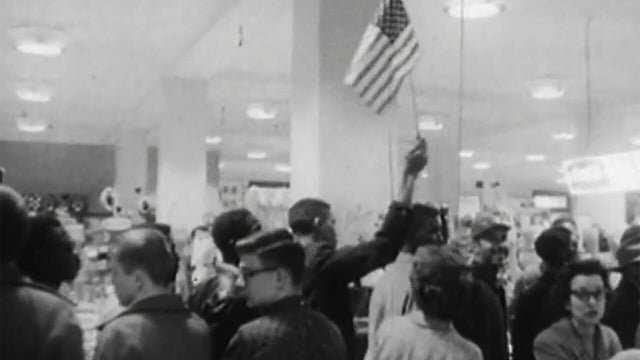
To mark Martin Luther King Jr's birthday, "Sunday Morning" talks with some of those who were engaged from the very beginning of the civil rights movement, from sit-ins and marches to the Supreme Court.
Watch CBS News
To mark Martin Luther King Jr's birthday, "Sunday Morning" talks with some of those who were engaged from the very beginning of the civil rights movement, from sit-ins and marches to the Supreme Court.
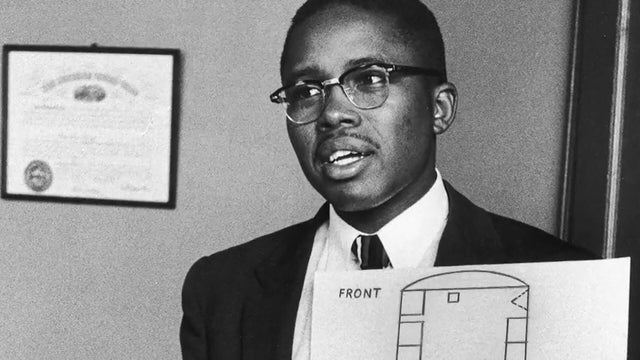
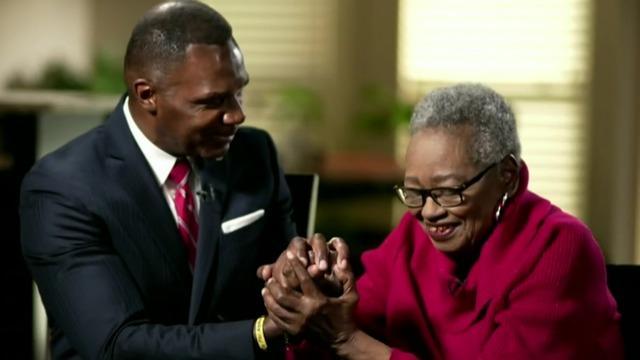
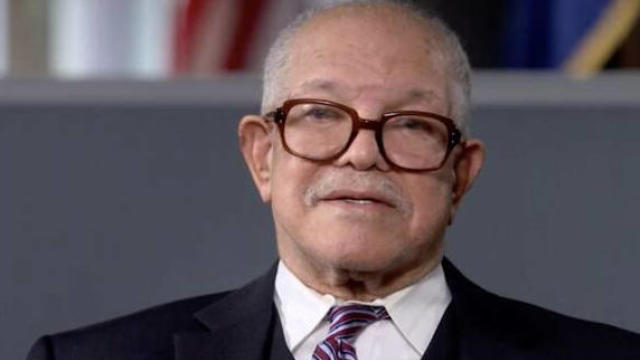
As we mark Martin Luther King Jr's birthday, Martha Teichner talks with some of those who were engaged from the very beginning of the civil rights movement: Arthenia Joyner, who was a Black high school student who took part in a sit-in at a Whites-only lunch counter in Tampa, Fla.; Jawana Jackson, who as a child participated with her mother in the Selma-to-Montgomery march in the wake of "Bloody Sunday"; and attorney Fred Gray, who won four civil rights cases before the Supreme Court by the age of 35.
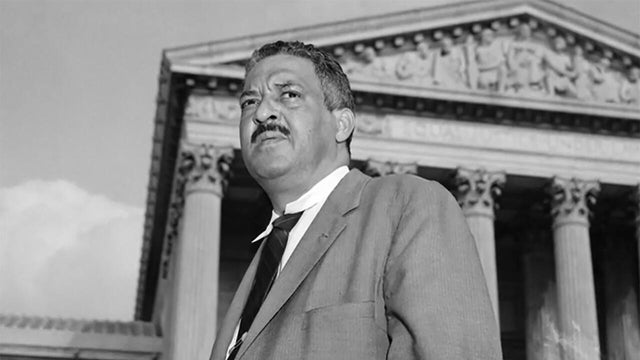
In December 1953, attorney Thurgood Marshall argued before the Supreme Court against racial segregation, leading to a landmark court ruling.
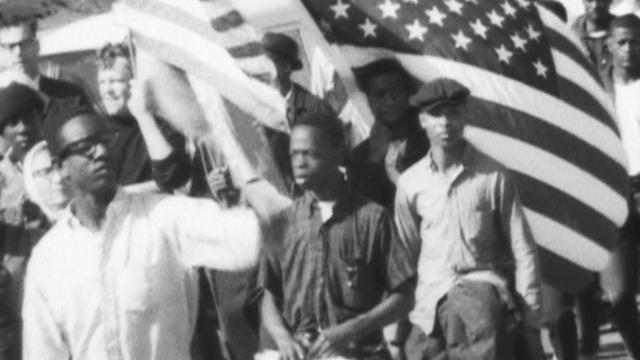
On July 2, 1964, President Johnson signed into law the Civil Rights Act, ending our nation's apartheid. Mark Updegrove, president & CEO of the LBJ Foundation, looks back on a watershed moment in American democracy when segregation was finally made illegal.
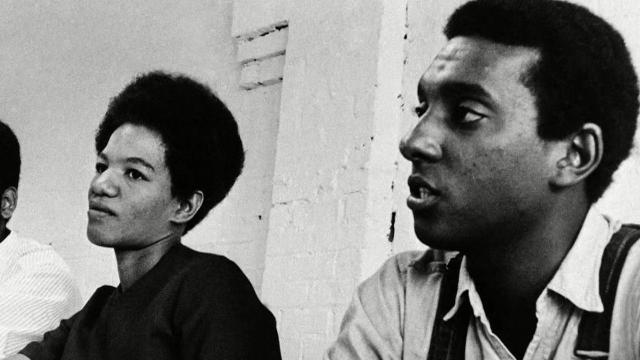
The author of "Saying It Loud: 1966-The Year Black Power Challenged the Civil Rights Movement" examines the birth of Black Power, and the lessons (and warnings) for today's activists.
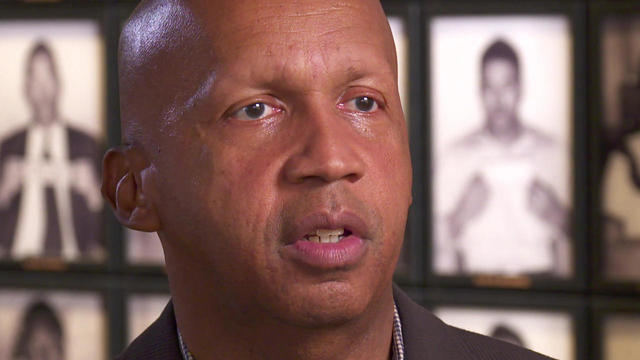
The attorney who helped save 145 wrongly-convicted prisoners from execution talks about his latest project: The Legacy Museum in Montgomery, Ala., educating Americans about the history of slavery and racial violence as a first step in healing.
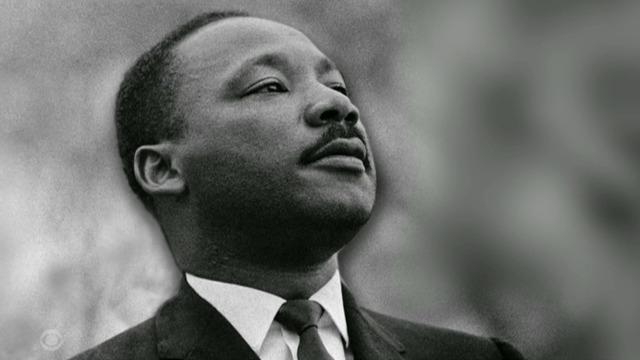
It was 57 years ago that Martin Luther King Jr. led a massive crowd from Selma to Montgomery as they marched for voting rights. At the end of the march, he delivered a powerful speech on the steps of the state Capitol in Montgomery, Alabama.
In 1955, Claudette Colvin was arrested in Alabama for refusing to give up her seat on a bus to a White woman. That incident happened nine months before Rosa Parks. "History had me glued to the seat," Colvin says. David Begnaud joins CBSN AM with more about a new development in her story.
Billy Waugh, the soldier whom Davis carried on his shoulders to safety, wrote in a 1981 statement, "I only have to close my eyes to vividly recall the gallantry of this individual."
"Without Black veterans being front and center in the conversation about their service, their experiences, that history will be lost," says co-founder of Black veterans group.
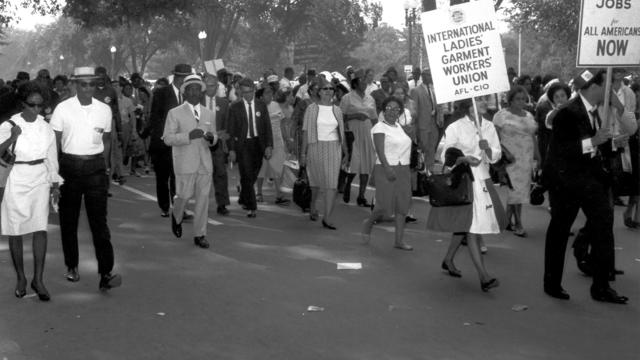
Philadelphia-based photographer Jack T. Franklin captured the richly faceted meaning of that original March on Washington.
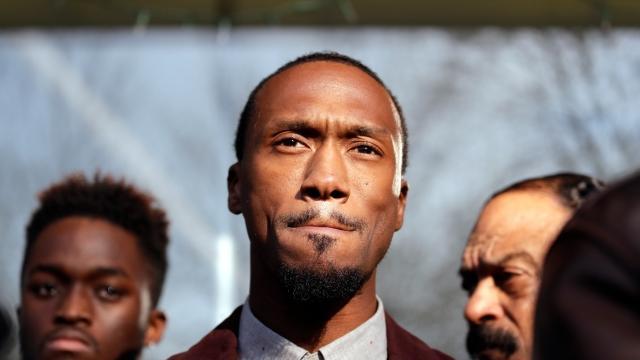
Police in the Seattle suburb of Kirkland have apologized for helping the owner of a frozen yogurt shop kick out a black man because employees said they felt uncomfortable
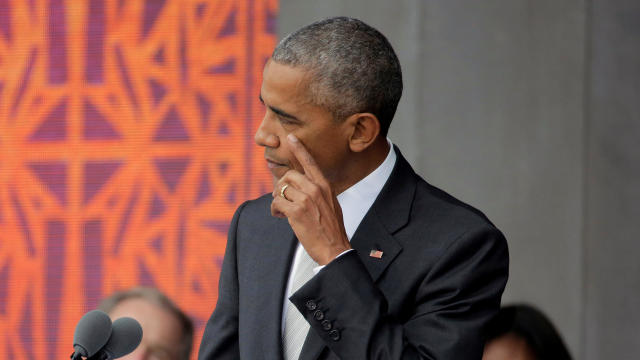
President delivers moving address on importance of new National Museum of African American History and Culture
As the new African-American history museum opens, 60 Minutes producer Nicole Young talks about the artifacts that affected her most
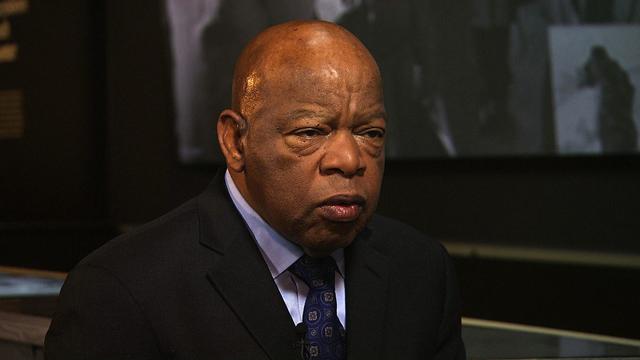
The Civil Rights Movement leader talked to “Face the Nation” ahead of the opening of the Smithsonian Museum of African American History and Culture
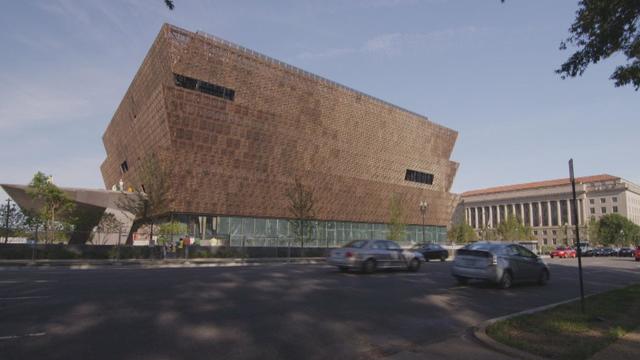
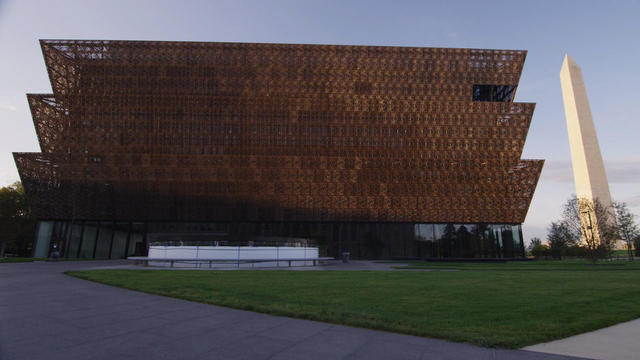
Wrapped in bronze and inspired by the three-tiered crowns used in West African art, the museum shines brightly near the center of the National Mall
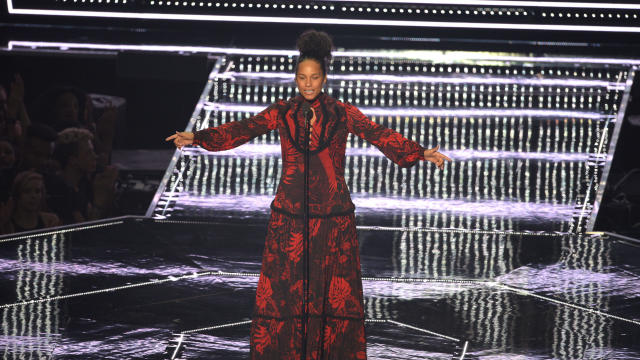
Keep up with the music we play on the broadcast with our Spotify playlist
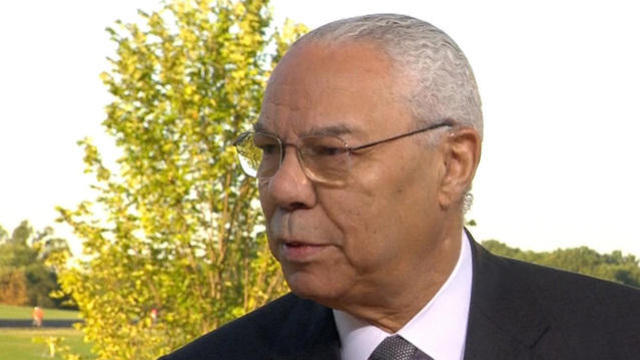
The former secretary of state says National Museum of African American History and Culture is a symbol of what can be achieved
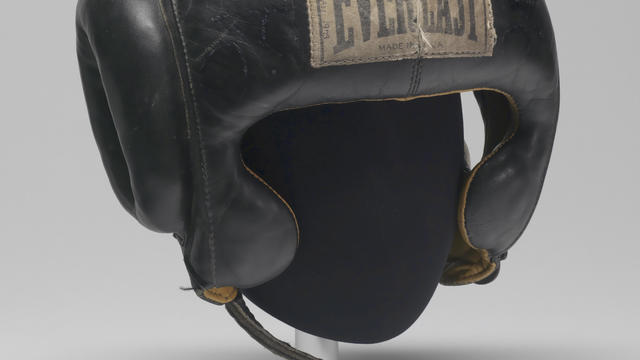
Artifacts tell stories of trial and triumph, of four centuries of the African American experience

From a former slave's freedom paper to a Tuskegee Airmen's jacket, families have donated thousands of heirlooms to the National Museum of African American History and Culture
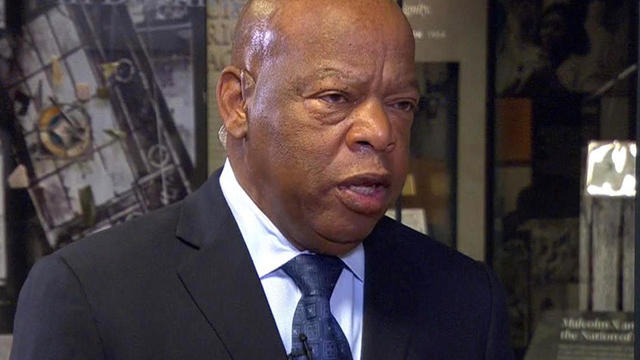
A pioneer of the civil rights movement visits the new Smithsonian museum dedicated to African American history and culture
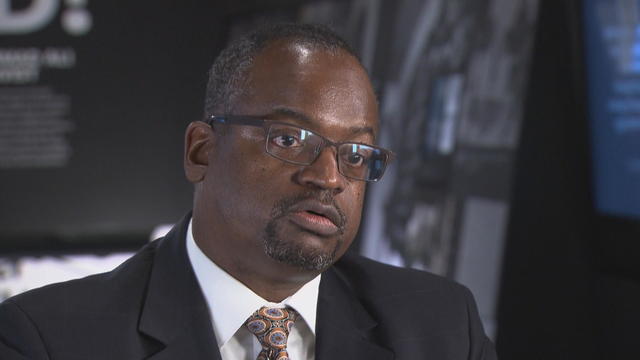
Judge Robert Wilkins, who helped bring the National Museum of African American History and Culture to life, says he gets "goosebumps to see it happening"
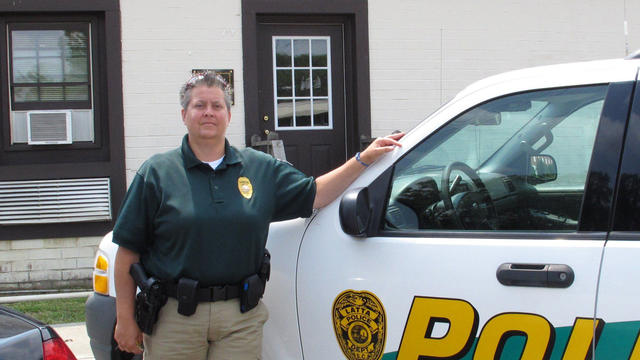
The state has never had a gay sheriff; residents of rural town already rallied behind Crystal Moore when mayor unfairly fired her
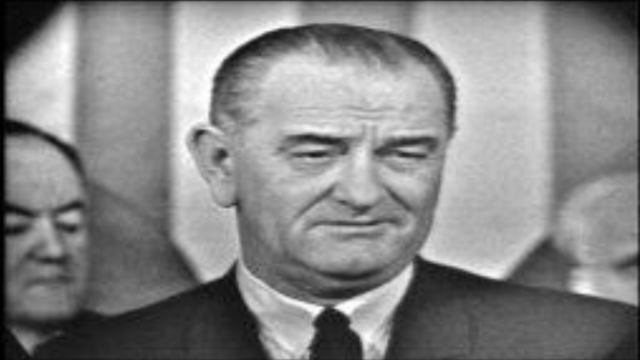
"Every American citizen must have an equal right to vote," President Lyndon B. Johnson said before a joint session of Congress just days after Bloody Sunday
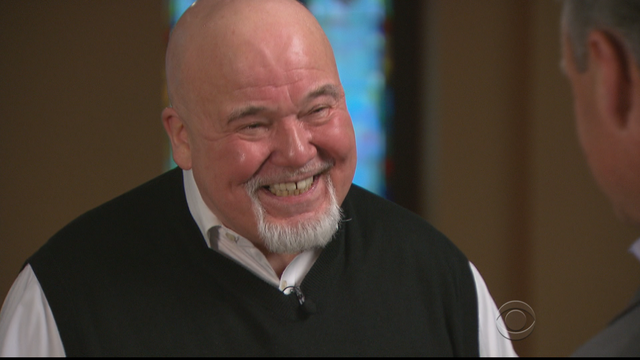
Tom Houck, a chauffeur for Dr. Martin Luther King, Jr., shares what it was like having a driver's eye view on history