Brigham specialist says hormone therapy benefits for menopause outweigh risks
The most effective treatment is hormone therapy, but many doctors won't prescribe it. However, that may be changing.
Watch CBS News
The most effective treatment is hormone therapy, but many doctors won't prescribe it. However, that may be changing.

500,000 "Pilot COVID-19 At-Home Tests" distributed to CVS and 16,000 distributed to Amazon should be thrown out.
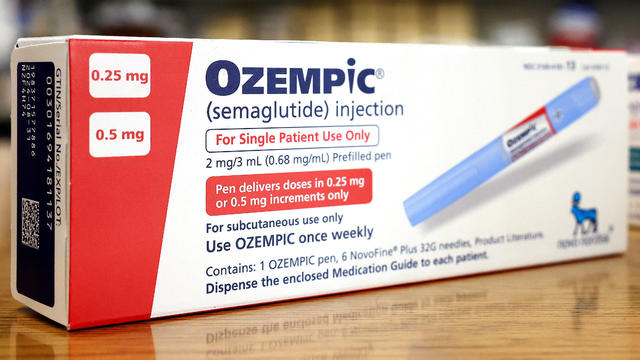
Josie writes, "I am 56 and postmenopausal. I am having trouble losing or maintaining my weight. Intermittent fasting is no longer working. My doctor strongly urged me to use one of the new weight loss drugs. What are your thoughts?"

People are feeling more alone than ever, putting them at risk for depression and other serious health problems, and the U.S. government is taking note.

Mass General Hospital and Beth Israel Lahey Health will be ending their universal masking requirement at all their facilities starting on May 12.

A team of doctors from Brigham and Women's Hospital and Boston Children's Hospital performed groundbreaking brain surgery on a baby still in the womb.

Boston University researchers found that even moderate levels of airplane noise can interrupt a good night's sleep
People who use popular weight loss drugs like Ozempic and Wegovy could be at risk for losing muscle mass.

May 3 is World Maternal Mental Health Day, which raises awareness about mental health conditions women experience during and after pregnancy.

Tufts Medical Center has no COVID inpatients for the first time in more than three years.

Robin writes, "I developed tinnitus several years ago. It runs in my family. I recently saw an article related to COVID vaccinations and tinnitus. What can you tell me?"

Could your mid-day nap be putting you at risk of high blood pressure and obesity? A new study suggests so.

A survey conducted by The Trevor Project found that over 28,000 LGBTQ people aged 13 to 24 had poor mental health due to today's "hostile political climate."

Dr. Mallika Marshall answers a viewer's question about obtaining free COVID test kits.

Researchers found that those who reported frequent communication using e-mail and video calls were more likely to report feelings of depression and anxiety.