Watch CBS News
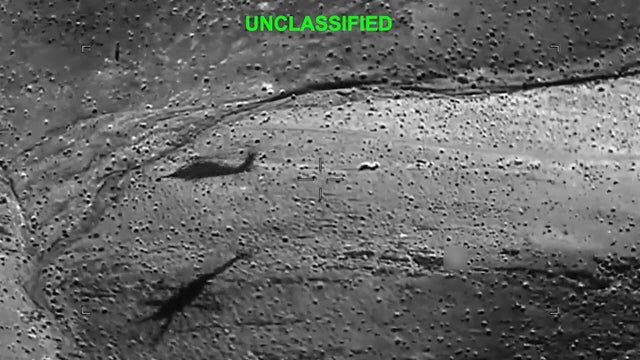
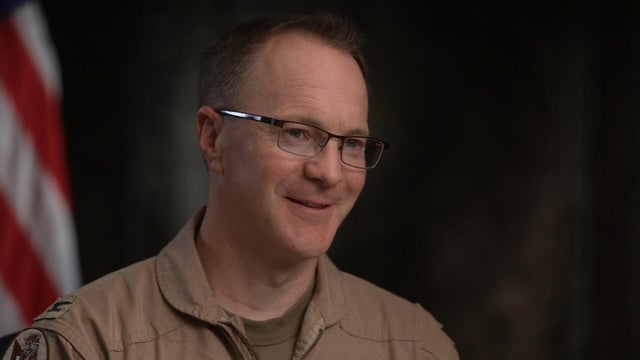
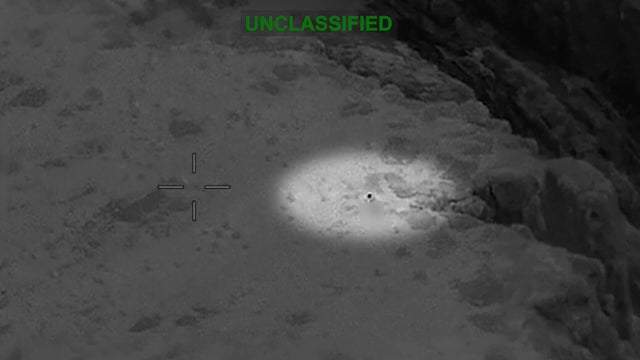
Dramatic video, obtained first by 60 Minutes, shows the rescue of two Air Force officers shot down over a mountainous desert region of Iran back in April.
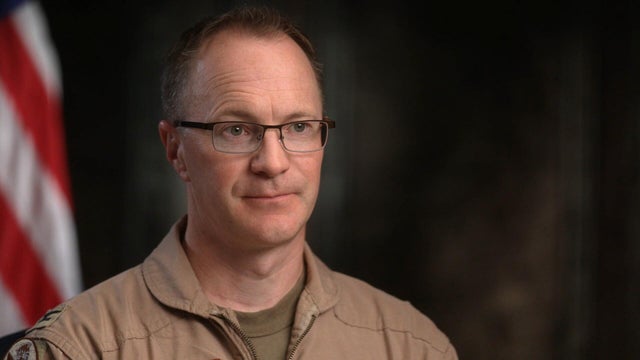
In an extended interview with 60 Minutes correspondent Norah O'Donnell, Bravo, an Air Force colonel, provided new details about his fight to survive behind enemy lines in Iran, and the rescue operation that brought him and crewmate Alpha back home.
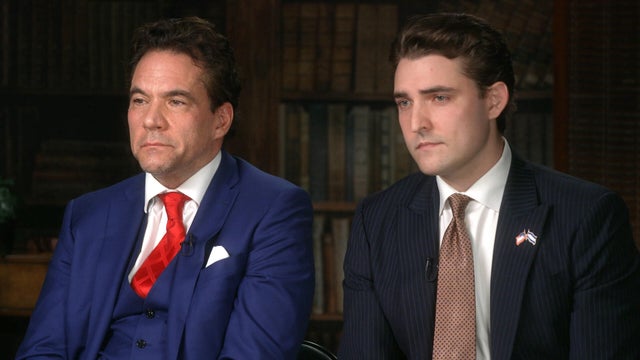
Our hidden cameras captured lobbyists as they tried to woo a potential client expressing interest in obtaining a pardon from President Trump. After we notified pardon brokers Jack Burkman and Jacob Wohl of our hidden-camera operation, they agreed to sit down with us to talk about how they set their prices and engage influencers. Watch excerpts of the conversation.
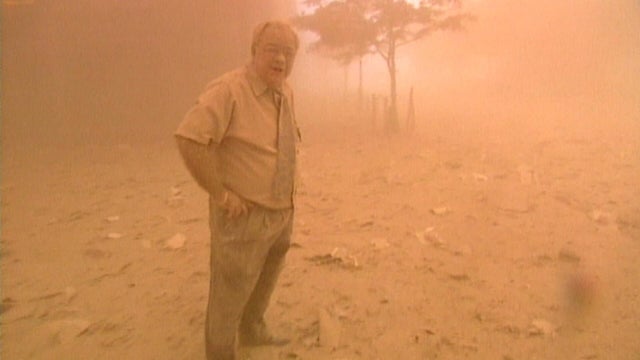
CBS News cameraman Mark LaGanga captured the 29 minutes in between the towers falling on 9/11, even filming as the North Tower collapsed around him. Twenty-five years later, he reflects on his experience in an interview with 60 Minutes digital.

Fred Miller purchased a property to host family gatherings, only to learn it was once a plantation where his ancestors were enslaved.
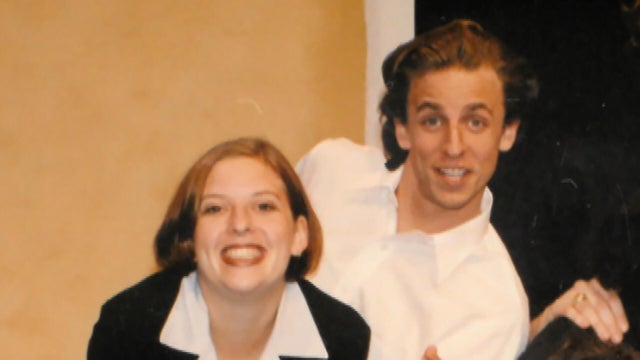
Seth Meyers said the Dutch improv theater Boom Chicago gave him and his comedy partner Jill Benjamin a "road map" to create a show that eventually got the attention of "Saturday Night Live."
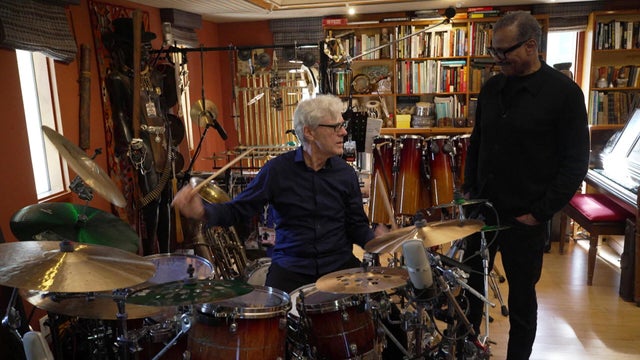
The Police drummer gives Bill Whitaker a tour of his Los Angeles studio, where custom percussion, rare instruments, and nature-inspired sounds come together in his latest project, "Wild Concerto."
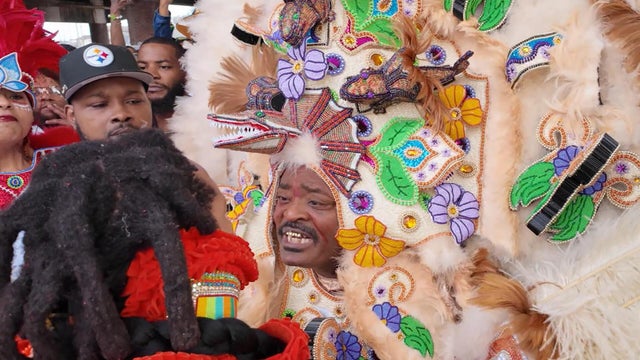
In the Mardi Gras Indian, or Black Masking Indian, tradition, the big chiefs and their crews — spy boys, flag boys, wild men and a big queen — square off in mock battles with other so-called tribes to determine who is, in their words, the "prettiest."
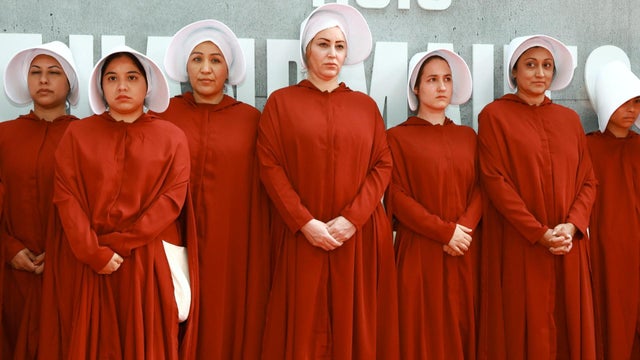
In an interview with 60 Minutes correspondent Jon Wertheim, author Margaret Atwood joked about the signature red cloak and bonnet: "Well, if you have a cult, and if you have totalitarianism, you have to have outfits."

The U.S. military has declared an end to its Iraq-based anti-ISIS operation, more than 20 years after initially invading the country to oust then-President Saddam Hussein. Back in 2011, Bob Simon interviewed the Iraqi defector code-named "Curve Ball," whose false tale of a mobile, biological weapons program was the chief justification for the 2003 U.S. invasion of Iraq. "Telling the truth is not for me," Curve Ball told Simon.

As New York celebrates Dolly Parton Appreciation Day, 60 Minutes looks back at her first visit to New York City, when the musical "Hello, Dolly!" was playing on Broadway. She told Morley Safer in 2009: "I thought, 'Hey, I've arrived. I'm here.'"
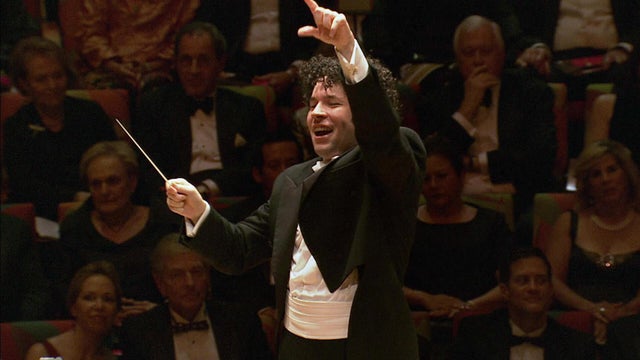
This month marks the debut of Gustavo Dudamel as the new musical director of the New York Philharmonic. In 2010, Bob Simon visited the then-29-year-old conductor and product of El Sistema, Venezuela's radical approach to music education as he led the Los Angeles Philharmonic.
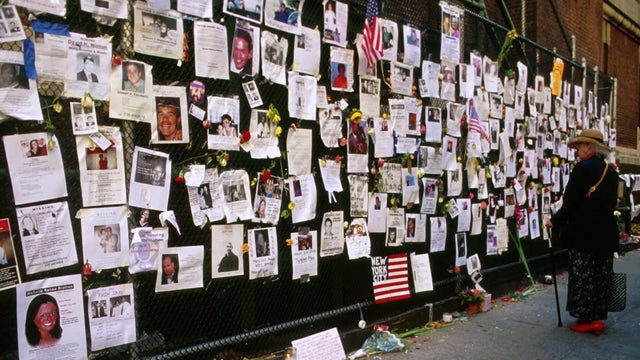
It's been 25 years since 9/11, and the New York City Office of Chief Medical Examiner continues its pledge to identify remains for as long as there are families looking for answers.
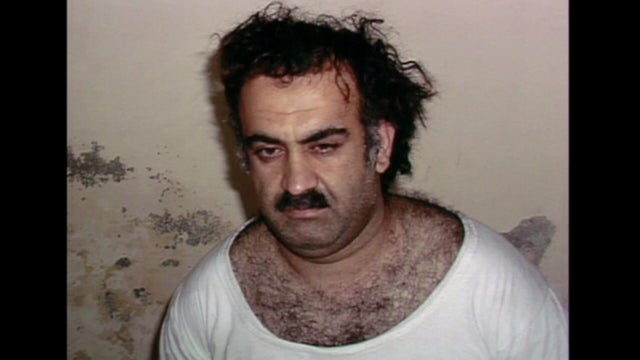
Khalid Shaikh Mohammed, the alleged mastermind of the 9/11 terror attacks, has been in U.S. custody since 2003.
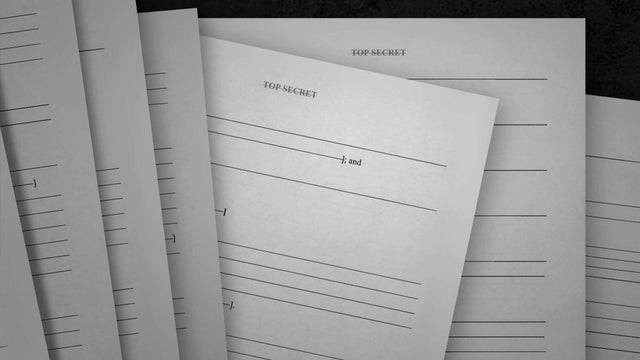
In 2016, former members of Congress said pages from the report may hold clues about a possible Saudi support network for 9/11 hijackers, and that people would be "surprised" by some of the information.

Videos and documents turned over to the FBI in the weeks after 9/11, including video of the Capitol and an airplane sketch, have raised new questions for investigators.
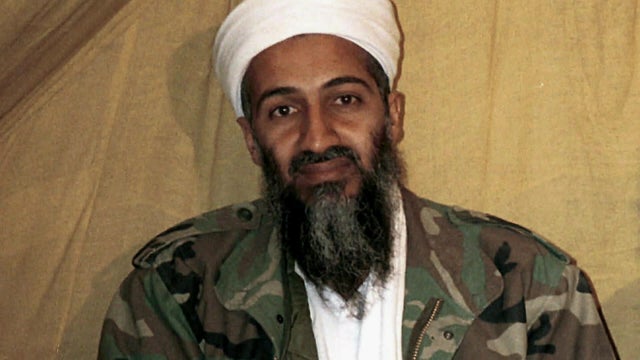
Ali Soufan, who was the FBI's lead investigator of al Qaeda after the 9/11 attacks, spent years analyzing documents seized in Osama bin Laden's compound, including bin Laden's handwritten will.
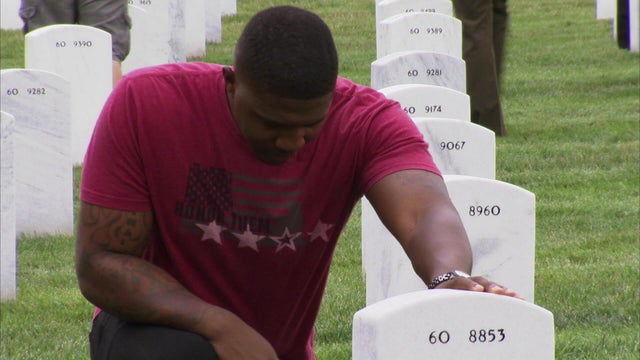
Members of a U.S. Marines unit which suffered high casualties in the Afghanistan War share the struggles they faced when returning to civilian life, and the PTSD they dealt with years after war.