Tehran says Strait of Hormuz "under Iran's control" after Trump threat
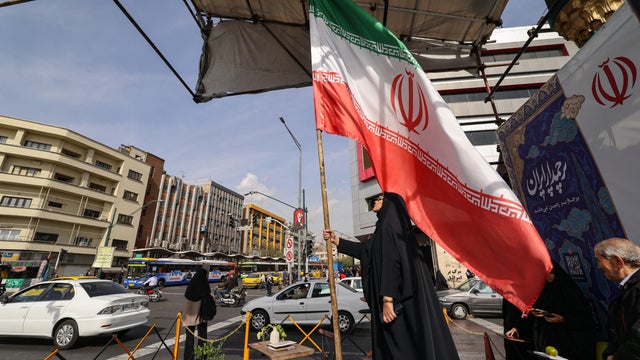
Tehran has asserted that the Strait of Hormuz is "under Iran's control and management" after President Trump said the U.S. might "keep it."
Watch CBS News
Tehran has asserted that the Strait of Hormuz is "under Iran's control and management" after President Trump said the U.S. might "keep it."

Senate Democrats are demanding answers about conditions aboard the USS Abraham Lincoln during the aircraft carrier's record-setting deployment.
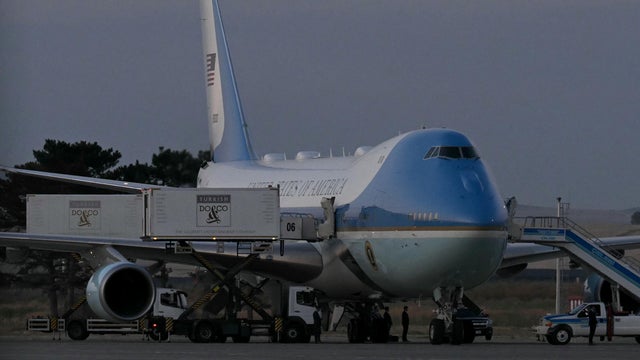
President Trump secretly moved from Air Force One to another plane within a day of U.S. and Turkish intelligence picking up on an Iranian plot to fire a missile at the jet, CBS News has learned.
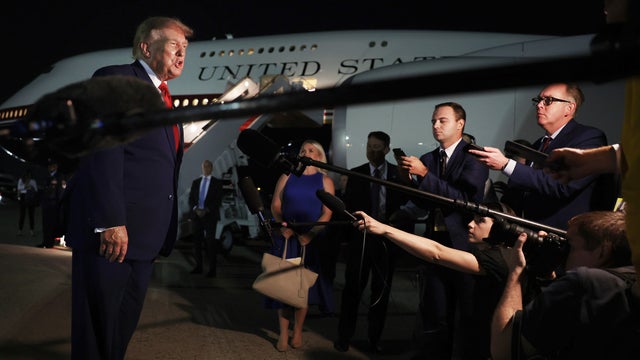
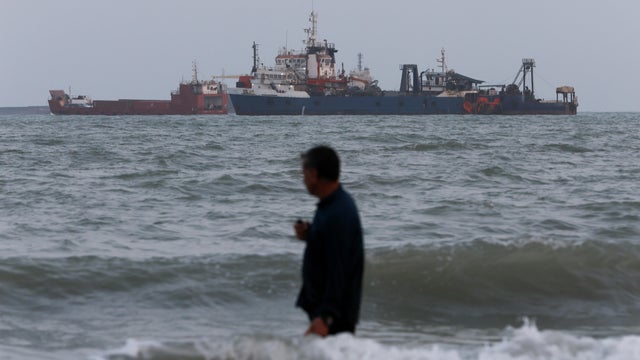
President Trump said Wednesday that the U.S. has "total control" over the Strait of Hormuz, writing on social media: "I THINK WE WILL KEEP IT."
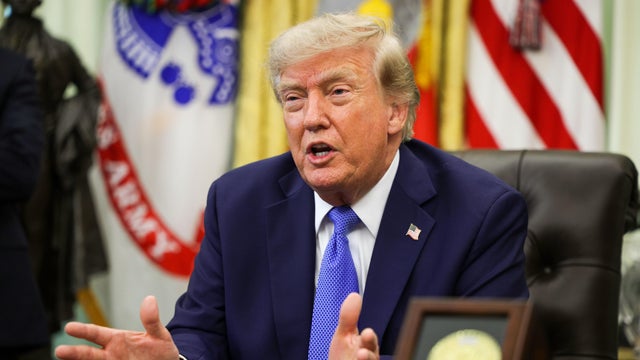
The U.S. and Iran are close to agreeing on "some sort of arrangement," Pakistan's defense minister told Bloomberg on Tuesday.
Ahead of a flight from Turkey, President Trump secretly left Air Force One and was moved to another plane with the help of a catering truck, according to a source, as the U.S. grappled with a threat from Iran.
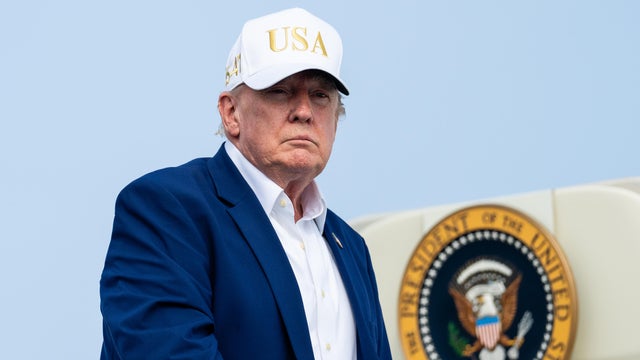
President Trump signaled he would be piling economic pressure on Iran as the stalemate continued and Tehran laid out new conditions to reopen the Strait of Hormuz.
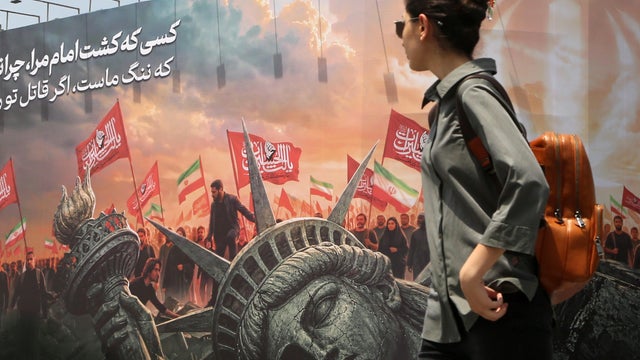
The United Arab Emirates' Abu Dhabi National Oil Company said one of its ships was targeted while transiting the strait.

GOP Sen. Ted Cruz told Aaron MacLean on the "School of War" podcast that President Trump should heap more pressure on Iran — including by arming Iranians to "let them overthrow their own government."
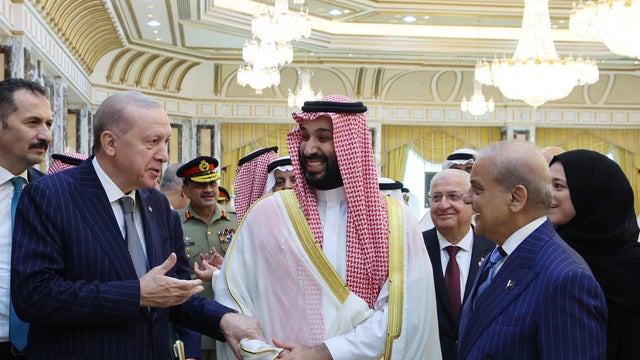
The agreement says any armed attack against one of the three states will be regarded as an attack on them all, Pakistan and Turkey said in statement.
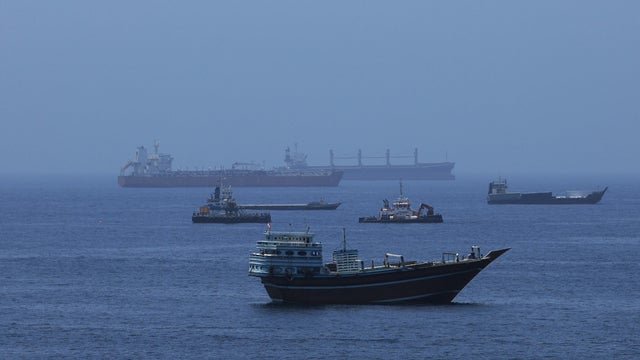
Iran and Oman are close to agreeing on new arrangements for the Strait of Hormuz, but not for a full reopening of the vital waterway, Iran's state news agency says.
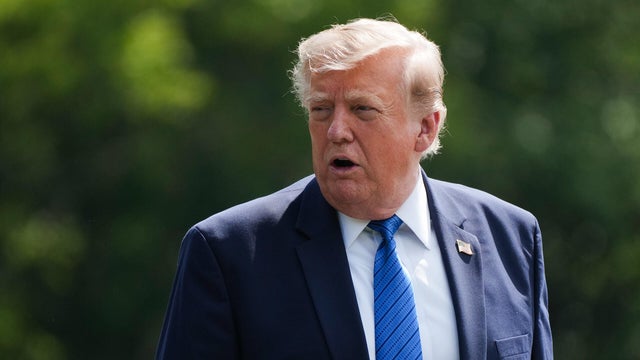
President Trump is taking issue with recent reports of significant U.S. munitions shortages due to the war with Iran.
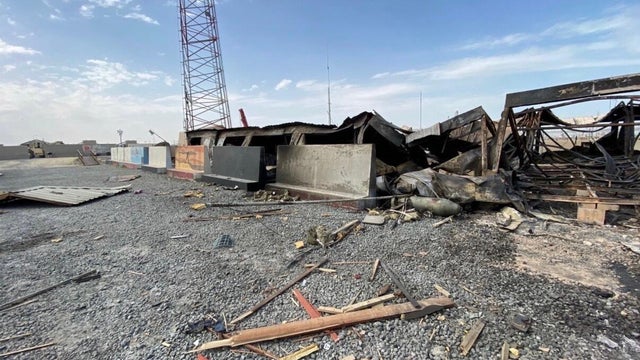
A CBS News investigation found troops had flagged military leaders about the lack of defenses and insufficient medical supplies ahead of the attack in Kuwait at the beginning of the war with Iran.
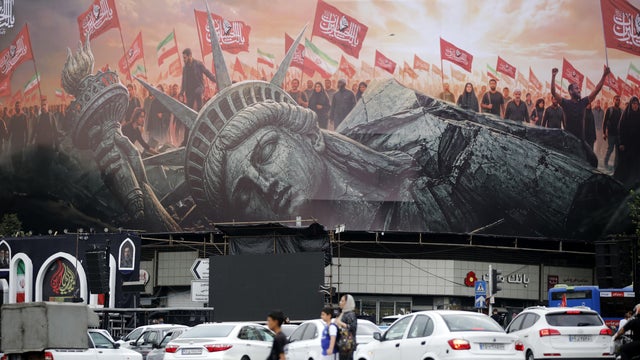
The secretary of state said progress has been made in the Iran-Oman talks but that no final agreement has been reached, adding, "We're hoping that will happen very shortly."
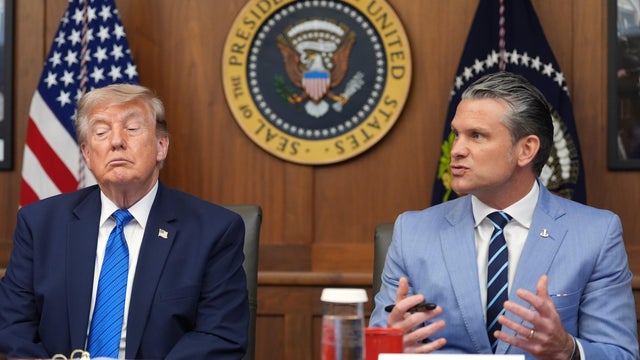
CBS News has previously reported that the U.S. has dwindling stockpiles of defensive interceptors and long-range missiles.
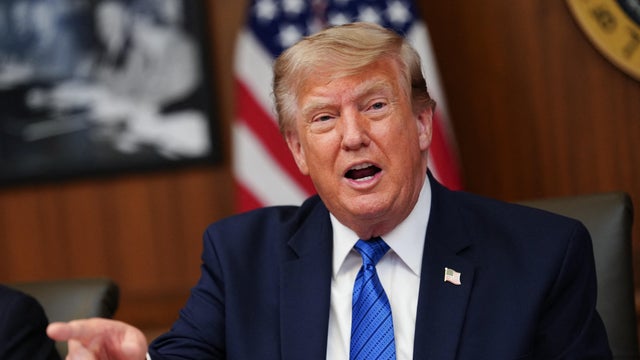
President Trump said negotiations with Iran are set to begin Monday after announcing Saturday night that he canceled a pending attack on Iran.
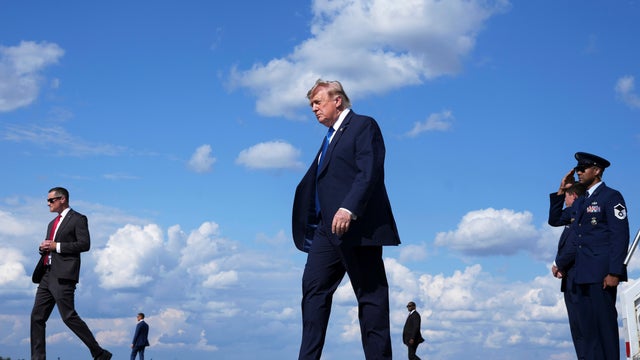
On Saturday, Saudi Crown Prince Mohammed bin Salman spoke with Mr. Trump and cautioned him against conducting a fresh round of strikes on Iran, CBS News learned.

The U.S. and Israel plan to hit Iran's energy infrastructure as soon as this weekend, although no final decision has been made, sources familiar with the matter told CBS News.
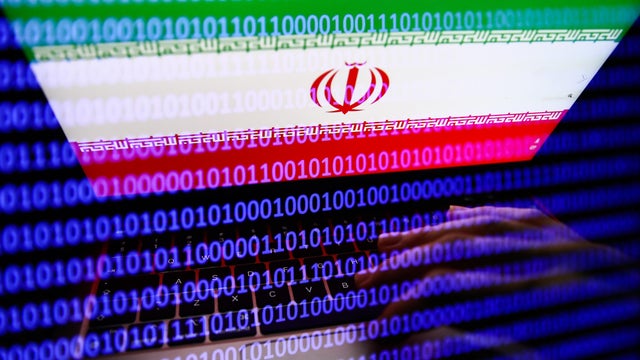
Investigators are probing whether Iranian hackers are behind this week's malicious cyber activity against water systems in Minnesota. If they are found to be the culprits, it would not be the first time.
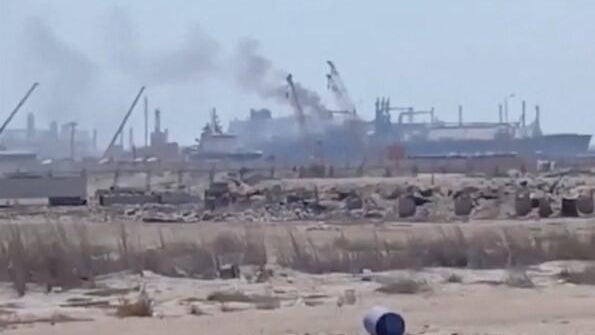
A vote in the Senate to limit President Trump's war powers has narrowly failed again. Three Republicans voted in favor of it.

As conflict potentially expands in the region, Trump met with the Saudi defense minister and with Benjamin Netanyahu. The Israeli prime minister counseled Trump on three options for the war.
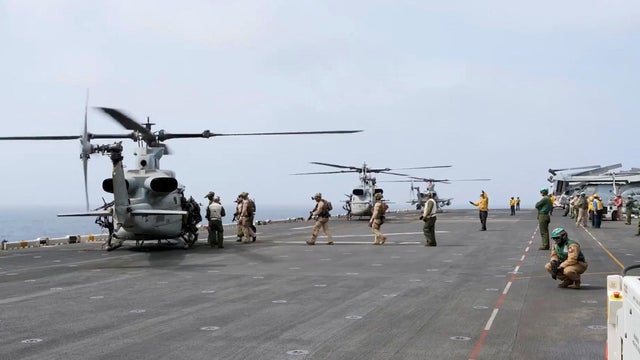
Iran launched multiple ballistic missiles at U.S. forces in the Middle East in what U.S. Central Command described as an "attempted surprise attack" on Tuesday.

The U.S. and Saudi militaries announced airstrikes late Tuesday on Iranian-backed groups in Iraq, after Iran and its proxies allegedly targeted American forces.
Talks between Oman and Iran on reopening the Strait of Hormuz and their respective territorial waterways have made progress, two sources told CBS News.

Four U.S. service members who were listed in a Pentagon casualties database as having died during the Iran war are now listed as "Overseas Operations Casualties."