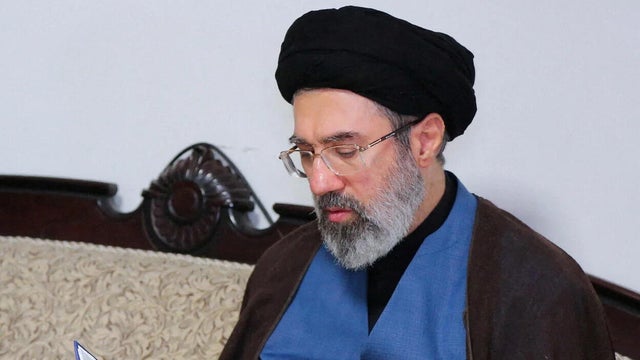
Iran names new supreme leader, Mojtaba Khamenei, Iranian state media reports
Mojtaba Hosseini Khamenei served in the Iran-Iraq war in the 1980s where he developed close ties with the military services and with the Islamic Revolutionary Guard Corps.
Watch CBS News
Mojtaba Hosseini Khamenei served in the Iran-Iraq war in the 1980s where he developed close ties with the military services and with the Islamic Revolutionary Guard Corps.
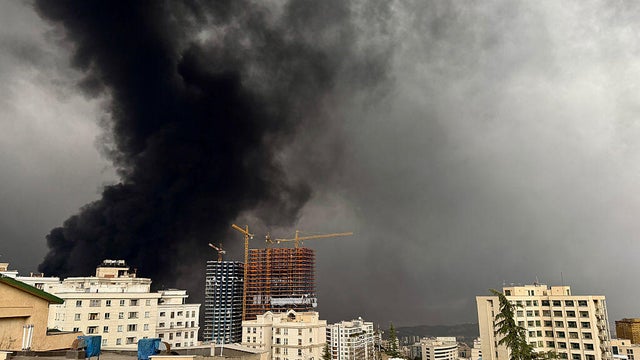
President Trump says the U.S. has diminished Iran's military and regime and will continue to expand its targets inside Iran.

American and Israeli attacks on the Islamic Republic of Iran that killed the Ayatollah Ali Khamenei, prompting retaliatory strikes across the region, are the latest chapter in a nearly half-century stand-off between Tehran and Washington. "Sunday Morning" national correspondent Robert Costa talks with New Yorker writer Robin Wright about Iran's history and ambitions, and about President Trump's next steps after launching strikes.

Last June, President Donald Trump announced U.S. strikes on Iran had "completely and totally obliterated" key facilities of that country's nuclear program. Now, Trump has attacked Iranian territory again, in conjunction with strikes ordered by Israeli Prime Minister Benjamin Netanyahu. CBS News national security correspondent David Martin talks with retired general and CBS News contributor Frank McKenzie about Washington's escalating war with Tehran.
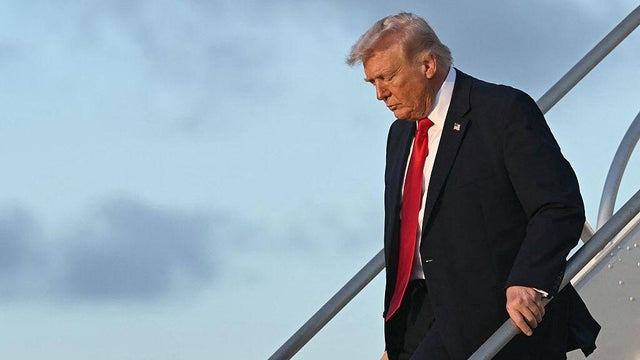
In a phone interview with CBS News, President Trump dismissed threats from Iran's top national-security official, who posted on social media that Mr. Trump must "pay the price" for the strikes on Iran.
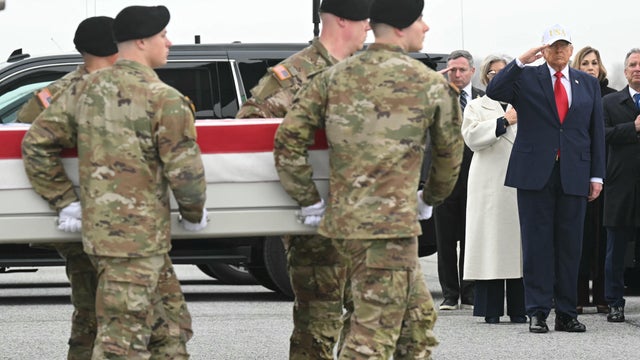
All six service members died during an unmanned aircraft system attack in Port Shuaiba, Kuwait.
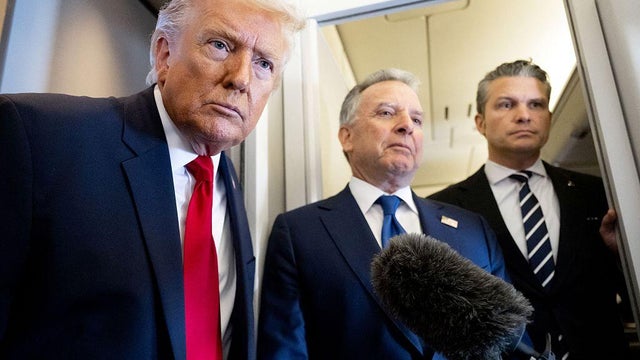
President Trump on Saturday told reporters, without citing evidence, that he believes a deadly strike on a girls' primary school in southern Iran last weekend was "done by Iran."
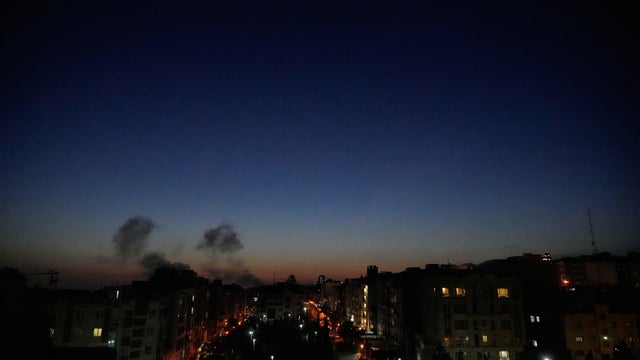
Kremlin press secretary Dmitry Peskov told reporters Russia's government is in "dialogue" with Iranian leadership representatives.
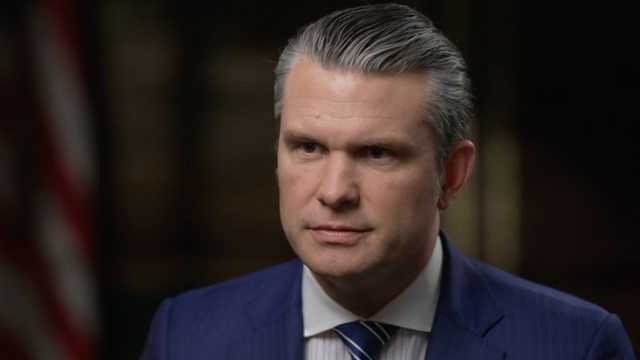
Defense Secretary Pete Hegseth said the U.S. will confront "anything that shouldn't be happening, whether it's in public or back-channeled."

A lawyer for an American man held in a notorious Iranian prison says he can only hope U.S. and Israeli forces "exercise extreme caution," as concern about U.S. prisoners mounts.
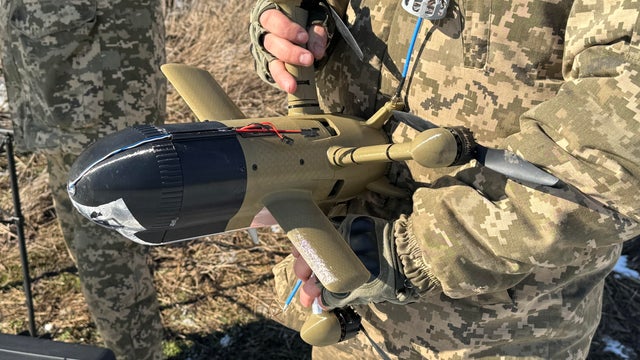
Ukraine's President Volodymyr Zelenskyy says his country will work with the Pentagon and Gulf allies to share what it has learned during four years of drone warfare.
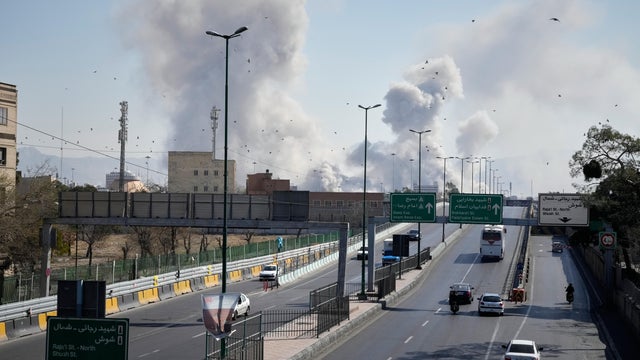
"States have been trying to topple regimes with air power alone and — I'm choosing my words carefully — it has never worked," Robert Pape told CBS News 24/7.

Four men suspected of spying for Iran on "locations and individuals linked to the Jewish community" were arrested in London, the Metropolitan Police say.
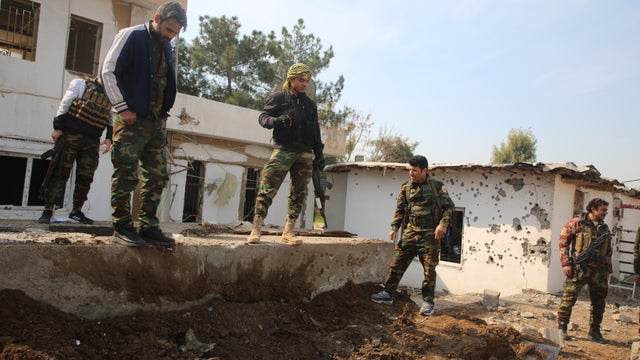
Iran's Kurdish minority has long pushed for the downfall of the Islamic Republic, but to make a move now, it will need help.
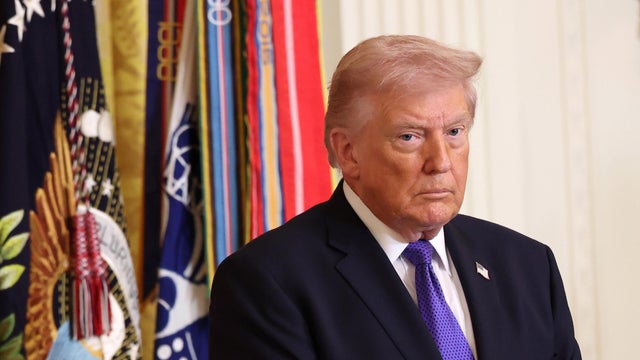
President Trump on Monday listed four reasons why the U.S. launched its attack on Iran, initiating what he said he expects to be a weeks-long war.
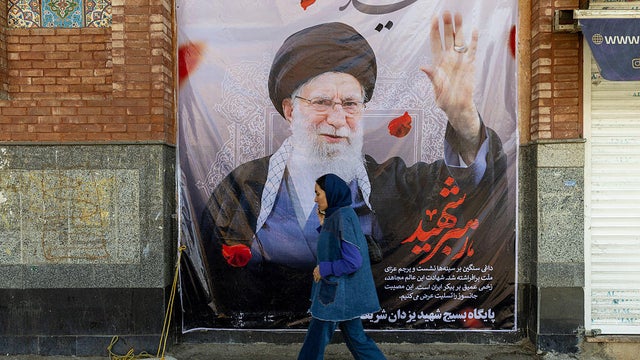
President Trump said he must have a role in choosing Iran's next leader and called the son of the late Ayatollah Ali Khamenei "unacceptable."

In the week before an Iranian retaliatory strike that killed six U.S. service members, Iranian intelligence was likely able to identify and track American forces, according to a memo reviewed by CBS News.
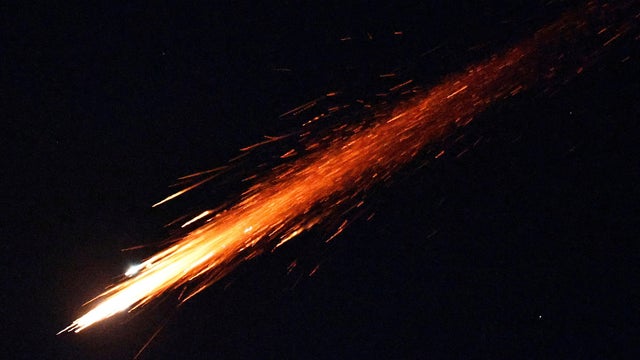
Officials speculated that Iran is intentionally hitting the Arab states to get them to pressure the U.S. to end the war.
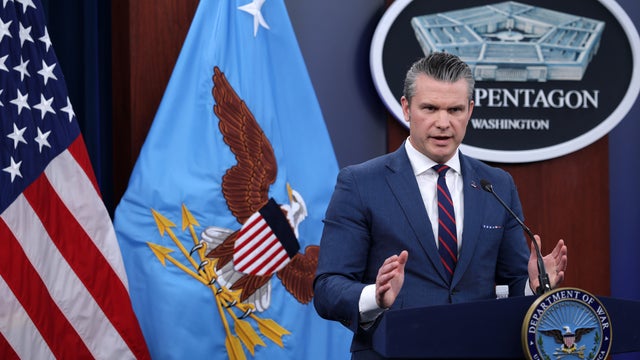
Defense Secretary Pete Hegseth gave a press briefing with Admiral Brad Cooper, the commander of U.S. Central Command.
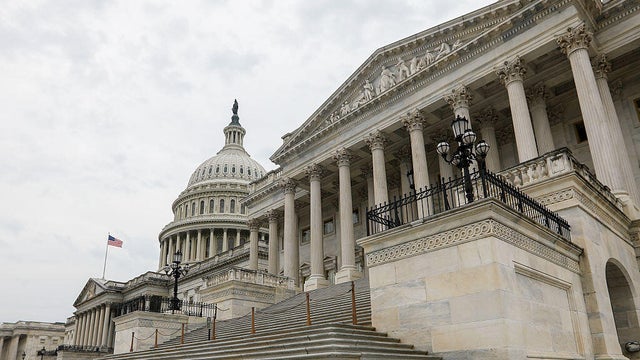
The House resolution to constrain Trump's war powers failed in a 212 to 219 vote, with four Democrats joining all but two Republicans to kill it.
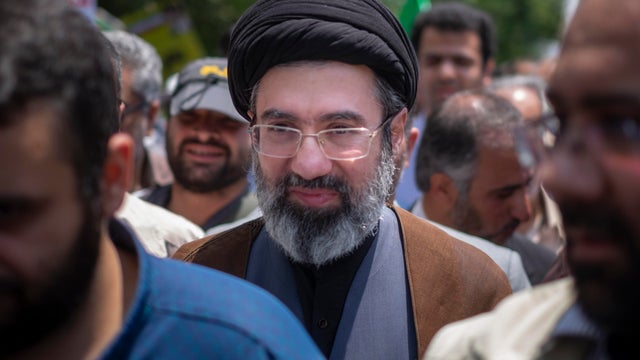
The assassination of Iran's Supreme Leader Ayatollah Ali Khamenei in the early hours of the war has raised a simple but enormously consequential question: Who will replace him?
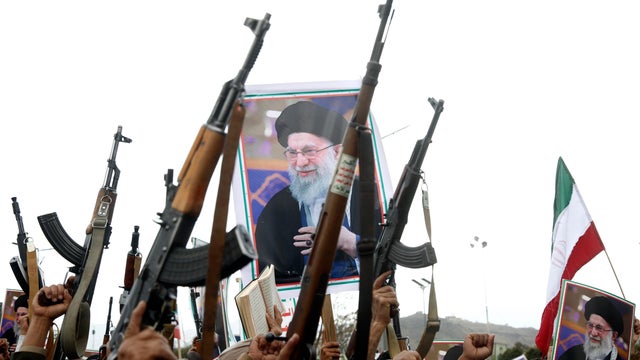
A former national security official says Iran has "surrogate networks here in the United States" and urges Americans to be "extra vigilant right now."
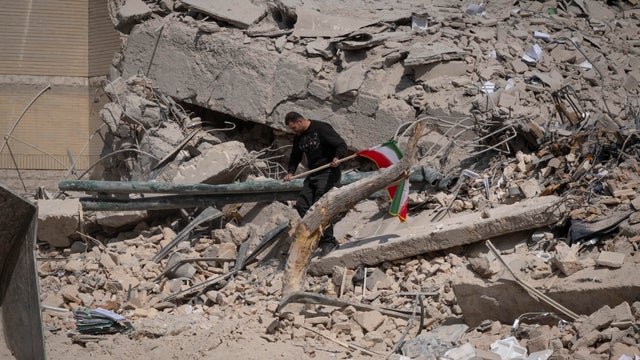
The U.S. is "accelerating, not decelerating" war on Iran, Hegseth says, as strikes intensify in the region and reach 1,000 miles away.
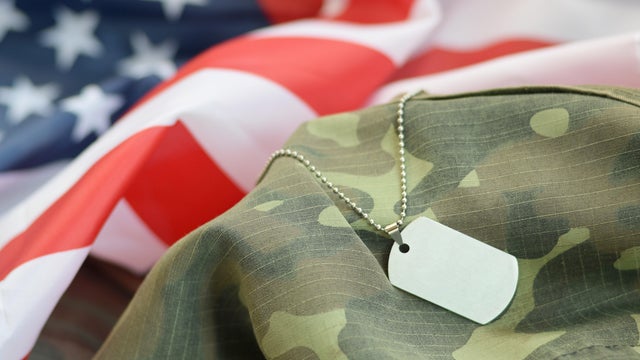
Six American service members were killed in a strike in Kuwait during the U.S.-Iran conflict, U.S. Central Command said.
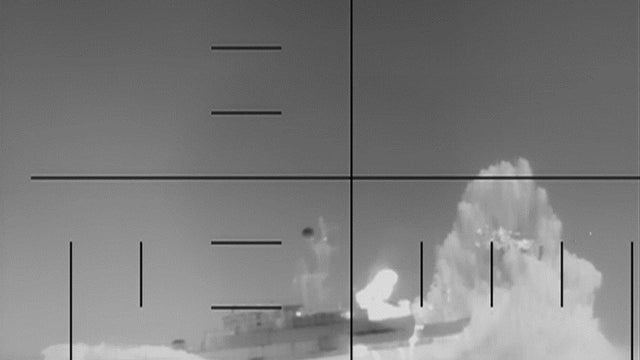
In Defense Secretary Pete Hegseth's second news briefing since the start of the Iran war, Hegseth said the U.S. had sunk an enemy ship by a torpedo for the first time since World War II.