Oil prices rise sharply in market trading after attacks disrupt supply
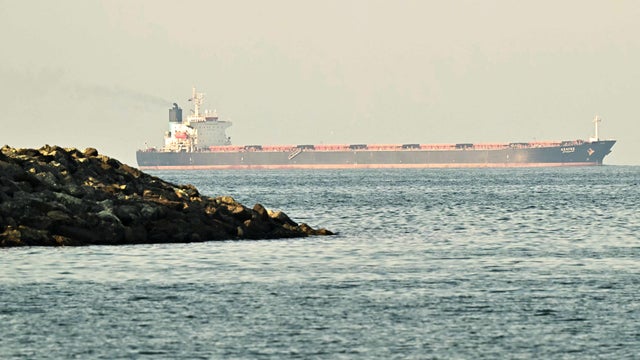
Oil prices rose sharply when market trading began late Sunday over concerns that the supply from Iran and elsewhere in the Middle East would slow or grind to a halt.
Watch CBS News
Oil prices rose sharply when market trading began late Sunday over concerns that the supply from Iran and elsewhere in the Middle East would slow or grind to a halt.

If you have travel plans this summer, expect to pay even more at the pump. Analysts say the nationwide the average price for regular gas is likely to be around $4 a gallon.

Rep. Dan Crenshaw, R-Texas is calling out the Biden administration on Twitter for asking OPEC to increase crude oil production.

As gasoline prices reach a seven-year high, the Biden administration is calling on OPEC and its allies to do more to combat rising energy prices.

The OPEC oil cartel and allied producing countries have confirmed their plans to return 2.1 million barrels per day of oil output.

North Texans are paying more at the pump. According to AAA Texas, the average price in the state is $2.64 for a gallon of regular unleaded.

Oil prices skyrocketed Monday after Pfizer revealed new coronavirus vaccine data that could offer hope to millions and clear some of the black clouds hovering over the energy industry.

Due to the COVID-19 outbreak, local and state governments have forced most businesses to close and most people to stay home, creating a massive glut of oil.

Oilfield service company Halliburton has announced it will institute a mandatory furlough for some 3,500 employees in Texas.

Exxon Mobil is boosting its projected growth of oil and gas production in the Permian Basin and says the field can be profitable even at lower crude prices.

Exxon Mobil is making a big bet on the future of exporting natural gas.

A rally in oil prices after a two-month slide indicates traders are betting that OPEC and its allies including Russia will agree to produce less crude.

Several states hit record production in August including Texas, which accounts for about 40 percent of U.S. crude

America's rediscovered prowess in oil production is shaking up old notions about the impact of higher crude prices on the U.S. economy.

Officials from major oil-producing nations are expected to agree this week to boost output, but just how much they will open the spigot remain a wild card.

President Donald Trump's decision to take the U.S. out of the Iran nuclear deal is hitting investors (and gasoline-buying Americans) where it hurts -- the oil market.
A global energy watchdog says booming production in the United States will meet 80 percent global growth in demand for oil over the next five years.

The average price of regular grade gasoline is unchanged nationally over the last two weeks, holding steady at $2.20 a gallon.
OPEC's decision to cut production gave an immediate boost to oil prices, but the impact on consumers and the U.S. economy is likely to be more modest and gradual.
OPEC now sees oil prices rising more slowly over the next few years than it had expected, as the oversupply of crude takes longer to work off.

The decline in U.S. oil production may not be as severe as expected just a month ago.
The price for a barrel of US Crude oil slipped to its lowest level in more than 6 years on Tuesday.

The U.S. has so much crude that it is running out of places to put it, and that could drive oil and gasoline prices even lower in the coming months.
Oil has averaged $96 a barrel over the past four years, fueling more drilling, more hiring, and bigger appetites in North Dakota, Texas, Oklahoma and elsewhere. Now oil has hit a rough patch, plunging to $80 from $107