U.S. says it thwarted Iranian missile attack on troops in Middle East
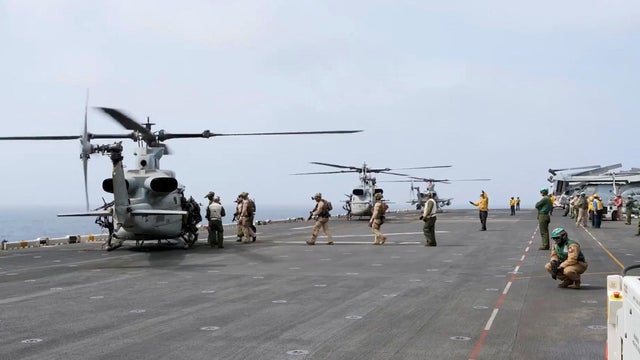
Iran launched multiple ballistic missiles at U.S. forces in the Middle East in what U.S. Central Command described as an "attempted surprise attack" on Tuesday.
Watch CBS News
Iran launched multiple ballistic missiles at U.S. forces in the Middle East in what U.S. Central Command described as an "attempted surprise attack" on Tuesday.
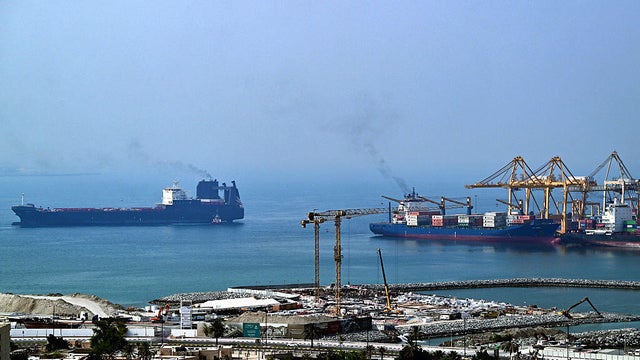
As the U.S. restarts its Iran blockade and carries out more strikes, President Trump has called off a planned 20% fee on shipping through the Strait of Hormuz.
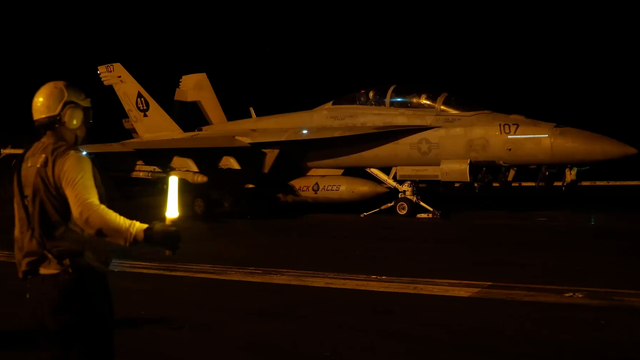
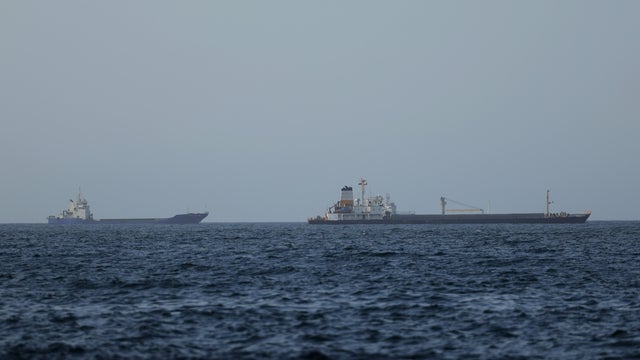
U.S. forces conducted more rounds of strikes on Iran this week, one of which was in retaliation for an attack on a commercial ship in the Strait of Hormuz, the Pentagon said.
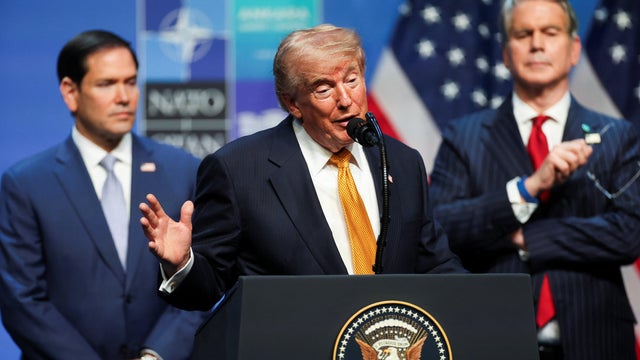
The U.S. began a second night of strikes Wednesday and Iran responded in kind after President Trump declared earlier in the day that the ceasefire was "over."
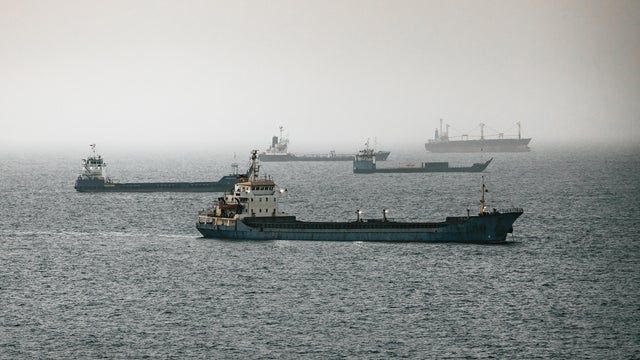
With peace talks on hold, the U.S. said it launched a "series of powerful strikes" on Iran in response to Iranian attacks on three commercial vessels in the Strait of Hormuz.
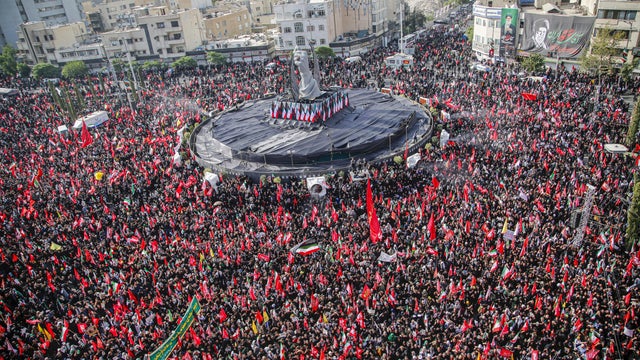
The U.S. is "going to win one way or the other," President Trump said Monday, as Iran held a colossal public funeral for its slain supreme leader.
The negotiations were expected to start as soon as this weekend, but Vice President Vance's trip there was put off and Switzerland said the negotiations have been postponed.
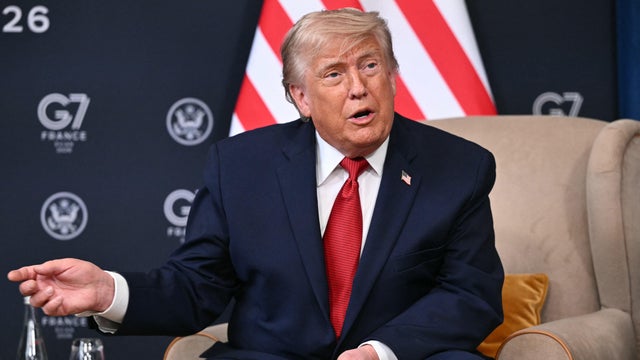
President Trump warned he could order new strikes if Iran's leaders "don't behave." The U.S. and Iran signed the memo of understanding remotely, a White House official said.
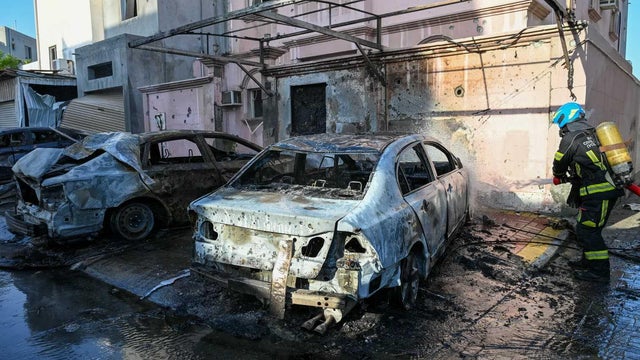
The U.S. and Iran exchanged fire again on Thursday after President Trump pledged Tehran would "pay the price" for not accepting a deal.
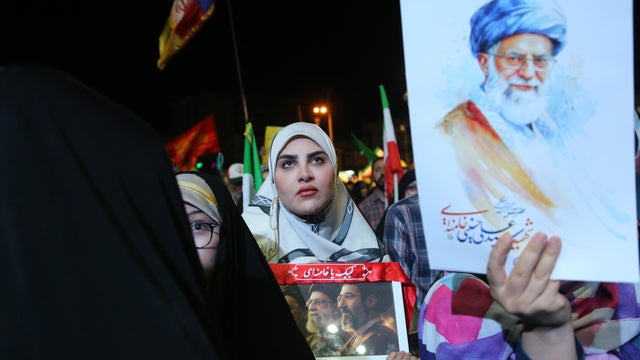
The Iranians' latest move in the war came in response to what it considers U.S. and Israeli ceasefire violations.
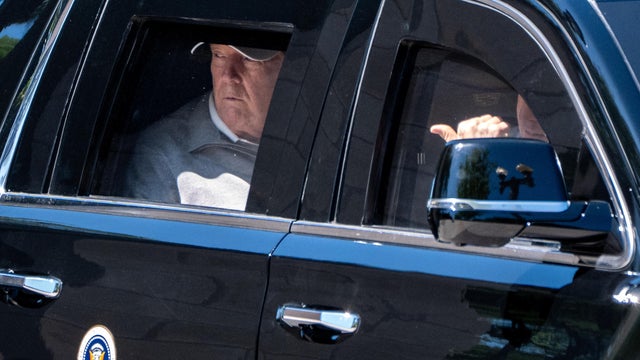
President Trump's changes included somewhat significant changes, according to a source with knowledge of the negotiations.
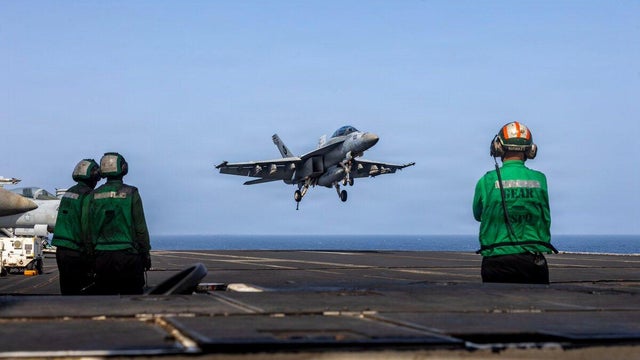
The vice president says the U.S. and Iran are "very close" to a deal, but are "not there yet." Meanwhile, the U.S. struck Iran, which retaliated against a U.S. base.
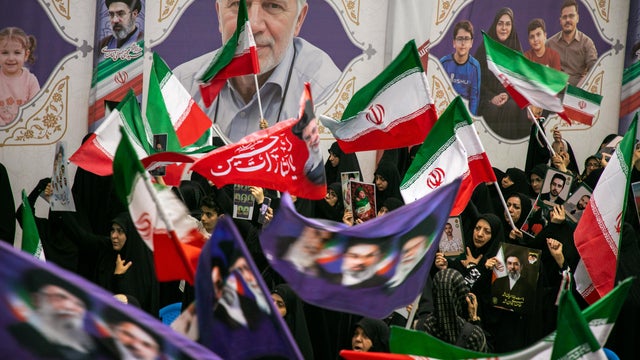
As Iran accuses the U.S. of a "grave violation" of the fragile ceasefire, Rubio says a deal is still possible despite the latest clash.
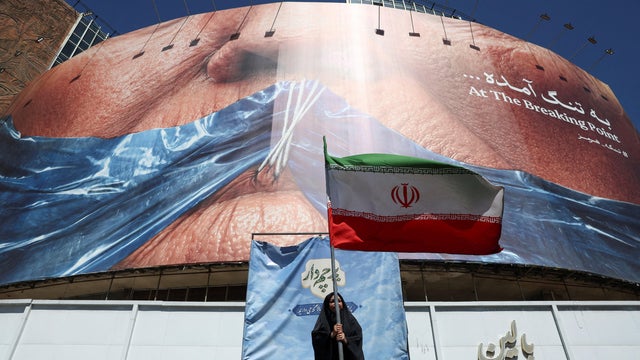
As the Trump administration signals hope for a possible deal, Iran says obstacles linger and that "frequent changes" in U.S. positions aren't helping.
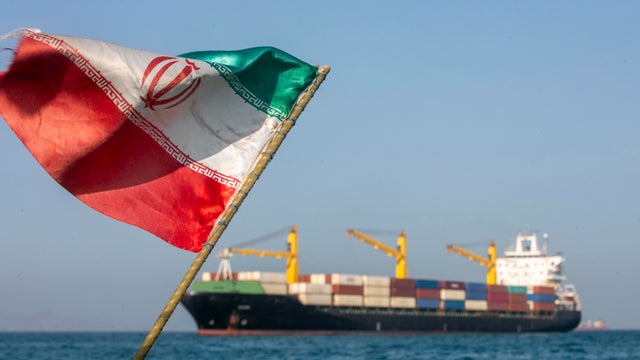
There is broad commitment on the principles of a deal, a senior Trump administration official said, and the administration feels positive about where things stand.
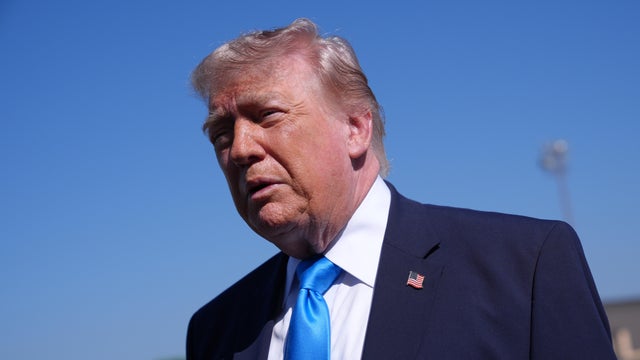
Asked what he said to Israel's leader about a decision to hold off on new Iran strikes, Trump said Netanyahu will "do whatever I want him to do."
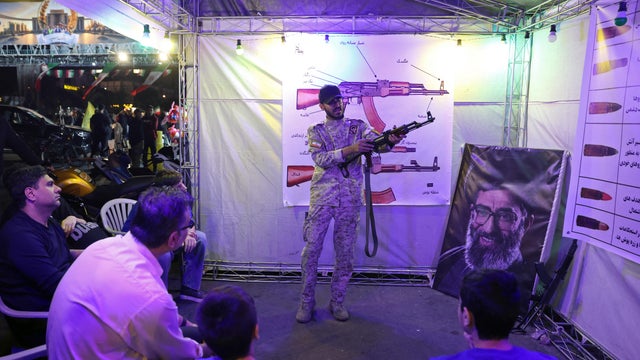
President Trump had warned Sunday that "the Clock is Ticking" for Iran to accept a peace agreement.

President Trump is expected to encourage China to pressure Iran to make a deal to end the war when he visits Beijing this week and meets with President Xi Jinping.
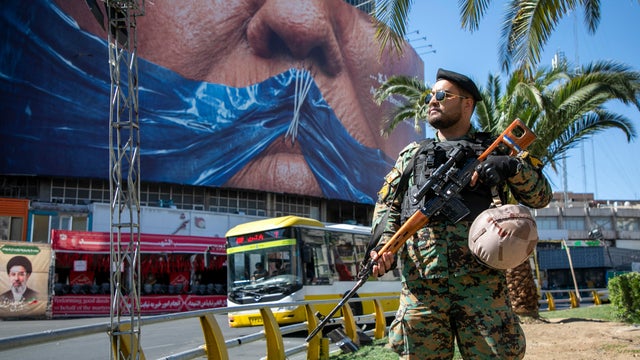
President Trump didn't provide details on the issues he had with the response or what would come next.
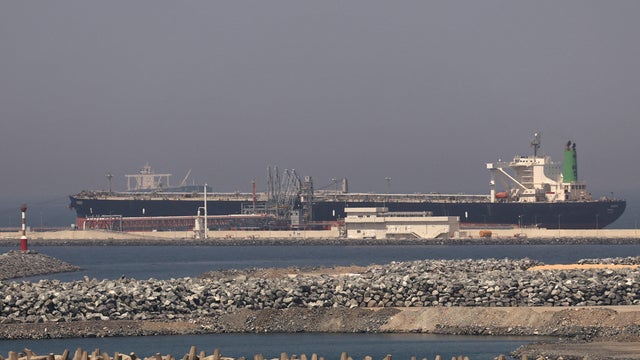
As President Trump again voiced optimism that Iran will "make a deal" to end the war, Tehran declared itself the regulator of Strait of Hormuz shipping.
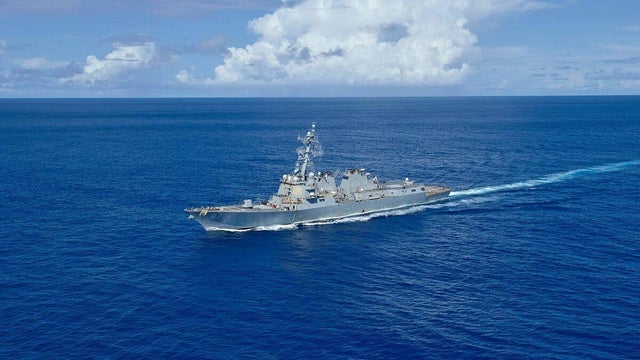
Iran launched attacks on the UAE and tankers in the Strait of Hormuz while the U.S. destroyed Iranian boats "that attempted to interfere" with Project Freedom.
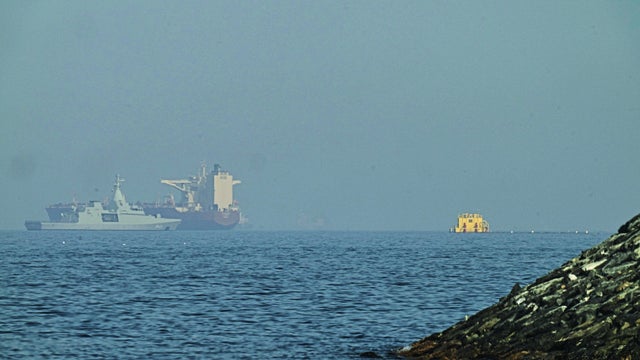
President Trump announced the U.S. would "guide" ships not involved in the war with Iran out of the Strait of Hormuz. A U.S.-led task force says it has started the operation.
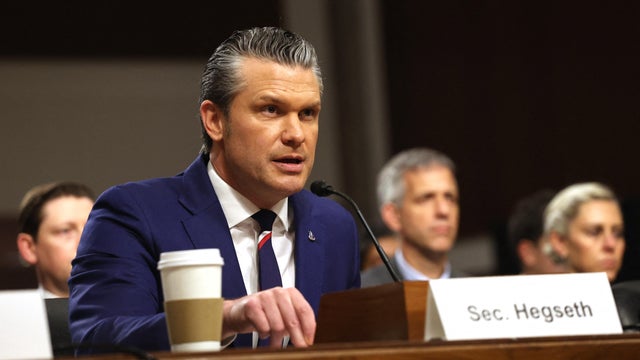
Oil prices hit a 4-year high as Axios reports Trump will hear new options to try to break the Strait of Hormuz standoff with Iran with a new wave of attacks.
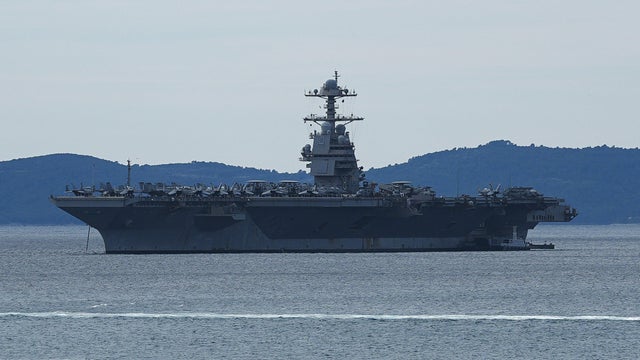
The USS Gerald R. Ford aircraft carrier is expected to leave the Middle East in the coming days, a U.S. official confirmed to CBS News.
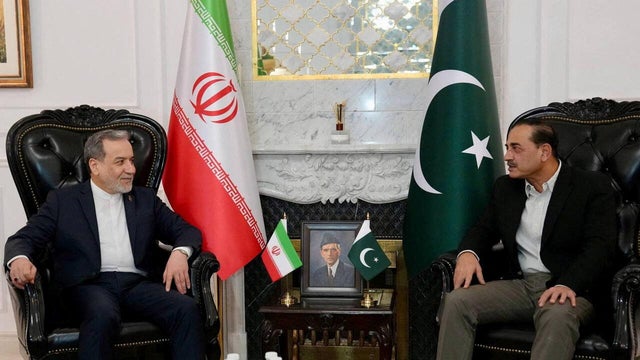
Iranian Foreign Minister Abbas Araghchi returned to Islamabad on Sunday, where he participated in talks focused on ending the war with the U.S., Iranian state media reported.