Could the FCC really yank ABC's TV licenses amid Trump spat with Kimmel?
Federal telecom regulators can revoke broadcast licenses, but legal experts say the FCC would face a tough road in forcing ABC to go dark.
Watch CBS News
Federal telecom regulators can revoke broadcast licenses, but legal experts say the FCC would face a tough road in forcing ABC to go dark.
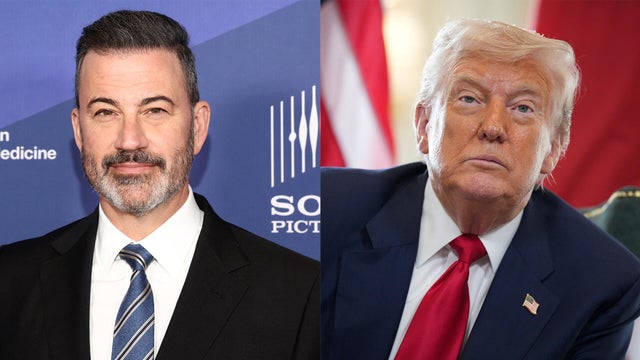
The regulatory agency issued the order after President Trump and first lady Melania Trump urged ABC to fire late-night host Jimmy Kimmel.

The FCC announced Thursday that it had approved the $6.2 billion merger of major broadcast station owners Nexstar and Tegna.
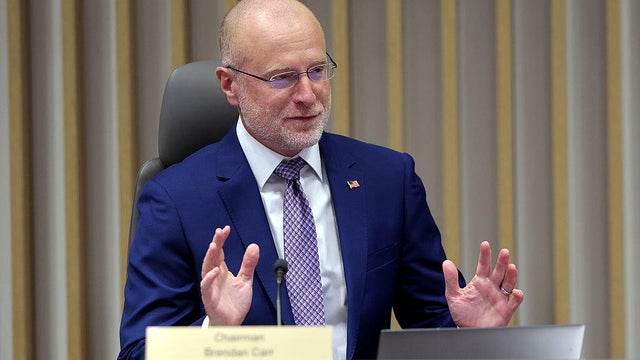
In an exclusive interview with CBS News Saturday, Federal Communications Chair Brendan Carr doubled down on his warning that broadcast licenses could be revoked amid President Trump's criticisms of media coverage of the war in Iran.
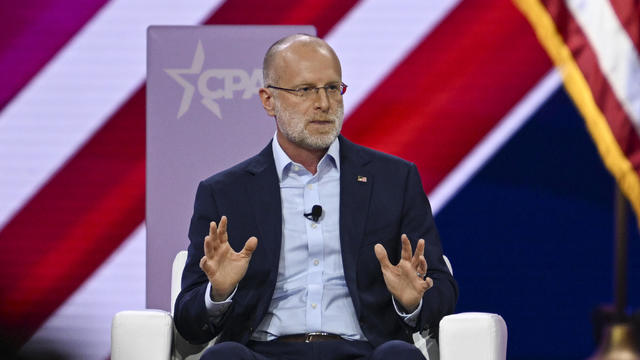
Federal Communications Commission Chair Brendan Carr did not name specific networks, but his post included a reference to a Saturday morning Truth Social post from the president.
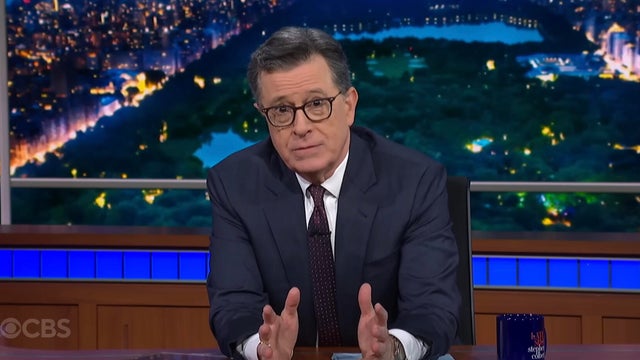
"The Late Show" host Stephen Colbert criticized CBS on Monday night, saying the network blocked his interview with U.S. Senate hopeful James Talarico from airing.
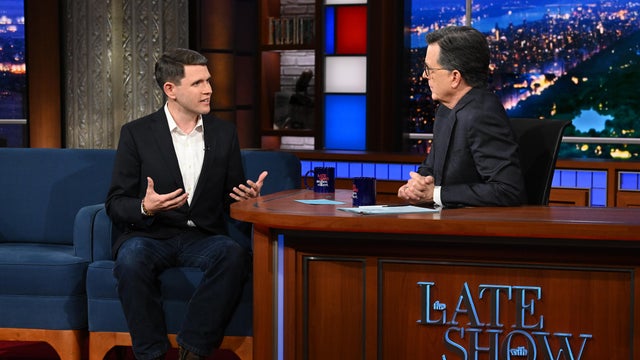
"The Late Show" host Stephen Colbert slammed CBS again on Tuesday night after the network issued a statement about his interview with Texas Democrat James Talarico.
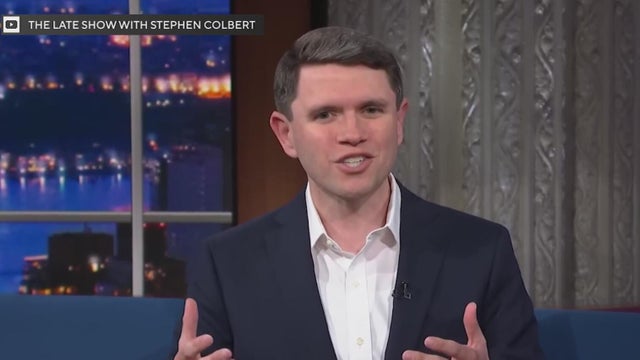
The moment gave Talarico national exposure just as early voting began in Texas.
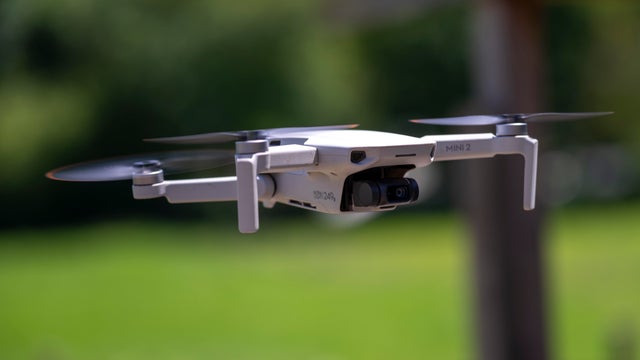
The Federal Communications Commission says it's banning new foreign-made drones, a move that will keep new Chinese-made drones out of the U.S. market.
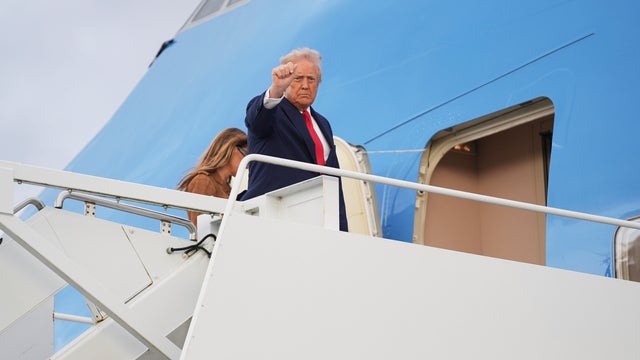
On Thursday, ABC took Jimmy Kimmel off the air after the FCC chairman hinted at action against ABC over comments the comedian had made about the suspect in Charlie Kirk's killing.
Paramount Global and Skydance Media agreed to merge last year.
AT&T failed to ensure that a third-party vendor adequately protected the telecom carrier's customers, regulators say.
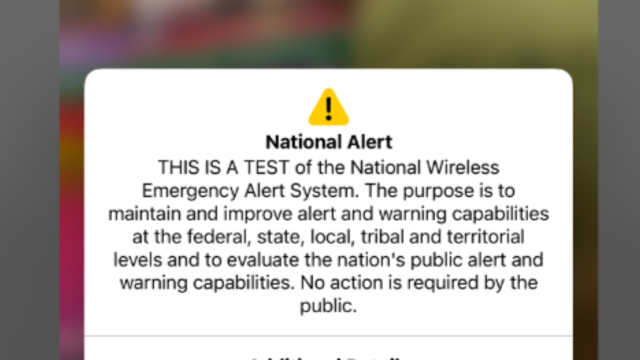
FEMA and the FCC launched a nationwide test of the emergency alert system on Wednesday.

The Emergency Broadband Benefit is saving the day for many families who struggle to access the Internet.

As federal regulators try to crack down on the onslaught of prerecorded messages, Americans were flooded with a record 5.7 billion robocalls last month.

The funding will be spread out during the next decade for maintaining, improving and expanding affordable broadband for 23,424 rural homes and businesses in Texas.
Robocalls are flooding cell phones, interrupting dinners, and scamming people out of money. Relief could finally be on the horizon, but perhaps at a cost.

The bill broadens the authority of the Federal Communications Commission to levy civil penalties of up to $10,000 per call on people who intentionally flout telemarketing restrictions.
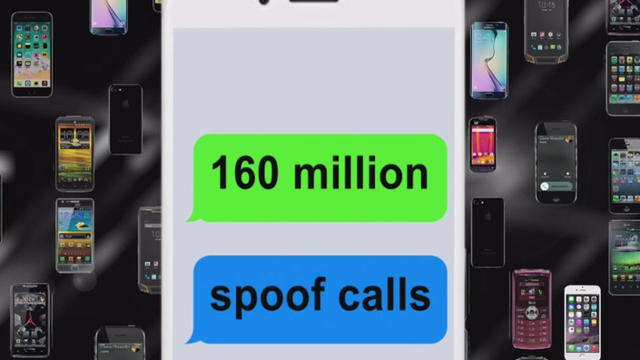
Consumers received more than 18 billion robocalls in 2017, a 75 percent increase from the year before, according the CBS News.
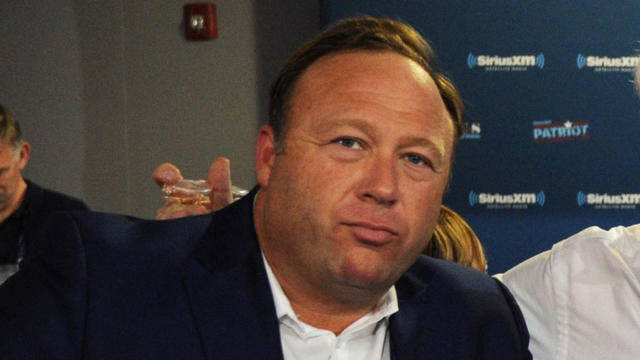
The Federal Communications Commission has shut down a pirate radio station that served as the flagship outlet for conspiracy theorist Alex Jones.
Tribune is withdrawing from its $3.9 billion buyout by Sinclair and it's filing a lawsuit against it, citing breach of contract.
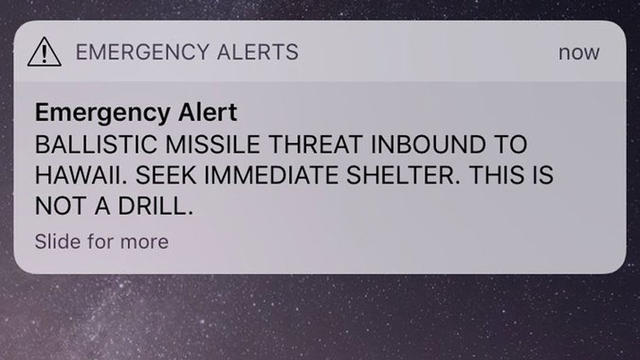
A blunder that caused more than a million people in Hawaii to fear that they were about to be struck by a nuclear missile fed skepticism Sunday about the government's ability to keep them informed in a real emergency.

The Federal Communications Commission has voted on party lines to undo sweeping Obama-era "net neutrality" rules that guaranteed equal access to internet.
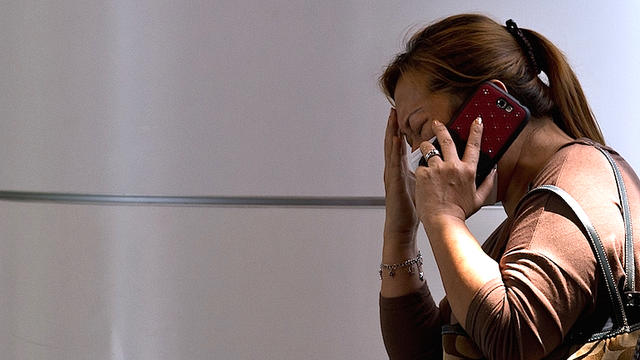
The Federal Communications Commission is vowing to "facilitate blocking of illegal robocalls." But it's a slow process. They say, "In terms of call authentication, we are still in the preliminary stage."
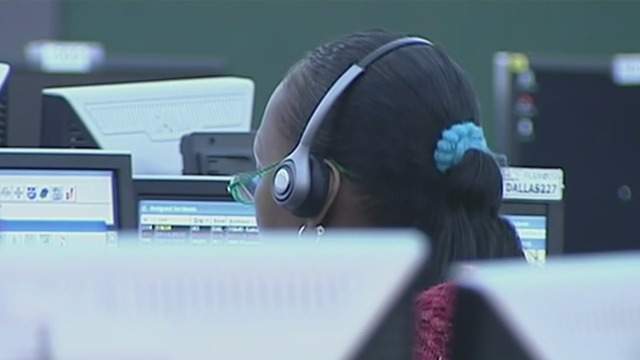
An investigation by the U.S. federal telecom regulator says about 12,600 callers couldn't reach 911 directly from their cellphones during a five-hour AT&T outage on March 8.