Americans are paying 62% more for water than a decade ago, study finds
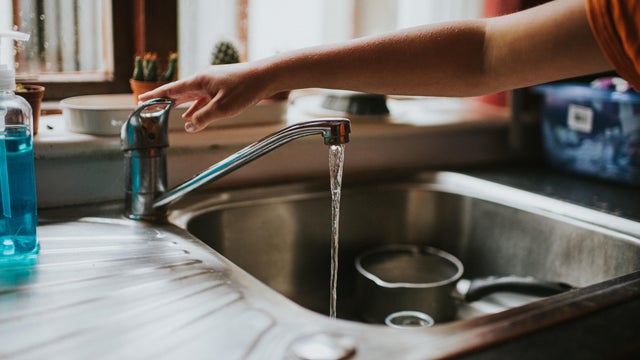
Americans paid an average of $531 per year for household water in 2025, although people in some states pay far more, according to a new study.
Watch CBS News
Americans paid an average of $531 per year for household water in 2025, although people in some states pay far more, according to a new study.
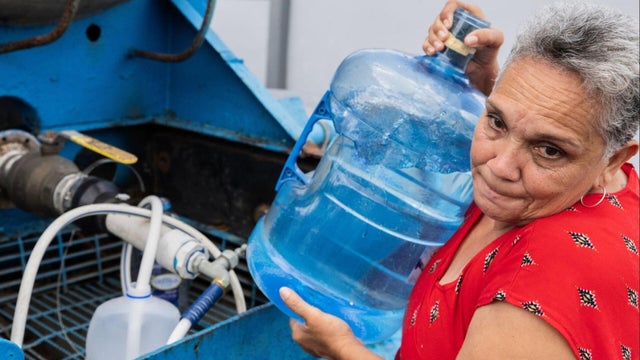
Puerto Rico has entered a period of water rationing as existing infrastructure issues worsen the impact of an ongoing drought. While government officials focus on the lack of rain, residents point to government mismanagement and underfunded, aging infrastructure as the source of many ongoing issues, from water shortages to years of rolling blackouts. Lilia Luciano has more context.
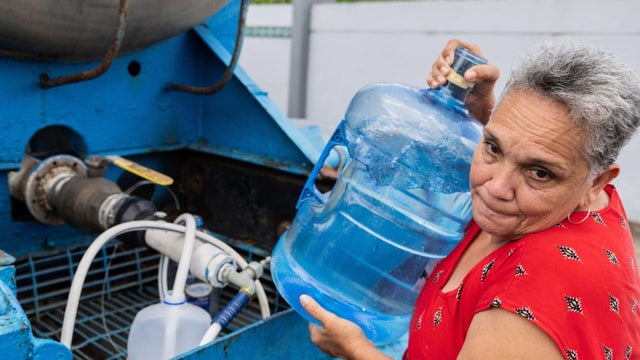
Puerto Rico's water crisis is worsening amid an ongoing drought and aging infrastructure. Residents in some communities have been without reliable water for over 100 days. Now, over 180,000 households will be without water for 48 hours at a time as government rationing begins.
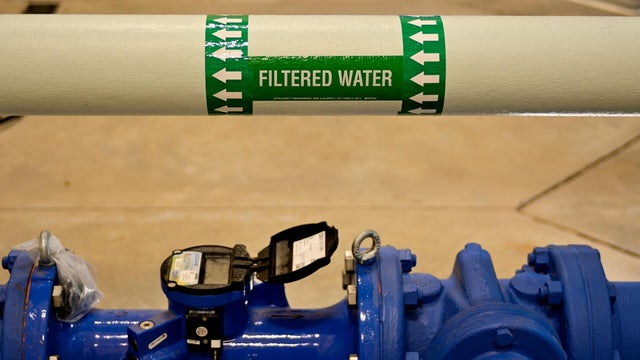
At least 12 states are reporting cyberattacks on water systems that may be linked to Iran-backed hackers. CBS News homeland security correspondent Nicole Sganga has the latest.
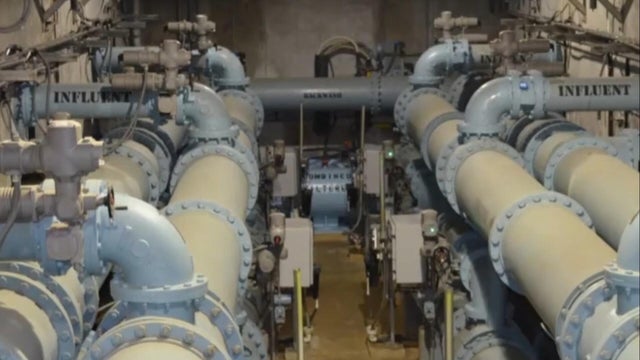
Cyberattacks on water systems, which officials suspect may be linked to Iran-backed hackers, have been reported in at least 12 states. Vox reporter Sara Herschander joins CBS News to discuss.
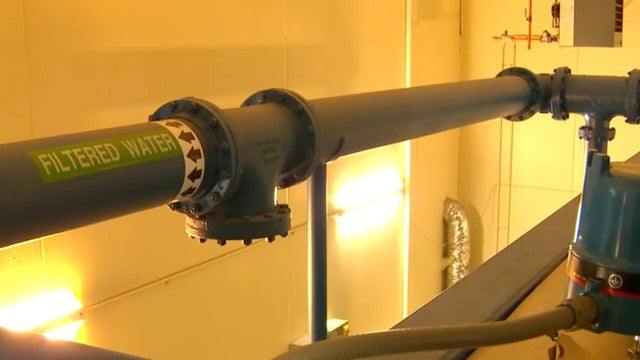
Several states are experiencing cyberattacks on their water systems after Minnesota reported at attack last week. CBS News homeland security correspondent Nicole Sganga has the latest.

The U.S. government is investigating whether Iran is behind a cyberattack on water systems in seven states. In Minnesota alone, more than 30 community water systems were impacted. CBS News homeland security correspondent Nicole Sganga has the details.
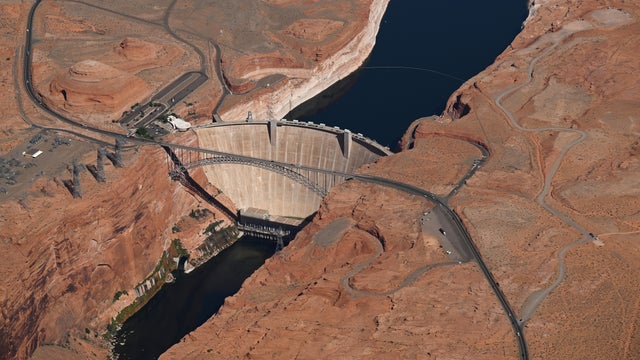
It's a moment of reckoning in the drought-stricken West as seven states can't agree on how to share the rapidly shrinking water supply.

The heaviest demand on America's water supply isn't data centers or AI. It's from everyday uses such as growing food, watering lawns and flushing toilets.
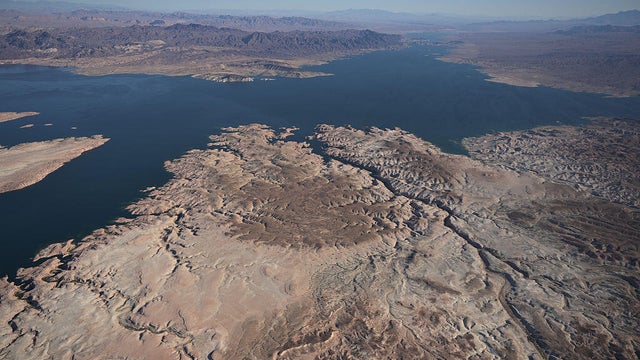
Approximately 40 million people across the West depend on the Colorado River for water every single day. But the region could soon face drastic measures as the river keeps shrinking.
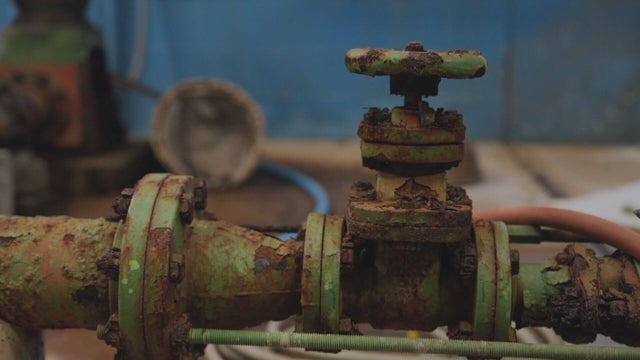
About 250,000 West Virginia residents rely on untreated sources of water, like natural springs or aquifers from coal mines. Tom Hanson reports on efforts to change that.

Ethiopia says the GERD hydroelectric dam will be a boon to the region, but Egypt and Sudan say it could threaten their "existential resources."
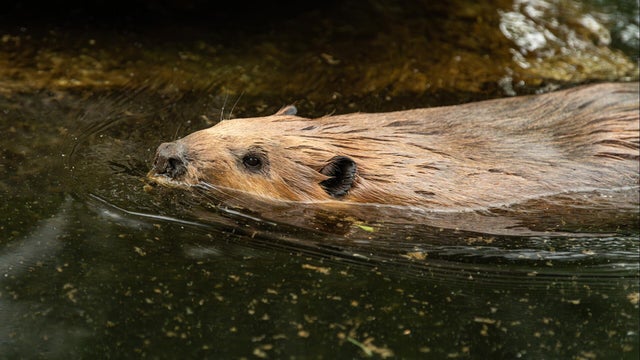
Beaver populations have dwindled throughout North America over the last hundred years, but a new study says strategically returning them to ecosystems could benefit humans and Mother Nature. Kate Maher, professor of Earth system sciences at Stanford University and senior author of the study, joins CBS News to break down the findings.
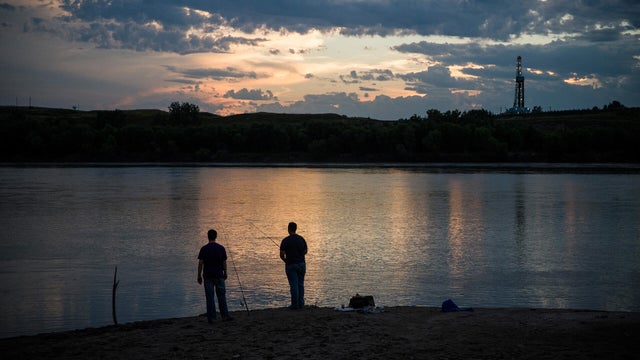
A new study reveals over the last 20 years, 75% of the world's population lives in an area where drinking water is decreasing. Abrahm Lustgarten, ProPublica editor-at-large for climate, joins to discuss.
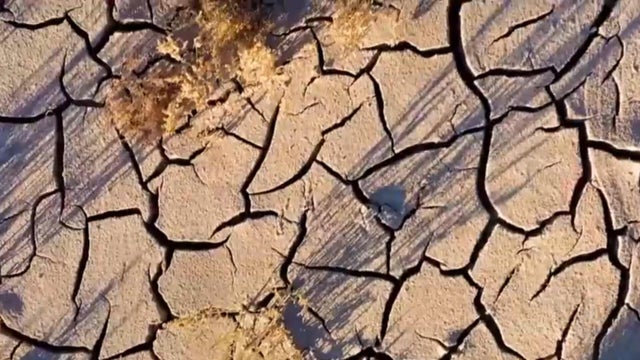
Over the past two years, Earth has endured some of the most widespread and destructive droughts ever recorded, according to a new analysis by the U.S. National Drought Mitigation Center and the U.N. Convention to Combat Desertification. Mark Svoboda, director and professor at the center, joins "The Daily Report" to discuss.
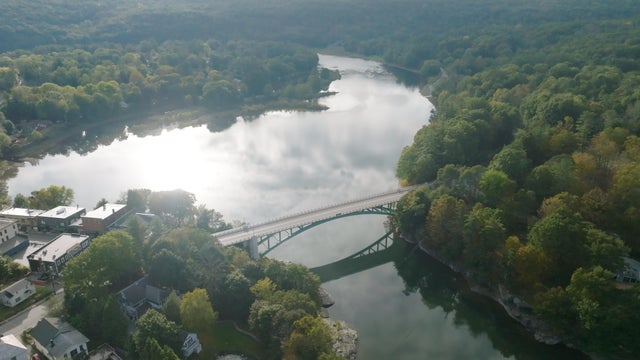
America's rivers and streams are under threat from pollution, development and climate change. A CBS News team spent a week traveling down the Delaware River for a closer look at the impact.
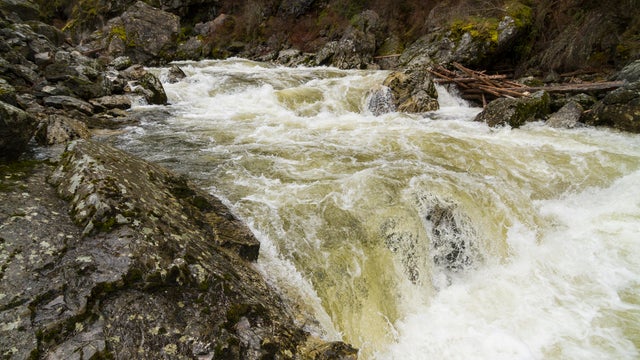
The list of 10 most endangered rivers of 2025, according to the nonprofit American Rivers, includes the Mississippi River and the lower Rio Grande.
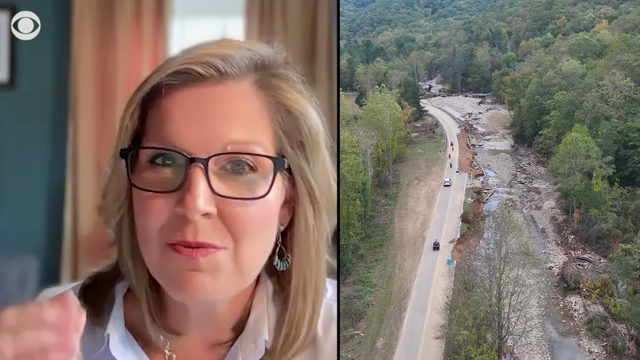
"Rivers are places where people's souls heal," says Heather Taylor-Miesle, senior vice president of conservation at non-profit American Rivers. But many of those rivers in the U.S. are in danger. Pollution, flooding and mismanagement are rampant across U.S. waterways, and this year, 10 rivers have been listed among American Rivers' most endangered. But Taylor-Miesle says that while those threats persist, so does hope — as long as communities take action.
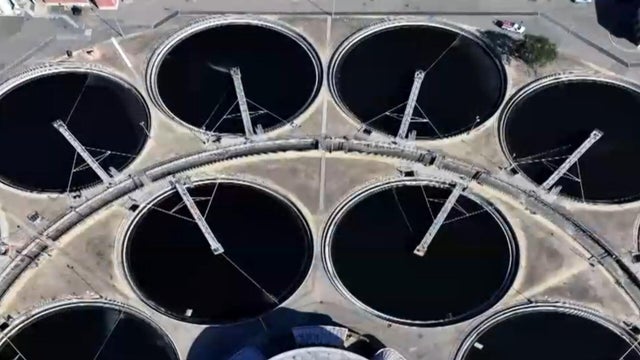
Seven western states rely on the Colorado River Basin, but drought and climate change are causing water shortages in the region. Recycling treated wastewater is a proven way to ease pressure on the Colorado River, but a new report finds that many states are failing to take advantage of it. Mark Gold, one of the UCLA authors of that report and director of Water Scarcity Solutions at the Natural Resources Defense Council, joins "The Daily Report" to discuss.
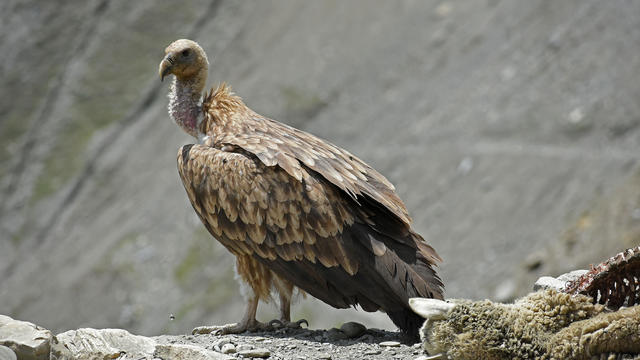
Scientists say a common painkiller used on cattle wiped out India's vultures, resulting in half a million human deaths in just 5 years.
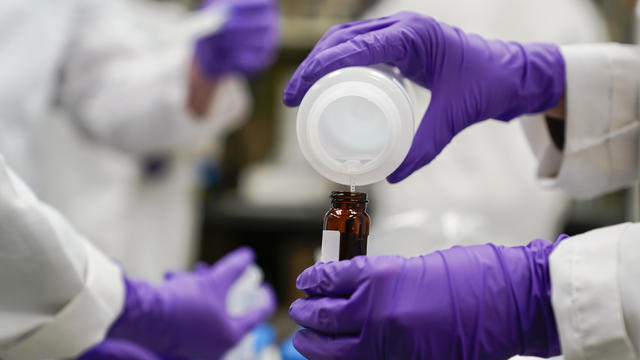
Study finds cancer-linked PFAS chemicals prevalent in drinking water sources across the globe, including many far over regulatory limits.
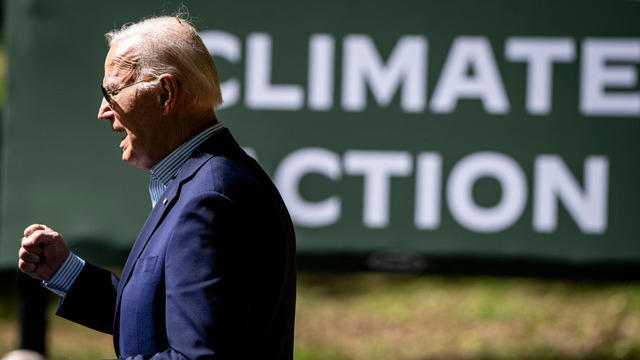
Relatively few Americans say they know a lot about President Biden's initiatives to combat climate change, according to a CBS News poll. Carolyn Kissane, a New York University global affairs associate dean and professor, joins CBS News with more on Biden's climate policies.

Starbucks unveiled the new cups ahead of Earth Day and as a new report warns plastic production emissions are even greater than those from aviation.
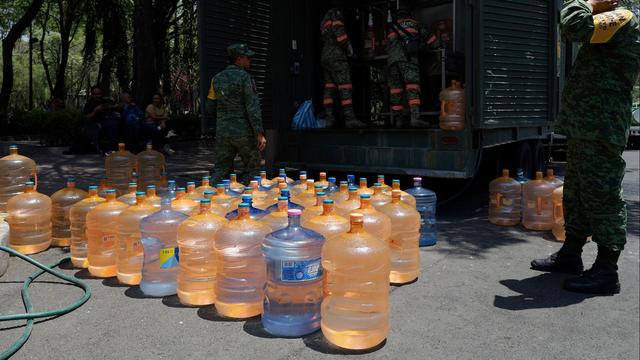
Mexico City, one of the world's most populated cities with nearly 22 million people, could run out of water in months. Florencia Gonzalez Guerra, an investigative video journalist, joins CBS News to examine the causes behind the crisis.
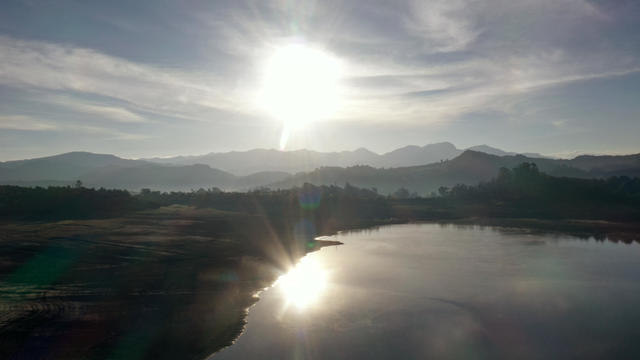
The water reservoir system that supplies water to 70% of the millions who live in the Bogotá, Colombia region is at less than 17% of its available storage capacity.