Vaccine vote signals turbulence for immunization policy, public trust
Clinicians and epidemiologists warn the decision could unravel decades of progress and expose newborns to a deadly, preventable disease.
Watch CBS News
Clinicians and epidemiologists warn the decision could unravel decades of progress and expose newborns to a deadly, preventable disease.
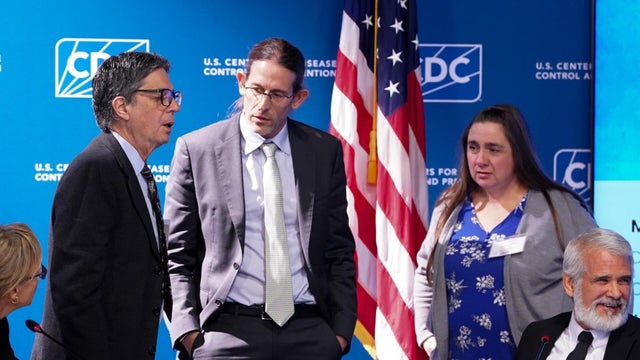
The Centers for Disease Control and Prevention's vaccine advisory panel on Friday voted to not recommend the hepatitis B vaccine for everyone at birth, alarming many in the medical community. CBS News medical contributor Dr. Celine Gounder explains what to know about the decision and its potential impact.

As the CDC vaccine panel voted last week to stop recommending the birth dose of the hepatitis B vaccine, former FDA Commissioner Scott Gottlieb, who now serves on the boards of Pfizer and UnitedHealthcare, told "Face the Nation with Margaret Brennan" that the birth dose in addition to two subsequent does is "almost 99% effective at preventing that chronic infection."
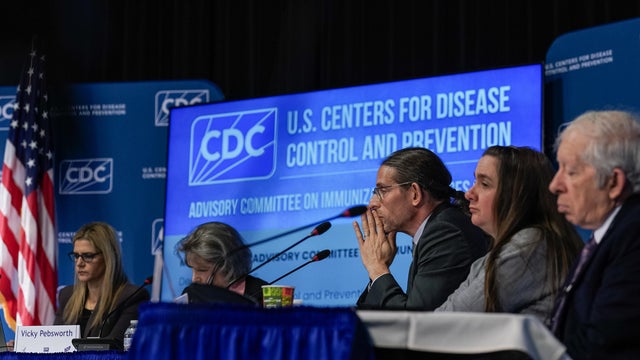
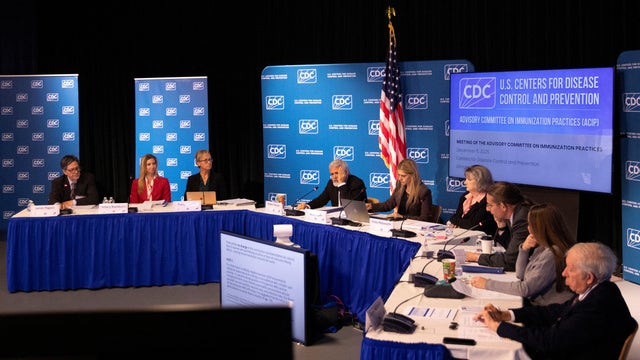
The CDC's Advisory Committee on Immunization Practices, with members appointed by RFK Jr., voted to change longstanding recommendations on the hepatitis B vaccine.

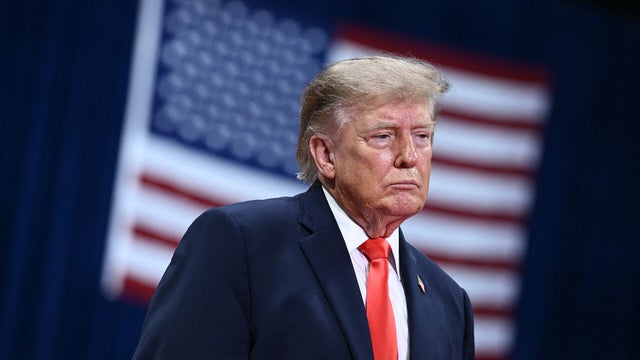
A panel of vaccine advisors approved by Health and Human Services Secretary Robert F. Kennedy Jr., voted to drop the Hepatitis B shot from newborn vaccine schedules on Friday. President Trump applauded the move on social media, but many medical experts and organizations, including the American Academy of Pediatrics, oppose the change.
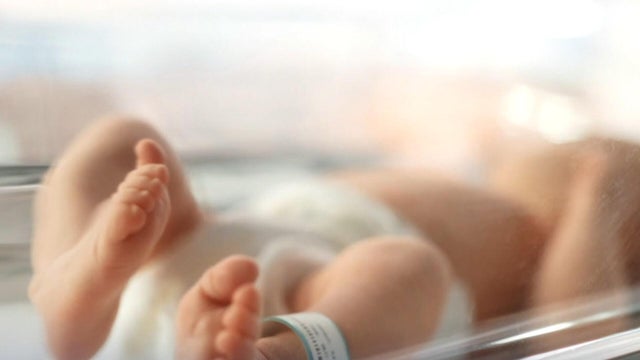
The Centers for Disease Control and Prevention's vaccine advisory panel voted to change the recommendation for when children should get their first dose of the hepatitis B vaccine. Meg Oliver has more.
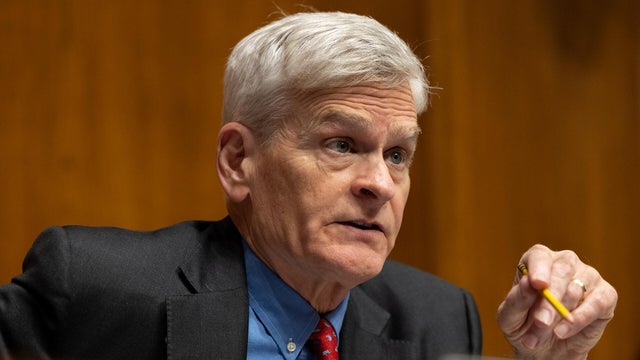
The CDC vaccine advisory panel voted Friday to stop recommending newborns get their first dose of the hepatitis B vaccine within 24 hours of birth. CBS News chief medical correspondent Dr. Jon LaPook joins with analysis.
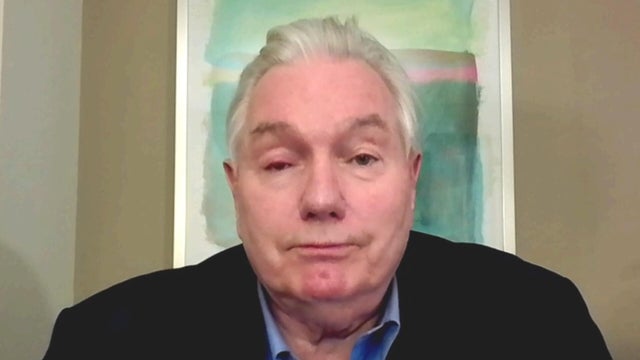
The vaccine advisory panel for the Centers for Disease Control and Prevention has voted to change the recommendation for childhood hepatitis B vaccines despite warnings from medical experts. Michael Osterholm, director of the Center for Infectious Disease Research and Policy at the University of Minnesota, joins with his reaction.
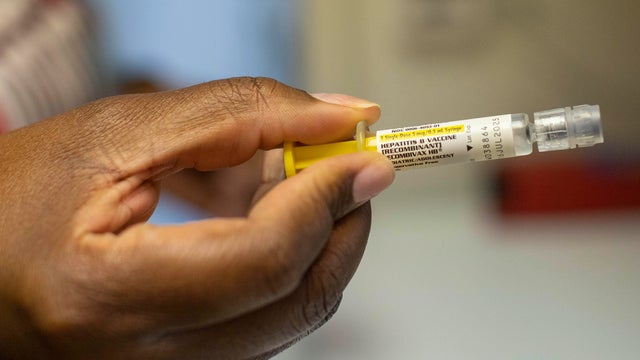
The CDC's vaccine advisory panel meets Thursday and Friday to discuss recommendations for the hepatitis B vaccine and the schedule of childhood shots.
A CDC vaccine panel will vote Friday on whether to stop recommending the hepatitis B vaccine for newborns. CBS News medical contributor Dr. Céline Gounder joins "The Takeout" to discuss.
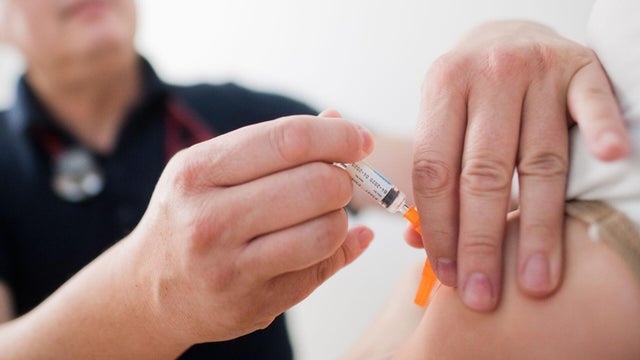
The Centers for Disease Control and Prevention has delayed a vote until Friday on whether to change a longstanding recommendation that newborns should receive the hepatitis B vaccine. Dr. Peter Chin-Hong, an infectious disease specialist, joins CBS News to discuss.

The former officials said the FDA's plans to revamp how certain life-saving vaccines are handled would "disadvantage the people the FDA exists to protect, including millions of Americans at high risk from serious infections."
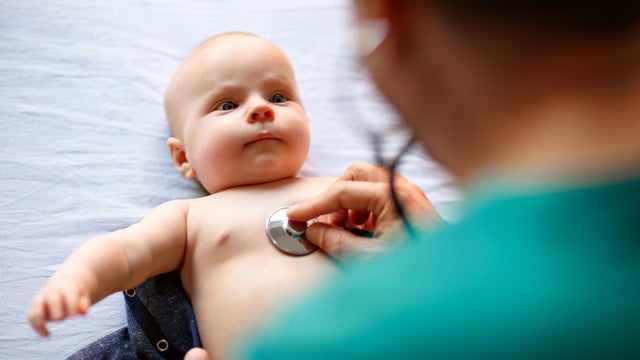
The three-dose hepatitis B vaccine has a long track record of safety, but rolling back recommendations could leave kids vulnerable to infections, doctors say.

The FDA's vaccine chief says the agency plans to tighten approval standards for COVID-19 vaccines, citing concerns about potential risks for children. In a leaked memo, Dr. Vinay Prasad says a review of records links 10 children's deaths to the COVID vaccine. He did not provide data to support the claim. CBS News medical contributor Dr. Celine Gounder explains what to know.
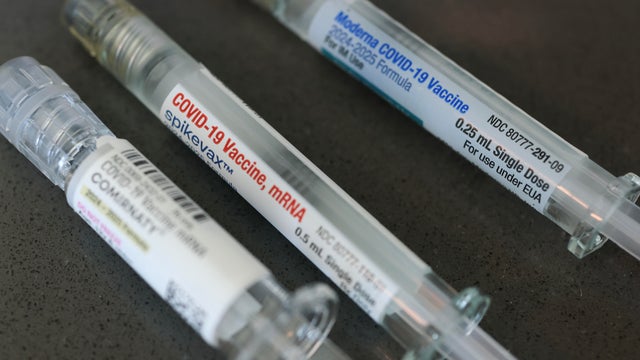
Dr. Vinay Prasad, the director of the FDA's vaccine division, did not provide data to back the claim in a memo sent to staff.
HHS Secretary Robert F. Kennedy Jr. claims that the aluminum ingredients in vaccines cause a variety of harmful reactions, from allergies to autism. Scientists say that's wrong and warn of risks if they're removed.
Multiple CDC officials familiar with the situation said the change was made by political appointees without input from relevant agency staffers.

A page of the U.S. Centers for Disease Control and Prevention's website was changed to include a false claim about autism and vaccines. Multiple CDC officials familiar with the situation said the change was made by political appointees inside the Department of Health and Human Services without input from relevant agency staffers. Dr. Jon LaPook has details.

The Centers for Disease Control's website has made a significant change to its guidance on vaccines and autism. The site used to say "No links have been found between any vaccine ingredients and autism spectrum disorder." It now reads "'Vaccines do not cause autism' is not an evidence-based claim." CBS News chief medical correspondent Dr. Jon LaPook has more.
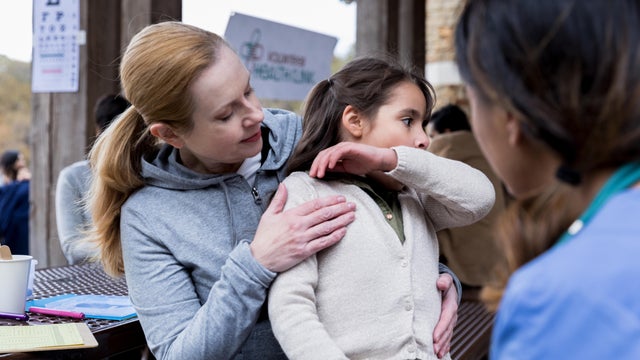
New details from health officials suggest the whooping cough surge may be part of a national pattern driven by slipping vaccine coverage and waning immunity, with infants bearing the brunt.

Texas health officials are warning that whooping cough cases in the state have hit an eleven-year high. Dr. Philip Huang, director of Dallas Health and Human Services, joined "The Daily Report" on Wednesday to discuss.

More than 100 cases of measles have been reported in Utah and Arizona, health officials confirmed, with the U.S. recording its highest number of measles cases since 1992, according to the Centers for Disease Control and Prevention. Dr. William Schaffner, a professor of preventative medicine at Vanderbilt University, joins with more.

Declining vaccination rates are fueling another measles outbreak -- this time in South Carolina. Dozens of unvaccinated students are now under a 21-day quarantine as health officials race to contain the spread. Cristian Benavides reports.

Critics say Health Secretary Robert F. Kennedy Jr. and the Trump administration have been pushing an anti-science agenda. The new book, "Science Under Siege," argues it's not just the federal government that's putting public health at risk. Co-author and climate scientist Michael Mann joins "The Takeout" to discuss.

Acting CDC Director Jim O'Neill is calling for the measles, mumps and rubella vaccine to be split into three separate shots. It comes as the CDC approves new guidelines for updated COVID vaccines. Dr. Celine Gounder explains.