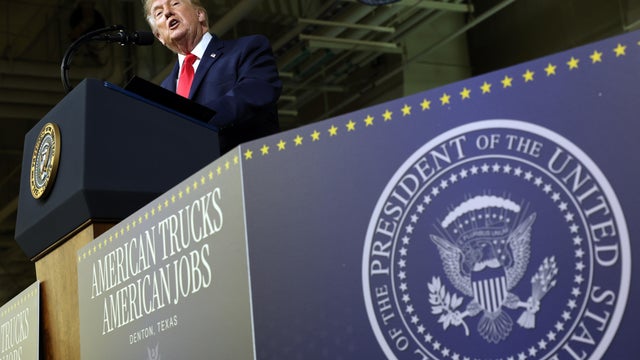
Trump explains why he fired labor statistics chief
President Trump explained why he fired Bureau of Labor Statistics Commissioner Erika McEntarfer on Friday. Government data showed fewer jobs were added to the U.S. economy last month than expected.
Watch CBS News
President Trump explained why he fired Bureau of Labor Statistics Commissioner Erika McEntarfer on Friday. Government data showed fewer jobs were added to the U.S. economy last month than expected.
President Trump on Friday ordered the firing of the labor statistics boss just hours after the release of a weak jobs report. Axios economics reporter Courtenay Brown joins CBS News with analysis.
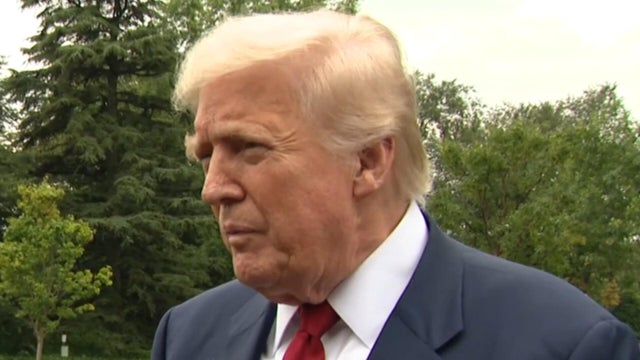
President Trump fired the commissioner of the Bureau of Labor Statistics on Friday after a disappointing jobs report. CBS News politics reporter Kathryn Watson has more.

The U.S. added just 73,000 jobs in July -- falling far short of expectations and resulting in markets tumbling, shaken by both the report and President Trump's new tariffs. Kelly O'Grady reports.
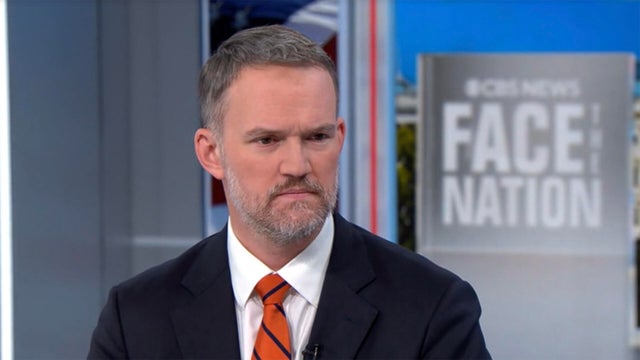
"Face the Nation" moderator Margaret Brennan speaks with U.S. Trade Representative Jamieson Greer. More of their interview will air Sunday on "Face the Nation."

The unemployment rate for new college graduates has recently surged. Economists say businesses are now replacing entry-level jobs with artificial intelligence. Ali Bauman has the story.
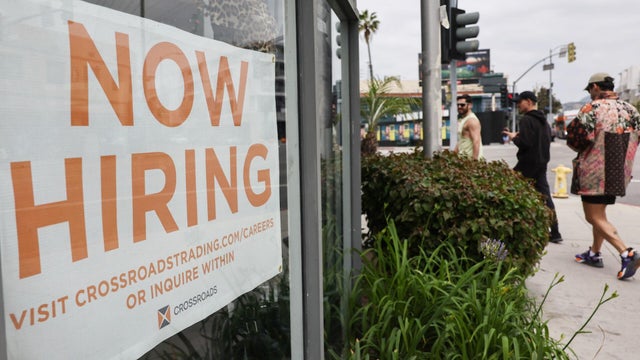
The June jobs report beat expectations, with more than 140,000 new positions added last month. The unemployment rate declined to 4.1%. But there is more to the numbers than just the headline. Jo Ling Kent explains.
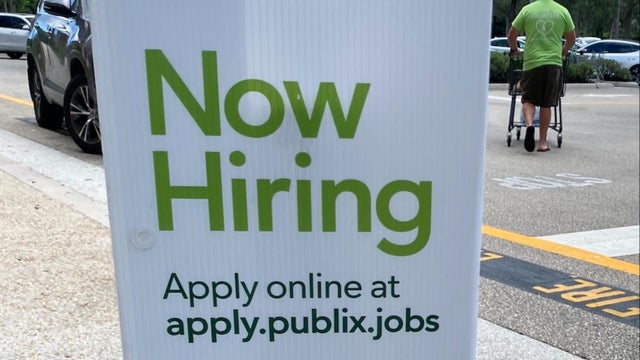
The June jobs report is out from the Bureau of Labor Statistics and it shows a solid labor market despite economic uncertainty. CBS News MoneyWatch correspondent Kelly O'Grady has more.

Searching for work during the holidays may be less difficult than you think because of the strong economy. Economists expect employers created about 180,000 jobs. CBS News business analyst Jill Schlesinger joins "CBS This Morning" to discuss how job seekers can take advantage of the holiday season.
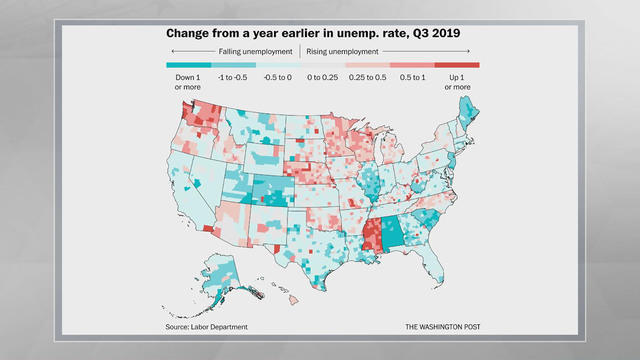
Employers added 128,000 jobs in October, stocks are hitting a record high, and the national unemployment rate is near a historic low, but last week the Justice Department released data showing unemployment is ticking up in nearly a third of U.S. counties. Washington Post economics correspondent Heather Long spoke to CBSN's "Red & Blue" about what it all means.
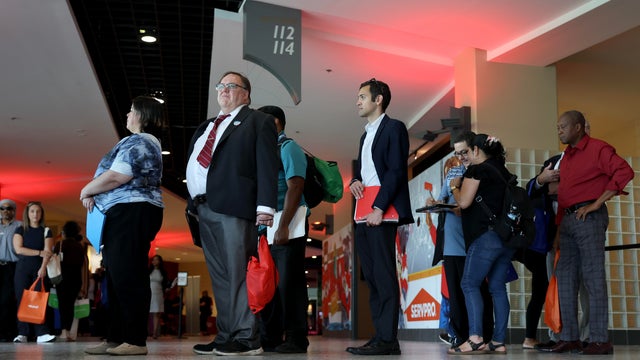
While filings remain at historic lows, the uptick in unemployment claims from last week could point to a slowing labor market ahead of jobs report.

U.S. economy adds 177,000 jobs in April; Prince Harry loses appeal in U.K. security case.

In this two-part story, Lesley Stahl profiles STRIVE, a Harlem-based nonprofit that prepares chronically unemployed people for the workforce. Part boot-camp, part group therapy, STRIVE placed more than 15,000 clients in jobs over 12 years, jobs most still had two years later.

Bob Simon visits Greyston Bakery in Yonkers, which started more than two decades ago with the goal of employing the chronically unemployed. But the good work doesn't end there: Greyston's profits help fund day-care centers, scholarships and health clinics.
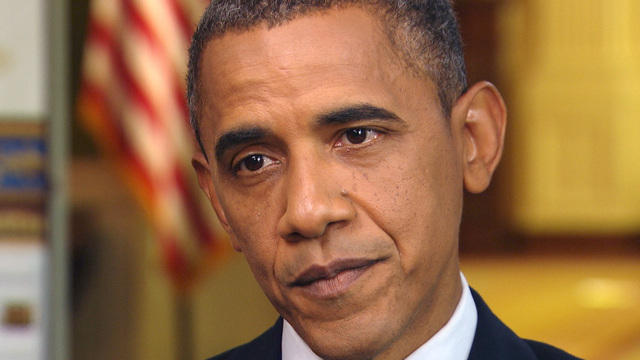
For President Barack Obama, the choice is clear: "Do we keep moving forward and continue to make progress, or do we go backwards to the very policies that got us into this mess in the first place?" Steve Kroft reports.
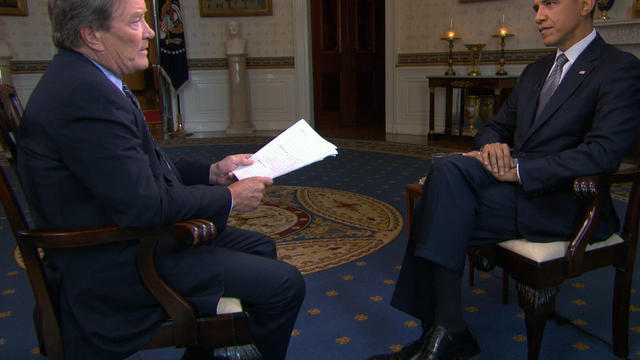
President Barack Obama says that in his vision of America, "everybody's got a shot," and hard work and character are valued above all else. Also, how does the president end each day? Steve Kroft reports.
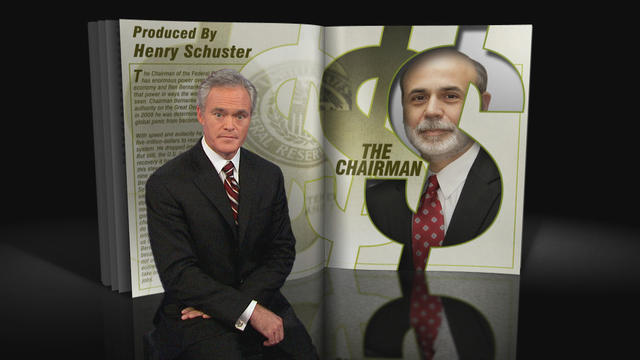
The Fed chair talks to Scott Pelley about unemployment, the deficit and pressing economic issues.
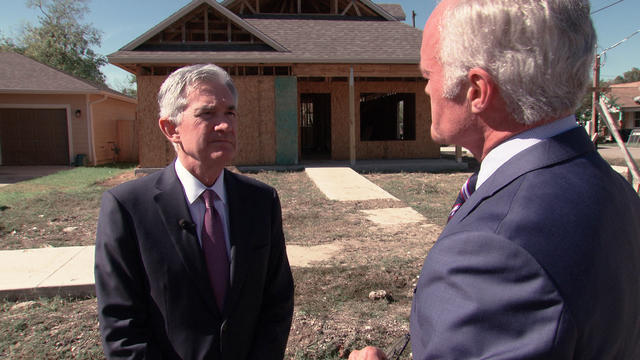
Why is African-American unemployment nearly double that among whites? The chair of the Federal Reserve has a theory.

While "buy now, pay later" loans have been used for big-ticket items for years, new data shows that a growing number of American consumers use the method for everyday items. CBS News MoneyWatch correspondent Kelly O'Grady has more.

Many workers aren't working as much as they'd like. Here's what one expert says the federal unemployment rate fails to capture.

Employers across the U.S. added 177,000 jobs in April, a sign the labor market remains healthy despite concerns rising U.S. tariffs.

U.S. job growth was weaker than expected in February, although still strong, according to the Labor Department's first jobs report of the second Trump administration. 151,000 jobs were added last month, falling below economists' predictions of 160,000. The unemployment rate ticked up to 4.1%. CBS News MoneyWatch correspondent Kelly O'Grady breaks it down.

Layoffs spiked in February, led by the Department of Government Efficiency cuts. Employers cut about 172,000 jobs last month, according to the firm Challenger, Gray and Christmas. That's the highest number of layoffs per month since the height of the pandemic in July 2020. CBS News MoneyWatch correspondent Kelly O'Grady breaks it down.

Americans express concern about their ability to pay bills and save money.

U.S. job growth in January was weaker than expected according to the latest Bureau of Labor Statistics data. CBS News MoneyWatch correspondent Kelly O'Grady explains what this means.