Trump vows Iran war to end "very quickly" as more troops head to Mideast
Some 9,000 more U.S. forces are headed for the Middle East as President Trump vows the war will end "right after the election," if not sooner.
Watch CBS News
Some 9,000 more U.S. forces are headed for the Middle East as President Trump vows the war will end "right after the election," if not sooner.
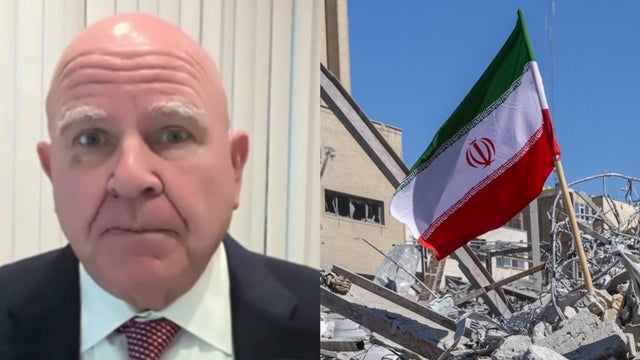
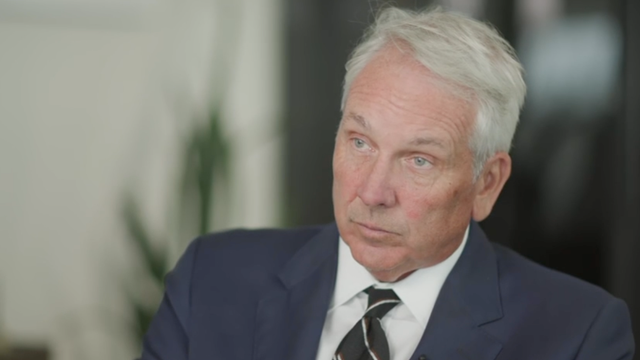
Former Trump adviser, retired Lt. Gen. H.R. McMaster, joins CBS News with his take on the Iran war as the regime continues to use proxies in the Middle East and as President Trump seeks an end to the conflict.
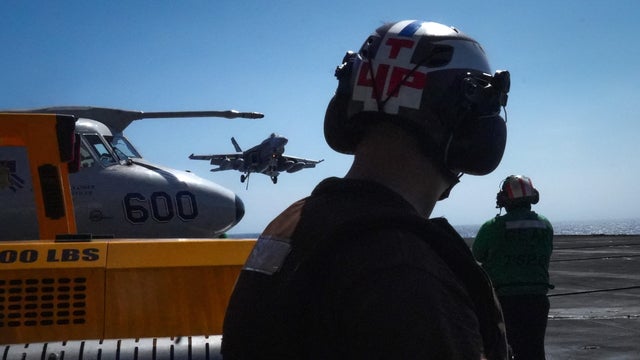
A third U.S. aircraft carrier is headed to the Middle East as President Trump claims that Iran is ready to surrender the war once the American midterms end. CBS News' Ramy Inocencio reports.
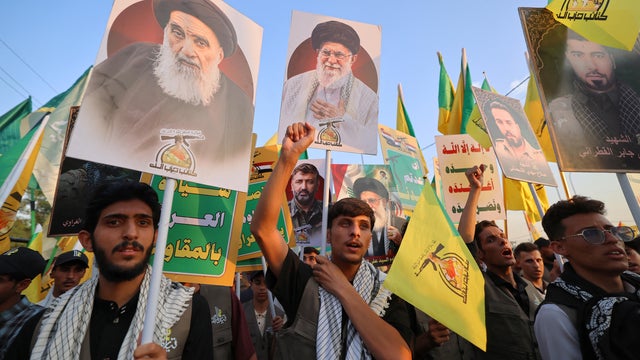
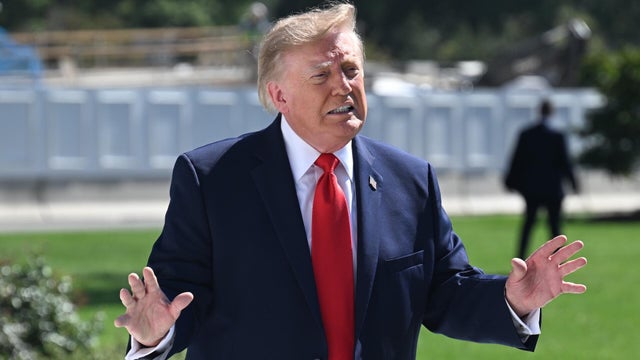
Trump said he doesn't believe "you could ever have peace" with Iran, and renewed his threat to resume U.S. attacks after the midterms.

Details are still forthcoming as the investigation continues into the cockpit attack on an Israel-bound FlyDubai flight Wednesday. CBS News' Matt Gutman reports.

Several questions still remain about the identity and motive of the FlyDubai co-pilot who allegedly stabbed the flight captain and tried to crash the airplane as it flew to Israel on Wednesday. CBS News senior reporter Dov Lieber has more.
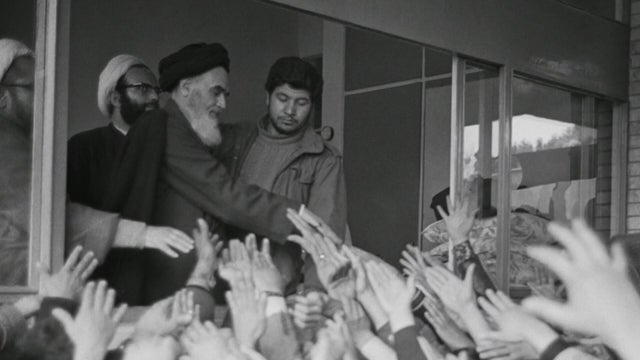
British historian Simon Sebag Montefiore joins "CBS Mornings" to discuss his new book, "The Cauldron: The Making of the Modern Middle East," which breaks down conflict in the Middle East and how it impacts today's geopolitics.
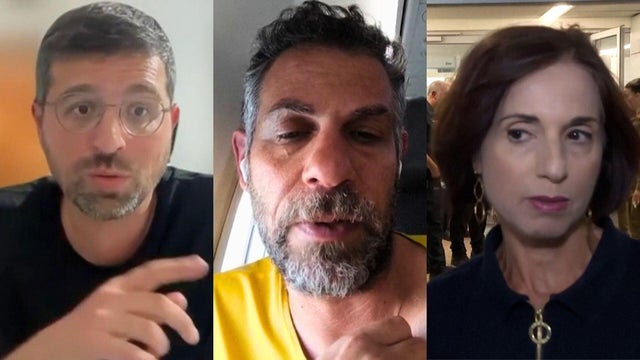
An Israel-bound FlyDubai flight was diverted after a pilot allegedly stabbed the other pilot on Wednesday. Witnesses described the incident.
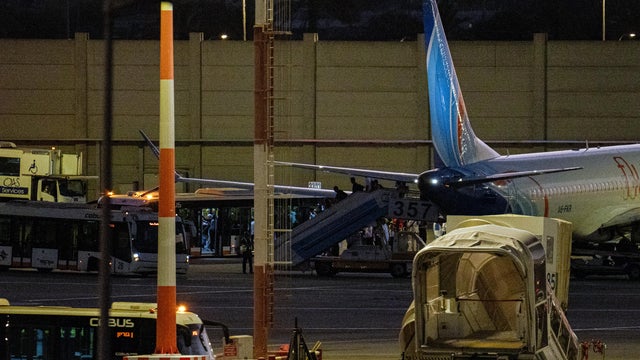
Passenger Ron Levi tells CBS News the attempted hijack of a Dubai-to-Israel flight was "the scariest thing possible."

The Middle East's oil exports have risen to about 80% of prewar levels, according to oil tracker Kpler, but prices have remained high. CBS News' Aaron Maclean has more.
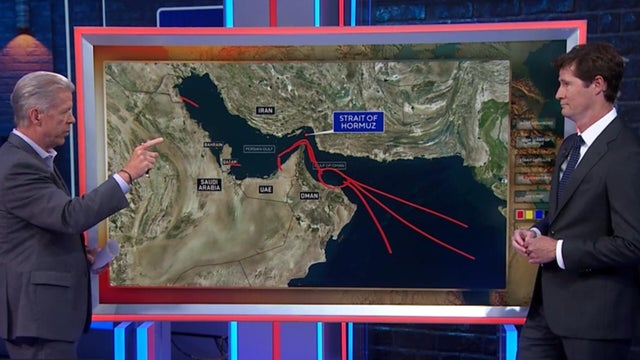
The Strait of Hormuz is open and the Trump strategy just might be working, according to CBS News national security analyst Aaron MacLean. MacLean breaks it all down.

Iranian authorities say they received a formal response from the U.S. on their proposal for a ceasefire and the phased reopening of the Strait of Hormuz, days after President Trump said he rejected their plan. Columbia University Center on Global Energy Policy senior fellow Daniel Sternoff has more details on where things stand.
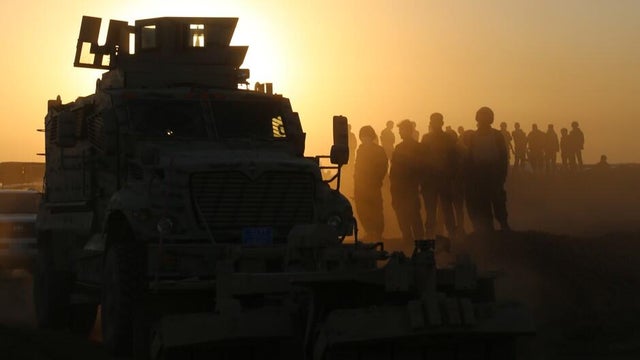
The Pentagon says U.S. forces and equipment in Iraq have been withdrawn, declaring ISIS defeated "as an organized military threat in Iraq and across the region."
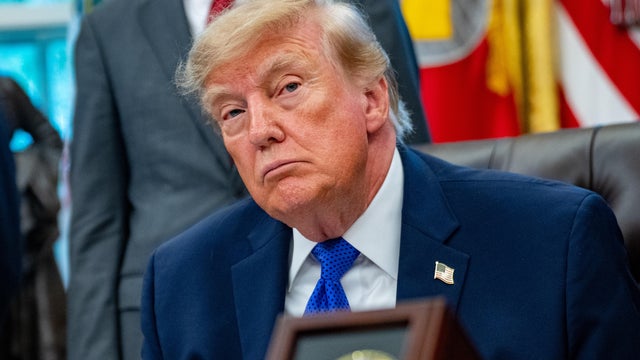
President Trump says U.S. and Iranian negotiators are talking via mediators, but insists he has "offered them NOTHING" to get a peace deal done.

A new book, "The Cauldron: The Making of the Modern Middle East, explores how the region got to such a level of instability. The book's author, Simon Sebag Montefiore, joins "The Takeout" to discuss.
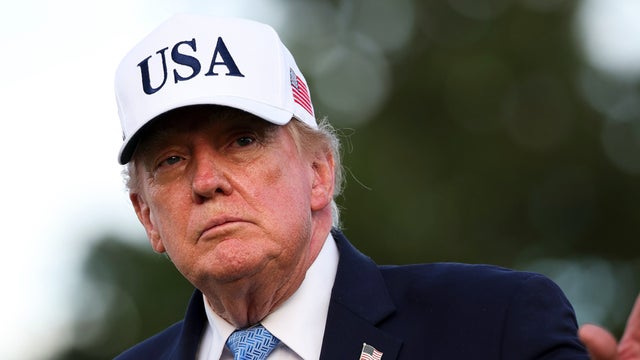
President Trump has rejected Iran's proposal to end the war, but both sides are still holding indirect talks. CBS News' Aaron Navarro reports.
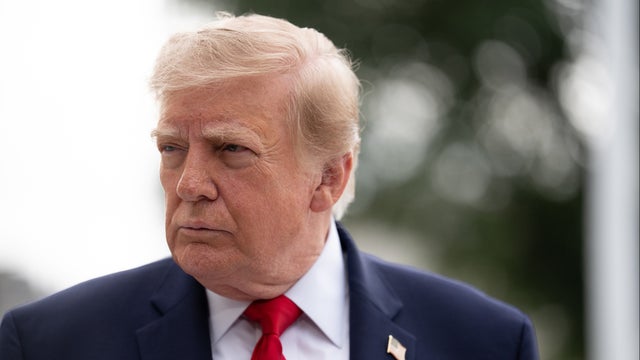
A U.S. senior official tells CBS News that U.S.-Iran talks are making progress, but an Iranian diplomatic source says the talks aren't going well at all. CBS News' Nancy Cordes reports from the White House and Ravi Agrawal, editor-in-chief for Foreign Policy, joins "The Takeout" to discuss.
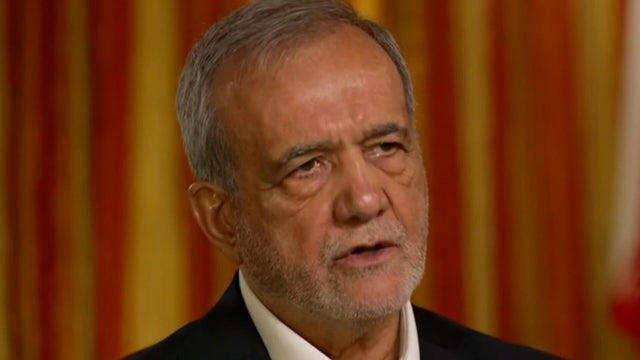
CBS News chief foreign affairs correspondent and "Face the Nation" moderator Margaret Brennan spoke with Iranian President Masoud Pezeshkian about efforts to continue diplomacy with the U.S. Middle East contributor Courtney Kealy joins to unpack the leader's remarks.
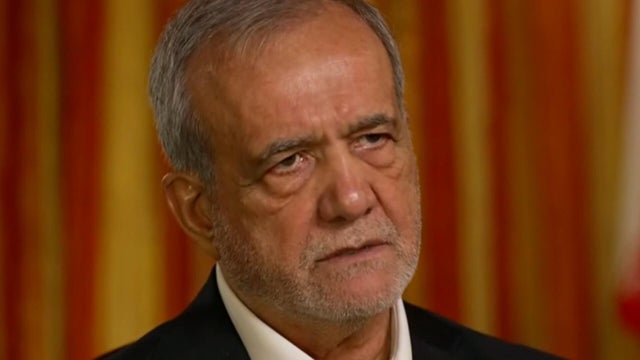
CBS News chief foreign affairs correspondent and "Face the Nation" moderator Margaret Brennan interviewed Iranian President Masoud Pezeshkian on Friday in a network exclusive. Brennan joins "The Takeout" to unpack her conversation with the leader.
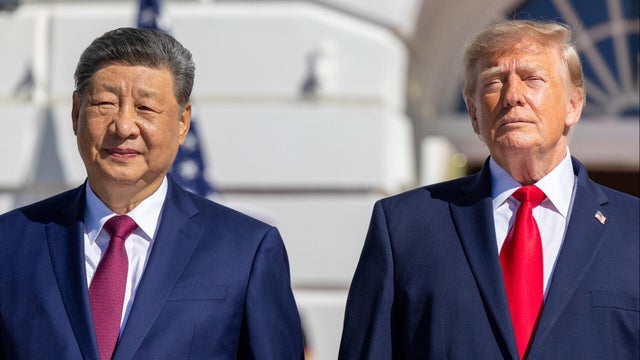
President Trump on Friday wrapped up his multi-day summit with Chinese leader Xi Jinping. CBS News senior White House correspondent Weijia Jiang reports. Then, former U.S. Ambassador to China Nicholas Burns joins with analysis.
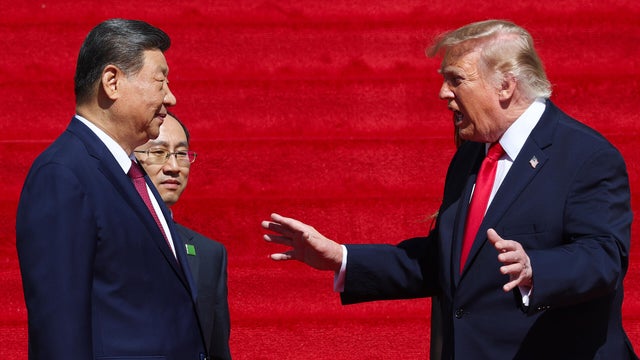
President Trump and China's Xi Jinping conclude Washington, D.C., summit; CBS News speaks with the president of Iran.
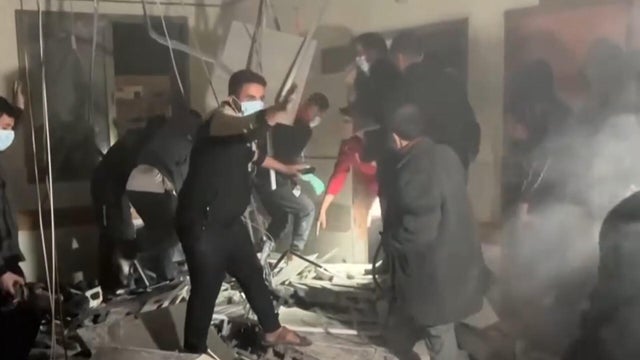
According to the U.N., more than 1,000 humanitarian aid workers have been killed in the last three years, while violent incidents affecting aid workers have grown by nearly 1,600% since 2000. CBS News' Lindsey Reiser reports.
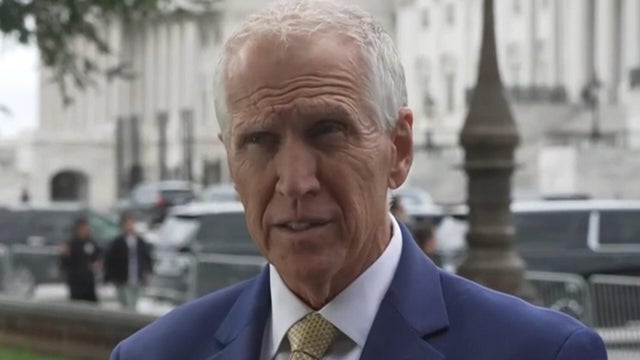
North Carolina Republican Sen. Thom Tillis told CBS News on Thursday that President Trump's summit with Chinese leader Xi Jinping was "bad timing." Chris McGuire, senior fellow with the Council on Foreign Relations, joins with analysis of the talks.
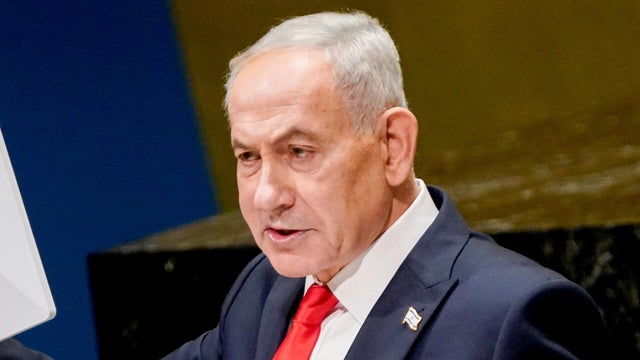
At the U.N. General Assembly on Thursday, many of the gathered delegates staged a walkout as Israeli Prime Minister Benjamin Netanyahu approached the podium. Aaron David Miller, senior fellow at the Carnegie Endowment for International Peace, joins with analysis.
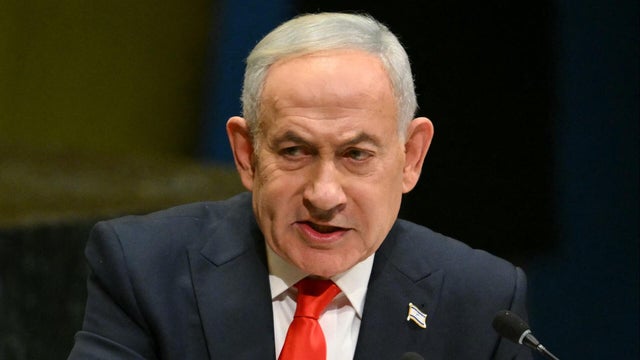
Israeli Prime Minister Benjamin Netanyahu defended his country's military actions at the U.N. General Assembly on Thursday, with many diplomats walking out as he took the podium. CBS News' Olivia Gazis and Courtney Kealy join with analysis.