Trump threatens Iran strikes, says it's too soon for new direct talks
Trump threatens Iran with "higher level" strikes if it won't accept a peace deal, but says it's too soon for direct talks after reporting diplomatic progress.
Watch CBS News
Trump threatens Iran with "higher level" strikes if it won't accept a peace deal, but says it's too soon for direct talks after reporting diplomatic progress.
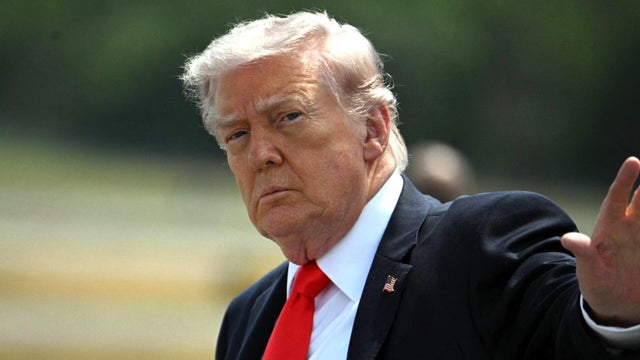
President Trump insisted he is making progress on peace talks with Iran on Wednesday. He said the regime wants to make a deal and threatened to resume bombing the country if it doesn't accept. CBS News correspondent Natalie Brand reports on the latest.
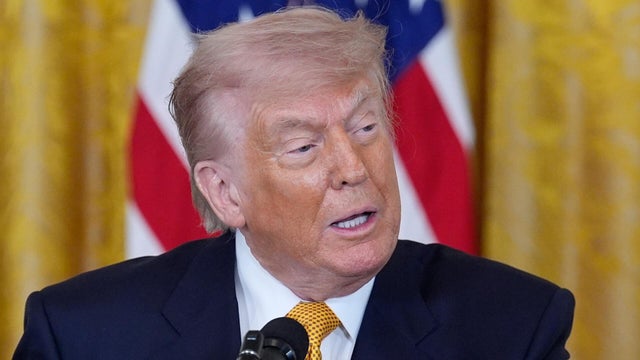
President Trump started Wednesday by threatening a "higher level" of strikes on Iran, but also said there is a very good chance of the war ending. CBS News' Nancy Cordes and Aaron MacLean have the latest.
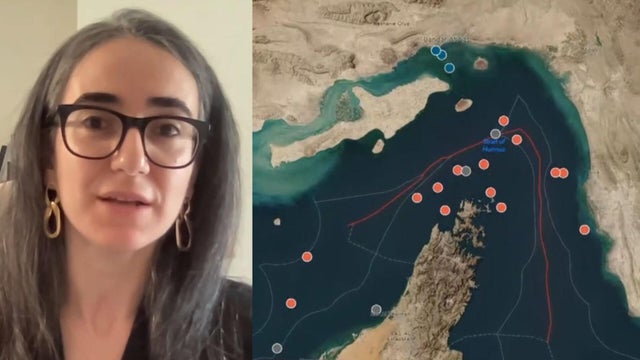
Noam Raydan, a senior fellow at the Washington Institute for Near East Policy, joins CBS News 24/7 to share a map that details attacks on commercial vessels in the Strait of Hormuz since the beginning of the Iran war.
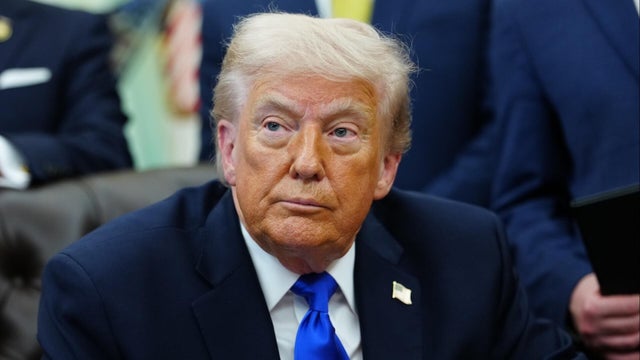
President Trump has paused a U.S. operation in the Strait of Hormuz just two days after it began. The president says it's to try to reach a "complete and final" agreement with Iran. Holly Williams reports.
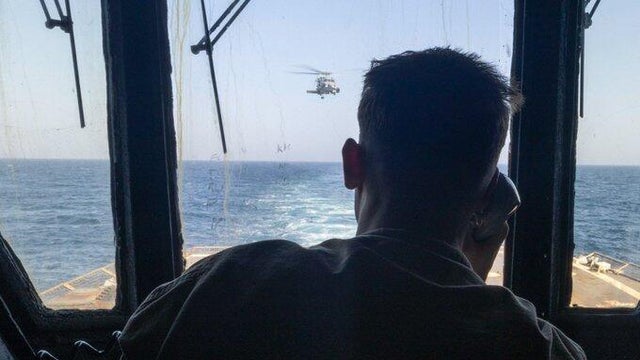
Hegseth said the ceasefire with Iran "certainly holds" for now after a naval clash between Iranian and U.S. forces and renewed attacks on the UAE.
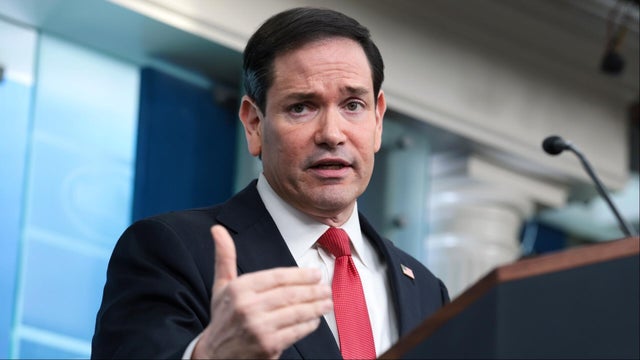
Secretary of State Marco Rubio spoke to reporters on Tuesday with an update about the war with Iran. He said, "We are only responding if attacked first," and that Operation Epic Fury is over.
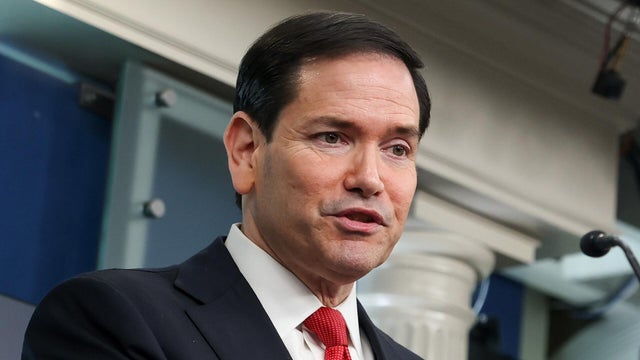
On Tuesday, Secretary of State Marco Rubio said the initial phase of the Iran war, dubbed "Operation Epic Fury," is over. He described this latest phase as "Project Freedom." CBS News chief White House correspondent Nancy Cordes reports.
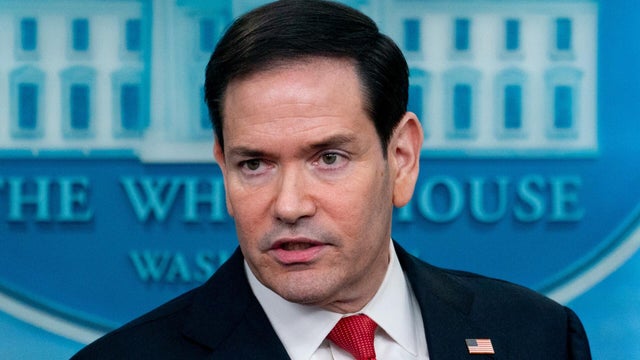
Secretary of State Marco Rubio announced the end of Operation Epic Fury in Iran at a news conference on Tuesday. CBS News digital reporter Kathryn Watson has the details.
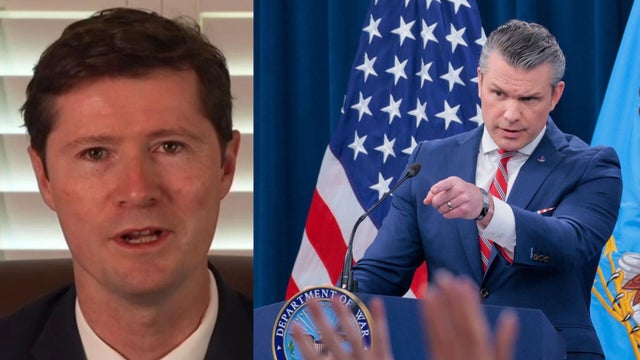
Defense Secretary Pete Hegseth said Tuesday that the U.S.-Iran ceasefire is holding for now despite escalated tensions in the Strait of Hormuz. CBS News national security analyst Aaron MacLean has more.
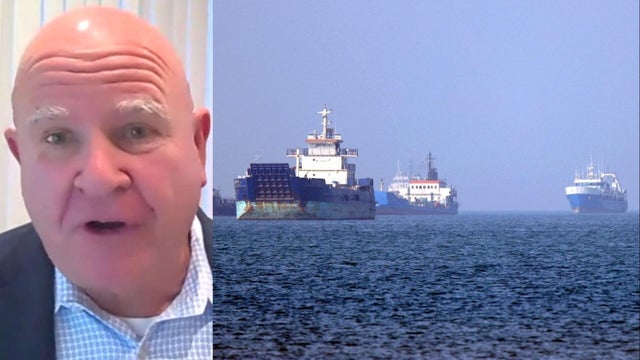
President Trump's former national security adviser and CBS News contributor, H.R. McMaster, says the Iranian military is in a "terrible state" after the standoff between the U.S. and Iran at the Strait of Hormuz escalated again on Monday.
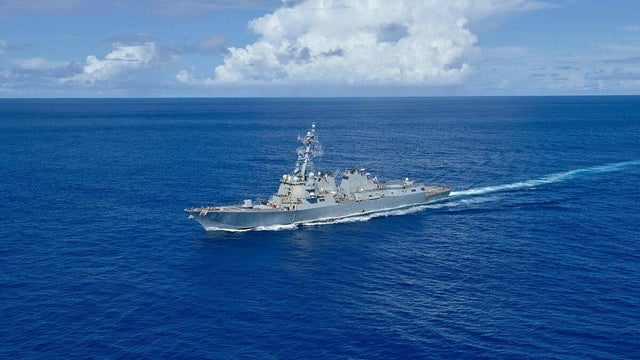
Iran launched attacks on the UAE and tankers in the Strait of Hormuz while the U.S. destroyed Iranian boats "that attempted to interfere" with Project Freedom.
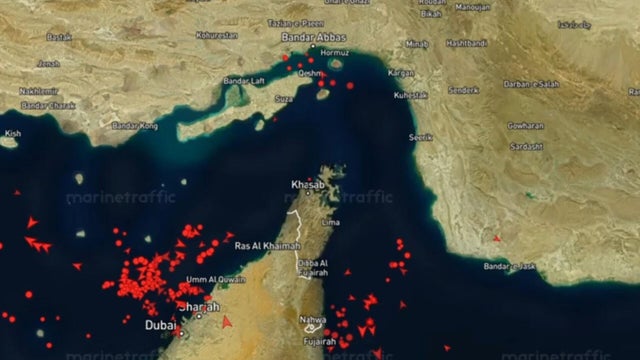
President Trump announced on Sunday the beginning of Project Freedom, an operation under which the U.S. military will "guide" ships stranded for weeks in the Persian Gulf out via the Strait of Hormuz. CBS News national security analyst Aaron MacLean has more.
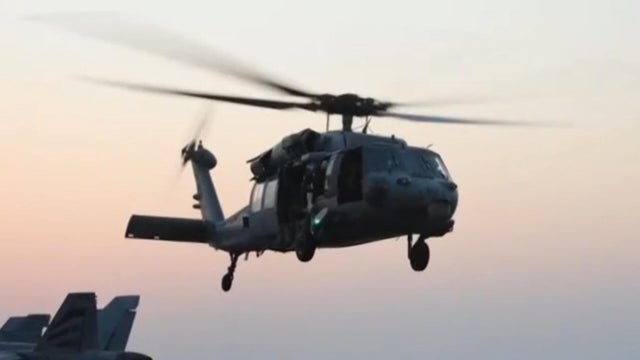
Two U.S. merchant vessels successfully transited through the Strait of Hormuz, CENTCOM said, after President Trump announced a plan called "Project Freedom," where the U.S. will guide ships through the chokepoint. CBS News contributor Aaron MacLean and Senior White House correspondent Nancy Cordes have more.
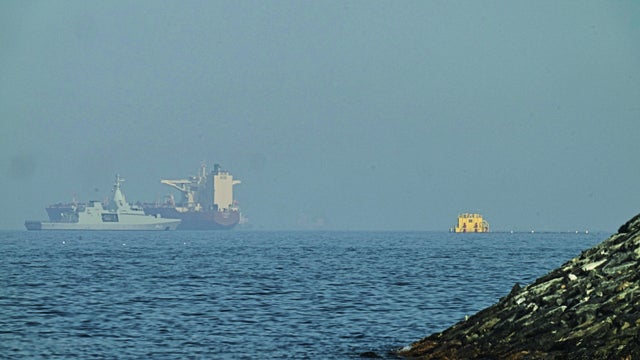
President Trump announced the U.S. would "guide" ships not involved in the war with Iran out of the Strait of Hormuz. A U.S.-led task force says it has started the operation.

Democratic Rep. Jason Crow of Colorado, who is on the House Armed Services Committee, told "Face the Nation with Margaret Brennan" that the Iran war is the latest example of how the U.S. is "not good at having off ramps and accomplishing large strategic decisions in the Middle East."
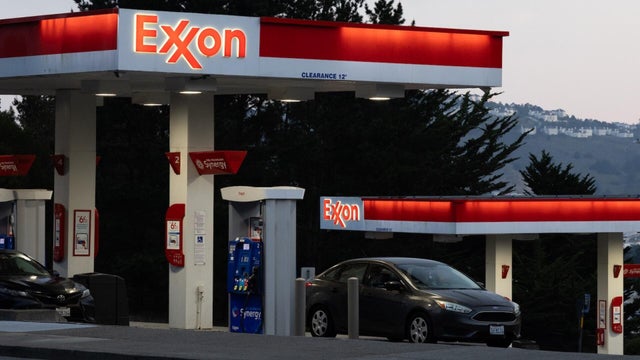
Earnings reports for Exxon Mobil and Chevron showed a decrease in profits during the last fiscal quarter due to Iran war disruptions. Despite the loss on paper, both U.S. oil giants topped Wall Street expectations when it came to revenue for the three month period ending March 31. CBS News business contributor Javier David has more.
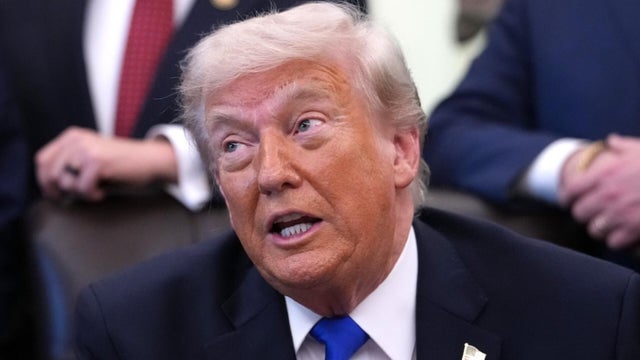
Over 50,000 U.S. military personnel remain deployed across the Middle East and a naval blockade is crippling the Iranian economy. But in a letter Friday, President Trump told lawmakers that "the hostilities that began" in late February "have terminated." Ed O'Keefe has more.
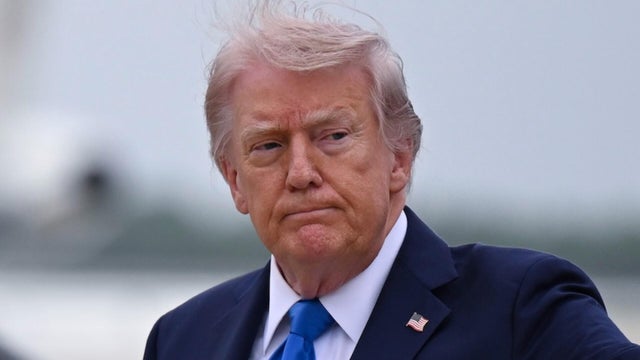
Iran has sent the U.S. its revised proposal to end the war. The latest offer came as a top Iranian commander said any U.S. attack would draw a "painful retaliation." President Trump addressed the negotiations earlier on Friday. CBS News national security analyst Aaron MacLean has more.
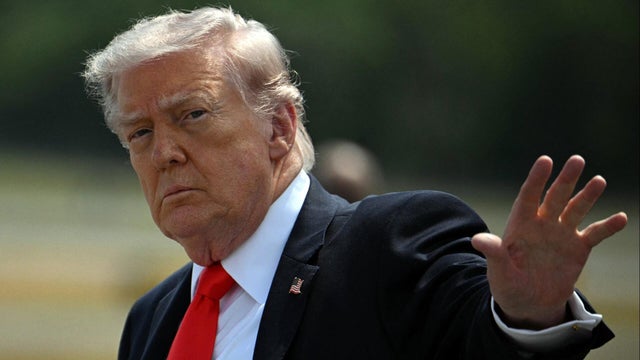
President Trump told Congress in a letter on Friday that "hostilities" with Iran have "terminated." Friday marks the 60-day deadline for the president to carry out military actions without congressional approval. CBS News national security analyst Aaron MacLean joins to discuss.
Oil prices hit a 4-year high as Axios reports Trump will hear new options to try to break the Strait of Hormuz standoff with Iran with a new wave of attacks.

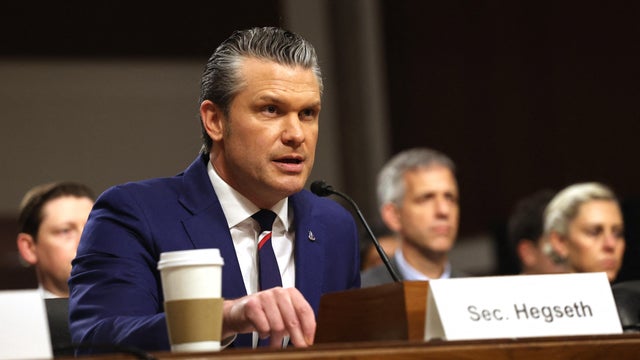
Defense Secretary Pete Hegseth testified before the Senate Armed Services Committee on Thursday, facing intense questioning from Democrats on the Pentagon budget, the war with Iran and more. These are some of the most notable exchanges from the hearing.
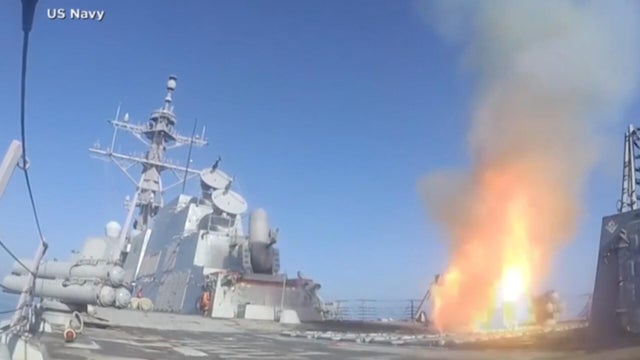
The true cost of the war with Iran is closer to $50 billion, not $25 billion, according to U.S. officials familiar with internal assessments. CBS News' Ramy Inocencio and Zak Hudak have more.

The ceasefire with Iran is holding, but negotiations are stalled. The ripple effects: tight energy supplies, price spikes and recession risks. Edward Fishman, former Russian and Europe sanctions lead at the State Department, joins with analysis.
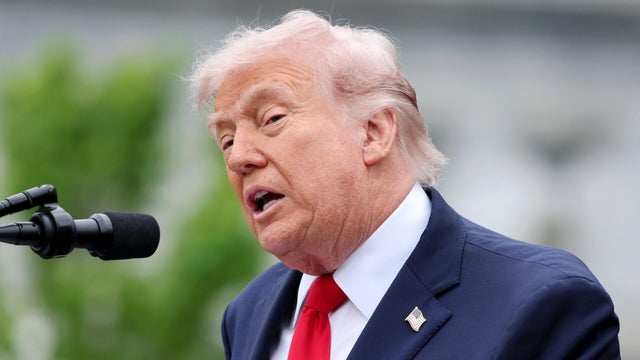
American drivers are paying $1.32 more per gallon than they did before the Iran war. Hopes of a quick end continue to fade as U.S. and Iranian leaders remain defiant. CBS News political reporter Zak Hudak has more on what could come next.