Optimism after first round of U.S.-Iran talks
There's some optimism after the first round of peace negotiations between the U.S. and Iran. CBS News' Natalie Brand and Holly Williams report.
Watch CBS News
There's some optimism after the first round of peace negotiations between the U.S. and Iran. CBS News' Natalie Brand and Holly Williams report.

A CBS News poll finds that most Americans want the war with Iran to end, and relatively few Americans believe the U.S. got the better of the new agreement. CBS News executive director of elections and surveys Anthony Salvanto breaks down the numbers.

Vice President JD Vance spoke to reporters Monday about the state of peace talks with Iran as he prepared to leave Switzerland. "You can't trust anybody's words. You have to trust what they actually do," Vance said.

H.R. McMaster, a CBS News contributor and former national security adviser to President Trump, joins CBS News to weigh in on the U.S.-Iran talks in Switzerland, which Vice President JD Vance said "laid a very good foundation" for a deal.
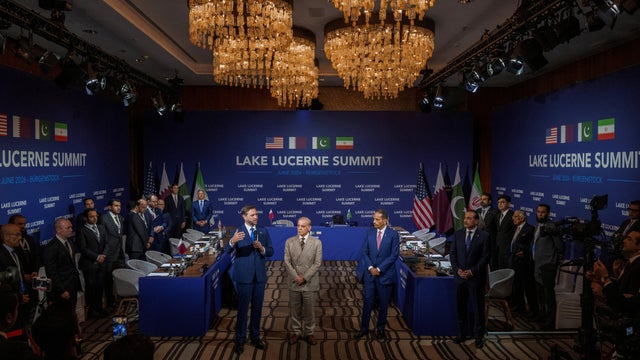
Their appearance was a rare face-to-face meeting between U.S. and Iranian officials as they launched a 60-day sprint to negotiate over the fate of Iran's nuclear program.

President Trump is threatening further attacks on Iran, even as Vice President JD Vance, in Switzerland, hails progress at talks aimed at securing peace. Taurean Small reports.
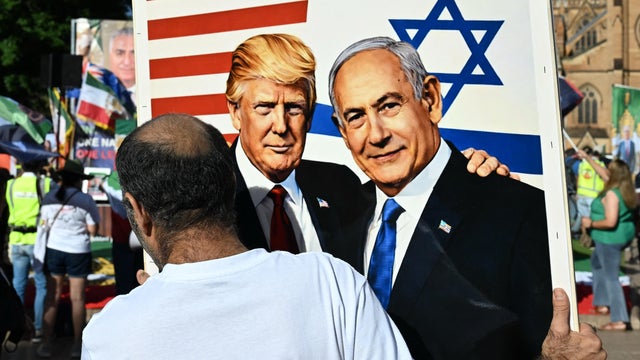
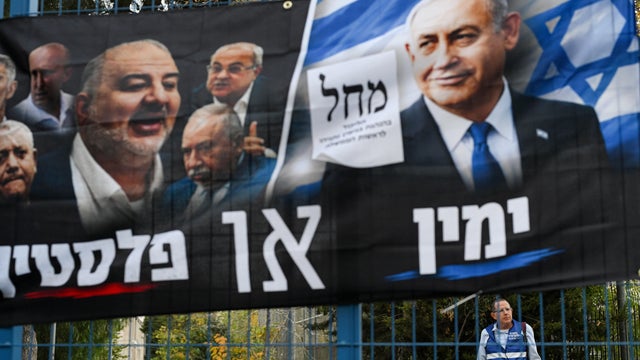
Trump has appeared during the Iran war to lose patience with Israeli Prime Minister Benjamin Netanyahu, who may now find himself "stuck."

With a memorandum of understanding in place between the U.S. and Iran, "The Daily Report" takes a look at where things stand on some of the goals the Trump administration laid out for the conflict. CBS News' Sam Vinograd also joins with analysis.

Israel and Hezbollah have agreed to a ceasefire in Lebanon as officials say fighting between them has delayed U.S.-Iran peace talks. CBS News' Imtiaz Tyab and Margaret Brennan report.
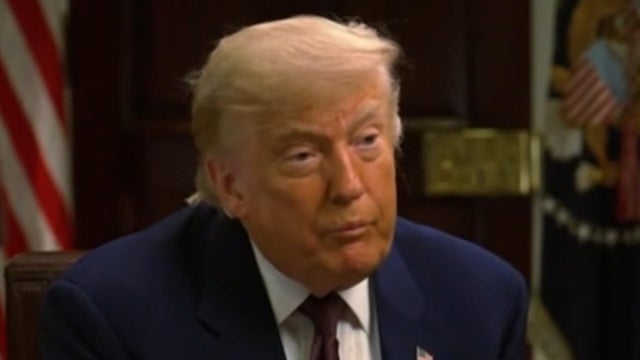
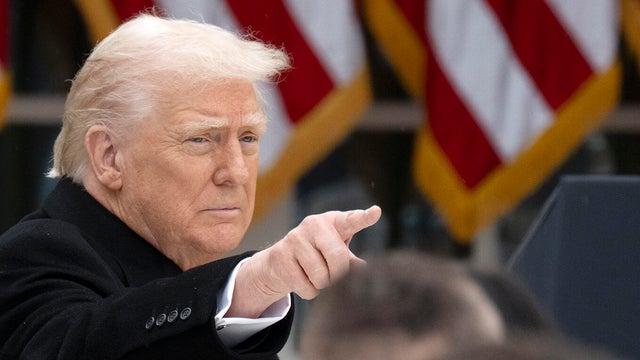
President Trump sat down with Axios reporter and CBS News contributor Marc Caputo after returning from the G7 summit, saying he sees no limits to his power amid the war in Iran and that Israel does what he says. Caputo joins "The Takeout" to unpack his conversation with the president.
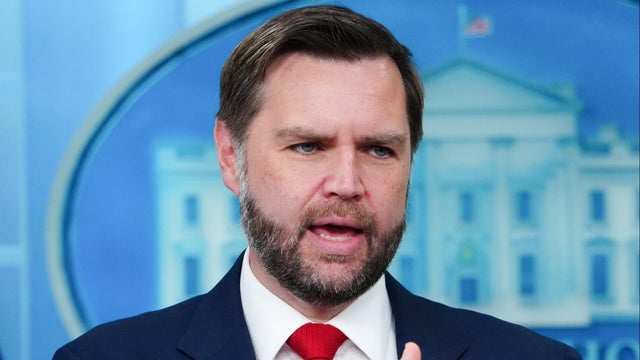
A new round of U.S.-Iran peace talks scheduled to start in Switzerland on Friday was postponed. CBS News congressional correspondent Nikole Killion reports. Then, Army Special Forces Ret. Lt. Col. Roger Carstens joins with analysis.
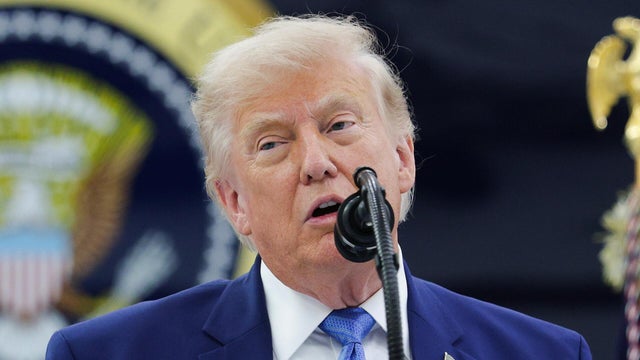
The Reflecting Pool in Washington, D.C., and the war with Iran have nothing to do with one another, but both have similarities worth reflecting upon. CBS News' Major Garrett explains. Then, CBS News' Imtiaz Tyab joins with the latest from Tel Aviv.

A ceasefire between Israel and Hezbollah appeared to hold on Friday, despite the two sides exchanging strikes overnight. Behnam Ben Taleblu, senior director of FDD's Iran program, joins CBS News to discuss the current situation int he Middle East.
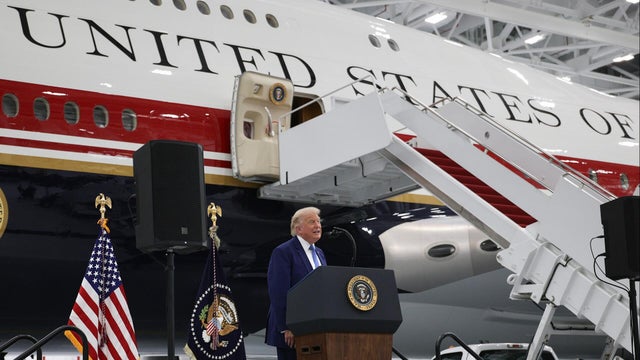
President Trump on Friday unveiled the new Air Force One, a $400 million Boeing 747-8 jet, gifted by Qatar.

Talks between Iran and the U.S. expected to begin in Switzerland Friday have been postponed. The White House blamed the delay on logistical issues while officials told the Associated Press other outlets that Iran had suspended the talks due to the ongoing fighting in Lebanon. CBS News' Nancy Cordes and Aaron MacLean have more.

Israel and Hezbollah reached a ceasefire agreement Friday to end their fighting in Lebanon, three diplomats briefed on the matter told CBS News. Meanwhile, Talks between Iran and the U.S. expected to begin in Switzerland Friday were postponed, with the White House blaming logistical issues for the cancellation of JD Vance's trip to Geneva. CBS News' Robert Berger and Natalie Brand have more.
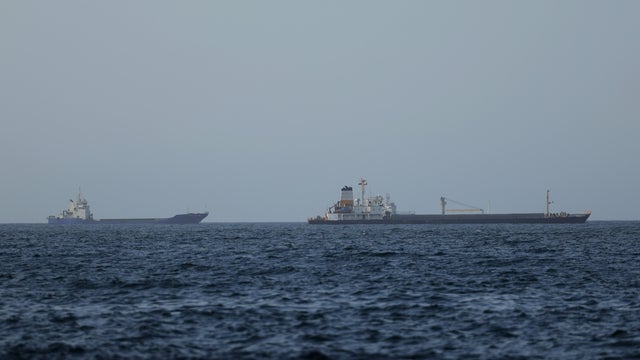
The negotiations were expected to start as soon as this weekend, but Vice President Vance's trip there was put off and Switzerland said the negotiations have been postponed.

Ships are beginning to transit the Strait of Hormuz again after the initial U.S.-Iran agreement reopened the waterway. But traffic may not get back to normal right away. Scott Savitz, senior engineer and professor at RAND School of Public Policy, joins to discuss.

Many of President Trump's stated reasons for going to war with Iran are left unresolved in the initial deal with Iran, and many of the president's goals for the war haven't been met. But what has changed in just a few months is his rhetoric. Margaret Brennan reports.

The clock started ticking for the U.S. and Iran to reach a final long-term peace deal after the presidents of both countries signed off on the 14-point memorandum of understanding on Wednesday. CBS News White House reporter Aaron Navarro has more.

President Trump's memorandum of understanding with Iran is being met with criticism from both Republicans and Democrats. H. R. McMaster, former national security adviser to Mr. Trump, joins with his perspective on the deal.
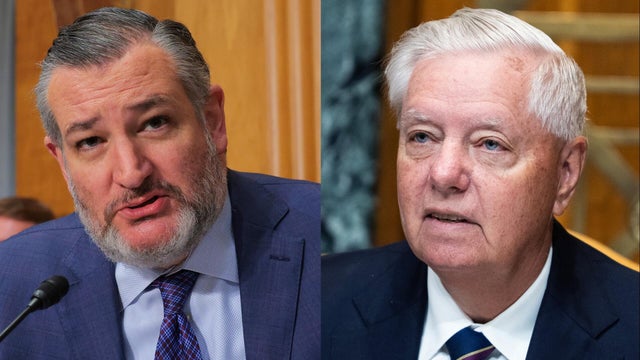
President Trump signed a memorandum of understanding with Iran on Wednesday night. The reviews are in, and Senate Republicans were either critical or cautiously hopeful that something better could be achieved. CBS News' Weijia Jiang and Nikole Killion have the latest.

The Strait of Hormuz is officially back open for business, at least for now. It comes after President Trump put pen to paper, signing the agreement that starts a two-month clock of talks with Iran. CBS News congressional reporter Taurean Small has more on congressional reaction.
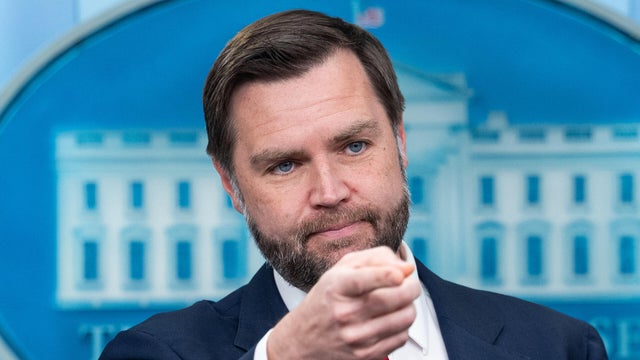
Vice President JD Vance warns Israel to abide by initial U.S.-Iran deal; Obama Presidential Center holds star-studded grand opening ceremony.
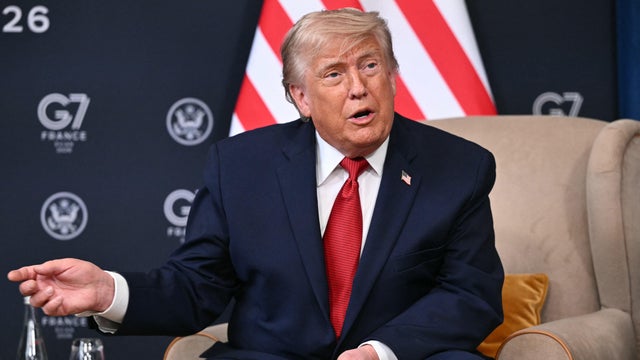
President Trump warned he could order new strikes if Iran's leaders "don't behave." The U.S. and Iran signed the memo of understanding remotely, a White House official said.