Tens of thousands of Muslims celebrate Eid al-Adha at Minneapolis Convention Center
In a year marked by attacks on mosques in the Twin Cities, faith leaders say the crowds are symbolic, not just of the holiday, but something greater.
Watch CBS News
In a year marked by attacks on mosques in the Twin Cities, faith leaders say the crowds are symbolic, not just of the holiday, but something greater.
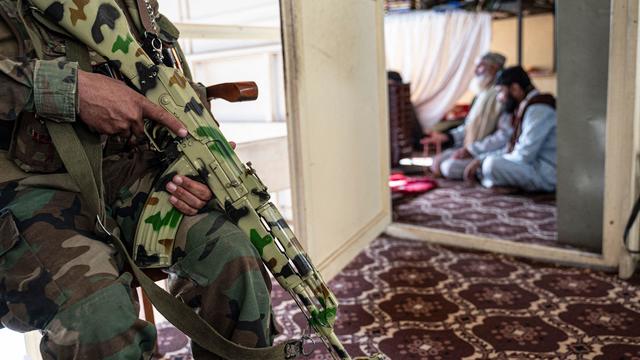
The Taliban says 175 people have been sentenced to death since it took back control of the country, as public, corporal punishment makes a violent return.

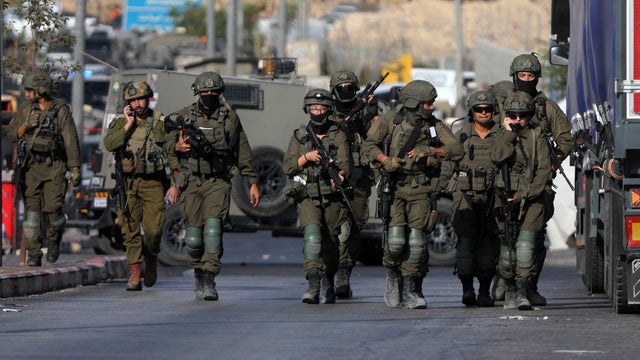
Hundreds of Palestinians were arrested when Israeli forces raided the Al-Aqsa Mosque in Jerusalem early Wednesday. It comes amid escalating violence in the region. Imtiaz Tyab reports.

While wearing one will still "definitely turn a few heads," Iranians say ties are becoming more common after decades as a taboo accessory.

Amid online ridicule, a government agency dropped its campaign to replace the romantic tradition imported from the West with a more Hindu-themed holiday.

Erika López Prater filed a lawsuit against Hamline University, alleging it subjected her to religious discrimination and defamation.

While the magazine is independent and often controversial, Iran's top diplomat said Tehran would "not allow the French government to go beyond its bounds."

"The idea being passed around that you can't drink in Qatar is wrong. There are places," one American fan said.

The U.S. diplomat jabbed soccer's governing body over "restrictions on freedom of expression" as he visited the World Cup host nation, where homosexuality can draw a death penalty.

Public beatings, unexplained arrests of female activists and a litany of new restrictions are all part of the Taliban's bid "to forcefully silence women."

Non-alcoholic beer will still be available, but the ban on alcohol just 2 days before games may be an issue for sponsor Budweiser.

Georgia, a red state, now has the second-highest number of Muslim state legislators in the country.

Videos of young Iranians knocking turbans off the heads of Islamic clerics have gone viral in the latest show of defiance against a regime facing a serious challenge.

In the 22-year-old's Kurdish hometown of Saqez, crowds snaked through the local cemetery and thronged her grave.

The athlete appeared on Iranian state TV saying she was sorry "for the confusion and concerns" over her safety, before being driven from the airport to an unknown location.

A text-only message on the climber's Instagram said she "accidentally" had a problem with her hijab, but she hasn't been seen in days.

Iranians continue to protest the death of 22-year-old Mahsa Amini in the custody of Iran's morality police. Security forces in Tehran have trapped and reportedly attacked a large number of students at Tehran University. Videos on social media appear to show shots being fired as students fled the scene. Roxana Saberi reports.

Protests continue to surge across Iran after the death of Mahsa Amini, who was detained for not wearing a hijab properly. Iranian President Ebrahim Raisi delivered a speech at the U.N. this week that failed to make any mention of the protests. Christina Ruffini has the latest.

Women in Iran defiantly took off their head coverings, and some burned their hijabs, as they protested after the death of 22-year-old Mahsa Amini, who died in police custody. The protests have now grown to include anger over rising poverty, soaring unemployment and crushing sanctions. Ramy Inocencio takes a look.

The death of Mahsa Amini, 22, has sparked deadly protests and drawn rare public criticism from Iranian officials.

The long-delayed report echoes many previous claims of abuse, but Beijing immediately denounced it as a fabrication cooked up by Western nations.

After the 1988 publication of the novel "The Satanic Verses," which Muslim fundamentalists were convinced insulted Islam, the Ayatollah Khomeini issued an order than author Salman Rushdie be executed. He lived for nine years under threat of being killed. In this interview originally broadcast on "CBS Sunday Morning" on September 29, 2002, Rushdie talked with correspondent Martha Teichner about the battle over freedom of thought in Islam and the "enriching jumble" of his past that has inspired his books; his 1999 move to New York City; and the problem of becoming "famous for the wrong thing."

The attempted murder of the renowned author, long targeted by Islamic fundamentalists over his novel "The Satanic Verses," is the latest sad chapter in the life of a quiet but dedicated hero of free expression. Correspondent Lee Cowan reports.

The suspect told authorities he knew one of the victims and recognized the other but said he wasn't involved in their deaths.

Four Muslim men have been killed in the area over the past several months, and authorities have said their deaths may be linked.