U.S. military withdraws from Iraq
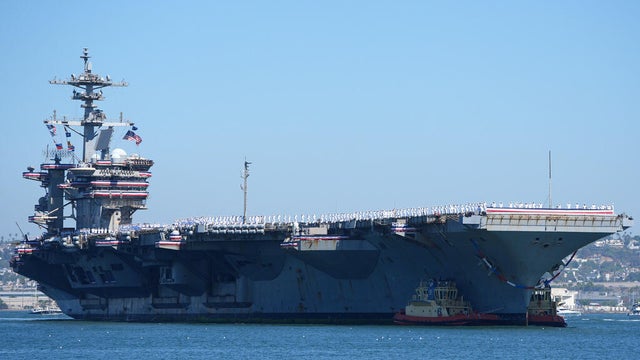
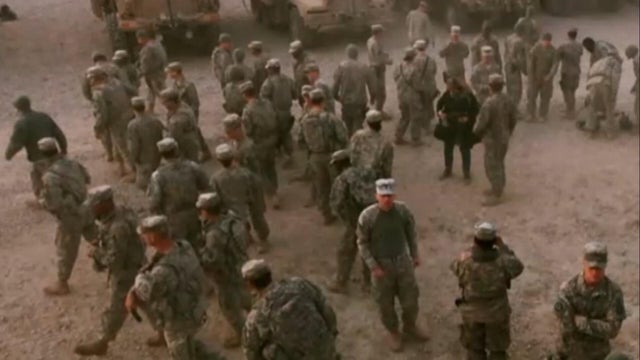
The U.S. military finished withdrawing from Iraq, 23 years after its 2003 invasion and 12 years after ramping up efforts against ISIS with Operation Inherent Resolve. CBS News' Ramy Inocencio reports.
Watch CBS News
The U.S. military finished withdrawing from Iraq, 23 years after its 2003 invasion and 12 years after ramping up efforts against ISIS with Operation Inherent Resolve. CBS News' Ramy Inocencio reports.
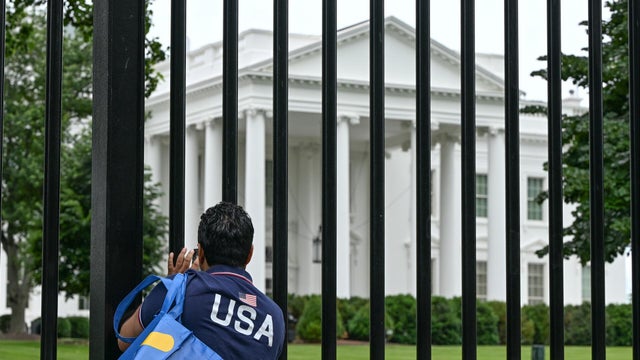
Security at the White House is tighter than ever since April's shooting at the correspondents' dinner. In a new article in The Atlantic, Matt Viser writes about how the recent push for perimeters has collided with the need for access in a democracy. Viser joins "The Takeout" to discuss further.
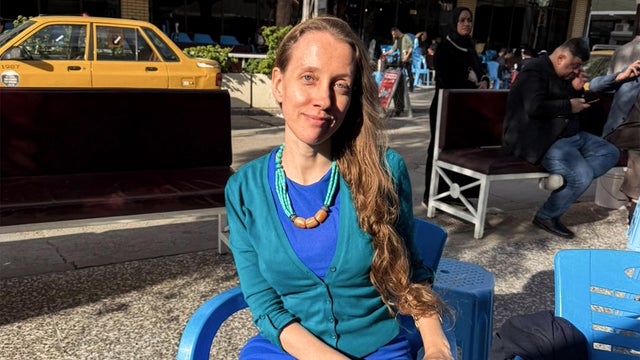
American journalist Shelly Kittleson was kidnapped in Baghdad on Tuesday, according to two sources familiar with the matter as well as an Iraqi official.
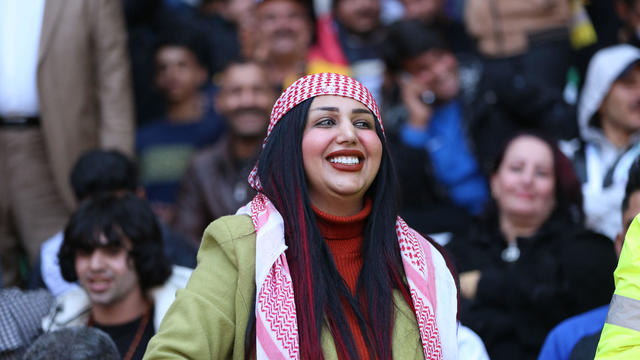
Iraqi authorities are investigating the killing of a well-known social media influencer Um Fahad who was shot by an armed motorcyclist in front of her home in central Baghdad.
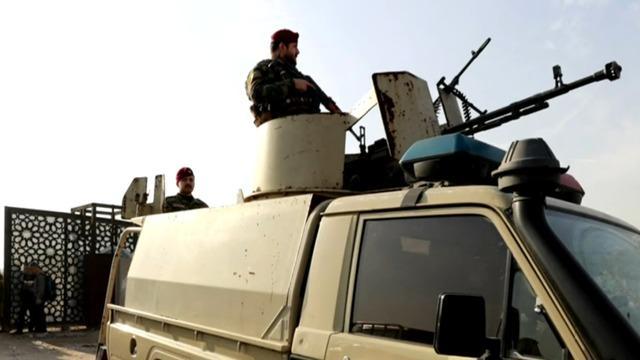
The U.S. military killed a high-ranking Iraqi militia leader in Baghdad Thursday with a drone strike in the central part of the city. The Iraqi Ministry of Foreign Affairs has condemned the bombing. CBS News White House reporter Willie J. Inman has more.
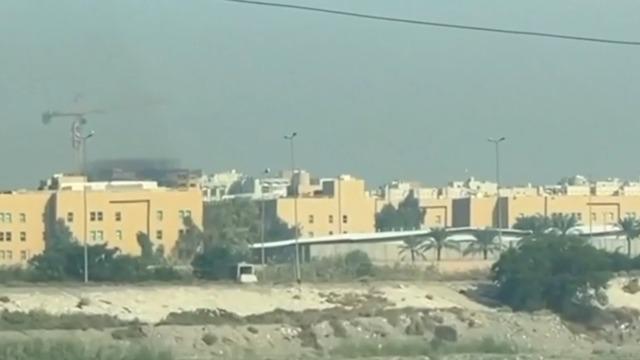
The U.S. military reports there has been a rise in attacks against U.S. facilities located in the Middle East as Israel's war against Hamas continues in Gaza. Retired U.S. Marine Corps Colonel Mark Cancian, a senior adviser at the CSIS International Security Program, joins CBS News with his analysis of the aggressions against the U.S. in the region.
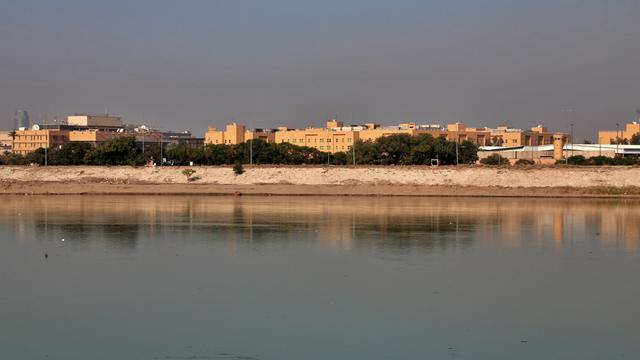
U.S. and Iraqi officials said the projectiles caused minor damage but no casualties. Iran-aligned militias are suspected, one U.S. official said.
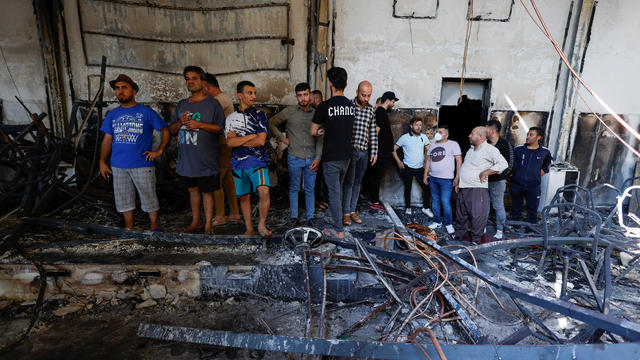
Emergency services and witnesses of the deadly fire in Iraq's Nineveh province said fireworks used inside the wedding venue sparked the blaze.
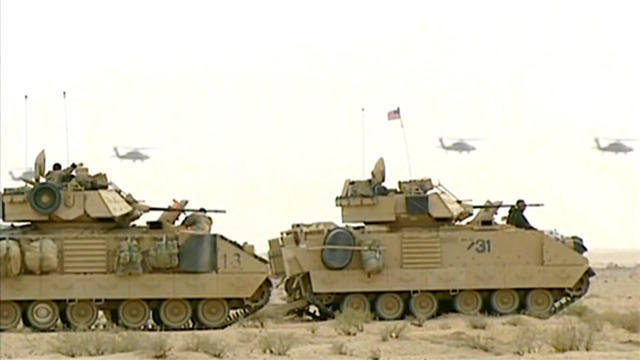
Monday marked 20 years since the beginning of the ground invasion of Iraq by U.S.-led forces, following an overnight bombing campaign. Charlie D'Agata is in Baghdad to reflect on the cost of the war.
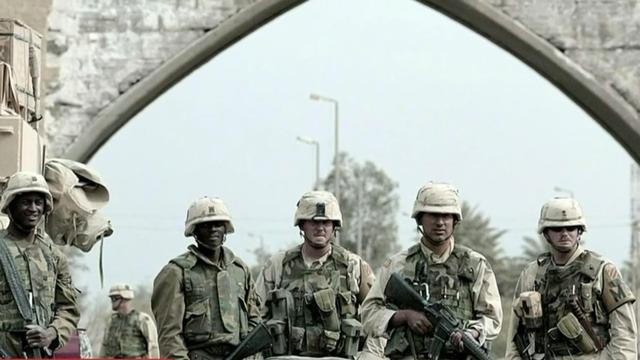
It has been two decades since the United States invaded Iraq, launching a yearslong war. CBS News senior foreign correspondent Charlie D'Agata, who covered the war from the beginning, reports from Baghdad on what the country looks like today.
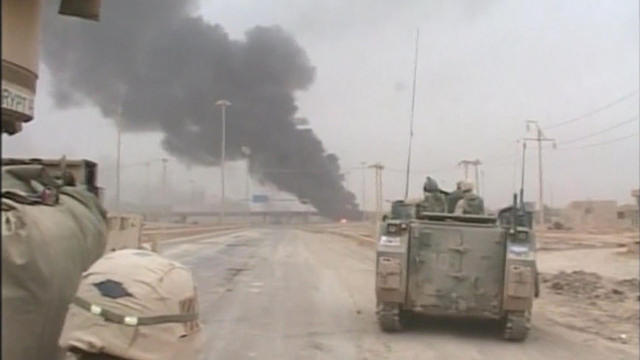
It's been 20 years since the U.S.-led invasion of Iraq. CBS News' Charlie D'Agata returns to Baghdad, where he was when the series of airstrikes known as "Shock and Awe" launched President George W. Bush's Operation Iraqi Freedom in the early hours of March 20. D'Agata speaks with U.S. Ambassador to Iraq Alina Romanowski who insists Iraq has turned a corner, and with the top U.S. general in charge of the 2,500 Americans who remain in the country. Nearly 4,500 American service members lost their lives by the time of the 2011 withdrawal.
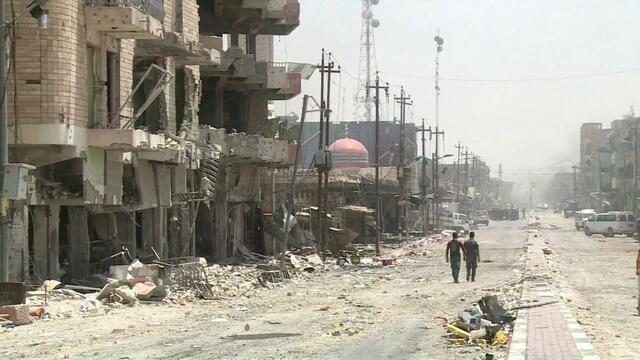
Monday marks 20 years since the United States invaded Iraq. After the fall of Saddam Hussein, the rise of ISIS, and more, what does the country look like today? Charlie D'Agata, who has covered the region for decades, reports from Baghdad.

It was 20 years ago, on March 20, 2003, that the U.S. launched the war in Iraq. As the invasion unfolded, CBS News correspondent Charlie D'Agata and producer Tina Kraus made their way into Baghdad to cover a conflict that would stretch out for nine years. In this reporter's notebook, they reflect on the early days of their war assignment.
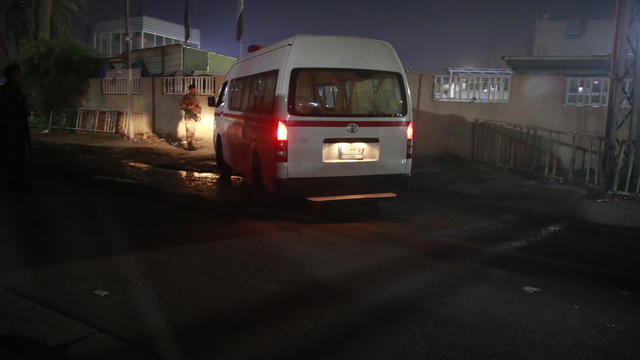
Officials say Stephen Edward Troell was fatally shot as he drove down his road with his family in the car, but the motive remains a mystery.
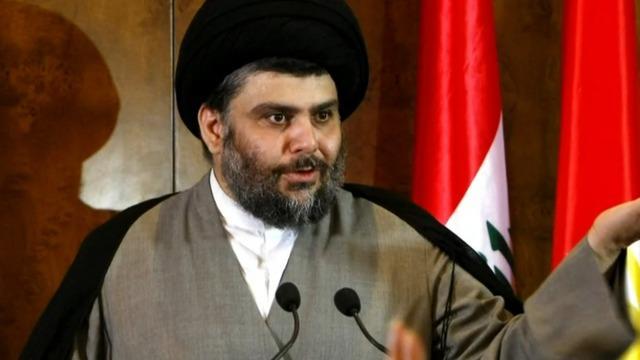
Supporters of an Iraqi cleric who announced his resignation stormed the government palace in Baghdad on Monday. The turmoil has led to more than 20 deaths. CBS News senior foreign correspondent Holly Williams joins "CBS News Mornings" with the latest.

Many European nations are starting off the new year with new COVID-19 measures in place, as the Omicron variant drives the number of cases up. Meanwhile, Sudan's Prime Minister Abdalla Hamdok has resigned after mass protests against a recent deal he made to share power with the army. Ian Lee reports for CBSN AM on these and other international stories.

Iraqi Prime Minister Mustafa Al-Kadhimi survived an armed drone attack at his home on Sunday. The attack comes two days after violent unrest over recent election results disputed by Iran-backed militia groups. Imtiaz Tyab reports.

The Spur Fire also promoted hundreds to evacuate Baghdad, outside Phoenix. It's one of only two company-owned mining towns left in Arizona.
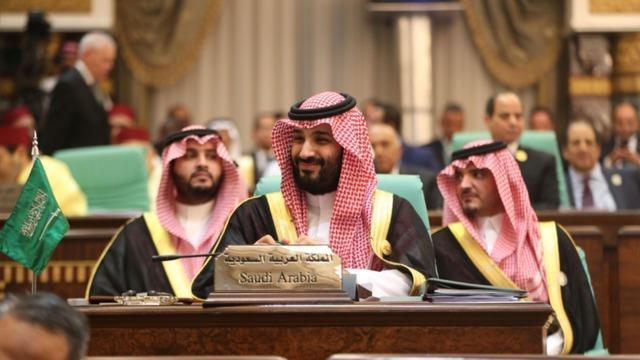
In a potentially historic move, Iran and Saudi Arabia appear to be moving closer to easing tensions after decades of hostilities. Top diplomats from both countries recently held secret bilateral talks in Iraq. GZero Media's Signal newsletter senior editor Alex Kliment joins CBSN to break down the latest developments.
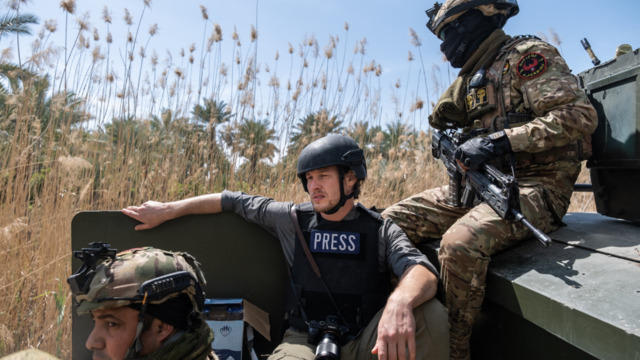
As U.S. troops withdraw from Iraq, ISIS fighters appear to be ramping up operations. VICE News recently explored the volatile situation on the ground where Iraqi security forces have launched raids and patrols, cracking down on sleeper cells and undercover operations. VICE News international correspondent Ben Solomon joins CBSN to take us through his report.
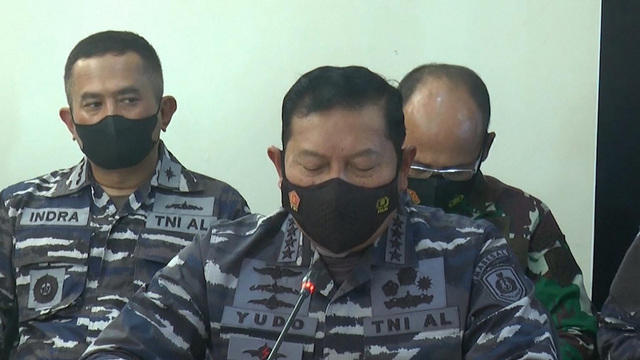
After days of searching, wreckage of a missing Indonesian navy submarine was found. India continues to see record coronavirus cases as nations pledge support and aid. At least 82 people are dead after a devastating fire at a Baghdad hospital. CBS News foreign correspondent Ian Lee joins "CBSN AM" with today's international headlines.

Initial reports suggested the fire was caused when an oxygen cylinder exploded in the ward of Ibn al-Khatib hospital.

Pope Francis is describing his trip to Iraq as an "emblematic journey," the first time any pontiff has set foot in the birthplace of Abraham of the Old Testament. Nicole Winfield, Vatican correspondent for the Associated Press, joins CBSN with more on the four-day journey, which comes amid rising COVID-19 infections and security concerns.

Pope Francis has landed in Baghdad to begin a historic four-day Papal visit to Iraq. But as COVID-19 infection rates in Iraq spike, there are fears that the trip could become a super spreader event. Chris Livesay reports

Military commander blames ISIS for the carnage, saying the battered group was trying to "prove its existence."