Tips for dealing with fall allergies
Dr. Tania Elliott, a dual board-certified internist and immunologist, joins "CBS Mornings" to offer tips on dealing with fall allergies.
Watch CBS News
Dr. Tania Elliott, a dual board-certified internist and immunologist, joins "CBS Mornings" to offer tips on dealing with fall allergies.

Matt Walker, a geneticist and the CEO of Kindred Companion Sciences, joins "CBS Mornings" with his gene-altered beagle, Bailey, to discuss creating future options for people with severe pet allergies.
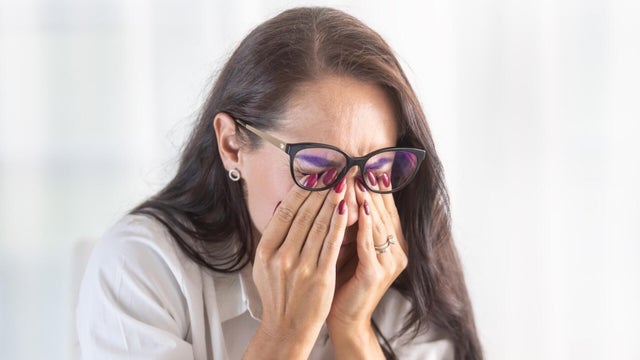
One in four adults in the U.S. suffers from seasonal allergies, which can cause red, watery and itchy eyes. Immunologist Dr. Tania Elliott explains how to get relief.
Allergy season started earlier than usual in some locations and it could be an explosive season for some people. Skyler Henry has tips from doctors.
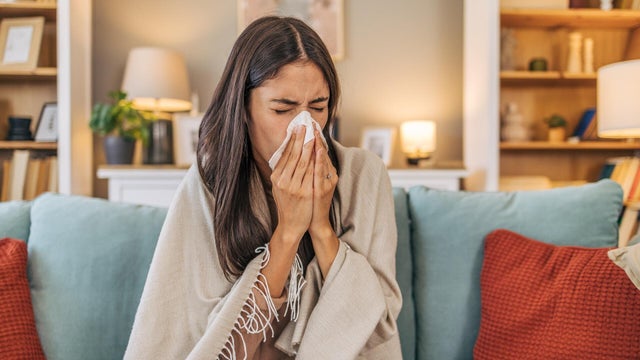
Americans are navigating seasonal viruses as they come together for the holidays. Dr. Céline Gounder, an internist, epidemiologist and infectious disease specialist, joins CBS News with more.
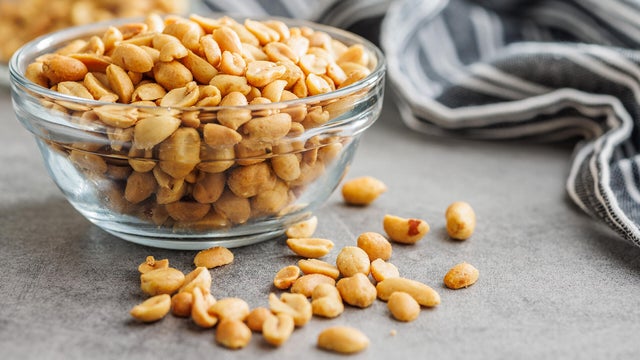
In 2015, a group of medical experts told parents they should give their infants peanuts starting as young as four months. Now, 10 years later, that advice appears to have led to a dramatic decline in the number of babies who have developed peanut allergies. Dr. David Hill, co-author of the study, joins CBS News to break down the findings.
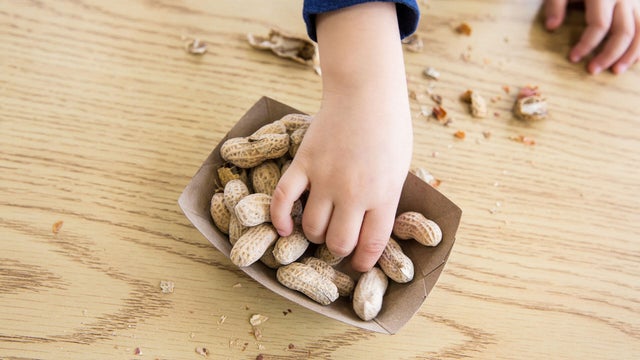
For years, parents were told to avoid giving babies peanuts due to allergy risks. CBS News chief medical correspondent Dr. Jon LaPook joins "CBS Mornings" to explain why new research is flipping that advice—and how early exposure could actually help prevent peanut allergies.
About 60,000 children have avoided developing peanut allergies after 2015 guidance upended medical practice by recommending introducing the allergen to infants starting as early as 4 months, a new study finds.
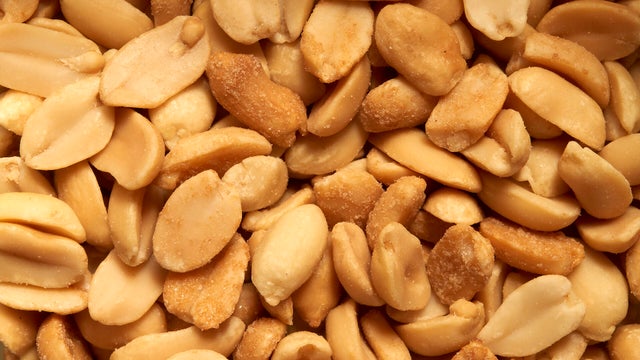
A decade after a landmark study proved that feeding peanut products to young babies could prevent development of life-threatening allergies, new research finds the change has made a big difference in the real world. Dr. Jon LaPook explains.
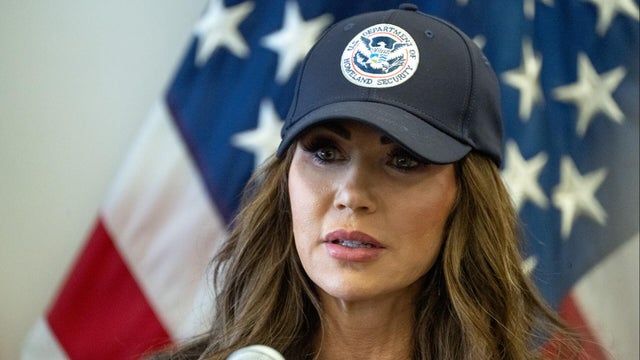
Homeland Security Secretary Kristi Noem was hospitalized in Washington, D.C., on Tuesday after suffering an allergic reaction. Sources tell CBS News that Noem is conscious and speaking with those around her.
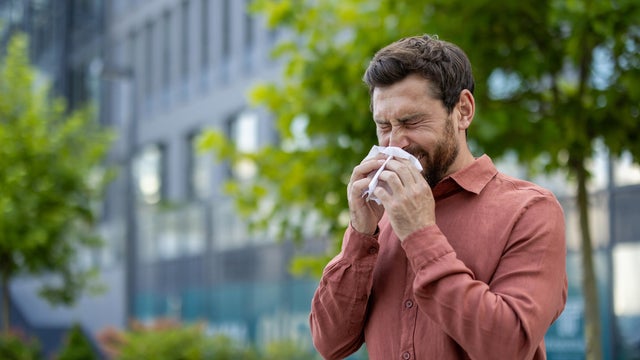
Sneezing this spring? Here's why seasonal allergies are so bad this year and what you can do to feel better, according to experts.

On Tuesday, Robert F. Kennedy, Jr. announced plans to phase out eight commonly used food dyes. Dr. Peter Chin-Hong, professor of medicine at UC San Francisco, joined CBS News to break down the health concerns and which foods use the dyes.
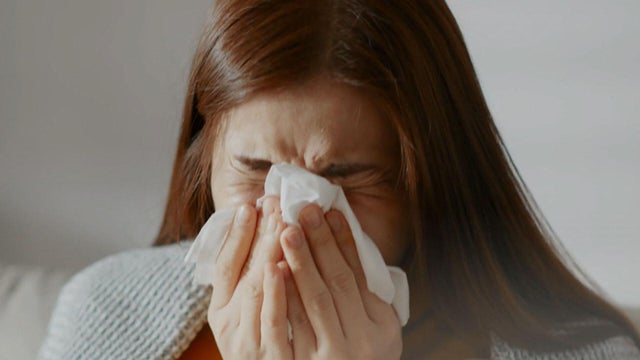
CBS News chief medical correspondent Dr. Jon LaPook shares practical advice for managing seasonal allergies while enjoying nature on Earth Day.
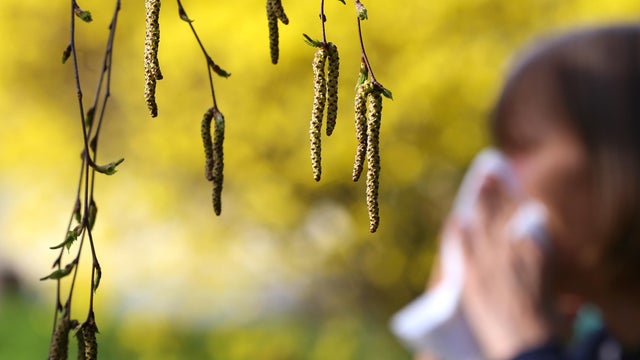
As climate change worsens pollen seasons, these U.S. cities top the list for 2025, according to a new report from the Asthma and Allergy Foundation of America.
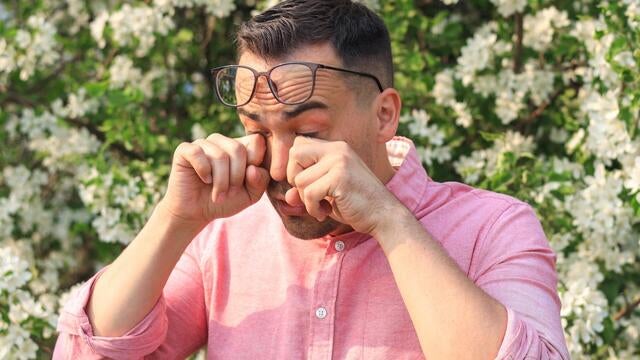
Allergy season may be getting longer and worse due to the effects of climate change. CBS News' Dave Malkoff breaks down the effects on your health.

A new report from Climate Central warns that rising global temperatures are extending allergy season, leading to more pollen and stronger allergic reactions. Warmer weather means fewer freezing days, giving plants more time to grow and release allergens. Environmental health expert Louis Ziska explains how climate change is affecting allergy sufferers and what to expect this year.
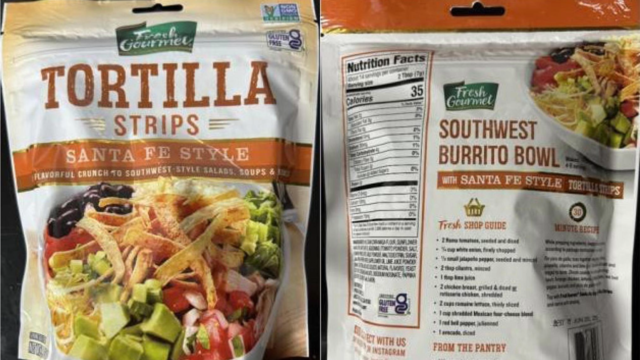
Tortilla strips sold in grocery stores across the U.S. have been recalled due to concerns about an undeclared wheat allergen.
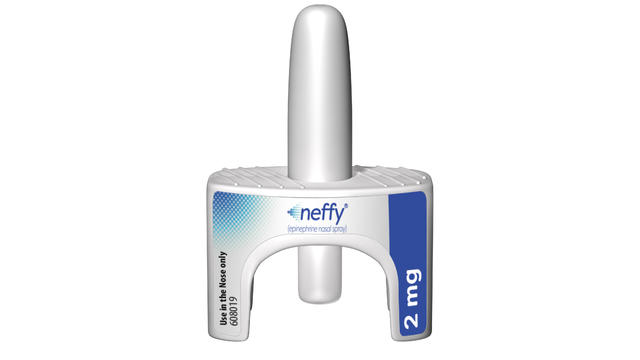
The nasal spray "Neffy" is the first needle-free option for severe allergic reactions that the FDA has approved. The spray would be an alternative to EpiPens.
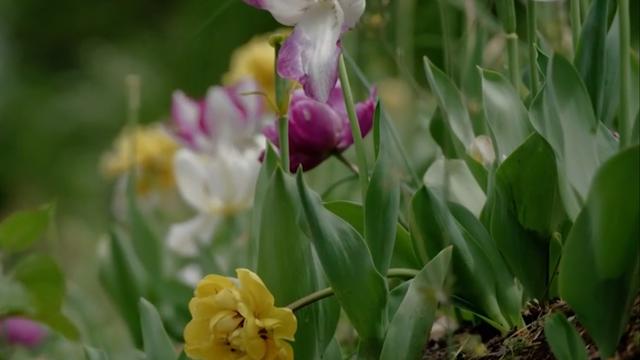
Pollen counters are turning to artificial intelligence as seasonal allergies worsen due to climate change. CBS News national correspondent Dave Malkoff explains how technology is changing the long and tedious process of pollen counting.
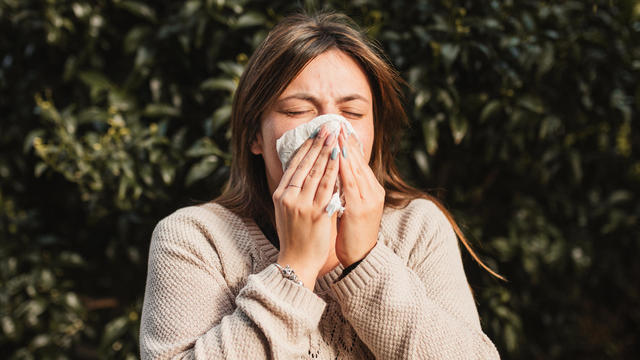
If you think allergies are worse this year, you aren't imagining it. CBS News correspondent Dave Malkoff shows us how a hyperlocal pollen count could help people manage symptoms better.
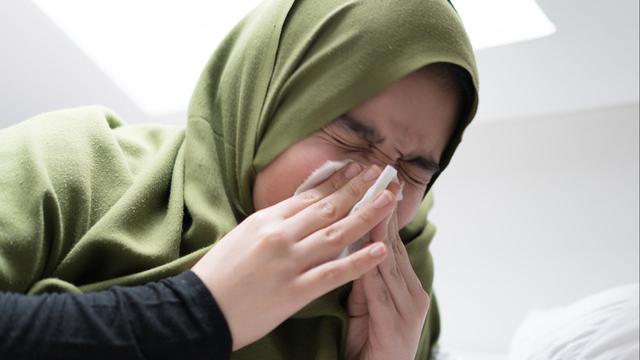
Springtime is the sneezing season for millions of Americans with allergies. Joel Brooks, pediatric allergist at Columbia University's Irving Medical Center, joins CBS News to discuss how severe things are this year and tips for treatment.

"Honest has been a true labor of love for me," the "Fantastic Four" actress said of the personal care company she founded in 2012.
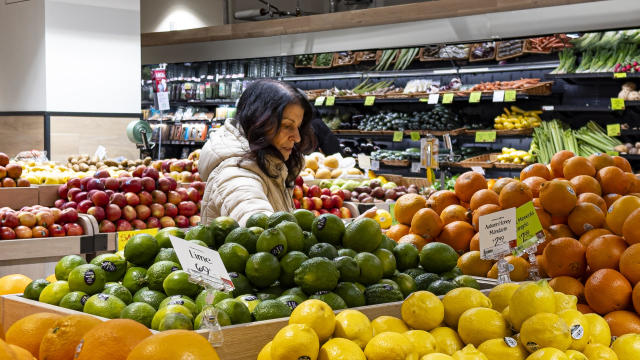
The federal program that helps pay for groceries for millions of low-income mothers, babies and young kids will emphasize more fruits, vegetables and whole grains.
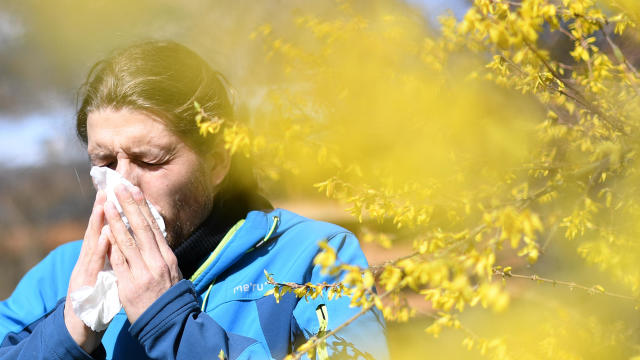
Allergy season is upon us — and it's earlier and stronger than expected. Here's what to know about pollen count and symptoms.
Researchers in London say there's a better way to help allergy sufferers predict and prevent pollen-borne punishment.