Sunday 9AM ET on CBS
11AM ET on the CBS News app
Watch CBS News

Vice President JD Vance and his wife, Usha, are expecting their fourth child. They talked with "Sunday Morning" national correspondent Robert Costa about family, his conversion to Catholicism, and his book, "Communion: Finding My Way Back to Faith." The vice president also defends the Trump administration's war with Iran, which has put Vance at odds with Pope Leo XIV.
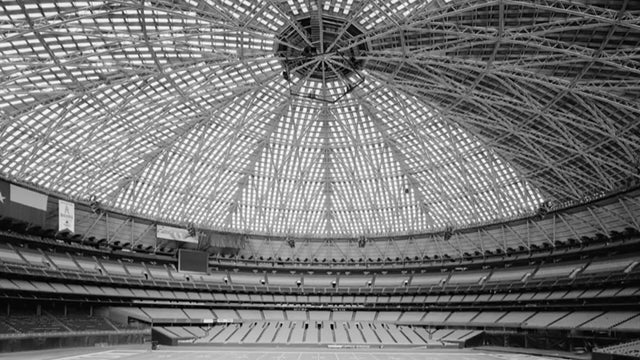
When the Houston Astrodome opened in 1965, the world's first domed stadium was hailed as the "Eighth Wonder of the World," and became one of America's top tourist attractions. But after decades of decline, the Dome now sits empty beside its successor, NRG Stadium. Correspondent Mo Rocca goes inside the landmark with those debating its fate, and those reimagining its future.
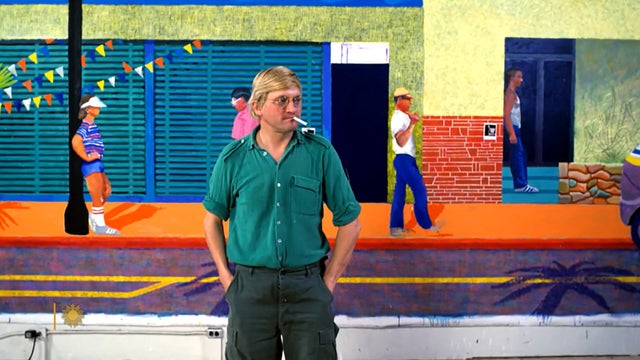
David Hockney's constant experimentations in art gave us six decades of swimming pools and sun-drenched scenes, intimate portraits of friends, vibrant depictions of his native Yorkshire, and groundbreaking digital works. The British-born painter died on Thursday, June 11, 2026 at age 88. Correspondent Seth Doane offers an appreciation of the groundbreaking body of work, by an artist whom British Prime Minister Keir Starmer called one of the most important figures in contemporary art in both the 20th and 21st centuries.
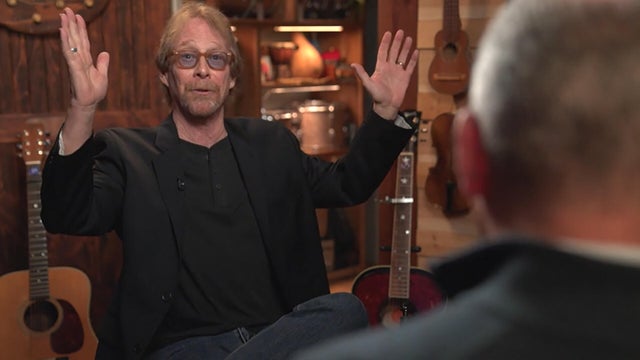
In this web exclusive, the former child actor Bill Mumy, star of such 1960s series as "Lost in Space" and "The Twilight Zone," talks with Jim Axelrod about how he avoided the troubles that often befall child actors.
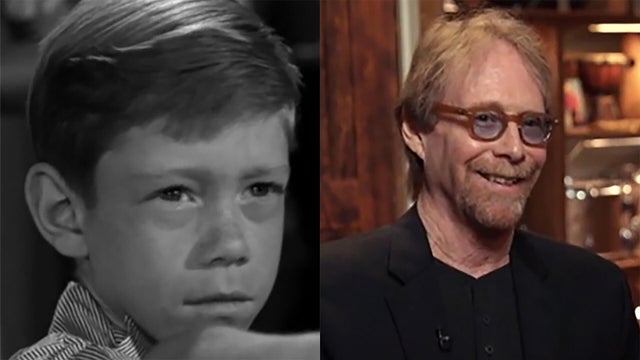
Actor Bill Mumy first became known for his childhood appearances on classic series such as "The Twilight Zone," and later as Will Robinson on "Lost in Space." Correspondent Jim Axelrod discovers how Mumy, now 72, avoided the dangers that other child actors faced while pursuing a Hollywood career, as an Emmy-nominated songwriter, touring musician and recording artist, and finds out what has kept Mumy grounded.
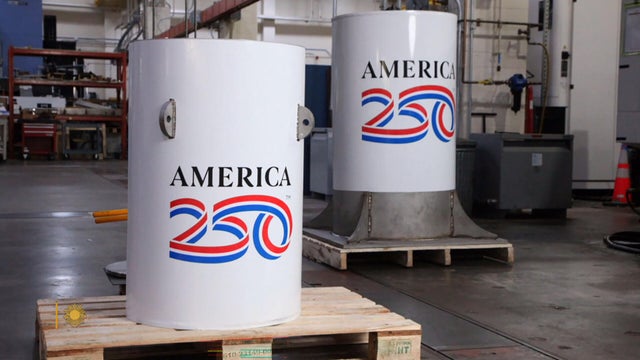
As America turns 250, many celebrations are looking back on our nation's past – but one looks to the future. By law, a time capsule is to be buried in Philadelphia on July 4, not to be opened until 2276, in time for America's quincentennial. Correspondent Faith Salie looks into what objects – high tech and low – made the cut to be preserved for posterity; and how the capsule itself was designed to survive 250 years underground.
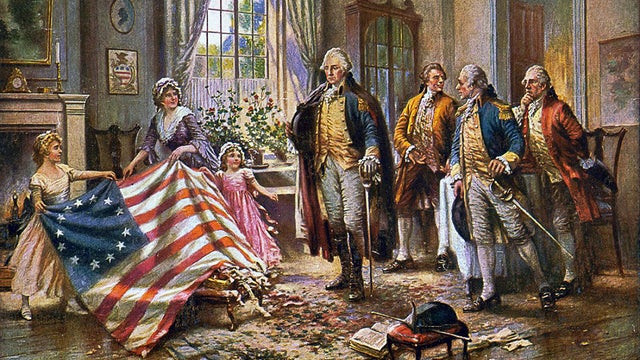
"Sunday Morning" looks back at historical events on this date.
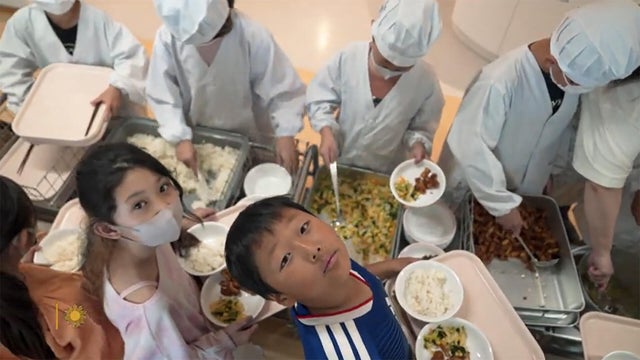
In the United States, the percentage of obese adults is about ten times what it is in Japan, even though fast food, junk food, pizza and donuts are also popular there. Correspondent Adam Yamaguchi looks at what differentiates the Japanese diet. He also learns how one company helps track its employees' health, and how schools make it their mission to design lunches that give Japanese children a taste of a healthy life.
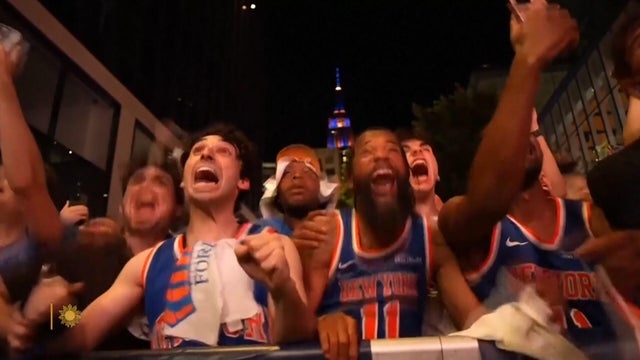
The New York Knicks defeated the San Antonio Spurs Saturday night in Game 5 of the NBA Finals – and are world champions for the first time in 53 years. Lilia Luciano reports from New York, where the City That Never Sleeps is still celebrating.
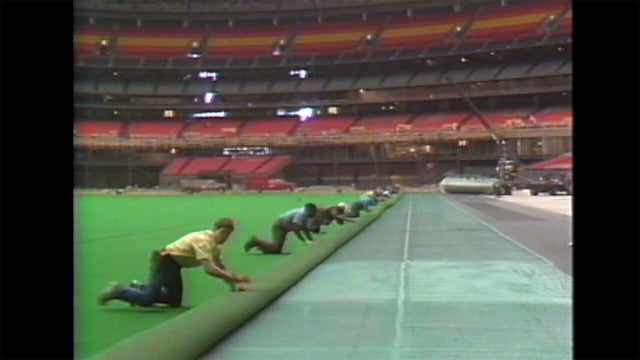
Opened in 1965, the Astrodome in Houston was billed as the "Eighth Wonder of the World" – an enclosed, air-conditioned stadium with fake grass for major league baseball. But in 1999, when the Astros left for new digs, Houston held a party to celebrate the Dome's past, while seeking other spectacles (monster truck rallies, high-diving stunts, even chariot races) to fill seats. Correspondent Bill Geist covered the Astrodome's history in this Oct. 10, 1999 "Sunday Morning" report.