Sunday 9AM ET on CBS
11AM ET on the CBS News app
Watch CBS News
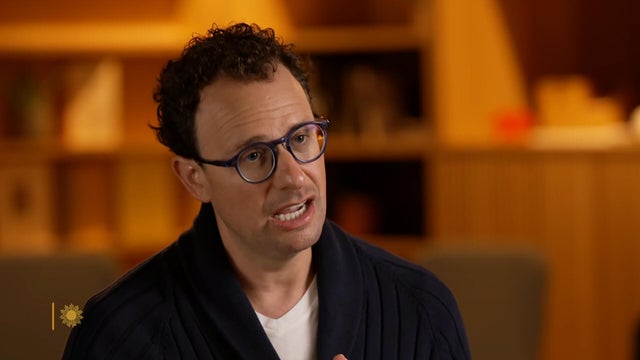
Dario Amodei, head of the artificial intelligence company Anthropic, calls the exponential rate of AI developments a "warning sign," with risks for humanity, and says, "We need to slow down." He talks with correspondent Jo Ling Kent about possible steps forward.
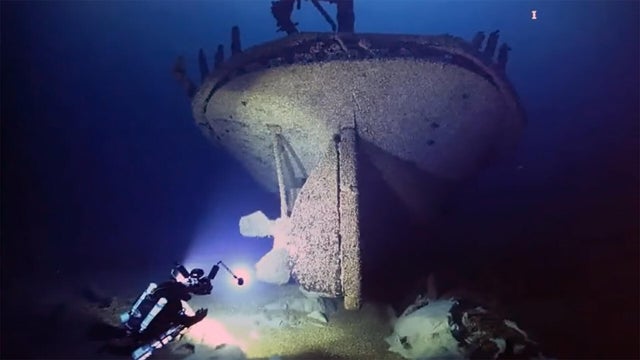
Shipwrecks have long fascinated oceanographer Robert Ballard, who became renowned for locating the wreck of the RMS Titanic in 1985. He talks with correspondent Lee Cowan about how that discovery 12,000 feet beneath the Atlantic changed him, and about the efforts of his research vessel Nautilus to map the ocean floor. Cowan also talks with Sophie Elmhirst, author of the bestseller "A Marriage at Sea: A True Story of Love, Obsession, and Shipwreck," about human beings at their most vulnerable.
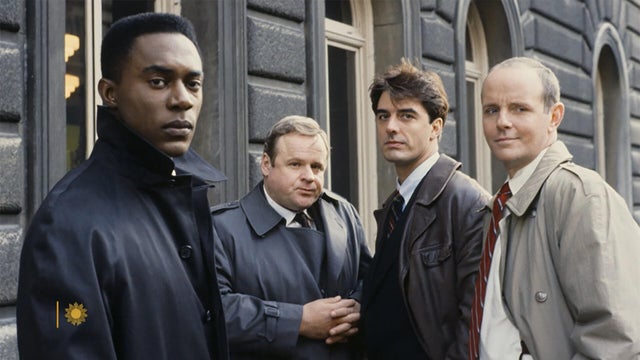
"Sunday Morning" looks back at historical events on this date.
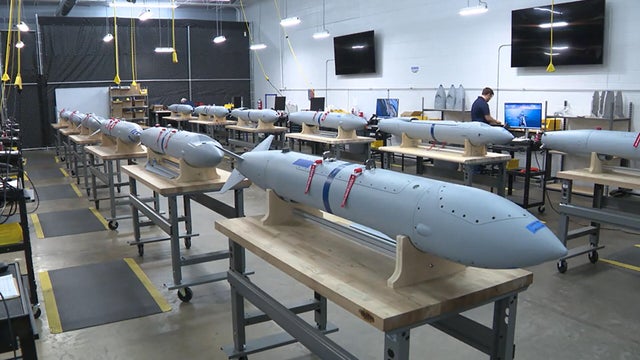
The war with Iran was launched more than six months ago, and shows no signs of ending. In the early days of the conflict, the United States fired off thousands of long-range, precision-guided missiles. Now, with its arsenal depleted, the Pentagon is faced with the stark prospect of not having enough high-tech weapons to sustain a conflict against a true military power like China, and has ordered the defense industry onto a "wartime footing" to replenish its stockpiles. That will cost billions of dollars and require years of manufacturing. CBS News national security correspondent David Martin visited some of the plants now ramping up production to rebuild America's military arsenal.
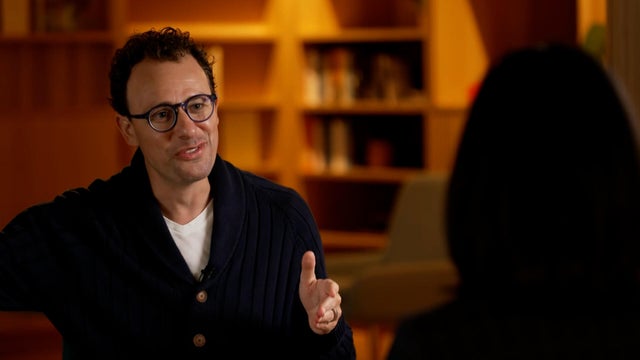
In an interview with CBS News, Anthropic CEO Dario Amodei encouraged the artificial intelligence industry to come together in the pursuit of safeguards. Watch the interview on "CBS Sunday Morning" on Sept. 13.
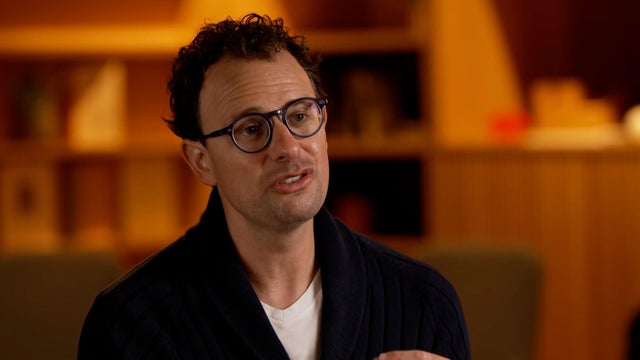
Anthropic CEO Dario Amodei told CBS News that he didn't fully anticipate the effects of rapid artificial intelligence development, while also encouraging the public not to panic. Watch the interview on "CBS Sunday Morning" on Sept. 13.

During the course of his life, New York photographer Jay Maisel, who died last month at age 95, photographed the World Trade Center thousands of times – including on 9/11, when they were destroyed. In this "Sunday Morning" report that aired Sept. 16, 2011, Maisel talked with correspondent Richard Schlesinger about the hold the Twin Towers had on the imagination, and on his camera's lens.

In this story that aired on "Sunday Morning" Sept. 16, 2001, correspondent Bill Geist reported on how his hometown of Ridgewood, N.J., was devastated by the terror attacks on Lower Manhattan, just a short commuter train ride away, and how his friends and neighbors responded to the loss of a dozen members of their community.

After terrorists attacked the United States on Sept. 11, 2001, America's attention turned fully to the group's leader, Osama bin Laden, and his Al Qaeda network, which had found protection in Afghanistan. Correspondent Allen Pizzey reports on a country already devastated by more than 20 years of continuous warfare, which was anticipating further retaliation by Washington, in a story that originally aired Sept. 16, 2001. Pizzey also talks with Vicky and Mark Timlin, of the charity Hope Worldwide, whose head office ordered them to leave Afghanistan following the attacks on the World Trade Center and the Pentagon.
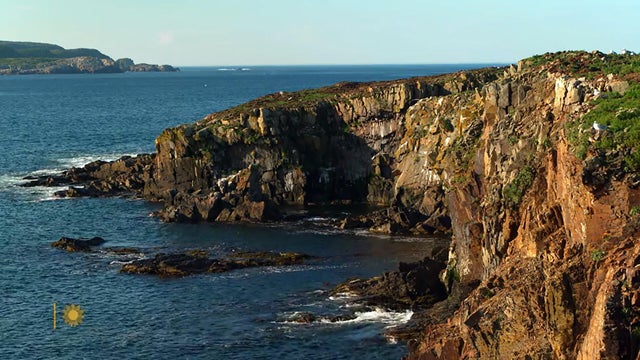
We leave you this Sunday morning on the coast of Newfoundland. Videographer: Mike Hernandez.