Sunday 9AM ET on CBS
11AM ET on the CBS News app
Watch CBS News
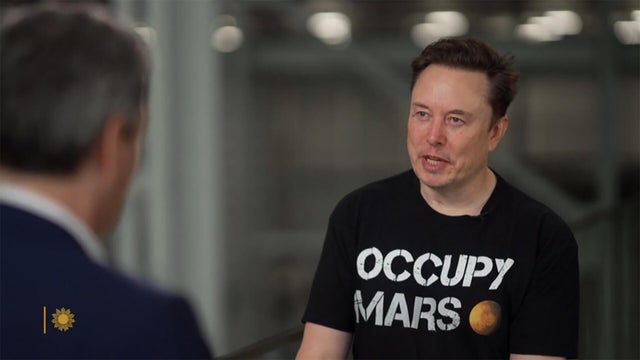
Since joining the Trump administration with a mandate to shrink government, Elon Musk – the world's richest man, and a key funder of Donald Trump's run for office – led his team at the Department of Government Efficiency (DOGE) to fire workers, close offices, and cut off funding for innumerable programs. He also saw his own fortunes decline, as his work became the target of lawsuits – and his Tesla brand suffered a huge backlash. Sitting down with "Sunday Morning" correspondent David Pogue, Musk discussed his efforts behind DOGE and the firestorm surrounding it; and his opinion of Trump's controversial budget bill, now before Congress.
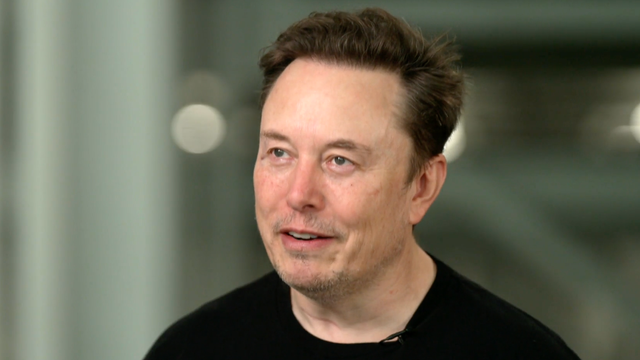
Elon Musk said that he doesn't always agree with everything the Trump administration does, but says it's difficult to discuss publicly. He tells "CBS Sunday Morning" correspondent David Pogue why he feels "a little stuck in a bind" at times. Watch more of Musk's interview on "CBS Sunday Morning" on Sunday, June 1.
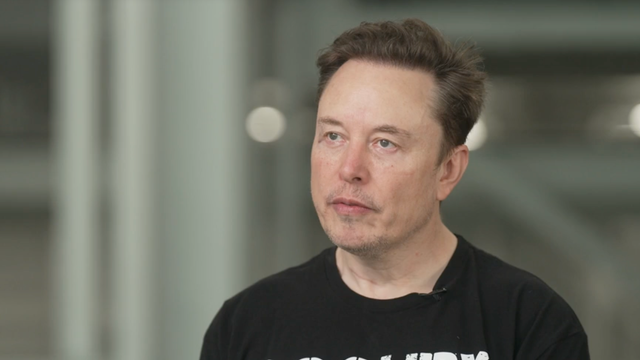
SpaceX CEO Elon Musk tells "CBS Sunday Morning" that the company has about a 50 percent chance of launching an uncrewed Starship to Mars at the end of 2026. Watch more of his interview with "CBS Sunday Morning" on Sunday, June 1.
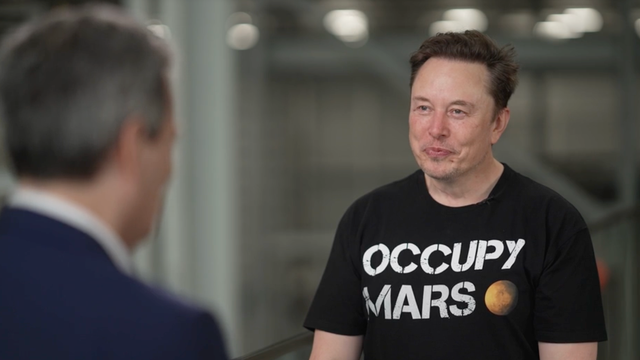
Elon Musk tells "CBS Sunday Morning" correspondent David Pogue that he was disappointed by President Trump's budget bill, saying that it "undermines the work that the DOGE team is doing." He explains why in an interview airing only on "CBS Sunday Morning" on Sunday, June 1.

We leave you this Memorial Day weekend in California in a field of poppies – the flower of remembrance.
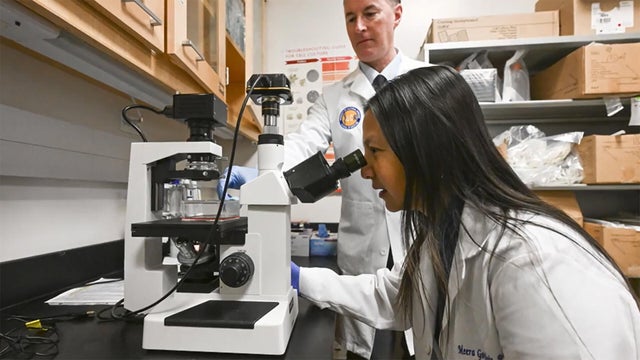
Dr. Timothy Johnson, longtime network TV medical reporter and founding editor of the Harvard Medical School Health Letter, says that by cutting more than $1.8 billion in grants from the National Institutes of Health, the Trump administration risks destroying U.S. medical research infrastructure and prompting a "brain drain" of scientists to other countries.
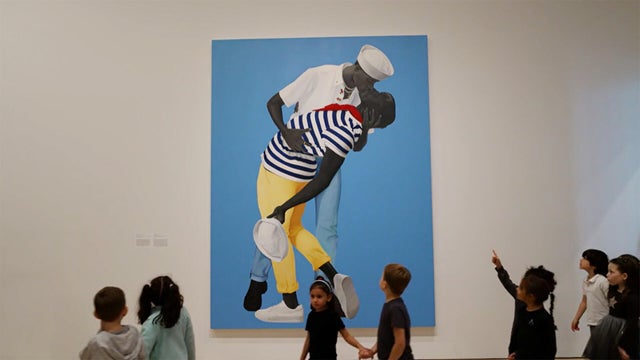
"Sunday Morning" anchor Jane Pauley previews some of the most intriguing new art exhibits around the country this summer.

Artist Barbara Shermund (1899- 1978) was one of the first women cartoonists for The New Yorker and other major magazines, from the 1920s into the '60s. But she died with barely a trace – and her reputation lay dormant, until a distant relative and a cartoon historian teamed up to connect the dots of Shermund's life and work. Correspondent Faith Salie talks with investigator Amanda Gormley and curator Caitlin McGurk (author of "Tell Me a Story Where the Bad Girl Wins: The Life and Art of Barbara Shermund") about resurrecting a trailblazing humorist and her scintillating takes on sex, marriage and society.
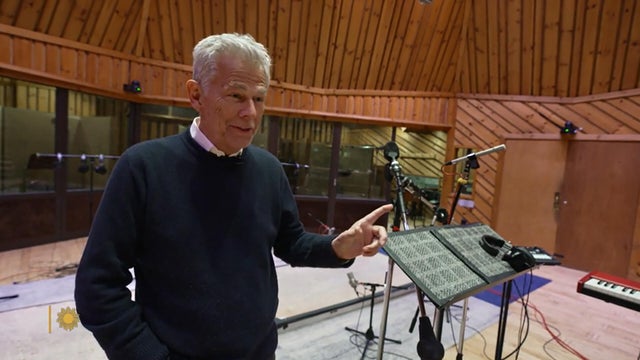
For the past fifty years, David Foster produced some of music's most iconic artists, and won 16 Grammy Awards along the way. But the hit-maker's latest project is the Tony-nominated "Boop! The Musical," for which Foster wrote about fifty songs. He talks with correspondent Tracy Smith about discovering such unique talents as Celine Dion and Michael Bublé; working with such demanding artists as Barbra Streisand and the rock group Chicago; and what he really thinks about legacy.
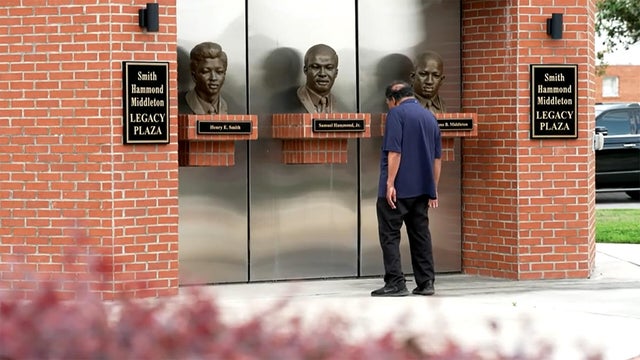
A few years ago, Linwood Riddick, of Summerville, S.C., learned of the 1968 "Orangeburg Massacre" protest at South Carolina State University, during which three Black students were killed. The Vietnam War veteran and retired shop owner felt compelled to honor their sacrifice by graduating from the HBCU – at the age of 79. Steve Hartman reports.