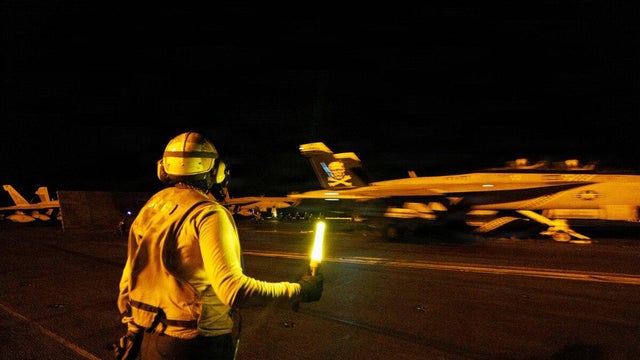
U.S. concludes another night of Iran strikes amid battle over Strait of Hormuz
Iran said it would attack "all infrastructure in the region" if President Trump follows through on his threats to attack Iranian civilian infrastructure.
Watch CBS News
Iran said it would attack "all infrastructure in the region" if President Trump follows through on his threats to attack Iranian civilian infrastructure.
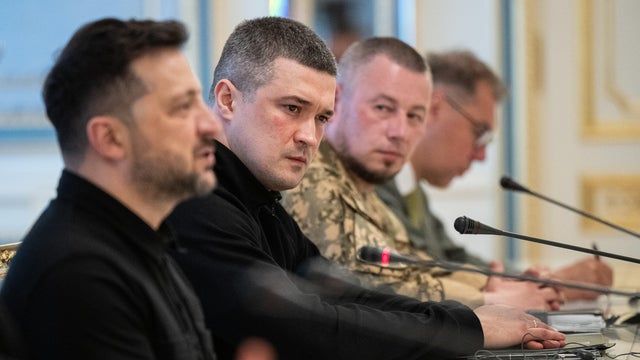
Ukrainians are demonstrating in Kyiv and senior figures announcing their resignations over President Volodymyr Zelenksyy's move to oust his popular defense chief.
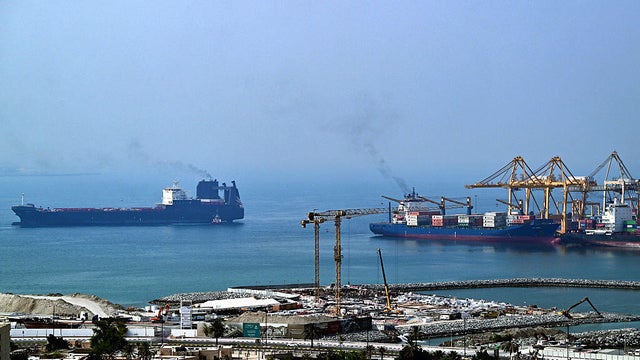
As the U.S. restarts its Iran blockade and carries out more strikes, President Trump has called off a planned 20% fee on shipping through the Strait of Hormuz.
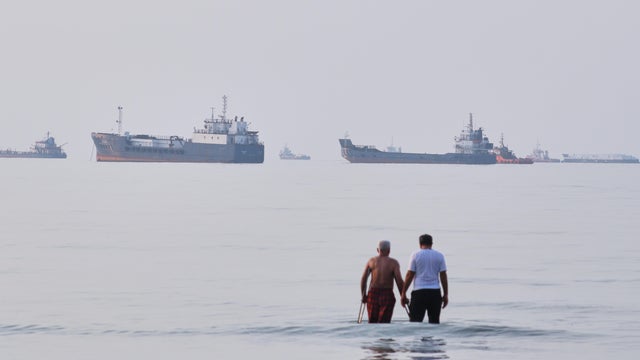
Industry insiders say "there is no legal basis" for Trump to impose a 20% fee on cargo transiting the Strait of Hormuz, something he now says he's decided not to do.
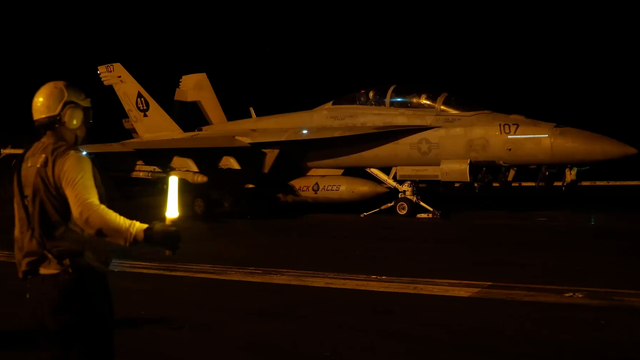
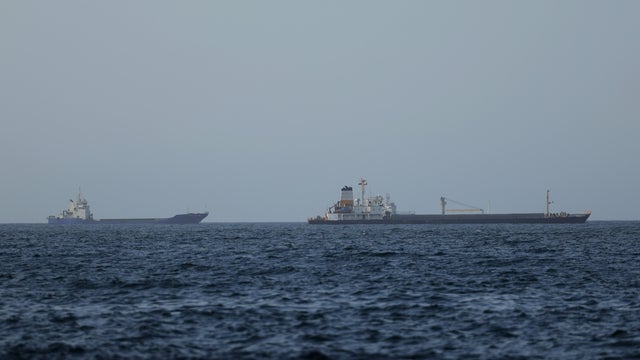
U.S. forces conducted more rounds of strikes on Iran this week, one of which was in retaliation for an attack on a commercial ship in the Strait of Hormuz, the Pentagon said.
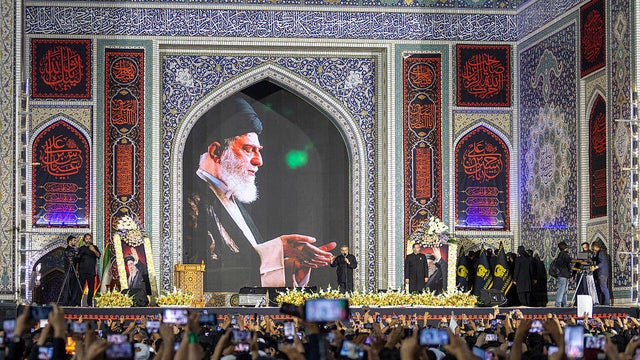
Iran's former Supreme Leader Ali Khamenei was buried amid an escalating exchange of fire on the 132nd day of the war.
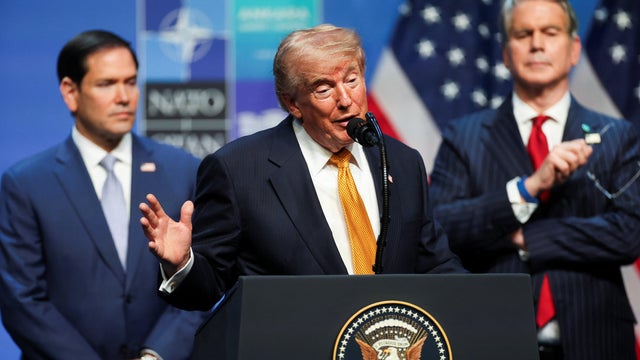
The U.S. began a second night of strikes Wednesday and Iran responded in kind after President Trump declared earlier in the day that the ceasefire was "over."
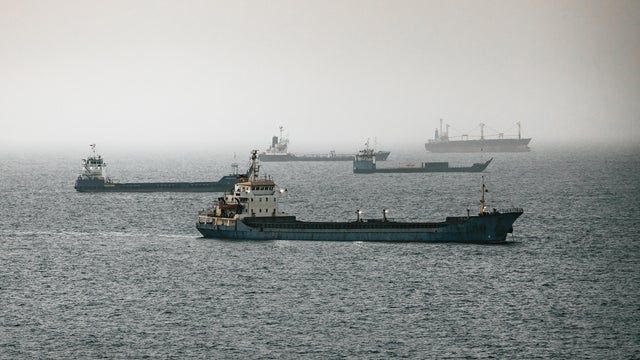
With peace talks on hold, the U.S. said it launched a "series of powerful strikes" on Iran in response to Iranian attacks on three commercial vessels in the Strait of Hormuz.
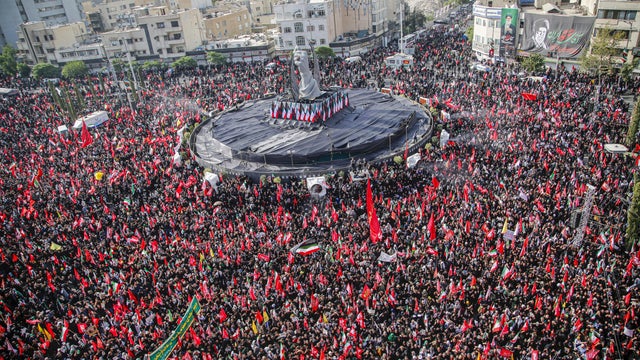
The U.S. is "going to win one way or the other," President Trump said Monday, as Iran held a colossal public funeral for its slain supreme leader.
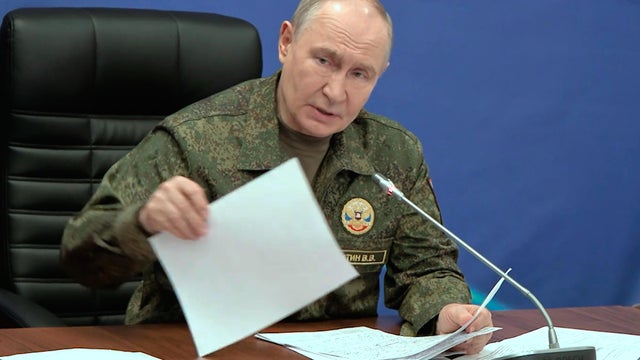
President Trump held separate calls with Russia's Vladimir Putin and Ukraine's Volodymyr Zelenskyy to discuss ending the war.
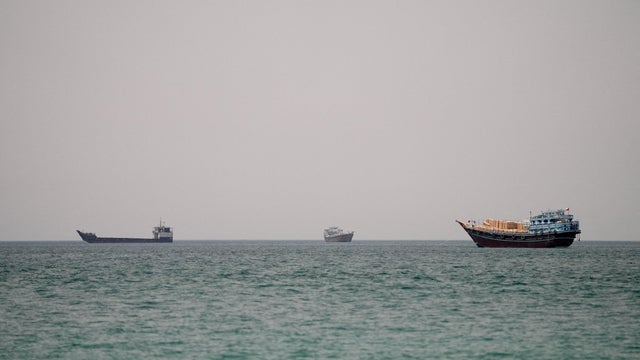
Iran denied its negotiators would be meeting with U.S. officials in Qatar after President Trump announced the talks would resume at Tehran's request.
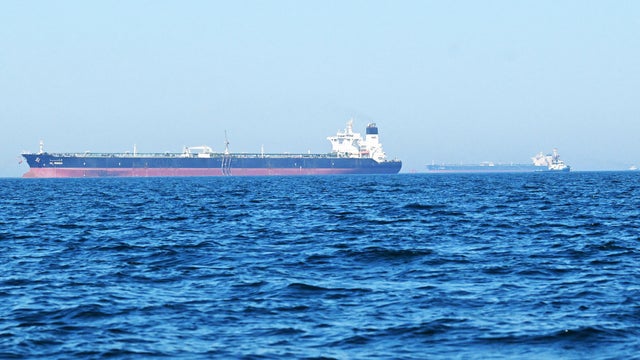
Iran launched drone and missile attacks targeting Kuwait and Bahrain on Sunday after the U.S. and Iran traded attacks earlier over the weekend.
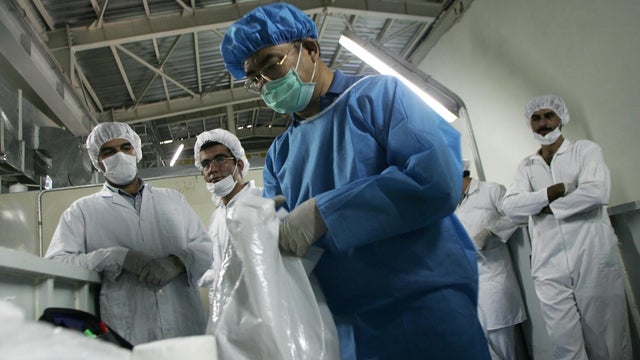
After conflicting remarks from Iran and the U.S., the U.N. nuclear agency chief says Iranian sites will be inspected, but the timing is "not essential."
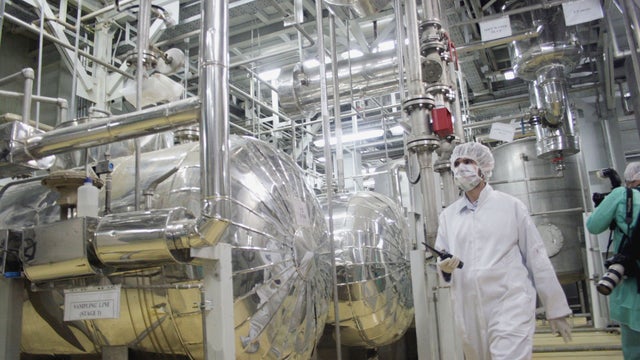
Iran insists there are no plans for inspections of its bombed nuclear sites, but Trump says Tehran "fully and completely" agreed to let inspectors return.
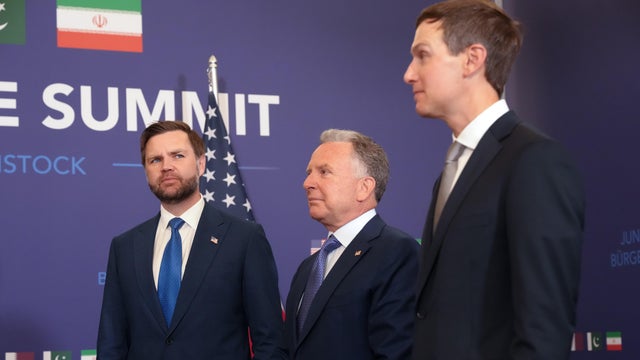
Vance says Iran agreed to let international nuclear inspectors back into the country during a "very, very good" first day of negotiations with the U.S.
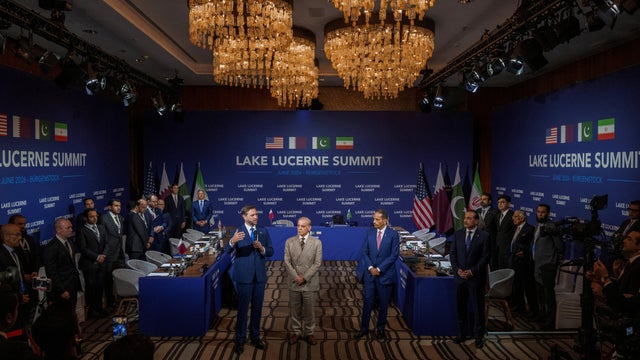
Their appearance was a rare face-to-face meeting between U.S. and Iranian officials as they launched a 60-day sprint to negotiate over the fate of Iran's nuclear program.
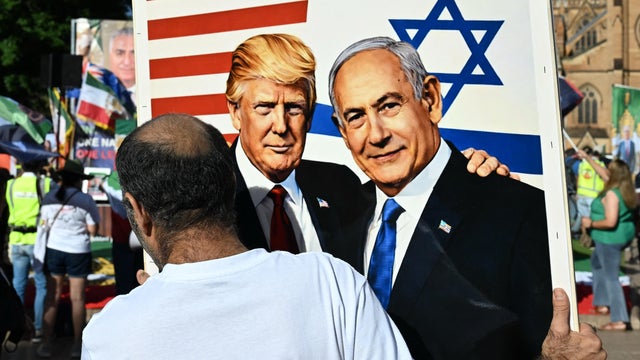
Trump has appeared during the Iran war to lose patience with Israeli Prime Minister Benjamin Netanyahu, who may now find himself "stuck."
The negotiations were expected to start as soon as this weekend, but Vice President Vance's trip there was put off and Switzerland said the negotiations have been postponed.
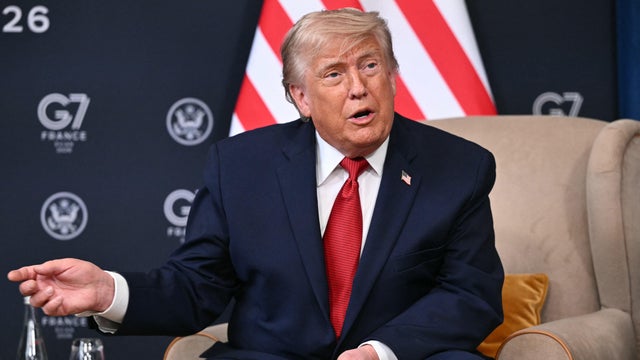
President Trump warned he could order new strikes if Iran's leaders "don't behave." The U.S. and Iran signed the memo of understanding remotely, a White House official said.
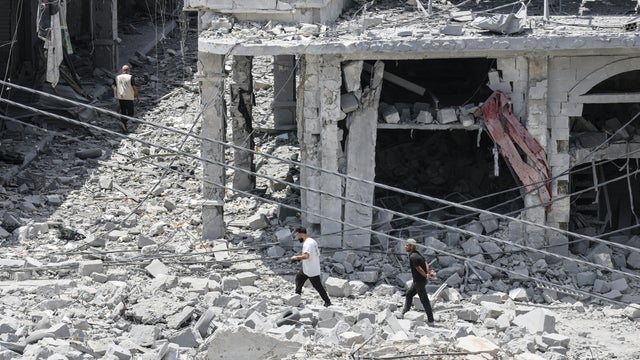
Senior U.S. officials say President Trump and Iran's top negotiator have already remotely signed a memorandum of understanding ahead of an expected signing ceremony.
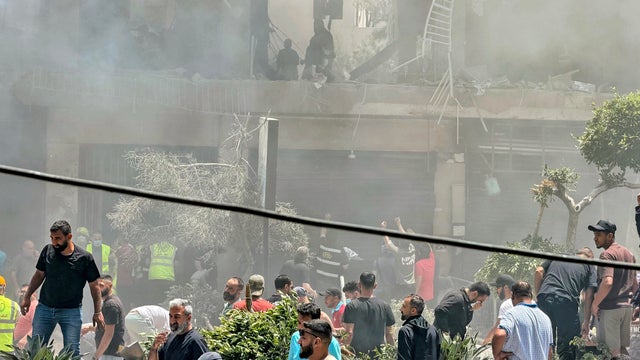
Pakistan's prime minister said Sunday the U.S. and Iran had reached a deal that includes "the immediate and permanent termination of military operations on all fronts, including in Lebanon."
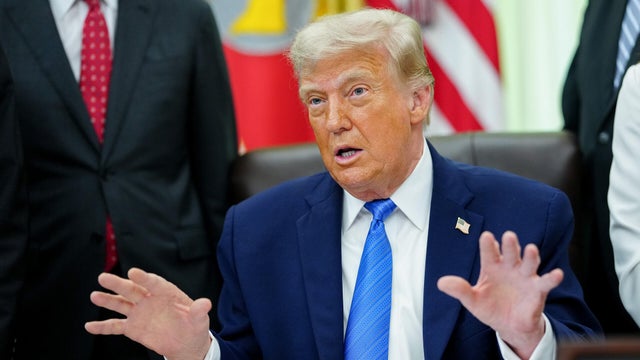
President Trump said earlier Thursday he called off new military strikes on Iran, hours after threatening to escalate the war.
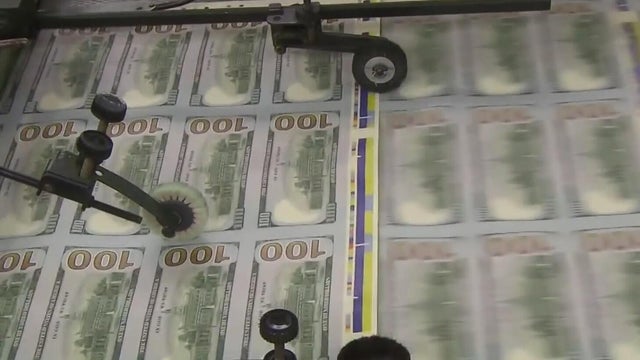
Experts said prices are rising faster than paychecks, and the average household is feeling the squeeze.
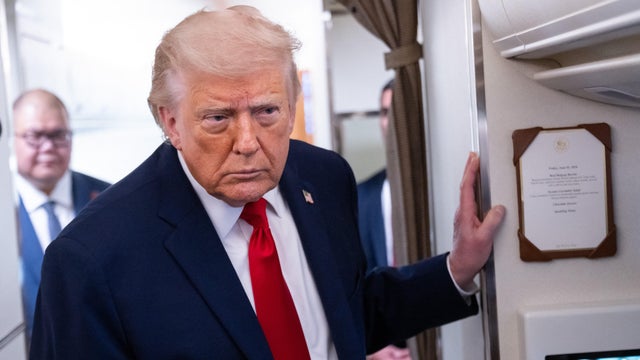
The two helicopter pilots were uninjured. After the retaliatory strikes were announced, President Trump said, "I believe the response should be very strong, very powerful."
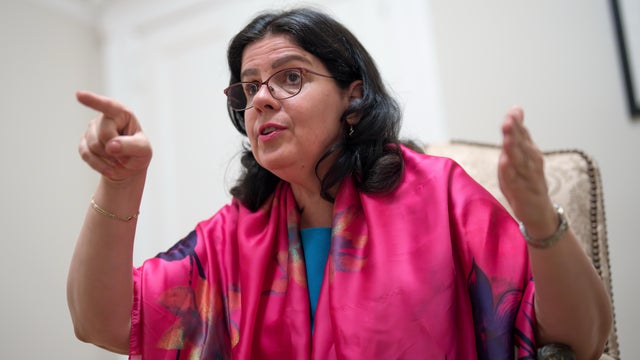
Cuba's top diplomat to the United States says recent sanctions targeting the island's leadership and the indictment of former President Raúl Castro are a "pretext" for the Trump administration to persuade the American people to support a U.S. military intervention in Cuba.