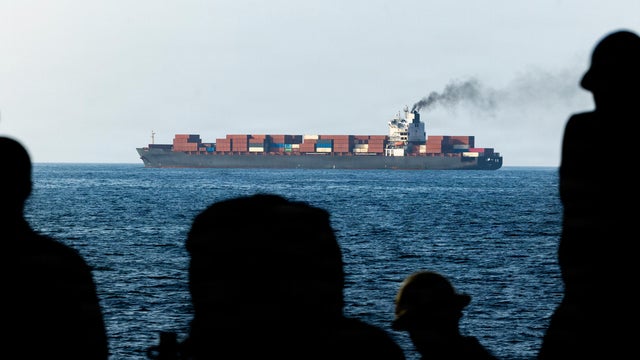
Iran attacks ships in Strait of Hormuz after Trump extends ceasefire
Iran renews attacks in the Strait of Hormuz after Trump says he's extending a ceasefire indefinitely, as thousands more U.S. forces head for the region.
Watch CBS News
Iran renews attacks in the Strait of Hormuz after Trump says he's extending a ceasefire indefinitely, as thousands more U.S. forces head for the region.
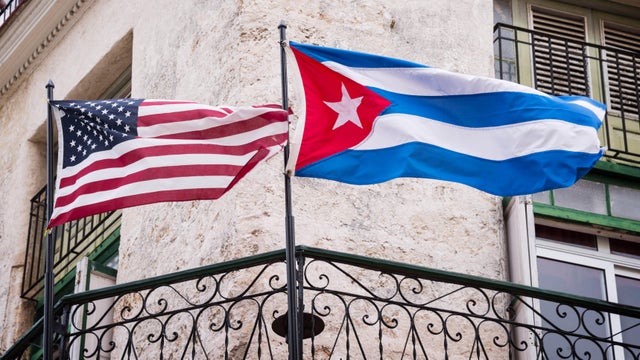
The poll, commissioned by The Miami Herald, asked 800 Cubans and Cuban Americans across Miami-Dade, Broward, Palm Beach, and Monroe counties if they were in favor of military intervention.
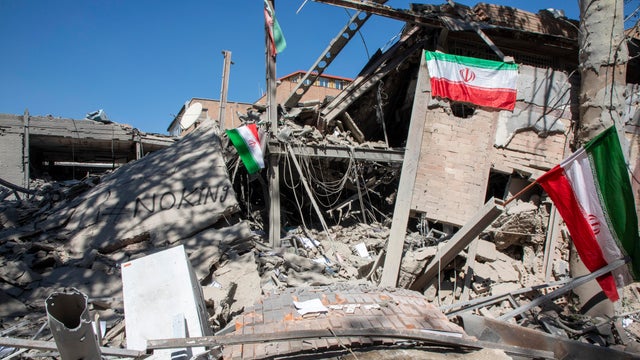
President Trump announced that the U.S. and Iran had agreed to a two-week ceasefire that was contingent on the reopening of the Strait of Hormuz.
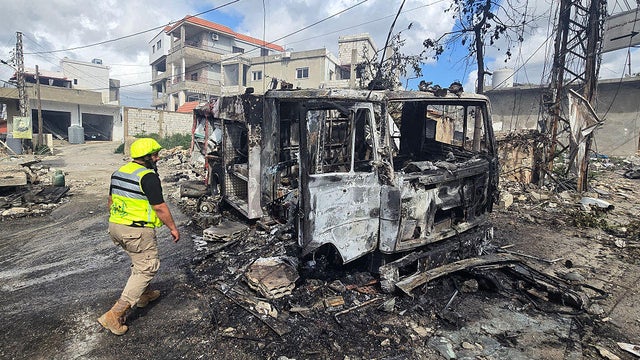
Energy markets remain volatile as President Trump threatens Iran with an invasion to seize its oil while also suggesting a deal could soon end the war.
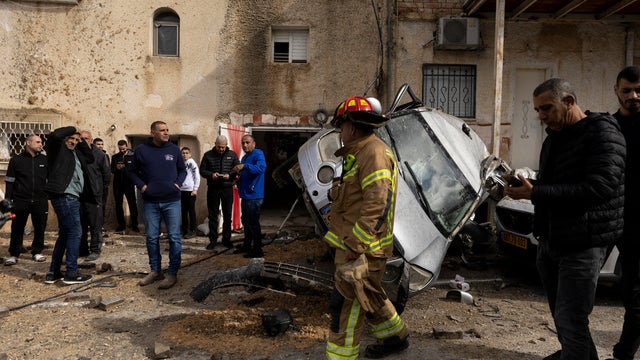
President Trump has extended a pause on striking Iranian energy infrastructure until April 6.
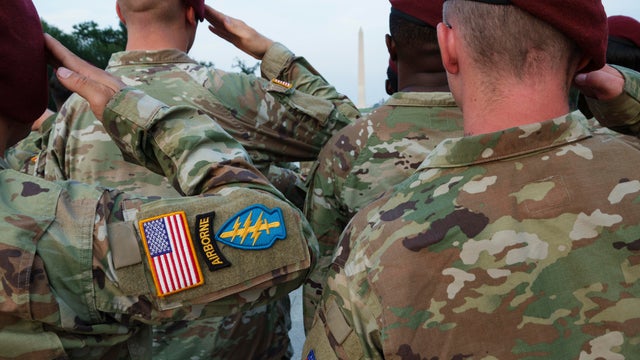
A command element and some ground forces are expected to be part of the Middle East deployment, according to a source familiar with the planning.
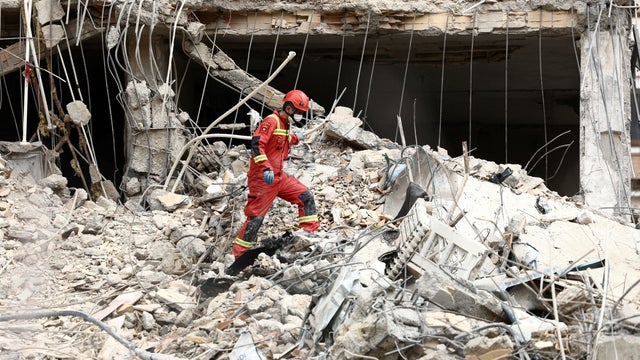
As Iran threatens to mine the entire Persian Gulf, President Trump said his deadline for the Strait of Hormuz to reopen is postponed amid negotiations with Tehran.
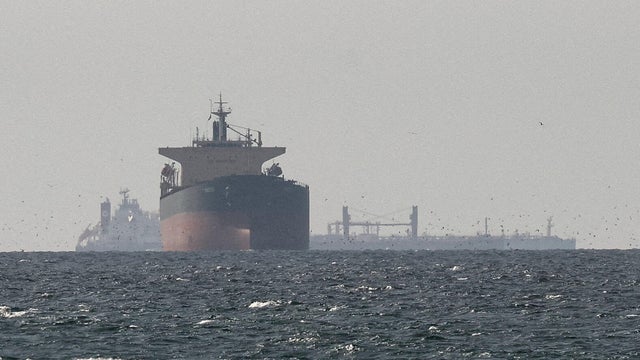
The president threatened to "obliterate" Iranian power plants if Iran didn't reopen the Strait of Hormuz by late Monday night Eastern Daylight Time.

Gov. Ron DeSantis on Friday ordered Florida and U.S. flags at all local and state buildings to be flown at half-staff on Saturday to honor U.S. Army Reserve Capt. Cody Khork, who was killed by Iranian drone strikes on March 1.
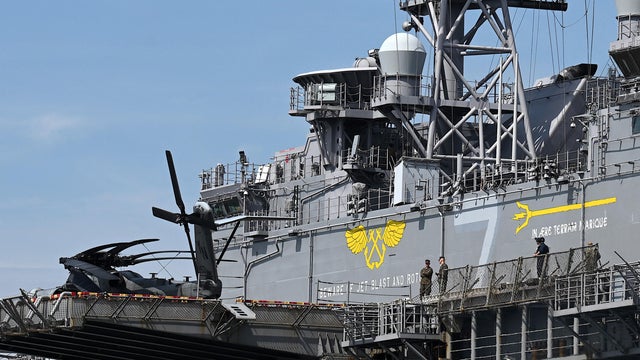
The first Marine Expeditionary Unit, which is coming from the Pacific, is still making its way toward the region.
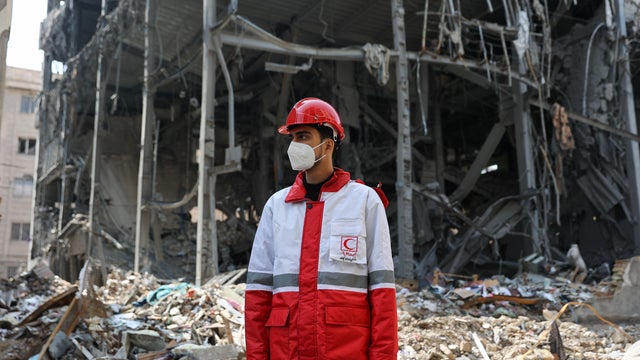
Trump says the U.S. will destroy a vast Iranian gas field if Tehran retaliates for an Israeli strike on the facility by attacking Qatar's infrastructure.
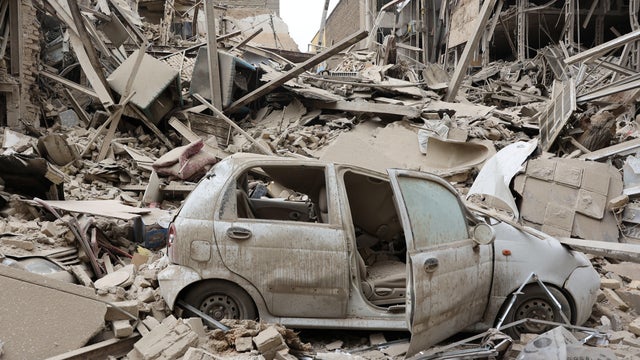
The Iran war could escalate further as President Trump threatens to hit key oil infrastructure if Tehran doesn't drop its chokehold on the Strait of Hormuz.
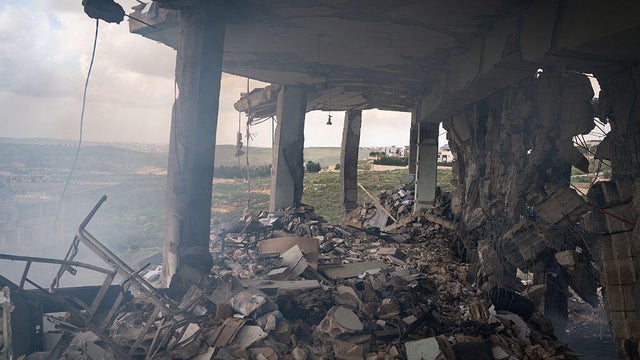
The war, which shows no signs of ending soon, has disrupted oil exports from the region, driven fuel prices far higher worldwide and upended global air travel.
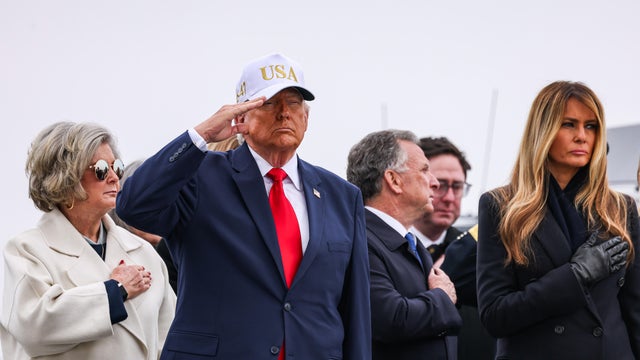
Since the start of the Iran war, 13 American service members have been killed.
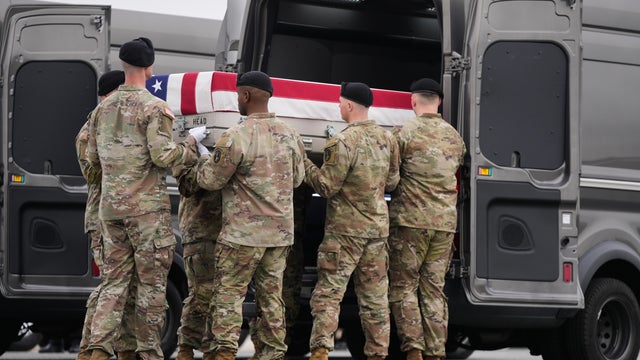
About 30 U.S. service members remained hospitalized Tuesday after an Iranian drone strike in Kuwait.
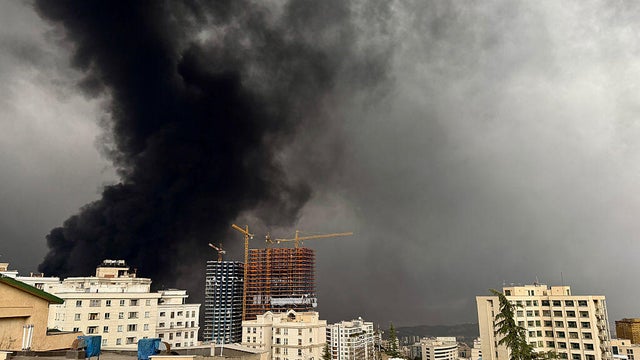
President Trump says the U.S. has diminished Iran's military and regime and will continue to expand its targets inside Iran.
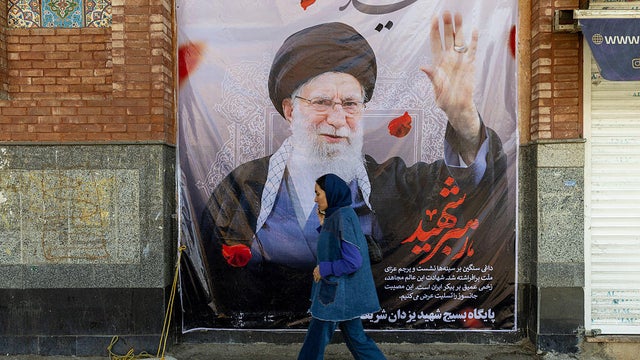
President Trump said he must have a role in choosing Iran's next leader and called the son of the late Ayatollah Ali Khamenei "unacceptable."
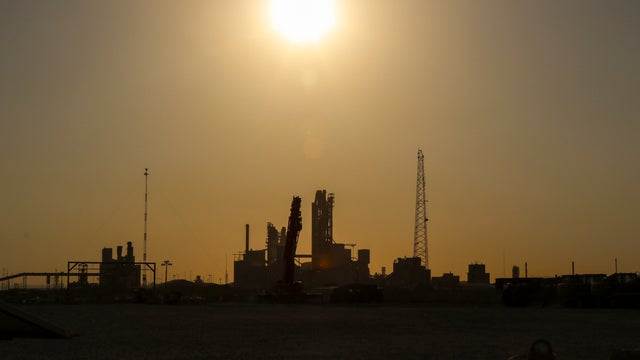
In the week before an Iranian retaliatory strike that killed six U.S. service members, Iranian intelligence was likely able to identify and track American forces, according to a memo reviewed by CBS News.
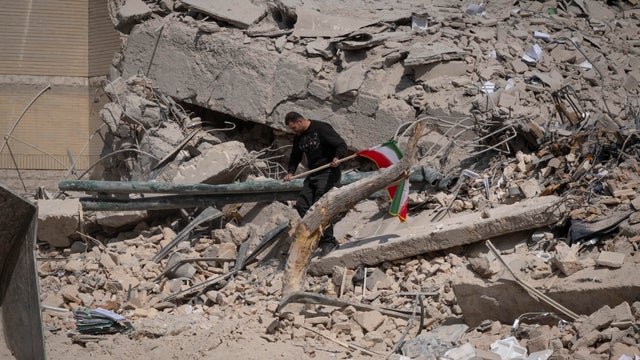
The U.S. is "accelerating, not decelerating" war on Iran, Hegseth says, as strikes intensify in the region and reach 1,000 miles away.
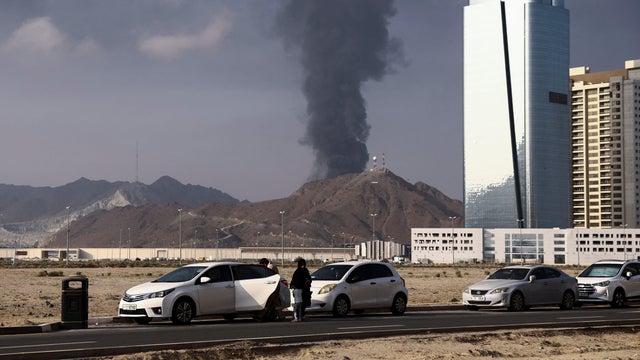
Israel sent troops into Lebanon as the U.S.-Israeli war with Iran widened, and some of Iran's Gulf neighbors warned that Iran's retaliatory fire could draw them into the spreading conflict.
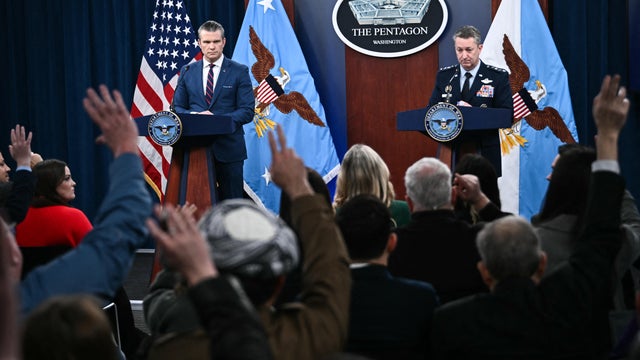
The first American service members to die in the U.S.-Israeli war with Iran were killed in an apparent Iranian drone attack on a makeshift office space in Kuwait, sources told CBS News.
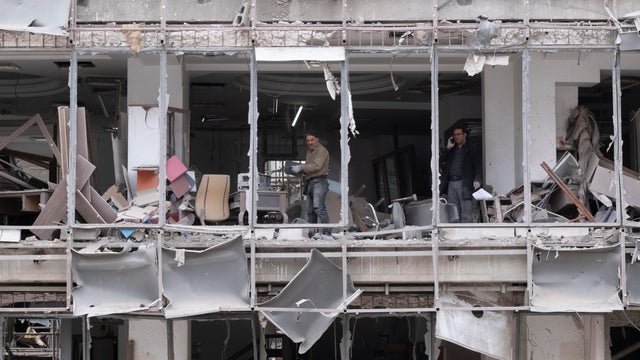
The U.S. military said Monday that the number of Americans killed during the ongoing conflict with Iran now stands at six. Follow live updates on Day 4 of the war.
The first U.S. casualties of the war with Iran occurred among American personnel based in Kuwait.

For some Iranians living in South Florida, the military strikes conducted by the U.S. and Israeli military in Iran over the weekend makes them hopeful for the future.
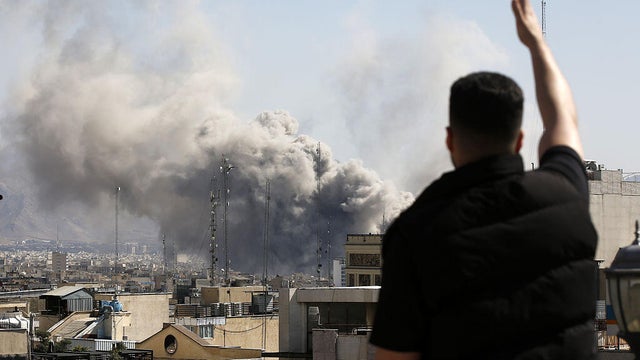
The U.S. military says three troops have been killed in the war with Iran, as President Trump says the operation is proceeding "ahead of schedule." Follow live updates.