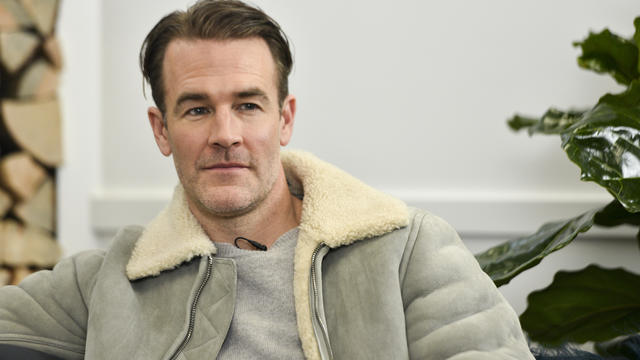
James Van Der Beek, "Dawson's Creek" star, dies at 48 after cancer diagnosis
"Dawson's Creek" and "Varsity Blues" star James Van Der Beek has died at 48 years old.

Watch CBS News
"Dawson's Creek" and "Varsity Blues" star James Van Der Beek has died at 48 years old.
D'Angelo's family said he died Tuesday after a "prolonged and courageous battle with cancer."

The 58-year-old chef said in a social media post that he had a Basal cell carcinoma removed from his skin.
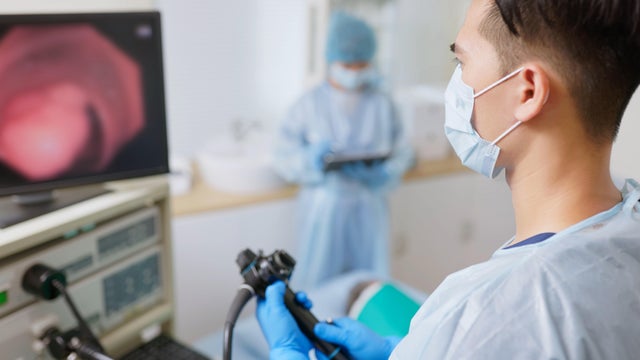
As more people aged 45-49 are getting screened for colon cancer, more early stage diagnoses are being made, according to new research from the American Cancer Society.
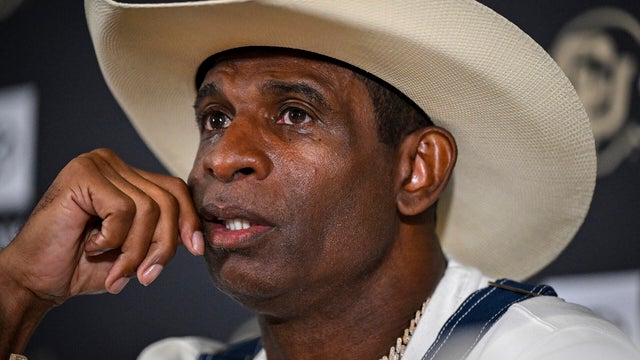
From dealing with a catheter to using adult diapers, University of Colorado head football coach Deion Sanders is willing to speak out about his cancer recovery.
Scientists conducting medical research are facing an existential crisis: Layoffs and budget cuts pushed by President Trump that, they say, jeopardize finding a cure for cancer.
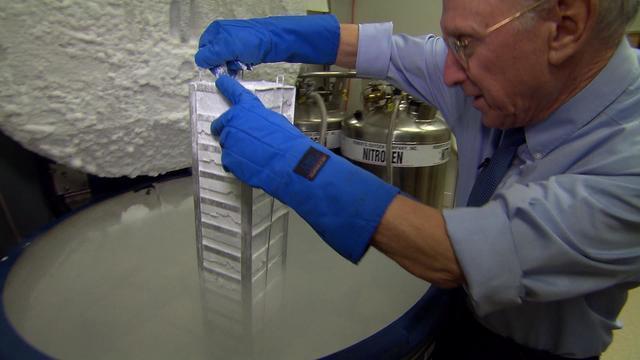
Dr. Jon LaPook introduces us to the next frontier of cancer treatment: immunotherapy, in which the body's own immune system is genetically modified to detect and destroy cancer cells.

Some women who have lost breasts to cancer have chosen to deal with their loss in a fashion that is sparking conversations, and controversy. They call it "going flat." Instead of reconstructing their bodies with surgical implants, they are embracing their scars, and even baring them in defiance of the disease. Erin Moriarty of "48 Hours" reports.
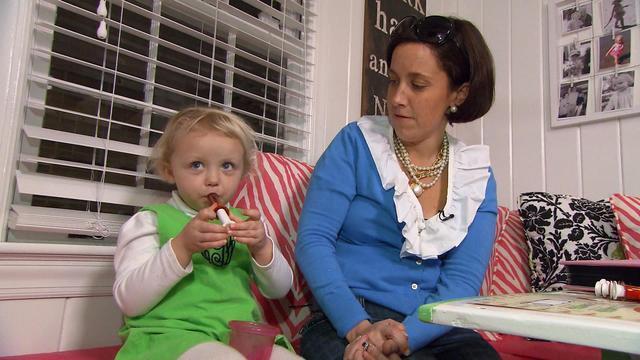
They're miracles in small packages. Nearly 16,000 kids worldwide are diagnosed with cancer every year, but their odds of beating it have never been better. Tracy Smith reports on the advances being made against pediatric cancers, made possible in part by the fundraising of charities like Alex's Lemonade Stand Foundation.
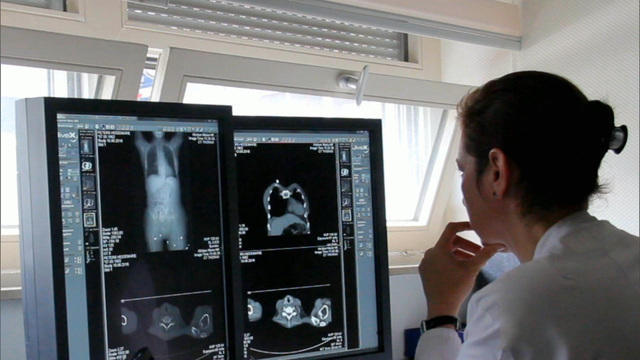
No one wants to hear that six-letter word, and if you have it, you just want to get rid of it as quickly as possible. The desire for aggressive treatment is understandable. However, when it comes to how we treat cancer, the pendulum is swinging, with an increasing number of medical professionals now saying we over-diagnose - and consequently over-treat - patients. Barry Petersen reports.
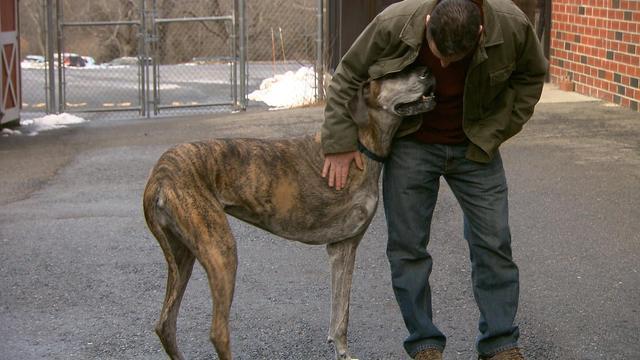
Comparative oncology, a rapidly-growing field of cancer research, pairs veterinarians with human doctors in the fight against cancer. Because certain cancers in dogs and people share striking similarities, the hope is that a new treatment for dogs, if successful, could be applied to people, too. Susan Spencer reports.
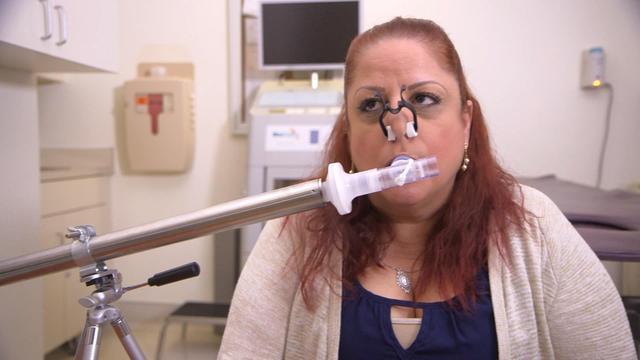
Researchers have learned that certain cancers alter human breath. Now they are exploring the possibility of using a breath test as a simple diagnostic tool for cancer. Susan Spencer reports.
Dr. Jon LaPook introduces us to the next frontier of cancer treatment: immunotherapy, in which the body's own immune system is genetically modified to detect and destroy cancer cells.
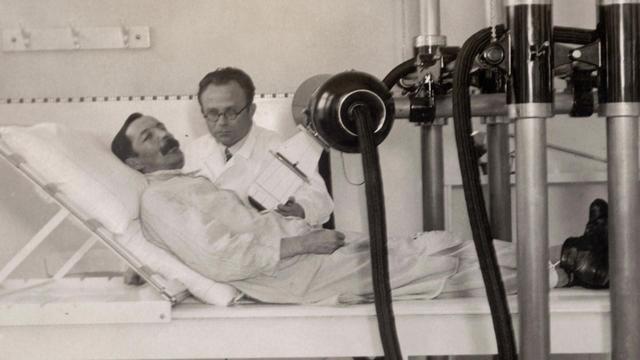
In his Pulitzer Prize-winning book, physician and scientist Siddhartha Mukherjee called cancer "The Emperor of All Maladies." He and anchor Jane Pauley discuss the milestones in cancer's history, and the breakthroughs in mankind's attempt to conquer it. Originally broadcast on March 12, 2017.

Anna Werner examines the subject of cancer clusters, and how difficult it is to detect and link environmental causes to cancer cases. Originally broadcast on March 12, 2017.
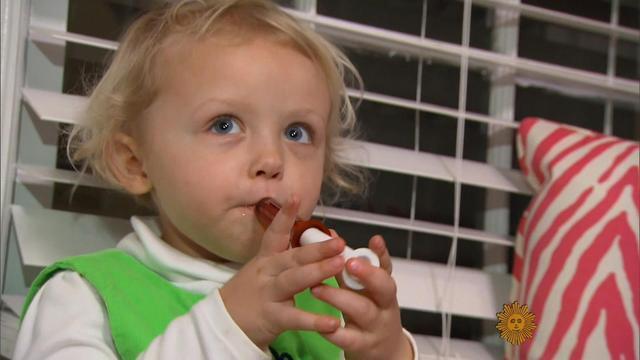
They're miracles in small packages. Nearly 16,000 kids worldwide are diagnosed with cancer every year, but their odds of beating it have never been better. Tracy Smith reports on the advances being made against pediatric cancers, made possible in part by the fundraising of charities like Alex's Lemonade Stand Foundation.

Some women who have lost breasts to cancer have chosen to deal with their loss in a fashion that is sparking conversations, and controversy. They call it "going flat." Instead of reconstructing their bodies with surgical implants, they are embracing their scars, and even baring them in defiance of the disease. Erin Moriarty of "48 Hours" reports.
Scorpions can be deadly, but they can also help save lives. Researchers have discovered that molecules derived from the scorpion's venom, combined with fluorescent dye, will stick to cancer cells and light up tumors on scans, so that surgeons can see precisely where to cut. Susan Spencer reports. Originally broadcast on March 12, 2017.
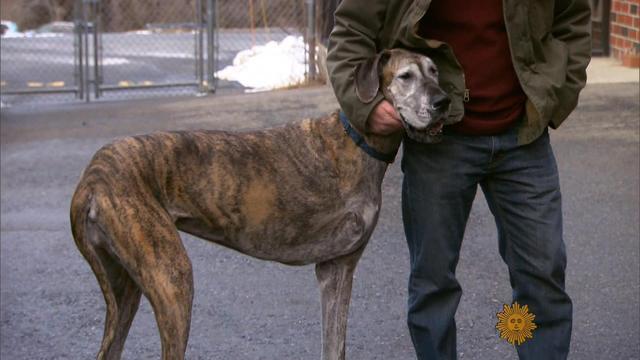
Comparative oncology, a rapidly-growing field of cancer research, pairs veterinarians with human doctors in the fight against cancer. Because certain cancers in dogs and people share striking similarities, the hope is that a new treatment for dogs, if successful, could be applied to people, too. Susan Spencer reports.

Can what you eat make a difference in preventing cancer, or in aiding cancer treatment itself? Correspondent Martha Teichner talks with Dr. Margaret Cuomo, dietician Mary-Eve Brown, chef Eric Levine, and patients undergoing chemotherapy about the relationship between diet and disease. Originally broadcast on March 12, 2017.

The Hippocratic Oath advises doctors to first DO NO HARM - so imagine intentionally using a virus that causes paralysis in hopes of treating the deadliest form of brain cancer. That's what doctors are trying with some patients with glioblastoma, the same cancer Arizona Senator John McCain is now grappling with, by using a reengineered polio virus. Dr. Jon LaPook reports.
A vaccine exists that can actually prevent cancer, yet millions of people are not taking it. Dr. Tara Narula reports on how immunization against the human papillomavirus (or HPV) can prevent many cancers, but only two-thirds of girls and one-half of boys have received the vaccine.
After a routine checkup, Sen. John McCain says he left his doctor only to be called on the way home: "You've got to come back...it's very serious"
Colon cancer patients saw improved survival rates after a 3-year exercise program, according to a first-of-its-kind international experiment.
The Trump administration's cuts to medical research grants have disrupted awards once backed by former President Joe Biden's "Cancer Moonshot" initiative.
Doctors fear that skepticism, fueled by anti-science sentiment and mistrust, is extending beyond vaccines to other proven, routine care.
Transit Officer Paul DeGeorge thought his son was lying on him. Then he realized something much scarier was happening.
A judge blocked a set of changes to the childhood vaccine schedule recommended by allies of Health and Human Services Secretary Robert F. Kennedy, dealing a setback to the Trump administration's efforts to overhaul federal vaccine policy.
Patchwork state policies and limited federal oversight have led to a fragmented system for tracking organ donor status.
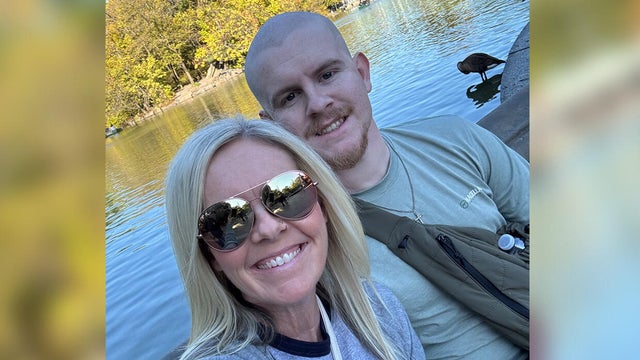
Spencer Laird was diagnosed with colon cancer at 26. At 30, he was told it had returned and spread to his lungs, with one tumor the size of a golf ball.
The Trump administration's Medicare boss reacts to CBS News investigation into California's hospice fraud problems.
Even people with six-figure incomes are making financial sacrifices to pay for medical care, a new study finds.
Crystalline silica, which is released into the air when workers cut and polish engineered stone for kitchen countertops, can scar human lungs beyond repair.
Last summer, the Trump administration announced a voluntary pledge by health insurers to reform prior authorization, but patient advocates and medical providers remain skeptical.
The pilots killed in a collision between a jetliner and a fire truck on a New York runway have been identified as Capt. Antoine Forest and First Officer Mackenzie Gunther.
Arielle Konig took the stand to testify against her husband, anesthesiologist Gerhardt Konig, exactly one year after he allegedly tried to kill her by pushing her off a cliff during a hike in Hawaii.
Democrat Emily Gregory won a special election for a Florida state House seat on Tuesday, flipping a district that is home to President Trump's estate, Mar-a-Lago.
Democrats have vowed to keep forcing votes on the issue as they seek public testimony from administration officials.
The landmark decision comes after a nearly seven-week trial. Jurors sided with state prosecutors who argued that Meta prioritized profits over safety.
A judge sharply questioned a lawyer for the federal government on Tuesday over the Pentagon's efforts to cut Anthropic's AI out of its classified systems.
FedEx said it will give customers the option of two-hour or end-of-day delivery, including for large and oversized packages.
OpenAI said Tuesday that it will discontinue the company's Sora app, which let users create AI-generated videos.
Trading in crude oil futures spiked only minutes before President Trump postponed an ultimatum on Iran, causing oil prices to drop and stocks to surge.
Delta is temporarily halting specialty services for members of Congress, citing strain on its resources during the partial government shutdown.
Lawmakers and President Trump appear to be edging closer to a framework to wrap up the Department of Homeland Security shutdown — but a breakthrough has remained out of reach. CBS News contacted every House and Senate office to ask what they're doing to end the shutdown.
Democrat Emily Gregory won a special election for a Florida state House seat on Tuesday, flipping a district that is home to President Trump's estate, Mar-a-Lago.
A judge sharply questioned a lawyer for the federal government on Tuesday over the Pentagon's efforts to cut Anthropic's AI out of its classified systems.
A command element and some ground forces are expected to be part of the Middle East deployment, according to a source familiar with the planning.
Delta is temporarily halting specialty services for members of Congress, citing strain on its resources during the partial government shutdown.
Doctors fear that skepticism, fueled by anti-science sentiment and mistrust, is extending beyond vaccines to other proven, routine care.
Transit Officer Paul DeGeorge thought his son was lying on him. Then he realized something much scarier was happening.
A judge blocked a set of changes to the childhood vaccine schedule recommended by allies of Health and Human Services Secretary Robert F. Kennedy, dealing a setback to the Trump administration's efforts to overhaul federal vaccine policy.
Patchwork state policies and limited federal oversight have led to a fragmented system for tracking organ donor status.
Spencer Laird was diagnosed with colon cancer at 26. At 30, he was told it had returned and spread to his lungs, with one tumor the size of a golf ball.
Democrats have vowed to keep forcing votes on the issue as they seek public testimony from administration officials.
A command element and some ground forces are expected to be part of the Middle East deployment, according to a source familiar with the planning.
The seed reveals that people in France have been cultivating the popular variety of grape since at least the 1400s, scientists say.
In separate visits, President Trump is planning to host monarchs from the United Kingdom and the Netherlands next month.
Researchers in Cambodia surveyed dozens of previously unexplored caves and found several species never seen before, including a pit viper that is still being studied.
A new documentary examines the artificial intelligence boom and its potential risks to humanity, featuring interviews with top AI company CEOs and other experts. Co-director Charlie Tyrell and producer Ted Tremper join CBS News to discuss the making of the film, "The AI Doc: Or How I Became an Apocaloptimist."
"The Pitt" star Patrick Ball tells "CBS Mornings" he had been auditioning since 2013 and didn't think his acting dreams were "ever going to happen" when he was cast in the medical drama. He also opens up about how the series is personal for him.
In 2005, the "Friends" star played Valerine Cherish, a washed-up sitcom actress, in the HBO comedy "The Comeback." The show was cancelled, but it earned a cult following, and returned in 2014. Now, "The Comeback" is itself making a comeback.
In this web exclusive, Emmy-winning actress Lisa Kudrow talks with Tracy Smith about "Friends," and her HBO show "The Comeback."
"Friends" star Lisa Kudrow played a washed-up sitcom actress, Valerie Cherish, in the 2005 HBO comedy "The Comeback." The show was cancelled, but it earned a cult following, and then returned in 2014. Now, "The Comeback" is itself making a comeback for a third season. Kudrow talks with correspondent Tracy Smith about her love for playing Phoebe Buffay; her aptitude for "cringe comedy"; and how she found solace following the death of "Friends" castmate Matthew Perry.
The New Mexico Department of Justice has won a landmark trial against Meta, the parent company of Facebook and Instagram. CBS News senior business and technology correspondent Jo Ling Kent has the details.
The landmark decision comes after a nearly seven-week trial. Jurors sided with state prosecutors who argued that Meta prioritized profits over safety.
From labor shortages to environmental impacts, farmers are looking to AI to help revolutionize the agriculture industry. One California startup, Farm-ng, is tapping into the power of AI and robotics to perform a wide range of tasks, including seeding, weeding and harvesting.
The artificial intelligence company Anthropic is challenging the Pentagon in court after the Trump administration designated it a national security risk. Tom Dupree, former deputy assistant attorney general under President George W. Bush, joins with analysis.
The war with Iran is raising cybersecurity concerns in the U.S. Vik Desai, global cybersecurity strategy lead at Accenture, joins CBS News to discuss.
The seed reveals that people in France have been cultivating the popular variety of grape since at least the 1400s, scientists say.
Researchers in Cambodia surveyed dozens of previously unexplored caves and found several species never seen before, including a pit viper that is still being studied.
The iNaturalist cellphone app not only helps users identify plant, animal and insect species; it also provides invaluable data to scientists studying biodiversity, species decline, and habitat loss. It also provides opportunities for fun: David Pogue joins iNaturalist fan Martha Stewart in a "bioblitz" – a timed competition with other users to spot and ID species.
The song is that of a humpback whale and was recorded by scientists in March 1949 in Bermuda, researchers said.
A new study in the journal Nature says most sea level rise research may have underestimated coastal water heights by an average of 1 foot.
Arielle Konig took the stand to testify against her husband, anesthesiologist Gerhardt Konig, exactly one year after he allegedly tried to kill her by pushing her off a cliff during a hike in Hawaii.
The New Mexico Department of Justice has won a landmark trial against Meta, the parent company of Facebook and Instagram. CBS News senior business and technology correspondent Jo Ling Kent has the details.
Two weeks after a CBS News investigation into hospice care fraud in California, Congress is now probing the issue. CBS News correspondent Adam Yamaguchi is following the story.
Dayton Webber, a professional cornhole player and quadruple amputee, has been arrested on murder charges for the shooting death of a Maryland man. CBS News' Shanelle Kaul has more.
Prosecutors say Jose Medina, who is accused of killing a Loyola University student, missed his first court appearance Monday because he has been hospitalized and is undergoing treatment for tuberculosis. Medina is facing several charges in the fatal shooting, including first-degree murder. DHS says the alleged shooter is a Venezuelan man living in the U.S. illegally.
In an on-going overhaul of NASA's Artemis program, agency officials say it will take seven years to build a sophisticated base on the moon.
NASA's Artemis II rocket is back on the launch pad after repairs inside the massive Vehicle Assembly Building at the Kennedy Space Center. Early next month, NASA will try, for a second time, to send a crew of four on a flyby of the moon. Mark Strassmann has more.
A possible meteorite crashed into a Houston area house on Saturday night, tearing through the roof and two stories of the home, officials said.
Retired NASA astronaut and Air Force Col. Eileen Collins joins "CBS Saturday Morning" to discuss her groundbreaking journey to become the first woman to pilot the Space Shuttle and the first to command a Space Shuttle mission.
After a trip back out to the launch pad, NASA's Artemis II rocket will be readied for a historic flight to the moon.
A look back at the esteemed personalities who've left us this year, who'd touched us with their innovation, creativity and humanity.
Does the evidence show a cover-up, or was Todd Kendhammer wrongfully convicted for the murder of his wife?
Christy Salters-Martin dominated in the boxing ring but faced her toughest challenger at home.
Family seeks answers in death of newlywed who disappeared in 2005 while on Mediterranean honeymoon cruise.
Meet the tattooed beauty charged in the death of Google executive Forrest Hayes.
Trump says Vance and Rubio are involved in talks with Iran; Senate inches toward a potential DHS funding solution.
Hawaii residents continued recovery efforts on Tuesday after the worst flooding in 20 years battered the islands this month.
A debate over what to wear at two different restaurant chains is prompting renewed attention over dress codes. Tony Dokoupil has more.
Arielle Konig faced down the man who allegedly tried to murder her during a birthday hike one year ago, her husband, anesthesiologist Gerhardt Konig. Matt Gutman reports on the trial.
A huge spike in oil futures trading minutes before President Trump announced talks with Iran is drawing suspicion about insider trading. Jill Schlesinger explains.